
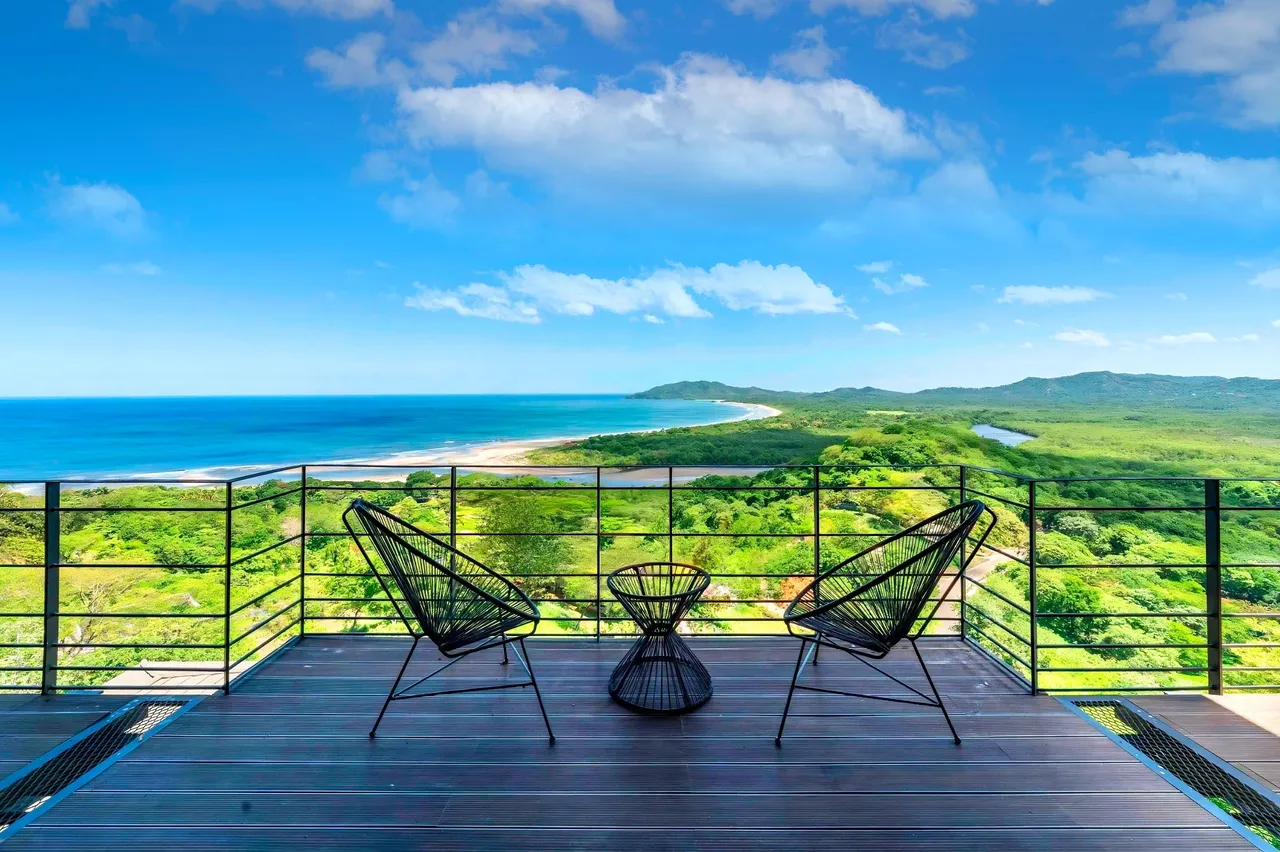
Luxury villa rentals — Tamarindo, Guanacaste
Planning an extended stay in Costa Rica?
Villagio Musca offers luxury private villa rentals in Tamarindo and Playa Del Coco — three stunning villas, each with a private infinity pool and ocean views, just minutes from the beach. Inquire today about availability for your stay.
Book now Inquire now| ✓ Private infinity pools | ✓ Ocean views | ✓ Tamarindo & El Coco | ✓ 5-star guest reviews |
Deciding between Costa Rica and Jamaica for your next tropical getaway? We’ve compared these Caribbean gems to help you choose the perfect paradise. Both destinations offer stunning beaches, lush landscapes, and vibrant cultures, but they each have their own distinct flavor that attracts different types of travelers.
Costa Rica shines with its eco-tourism focus, featuring volcanoes, rainforests, and abundant wildlife. Jamaica captivates visitors with its reggae rhythms, laid-back atmosphere, and all-inclusive resorts. What kind of experience are you looking for? Do you dream of zip-lining through cloud forests or dancing to island beats with a rum punch in hand?
In this guide, we’ll break down everything from activities and accommodations to food and safety concerns, giving you all the information needed to plan your ideal vacation. Let’s explore what makes each destination special and which might be the better fit for your travel style.
Understanding Costa Rica and Jamaica: A Comparison
Costa Rica and Jamaica each offer distinct tropical experiences despite sharing Caribbean influences. Costa Rica, located in Central America, boasts incredible biodiversity with 5% of the world’s species concentrated in its rainforests, cloud forests, and marine ecosystems. Jamaica, an island nation in the Caribbean, features beautiful beaches, a rich cultural heritage, and a musical legacy that’s influenced global pop culture through artists like Bob Marley.
When comparing these destinations, several key differences emerge. Costa Rica emphasizes sustainability and eco-tourism, with 25% of its territory protected as national parks or reserves. Its landscapes include active volcanoes, pristine beaches on both Pacific and Caribbean coasts, and mountainous regions perfect for adventure activities.
Jamaica’s appeal centers on its laid-back atmosphere, vibrant culture, and all-inclusive resort options. The island’s tourism focuses on beach experiences, water sports, and cultural immersion through music, food, and local traditions. With over 50 public beaches and numerous private resort beaches, Jamaica offers more beachfront relaxation opportunities than Costa Rica.
Climate patterns differ between these destinations as well. Costa Rica has distinct dry (December-April) and rainy (May-November) seasons, with regional microclimates creating temperature variations based on elevation. Jamaica maintains a more consistent tropical climate year-round, with slightly higher average temperatures (82-90°F) and a brief rainy season from May to October.
How do you envision your ideal tropical getaway? Are you drawn to biodiversity and volcano hikes, or do pristine beaches and reggae rhythms sound more appealing? Understanding these fundamental differences helps narrow down which destination might better match your travel preferences.
Geographic Features and Natural Attractions
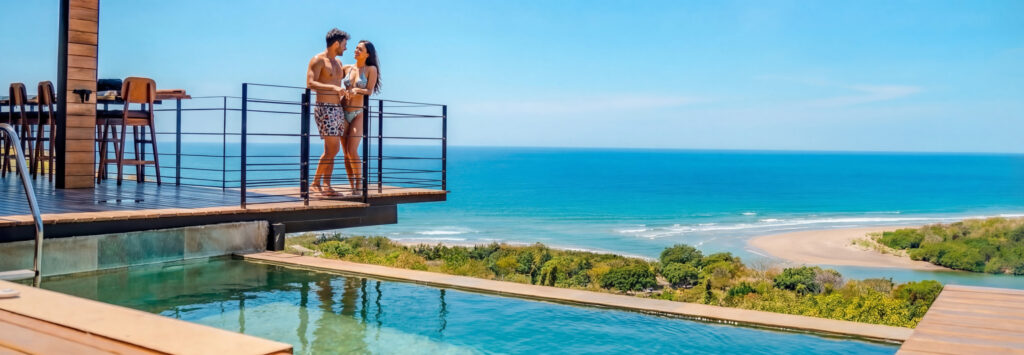
Costa Rica and Jamaica both showcase stunning natural beauty, but their geographic features differ significantly. Costa Rica boasts over 900 miles of coastline and more than 1,700 documented waterfalls, creating a paradise for nature enthusiasts. Jamaica’s landscape offers its own distinct attractions that draw travelers seeking tropical experiences.
Beaches and Coastlines
Costa Rica’s dual coastlines along the Pacific Ocean and Caribbean Sea feature diverse beach experiences. The Pacific side presents dark sand beaches with excellent surfing conditions at locations like Tamarindo and Jacó. Caribbean beaches offer white sand and calmer waters at Manuel Antonio and Punta Uva. With over 300 distinct beaches, Costa Rica’s shoreline ranges from crowded tourist spots to secluded coves accessible only by boat.
Jamaica’s coastline stretches approximately 635 miles, featuring world-renowned beaches like Seven Mile Beach in Negril and Doctor’s Cave Beach in Montego Bay. The island’s beaches typically offer white sand and crystal-clear turquoise waters. Jamaica’s beach scene centers around relaxation and water activities, with many resorts built directly on prime beachfront property. The island’s beaches tend to be more developed for tourism with accessible amenities and services compared to Costa Rica’s more rugged options.
Mountains and Inland Landscapes
Costa Rica’s interior showcases dramatic volcanic landscapes with 67 volcanoes, including five active ones like Arenal and Poás. The country’s elevation ranges from sea level to 12,533 feet at Mount Chirripó, creating multiple climate zones within short distances. Costa Rica protects 25% of its territory as national parks or reserves, preserving cloud forests, rainforests, and dry forests that harbor 5% of the world’s biodiversity in just 0.03% of Earth’s landmass.
Jamaica’s Blue Mountains rise to 7,402 feet, creating a cooler inland climate perfect for growing the famous Blue Mountain coffee. The island’s interior features limestone karst formations, creating cave systems and unique landscapes like Cockpit Country. Jamaica’s rivers and waterfalls, such as Dunn’s River Falls and YS Falls, offer popular attractions for visitors. While smaller in area than Costa Rica, Jamaica’s varied topography includes rainforests, wetlands, and mountain ranges, all packed into a more compact 4,244 square mile area.
Have you considered which landscape speaks more to your travel style? Do you prefer Costa Rica’s volcano hikes and biodiversity, or Jamaica’s accessible beaches and tropical mountain views?
Climate and Best Time to Visit
Costa Rica’s Climate Patterns
Costa Rica features remarkably diverse climate zones despite its small size. The country experiences two distinct seasons: the dry season (December to April) and the rainy season (May to November). During the dry season, temperatures range from 70°F to 90°F (21°C to 32°C) with minimal rainfall, making it the high tourism season. The Pacific coast typically remains hotter and drier than the Caribbean side. Elevation plays a significant role in temperature variation – San José’s central valley (3,800 feet) averages 70°F (21°C) year-round, while coastal areas stay considerably warmer. The rainy season brings afternoon showers that usually clear by evening, with September and October seeing the heaviest rainfall.
Jamaica’s Tropical Weather
Jamaica enjoys consistent tropical weather throughout the year with temperatures averaging between 80°F and 90°F (27°C to 32°C). The island experiences a wet season from May to November and a dry season from December to April. Coastal areas stay warm and humid, while higher elevations like the Blue Mountains offer cooler temperatures, often 10-15°F lower than at sea level. Jamaica’s hurricane season officially runs from June to November, with the highest risk occurring between August and October. The north coast (Montego Bay, Ocho Rios) typically receives less rainfall than the eastern region, which includes Port Antonio.
Best Times to Visit Costa Rica
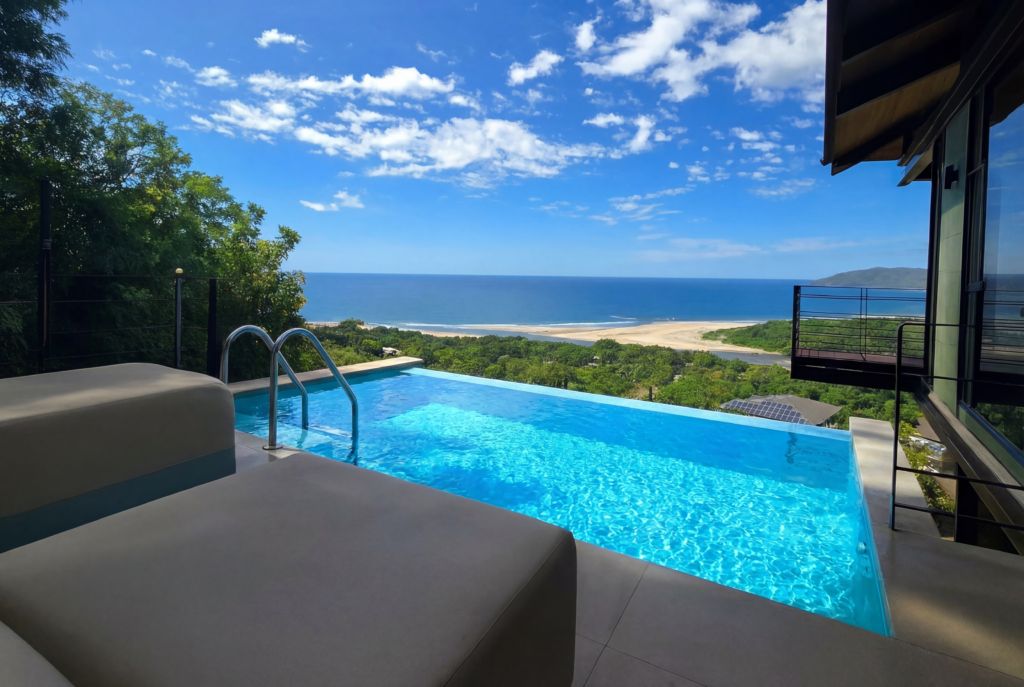
The peak tourist season in Costa Rica runs from December through April, coinciding with the dry season. This period offers consistent sunshine and minimal rain, ideal for wildlife viewing, hiking, and beach activities. January and February provide the most reliable weather nationwide. For budget travelers, the “green season” (May-June or November) presents an excellent compromise – occasional afternoon showers with significantly reduced crowds and lower prices. Specific wildlife enthusiasts might target their visits accordingly: turtle nesting occurs from July to October on the Caribbean coast, while whale watching peaks in September and October along the Pacific.
Optimal Months for Jamaica
Jamaica welcomes visitors year-round, but the prime time falls between December and mid-April when rainfall remains minimal and temperatures hover comfortably around 80°F (27°C). Mid-December through March marks the peak tourist season with highest prices and largest crowds. Value-conscious travelers often prefer November or late April through May when weather conditions remain favorable but rates drop considerably. September through October represents Jamaica’s rainiest period, though showers typically pass quickly and hotel rates reach their lowest point. Cultural enthusiasts might plan their trips around festivals like Reggae Sumfest in July or Jamaica Carnival in April.
Weather Considerations for Activities
How does climate impact your vacation activities in these destinations? In Costa Rica, dry season months (December-April) work best for zipline adventures, hiking volcanoes, and wildlife spotting. Surfers seeking the biggest waves should visit during the rainy season, with the Pacific coast’s best surfing from May to November. For Jamaica, water sports enthusiasts enjoy ideal conditions year-round, though diving visibility peaks during dry season months. Hiking the Blue Mountains becomes more challenging during rainy season when trails get slippery. Beach days remain possible throughout the year in both countries, though afternoon storms might interrupt plans during rainy seasons.
Cultural Heritage and Local Experiences
Both Costa Rica and Jamaica offer rich cultural experiences that go beyond their natural beauty. These destinations provide authentic local interactions, traditional cuisine, and vibrant artistic expressions that reflect their distinct histories and identities.
Food and Cuisine
Costa Rican cuisine centers around simple, fresh ingredients with bold flavors. The national dish, gallo pinto, combines rice and black beans with spices and is often served with eggs for breakfast. Other staples include casado (a plate with rice, beans, plantains, salad, and protein), ceviche made with fresh local seafood, and sweet-savory plantain dishes. Costa Rican coffee ranks among the world’s finest, with eight coffee-growing regions producing distinctive flavor profiles.
Jamaican cuisine, by contrast, features more intense flavors and spices. Jerk chicken and pork, seasoned with a fiery blend of scotch bonnet peppers and allspice, represent Jamaica’s most famous culinary export. Ackee and saltfish (the national dish), curry goat, and escovitch fish highlight the island’s diverse culinary influences. Street food plays a central role in Jamaican food culture, with patties (savory pastries) and festival (sweet fried dumplings) available from roadside vendors throughout the island. Blue Mountain Coffee from Jamaica’s highlands commands premium prices globally for its smooth, mellow flavor.
Music and Arts
Costa Rica’s artistic traditions blend indigenous craftsmanship with Spanish colonial influences. Traditional arts include colorfully painted oxcarts (carretas), handcrafted masks used in festivals, and intricate pottery reflecting pre-Columbian designs. Music in Costa Rica features folk styles like calypso on the Caribbean coast and traditional dance forms like the punto guanacasteco. Cultural celebrations like the Fiestas Palmares and Carnival showcase these traditions through parades, dancing, and artisan markets.
Jamaica’s global cultural impact far exceeds its size, primarily through reggae music. Bob Marley’s legacy continues to draw visitors to Kingston’s culture-rich neighborhoods and the Bob Marley Museum. Beyond reggae, Jamaica has contributed dancehall, ska, and rocksteady to global music. The island’s vibrant art scene includes distinctive painting styles, wood carvings, and the religious-cultural practices of Rastafarianism. Annual events like Reggae Sumfest and the Jamaica Carnival offer immersive experiences of Jamaican musical heritage. Local craft markets in Montego Bay and Ocho Rios display handmade jewelry, woven baskets, and carved wooden sculptures reflecting Jamaica’s artistic traditions.
How might these cultural experiences shape your tropical vacation? Would you prefer Costa Rica’s eco-centered culture or Jamaica’s rhythm-driven heritage?
Tourist Activities and Adventures
Costa Rica and Jamaica offer distinctly different adventure experiences for travelers. Both destinations feature impressive natural attractions but cater to different types of explorers and vacation styles.
Eco-Tourism Opportunities
Costa Rica stands as a global leader in eco-tourism with 25% of its land designated as protected national parks or reserves. Visitors can explore cloud forests in Monteverde, hike around active volcanoes like Arenal, or witness sea turtle nesting at Tortuguero National Park. The country’s biodiversity includes over 500,000 species—representing 5% of all species on Earth—creating exceptional wildlife viewing opportunities for spotting monkeys, sloths, toucans, and vibrant frogs.
Jamaica’s eco-tourism focuses more on specific natural attractions rather than extensive wilderness areas. Dunn’s River Falls offers a famous climbing experience through cascading waters, while the Blue Mountains provide hiking trails with panoramic views. Bird-watching enthusiasts can spot Jamaica’s 28 endemic species, including the doctor bird (national bird). Though less extensive than Costa Rica’s offerings, Jamaica’s eco-adventures connect deeply with the island’s cultural identity.
Water Sports and Beach Activities
Jamaica excels in water-based recreation with its crystal-clear Caribbean waters. Seven Mile Beach in Negril and Doctor’s Cave Beach in Montego Bay provide perfect settings for swimming, snorkeling, and paddleboarding. The island’s established all-inclusive resorts typically include complimentary equipment rentals for kayaking, sailing, and windsurfing. Scuba diving enthusiasts enjoy exploring Jamaica’s coral reefs and underwater caves throughout the year.
Costa Rica delivers two distinct coastal experiences across its 900+ miles of shoreline. The Pacific coast attracts surfers to renowned breaks at Tamarindo, Jacó, and Santa Teresa, while the Caribbean side offers calmer waters ideal for snorkeling and swimming. Visitors can also try sportfishing for marlin and sailfish, or join seasonal whale-watching excursions. Unlike Jamaica’s concentrated beach resort areas, Costa Rica’s beaches often retain a more natural, less developed atmosphere, with many located near wildlife refuges.
Have you considered which type of water activities align better with your vacation goals? The choice between Jamaica’s resort-centered beach experiences and Costa Rica’s more varied coastal adventures often determines which destination best matches your travel style.
Safety and Travel Considerations
Crime and Security
Costa Rica maintains a relatively stable security environment compared to many other Central American countries. The country’s crime rates are lower, with most incidents involving non-violent theft and pickpocketing in tourist areas. San José experiences higher crime rates than coastal and rural regions, but violent crime targeting tourists remains uncommon.
Jamaica faces more significant security challenges, with higher violent crime rates in certain areas. Kingston and some parts of Montego Bay have neighborhoods that travelers should avoid. The Jamaican government has established Tourist Police and designated safe zones around major resorts to protect visitors. Despite this, many tourists enjoy Jamaica without incident by staying within resort areas or traveling with reputable tour guides.
When comparing these destinations:
- Costa Rica allows for more independent exploration with lower safety concerns
- Jamaica often requires more awareness and planning regarding where to go
- Both countries benefit from common-sense precautions like avoiding isolated areas at night
- Resort stays in Jamaica typically provide additional security measures
Health Considerations
Both countries present tropical health considerations, though with notable differences. Costa Rica boasts excellent healthcare infrastructure with high-quality private hospitals in major cities and tourist areas. The country has effectively controlled most tropical diseases, though visitors should be aware of dengue fever risks during rainy seasons.
Jamaica’s healthcare system varies more in quality, with excellent private facilities near resort areas but less reliable options in remote regions. Travelers to both destinations should consider:
- Travel insurance with medical evacuation coverage
- Updated routine vaccinations
- Mosquito protection, especially during rainy seasons
- Access to bottled water in certain areas
Costa Rica’s tap water is generally safe in developed areas, unlike Jamaica where bottled water is recommended throughout the country. Neither country currently requires special vaccinations for entry from most countries.
Transportation Safety
Getting around safely differs significantly between these destinations. Costa Rica’s road conditions vary dramatically, with excellent highways near San José but challenging rural roads that may require 4WD vehicles during rainy seasons. Public transportation is reliable in Costa Rica, with extensive bus networks connecting major destinations.
Jamaica’s roads present more consistent challenges, with:
- Narrow, winding mountain roads
- Left-side driving (following British influence)
- Variable road maintenance
- Aggressive local driving styles
For this reason, many Jamaica visitors opt for private transfers or organized tours rather than self-driving. Costa Rica offers more flexibility for independent travelers comfortable with driving in various conditions. Taxis are regulated in both countries, though visitors should ensure they’re using official services.
Natural Hazards
The tropical environments of both countries come with natural considerations. Costa Rica sits in a seismically active region with occasional earthquakes and volcanic activity. The country has five active volcanoes that are monitored, with tourist access restricted during periods of heightened activity. During rainy season (May-November), flash flooding and landslides can affect rural roads.
Jamaica faces annual hurricane risks, particularly from June through November. The island has well-established hurricane response protocols, but travelers should monitor weather forecasts during these months. Jamaica’s mountainous interior can also experience flash flooding during heavy rains.
Both destinations require sun protection year-round, with UV levels much higher than in northern countries. Strong rip currents affect beaches in both countries, making it essential to heed local swimming advisories and flags.
Accommodations and Resorts
Costa Rica’s Eco-Lodges and Boutique Hotels
Costa Rica’s accommodation options reflect its commitment to sustainability and natural immersion. Eco-lodges throughout the country provide intimate experiences with minimized environmental impact. These properties range from basic treehouses to luxury lodges with amenities like infinity pools overlooking rainforest canopies. Many eco-lodges operate with solar power, rainwater collection systems, and farm-to-table dining programs.
Boutique hotels in Costa Rica typically feature fewer than 25 rooms, offering personalized service in stunning locations. Popular areas for these accommodations include Manuel Antonio, with its ocean views, and Monteverde’s cloud forest region. Prices for eco-lodges start around $80 per night for basic options and can exceed $500 for luxury properties during high season.
Costa Rica also offers all-inclusive resorts, primarily along the Pacific coast in Guanacaste province. These resorts provide comprehensive amenities while often incorporating local architecture and sustainable practices. However, they represent a smaller percentage of Costa Rica’s overall accommodation market compared to Jamaica.
Jamaica’s All-Inclusive Resort Culture
Jamaica pioneered the all-inclusive resort concept and continues to excel in this accommodation style. The island’s northern coast, particularly Montego Bay, Negril, and Ocho Rios, hosts dozens of world-class all-inclusive properties. These resorts typically offer multiple restaurants, entertainment options, and unlimited beverages for a single price.
Jamaican all-inclusives cater to various travelers – from adults-only luxury properties to family-friendly resorts with extensive water parks and kids’ clubs. Many resorts feature private beaches with protected swimming areas and water sports centers. Jamaica’s all-inclusive market includes major international chains alongside locally-owned properties that incorporate authentic Jamaican elements.
Beyond all-inclusives, Jamaica offers boutique hotels, particularly in areas like Port Antonio and Treasure Beach. These smaller properties provide more direct cultural connections and often showcase traditional Jamaican architecture. Vacation rentals have also expanded significantly, offering options from beachfront villas to mountain retreats.
Price Comparisons and Value Considerations
How much should you budget for accommodations in these destinations? Costa Rica typically demands higher average prices for comparable quality accommodations. A mid-range hotel in Costa Rica might cost $150-250 per night, while similar quality in Jamaica might range from $120-200. This price difference reflects Costa Rica’s higher overall cost of living and positioning as a premium eco-tourism destination.
Jamaica offers exceptional value in its all-inclusive sector due to competition and economies of scale. A week-long all-inclusive package during high season might start around $1,200 per person in Jamaica, while Costa Rica’s limited all-inclusive options often start at $1,500 or more per person.
Vacation rentals present different value propositions in each country. Costa Rica’s rental market features everything from basic apartments to luxury villas, with many properties emphasizing indoor-outdoor living. Jamaican rentals often include staff services, with many villas providing cooks and housekeepers as part of the rental fee.
Location and Accessibility Factors
Costa Rica’s accommodations span diverse ecosystems, from beach properties to mountain retreats and rainforest lodges. This distribution means travelers often stay at multiple properties during a single trip to experience different environments. Many premium accommodations sit in remote locations, requiring additional transportation arrangements and sometimes travel on unpaved roads.
Jamaica’s tourist accommodations cluster primarily along the northern and western coasts, with excellent road connections between major tourist areas. This concentration creates more developed tourism corridors with convenient access to attractions and services. Most Jamaican resorts are within 90 minutes of an international airport, while some Costa Rican eco-lodges require 3-4 hours of travel from the nearest airport.
Have you considered what type of accommodation experience matters most for your tropical getaway? Are you drawn to Costa Rica’s nature-immersive lodgings or Jamaica’s comprehensive resort offerings? Your accommodation choice significantly shapes your vacation experience and can reflect your priorities for relaxation, adventure, or cultural connection.
Cost Comparison for Travelers
Accommodation Expenses
Accommodation costs vary significantly between Costa Rica and Jamaica. Costa Rica’s lodging options range from $20 for basic hostels to $500+ for luxury eco-lodges and resorts. Mid-range hotels typically cost $80-150 per night. Jamaica’s all-inclusive resorts dominate the market, with prices ranging from $150-600 per night depending on the level of luxury. Budget accommodations in Jamaica are limited but available starting around $40-70 per night. The all-inclusive model in Jamaica often provides better value when factoring in meals and activities, while Costa Rica’s accommodation prices rarely include these extras.
Food and Dining Costs
What’s your food budget for vacation? In Costa Rica, simple local meals (casados) cost $5-10 at sodas (small family restaurants). Tourist restaurants charge $15-25 per meal, while upscale dining venues range from $30-50 per person. Grocery prices are comparable to U.S. rates, making self-catering an economical option. Jamaica’s food costs differ significantly depending on where you eat. Local jerk stands and small restaurants offer meals for $4-8, while tourist-oriented restaurants charge $15-30 per meal. All-inclusive resorts bundle food costs, potentially saving travelers $50-100 daily on dining expenses compared to paying separately.
Transportation Expenses
Transportation costs impact your overall budget considerably in both destinations. Costa Rica’s rental cars cost $35-75 daily plus mandatory insurance ($20-40 daily), making this expense significant. Public buses are affordable ($2-10 for most routes) but limited to major destinations. Taxis and private transfers range from $50-150 depending on distance. In Jamaica, most tourists opt for resort shuttles or private transfers ($30-100 depending on distance) rather than rental cars ($50-90 daily). Taxis operate on set fares between tourist zones, typically costing $10-30 for nearby destinations. Route taxis used by locals cost as little as $2-5 but require more familiarity with the island.
Activity and Excursion Pricing
Activity costs create another notable difference between these destinations. Costa Rica’s guided tours and excursions typically range from $50-120 per person, with premium experiences like sportfishing costing $300-800. National park entrance fees are modest at $10-20 per person. Jamaica’s excursion prices tend to be higher at popular tourist sites, with guided tours ranging from $70-150 per person. Water sports and adventure activities cost $50-200 depending on the experience. Many Jamaican resorts include water sports in their all-inclusive packages, potentially saving active travelers hundreds of dollars compared to Costa Rica’s à la carte pricing model.
Overall Budget Considerations
Have you thought about your total vacation budget? For a 7-day trip, Costa Rica typically costs $1,500-2,500 per person for mid-range accommodations, meals, transportation, and activities. Budget travelers can manage with $800-1,200, while luxury experiences exceed $3,500 per person. Jamaica’s all-inclusive packages, averaging $1,800-3,000 per person for a week, often represent better value despite higher upfront costs. Independent travel in Jamaica costs approximately $1,200-2,200 per person for mid-range experiences. Costa Rica generally requires a 15-20% higher budget for comparable quality experiences, but offers more flexibility in how you allocate your spending.
Conclusion
Whether you choose Costa Rica’s eco-adventures or Jamaica’s beach-centered relaxation depends on what you’re seeking in your tropical getaway. Costa Rica wins for biodiversity nature immersion and sustainable tourism with its volcanoes and rainforests. Jamaica excels with its vibrant culture reggae rhythms and comprehensive all-inclusive resorts.
Both destinations offer stunning coastlines but with different vibes – Costa Rica’s more natural and varied beaches contrast with Jamaica’s well-developed tourist-friendly shores. Your ideal choice hinges on your vacation priorities: adventure and wildlife viewing or beach relaxation and cultural experiences.
We’ve explored everything from accommodations and dining to safety considerations and seasonal patterns to help you make the perfect choice for your tropical paradise experience.
Frequently Asked Questions
Which destination has better beaches, Costa Rica or Jamaica?
Jamaica is known for its world-renowned beaches like Seven Mile Beach and Doctor’s Cave Beach, which are typically more developed for tourism. Costa Rica offers more diverse beach experiences with over 900 miles of coastline – dark sand beaches ideal for surfing on the Pacific side and white sand beaches with calmer waters on the Caribbean side. Jamaica’s beaches tend to be more resort-oriented while Costa Rica’s retain a more natural atmosphere.
When is the best time to visit Costa Rica and Jamaica?
The best time to visit both destinations is during their dry season from December to April. Costa Rica experiences distinct dry and rainy seasons, making the dry months ideal for hiking, wildlife spotting, and outdoor activities. Jamaica maintains a more consistent tropical climate year-round, with its prime tourist season also falling between December and mid-April. Jamaica offers favorable conditions for water sports throughout the year.
Is Costa Rica or Jamaica safer for tourists?
Costa Rica has a relatively stable security environment with lower crime rates, making it generally safer for tourists. Jamaica faces higher violent crime rates in certain areas, necessitating more awareness and planning for travelers. In both countries, staying in tourist areas, avoiding isolated locations at night, and using common-sense precautions will help ensure a safe trip. Each destination requires different safety considerations.
Which destination is better for adventure activities?
Costa Rica excels in adventure and eco-tourism with activities like cloud forest exploration, volcano hikes, white-water rafting, and wildlife viewing in its extensive protected areas (25% of the country). Jamaica offers adventure too, but on a smaller scale, with attractions like Dunn’s River Falls and Blue Mountain hikes. Costa Rica is ideal for nature enthusiasts seeking diverse ecosystems, while Jamaica connects its natural beauty with cultural identity.
What type of accommodation options are available in each country?
Costa Rica features eco-lodges and boutique hotels that offer immersive nature experiences, with prices ranging from $80/night for basic eco-lodges to $500+ for luxury options. Jamaica is renowned for its all-inclusive resort culture, particularly along the northern coast, with properties ranging from luxury to family-friendly. Jamaica generally offers better value in the all-inclusive sector while Costa Rica provides more nature-integrated lodging experiences.
How do food experiences differ between Costa Rica and Jamaica?
Costa Rican cuisine features simple, fresh ingredients with signature dishes like gallo pinto (rice and beans) and casado (mixed plate). Jamaican cuisine is known for bold, spicy flavors highlighted by jerk chicken, ackee and saltfish, and various seafood dishes. Local meals in Costa Rica cost $5-10 while Jamaica’s local spots charge $4-8. Both countries offer authentic culinary experiences that reflect their cultural heritage.
Which is more expensive, a vacation in Costa Rica or Jamaica?
A 7-day trip to Costa Rica typically costs $1,500-2,500 per person with à la carte expenses, while Jamaica’s all-inclusive packages average $1,800-3,000. Jamaica often provides better overall value despite higher upfront costs because packages include meals, drinks, and activities. Costa Rica requires separate budgeting for accommodation, food, transportation ($35-75 daily for car rentals), and activities ($50-120 per excursion).
What unique cultural experiences can I expect in each destination?
Jamaica offers immersion in reggae music culture, vibrant art scenes, and Rastafarian traditions heavily influenced by figures like Bob Marley. Costa Rica blends indigenous craftsmanship with Spanish influences, showcasing colorful oxcarts and a pura vida lifestyle centered on sustainability and connection to nature. Jamaica delivers a rhythm-driven cultural heritage while Costa Rica presents an eco-centered culture focusing on environmental harmony.
How do the natural attractions compare between Costa Rica and Jamaica?
Costa Rica boasts incredible biodiversity with 5% of the world’s species, 67 volcanoes (five active), varied climate zones, and extensive rainforests with 25% of land under protection. Jamaica features the Blue Mountains, limestone formations, and popular waterfalls like Dunn’s River Falls. Costa Rica offers more diverse ecosystems and wildlife encounters, while Jamaica’s natural attractions are often connected to cultural significance and beach experiences.
Are all-inclusive resorts available in both countries?
Jamaica specializes in all-inclusive resorts, with numerous options along its northern coast offering comprehensive packages that include accommodations, meals, drinks, and activities. Costa Rica has limited all-inclusive options, focusing instead on boutique hotels and eco-lodges that highlight nature immersion and sustainability. If an all-inclusive experience is your priority, Jamaica provides significantly more options and better-developed resort infrastructure.