
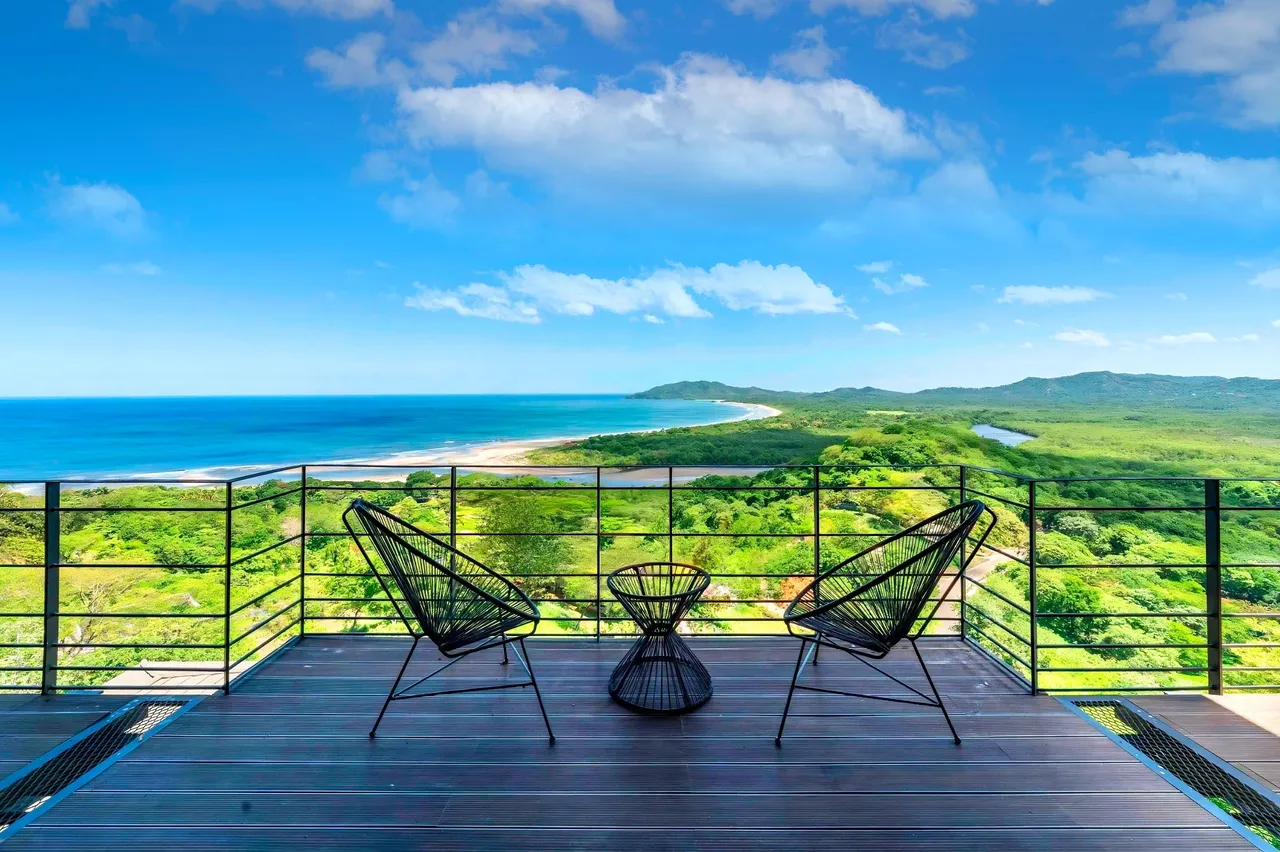
Considering a Central American getaway but can’t decide between Costa Rica and Panama? We’ve explored both countries extensively and understand your dilemma. These neighboring nations offer stunning beaches, lush rainforests, and vibrant cultures, yet each has its distinct charm and advantages.
Costa Rica boasts world-renowned eco-tourism and wildlife while Panama features the famous canal and a more developed infrastructure. Your perfect destination depends on what you’re looking for—adventure sports, retirement options, investment opportunities, or simply a relaxing vacation. What specific experiences are you hoping to find on your Central American journey?
When comparing destinations like Costa Rica and Panama, the biggest differences often show up in how the trip actually unfolds rather than just the highlights. We regularly see that factors like transportation reliability, ease of booking activities, and how accessible different regions are can shape the entire experience. While both countries offer incredible attractions, the day-to-day logistics often determine whether a trip feels smooth and enjoyable or overly complicated.
Understanding Costa Rica and Panama: Two Central American Gems
Costa Rica and Panama rest side by side in Central America, sharing borders yet offering distinctly different experiences to travelers. These neighboring countries both boast incredible natural beauty, diverse ecosystems, and rich cultural heritage, but each has developed its own unique character and attractions.
Costa Rica has established itself as an eco-tourism powerhouse with approximately 25% of its land protected in national parks and reserves. Its “Pura Vida” lifestyle emphasizes connection with nature, sustainability, and laid-back living. Visitors flock to Costa Rica for its volcanic landscapes, cloud forests like Monteverde, and pristine beaches along both the Pacific and Caribbean coasts.
Panama, on the other hand, balances natural wonders with urban sophistication. The iconic Panama Canal stands as an engineering marvel, attracting over 1 million visitors annually. Beyond the canal, Panama City offers a cosmopolitan atmosphere with modern skyscrapers alongside the colonial charm of Casco Viejo. The country’s Bocas del Toro archipelago and the San Blas Islands provide tropical escapes that rival any in the Caribbean.
What makes these destinations compelling? Both countries feature impressive biodiversity, with Costa Rica home to approximately 5% of the world’s species despite covering just 0.03% of the Earth’s surface. Panama serves as a crucial land bridge between North and South America, creating unique ecosystems where wildlife from both continents converge.
Climate patterns in these countries follow similar tropical rhythms, with distinct dry and rainy seasons, though Panama’s southern location means slightly warmer temperatures year-round. Both offer excellent infrastructure for tourists compared to many Central American neighbors, with Costa Rica’s tourism industry more developed in rural areas while Panama shines in urban amenities.

How do you picture your ideal Central American adventure? Are you drawn to Costa Rica’s eco-lodges nestled in rainforests or Panama’s blend of city life and island retreats? Understanding the distinctive character of each country helps travelers match their preferences with the right destination.
Geographic Comparison: Landscapes and Natural Features
Costa Rica and Panama share the narrow Central American isthmus but offer distinct geographic landscapes and natural features. Both countries pack remarkable diversity into relatively small areas, creating unique experiences for visitors exploring their territories.
Beaches and Coastlines
The coastlines of Costa Rica and Panama offer dramatically different beach experiences. Costa Rica’s Pacific coast features popular surfing destinations like Tamarindo and Santa Teresa, with consistent waves and golden sands stretching for miles. On its Caribbean side, places like Puerto Viejo showcase black sand beaches with a relaxed Afro-Caribbean vibe.
Panama’s coastlines provide more variety with over 1,500 miles of shoreline. The Pacific side hosts metropolitan beaches near Panama City, such as Playa Bonita and Playa Kobbe. Meanwhile, the Caribbean coast boasts the pristine San Blas archipelago with over 365 islands and coral-rich waters maintained by the indigenous Guna people. Bocas del Toro’s beaches offer crystal-clear turquoise waters perfect for snorkeling among colorful coral gardens.
What type of beach experience are you looking for in your Central American adventure? Panama generally offers more secluded options, while Costa Rica provides easier access to developed beach towns with comprehensive tourist infrastructure.
Mountains and Volcanoes
Costa Rica’s landscape is dominated by volcanic mountains, with 67 volcanic formations including five active volcanoes. The Arenal Volcano stands as the country’s most famous, creating a perfect cone shape rising 5,437 feet above sea level. The Cordillera de Talamanca mountain range harbors Costa Rica’s highest peak, Cerro Chirripó, reaching 12,533 feet and offering views of both the Pacific and Caribbean on clear days.
Panama’s mountain profile differs with the Continental Divide running through its center. Volcán Barú, Panama’s highest point at 11,401 feet, is the only volcano in the country. The Darién Gap presents a wild, mountainous region forming a natural barrier between Central and South America. Panama’s mountains tend to be less volcanic but create dramatic cloud forests in regions like Boquete, where the fertile volcanic soil supports coffee plantations.
Both countries offer excellent hiking opportunities, but Costa Rica’s volcanic landscapes provide more geothermal features like hot springs and mud baths. Panama’s mountains give visitors a chance to explore less-traveled paths with fewer tourists on the trails. Have you considered which mountain landscapes align with your adventure preferences?
Climate Differences: When to Visit Each Country
Wet and Dry Seasons
Costa Rica’s climate divides into two distinct seasons: the dry season (December to April) and the wet season (May to November). The dry season brings sunshine and minimal rainfall, making it ideal for beach activities and wildlife spotting. During these months, temperatures range from 70°F to 90°F depending on elevation. The wet season sees afternoon showers lasting 1-3 hours, with September and October experiencing the heaviest rainfall. These green months offer lush landscapes and fewer tourists.
Panama follows a similar pattern with dry months from December to April and rainy season from May to November. The capital region receives about 70 inches of annual rainfall, while the Caribbean coast can get up to 130 inches. Panama’s temperatures remain consistent year-round, averaging 75°F to 85°F in coastal areas. Unlike Costa Rica, Panama has microclimates where some regions, like the Azuero Peninsula, stay drier throughout the year.
Regional Climate Variations
Costa Rica’s climate varies dramatically across its seven provinces. The Central Valley, home to San José, maintains a pleasant “eternal spring” climate with temperatures between 65°F and 80°F year-round. The Pacific coast experiences higher temperatures averaging 80°F to 90°F with distinct wet and dry periods. The Caribbean coast has its own pattern, with drier conditions in September and October when the Pacific side faces its rainiest months.
Panama displays regional diversity with its narrower geography. Panama City and the Pacific coast follow the typical dry/wet seasonal pattern, while the mountainous regions like Boquete enjoy cooler temperatures averaging 60°F to 75°F. The Caribbean areas, including Bocas del Toro, receive rainfall throughout the year with brief sunny periods—a consideration for travelers seeking beach time. The San Blas Islands experience less rainfall than other Caribbean locations, with more predictable weather patterns.
Best Times to Visit
For Costa Rica, January through March offers the most reliable sunshine across most regions. These months coincide with the high tourist season, with accommodations often booked 3-6 months in advance. April and November serve as transition months with fewer crowds and lower prices—approximately 20-30% less than peak season. Wildlife enthusiasts might prefer the green season when nesting turtles arrive and the forests burst with life.
Panama’s prime visiting months also fall between December and April, with January and February providing the most consistent sunshine. The annual Carnival in February draws crowds to cities like Las Tablas and Panama City. Budget travelers can take advantage of the “shoulder seasons” in May and November when rain patterns haven’t fully established. For those heading to Bocas del Toro, March and September typically offer the best combination of good weather and smaller crowds, with hotel rates dropping by 15-25% compared to high season.
Packing Considerations
What should you pack for these tropical destinations? For Costa Rica, lightweight, quick-drying clothes work best in any season. During the dry months, sun protection becomes essential with SPF 30+ sunscreen, sunglasses, and wide-brimmed hats. In the wet season, add a packable rain jacket and waterproof bags for electronics. Hiking boots serve travelers well in both seasons, especially when exploring the 28 national parks.
Panama requires similar tropical attire, though city visitors need smarter clothing options for Panama City’s upscale restaurants and business districts. The temperature fluctuations in highland areas like Boquete necessitate light layers for morning and evening coolness. Beach destinations call for standard swimwear and cover-ups, while inland adventures require insect repellent with at least 20% DEET. How does your planned itinerary affect what belongs in your suitcase?
Cost of Living: Budget Considerations for Travelers and Expats
Daily Expenses in Costa Rica vs Panama
Daily expenses vary significantly between Costa Rica and Panama, impacting both short-term travelers and potential expats. Costa Rica generally carries a higher price tag for everyday costs. A typical meal at an inexpensive restaurant in Costa Rica averages $8-12, while Panama offers similar dining experiences for $6-10. Grocery shopping follows this pattern with Costa Rica’s prices approximately 15-20% higher than Panama’s.
Transportation costs show a similar disparity. Local bus fares in Costa Rica start around $1-2 per trip, while Panama’s efficient buses charge roughly $0.35-1.50. Taxis in Costa Rica typically use meters starting at $1-2 plus $1-1.50 per kilometer, whereas Panama’s taxis are negotiated upfront and often cost 30% less for comparable distances.
For travelers planning daily budgets, Panama stretches your dollar further. A comfortable daily budget (mid-range) in Costa Rica requires $75-100, while Panama offers equivalent experiences for $60-85. Are you a budget traveler looking to minimize expenses? You’ll find Panama’s cost advantage even more pronounced.
Housing and Accommodation Costs
Housing costs differ dramatically between these neighboring countries. Costa Rica’s tourism boom has driven up short-term accommodation prices significantly. Standard hotel rooms in popular Costa Rican destinations range from $80-150 per night, while comparable options in Panama average $60-120.
For long-term housing, the contrast becomes more apparent. Monthly rentals for a one-bedroom apartment in Costa Rican urban centers like San José average $500-700, with beach areas commanding $700-1,200. Panama City apartments of similar size typically cost $450-650, with beach properties available for $500-900 monthly.
Property purchase prices reflect this trend. A modest two-bedroom home in a desirable Costa Rican location starts around $150,000-250,000. Comparable properties in Panama often list for $120,000-200,000, representing savings of 15-25%. Have you considered which housing market might better fit your budget and lifestyle needs?
Healthcare and Insurance Expenses
Healthcare expenses represent another significant difference between the two countries. Costa Rica’s renowned healthcare system comes with relatively higher costs. Private doctor visits typically range from $50-80, while similar consultations in Panama average $35-60.
Both countries offer public healthcare systems accessible to residents. Costa Rica’s Caja Costarricense de Seguro Social (CCSS) requires monthly contributions of approximately 7-11% of declared income. Panama’s public health system costs residents significantly less, with contributions typically falling between 4-8% of declared income.
Private health insurance options exist in both countries. Annual premiums for comprehensive coverage in Costa Rica average $1,500-3,000 for healthy individuals in their 50s. Comparable coverage in Panama typically costs $1,200-2,500 annually, representing a 15-20% savings.
Tax Implications for Expats
Tax considerations play a crucial role for potential expats weighing Costa Rica against Panama. Costa Rica taxes residents on worldwide income, with rates ranging from 10-25%. Panama employs a territorial tax system, taxing only income earned within Panama’s borders.
This distinction creates significant advantages for retirees and digital nomads in Panama. Foreign-source income—including pensions, investment returns, and remote work for overseas companies—typically remains untaxed in Panama. Costa Rica’s taxation of worldwide income can substantially increase the cost of living for expats deriving income from external sources.
Property taxes also differ markedly. Costa Rica’s annual property taxes run approximately 0.25% of registered value. Panama’s property taxes follow a progressive structure, with exemptions for properties valued under $120,000 and rates of 0.5-0.7% for higher-valued properties.
Special Retirement Programs and Benefits
Both countries offer attractive retirement programs with significant cost-saving benefits. Costa Rica’s Pensionado program requires proof of at least $1,000 monthly income from a permanent source. This program provides tax exemptions on importing household goods and vehicles, plus discounts on healthcare, hotels, and various services.
Panama’s Pensionado program stands out with more generous benefits and lower income requirements. Retirees need only demonstrate $1,000 monthly income ($1,250 for a couple) to qualify. Benefits include substantial discounts: 50% off entertainment, 30% off public transportation, 25% off airline tickets, and 15% off hospital bills.
These retirement programs directly impact living costs. A couple living under Panama’s Pensionado program typically saves $200-400 monthly compared to equivalent living in Costa Rica. Which retirement program’s benefits would make the biggest difference in your monthly budget?
Tourism Experience: Popular Destinations and Activities
Costa Rica and Panama offer distinct tourism experiences that cater to different traveler preferences. Both countries boast impressive natural attractions and cultural sites that attract visitors from around the world.
Costa Rica’s Eco-Tourism Highlights
Costa Rica’s tourism scene revolves around its exceptional natural beauty and biodiversity. With over 25% of its land protected in national parks and reserves, the country provides countless opportunities for wildlife viewing and outdoor adventures. Visitors flock to Manuel Antonio National Park for its accessible rainforest trails and pristine beaches where monkeys and sloths are commonly spotted. Arenal Volcano National Park features dramatic volcanic landscapes, natural hot springs, and the impressive 70-meter La Fortuna waterfall.
Monteverde Cloud Forest Reserve stands out for its misty mountain ecosystems and hanging bridges that allow travelers to experience the canopy from above. The reserve houses more than 400 bird species, including the resplendent quetzal. For coastal experiences, Tamarindo and Jacó attract surfers of all levels with consistent waves, while Tortuguero National Park on the Caribbean coast offers turtle nesting tours during specific seasons.
Adventure activities in Costa Rica include:
- Ziplining through forest canopies in Monteverde
- Whitewater rafting on the Pacuare River
- Hiking to Rio Celeste’s turquoise waterfall
- Night tours to spot nocturnal wildlife
- Snorkeling or diving at Caño Island Biological Reserve
Costa Rica’s tourism infrastructure caters well to international visitors, with eco-lodges and sustainable accommodations integrated into natural settings. The country’s 900+ miles of coastline and more than 1,700 documented waterfalls provide endless opportunities for exploration and relaxation.
Panama’s Cultural and Historical Attractions
Panama’s tourism appeal combines rich history with natural wonders. The Panama Canal stands as the country’s most iconic attraction, drawing visitors to witness this engineering marvel in action at the Miraflores Locks Visitor Center. Panama City’s historic district, Casco Viejo, features beautifully preserved Spanish colonial architecture, colorful buildings, and cobblestone streets that earned it UNESCO World Heritage status.
The ruins of Panama Viejo offer glimpses into the original city founded in 1519 before pirate attacks led to its abandonment. For nature enthusiasts, Soberania National Park, just 30 minutes from Panama City, houses 525 bird species and numerous hiking trails through tropical forests. The archipelago of Bocas del Toro provides a Caribbean paradise with clear waters perfect for snorkeling, diving, and boat tours.
Popular activities in Panama include:
- Transit tours through the Panama Canal
- Exploring El Valle de Antón, a town built inside a volcanic crater
- Hiking the Sendero Los Quetzales trail near Boquete
- Island hopping in the San Blas archipelago
- Coffee plantation tours in the highlands
Panama’s tourism benefits from excellent infrastructure, particularly in Panama City, which offers a cosmopolitan atmosphere with luxury hotels, shopping, and dining. The country’s indigenous communities, particularly the Guna in San Blas and the Emberá in Chagres National Park, provide opportunities for cultural tourism where visitors can learn about traditional customs and crafts.
What experiences do you value most when traveling? Are you drawn to pristine nature and wildlife encounters, or do historical sites and cultural immersion appeal more to your travel style?
Safety and Infrastructure: Getting Around and Staying Secure
Transportation Options
Transportation networks vary significantly between Costa Rica and Panama. Costa Rica’s public transportation system relies heavily on buses with routes connecting major cities and tourist destinations. These buses range from $1-5 for local routes to $10-20 for longer journeys. Taxis operate throughout Costa Rica’s tourist areas with regulated fares starting around $1-2 per kilometer.
Panama offers more diverse transportation options. The Panama City Metro provides affordable transit at $0.35 per ride, making it Central America’s only metro system. Taxis in Panama start at lower rates (about $0.75 per kilometer) than in Costa Rica. Both countries offer rental cars, but Panama’s better road conditions make driving less challenging. A compact car rental averages $30-50 daily in both locations, though insurance costs vary.
For travelers exploring remote areas, Costa Rica’s 4×4 vehicles are often necessary during rainy season when unpaved roads become muddy and difficult to navigate. Panama’s major highways connecting cities like Panama City and David are well-maintained, reducing travel time between destinations.
Road Conditions & Infrastructure
Road infrastructure presents notable differences between these neighboring countries. Costa Rica’s road network includes approximately 5,000 miles of highways, but only 25% are paved. Rural areas frequently have pothole-filled dirt roads that become challenging during the rainy season, particularly around popular destinations like Monteverde and parts of the Osa Peninsula.
Panama boasts superior road infrastructure with about 40% of its 7,600-mile network paved. The Pan-American Highway stretches across Panama, providing a reliable route for travelers. Internet connectivity in Panama surpasses Costa Rica, with average speeds of 100 Mbps in urban areas compared to Costa Rica’s 50 Mbps. Panama City offers fiber optic connections and extensive 5G coverage.
Water and electricity reliability favors Panama, where outages are less common. Costa Rica experiences more frequent power interruptions, especially in rural areas during storms. Both countries have improved their infrastructure in recent years, but Panama’s investments in modern facilities give it a clear advantage.
Crime Rates & Tourist Safety
Safety concerns differ between Costa Rica and Panama in several key aspects. Costa Rica records higher petty theft rates in tourist areas, particularly in San José and popular beach towns like Tamarindo and Jacó. According to recent statistics, tourists experience approximately 6,000 reported thefts annually in Costa Rica.
Panama shows lower tourist-targeted crime rates, especially outside Panama City. The Global Peace Index ranks Panama slightly higher than Costa Rica, indicating better overall safety conditions. Both countries experience minimal violent crime against tourists, though property crimes remain the primary concern.
Common safety precautions in both destinations include:
- Avoiding displays of expensive electronics or jewelry
- Using hotel safes for passports and valuables
- Sticking to well-lit areas after dark
- Taking official taxis rather than unmarked vehicles
- Keeping photocopies of important documents
Panama’s police presence is more visible in tourist zones, with dedicated tourism police units in major destinations. Costa Rica’s rural areas sometimes have limited police resources, though popular tourist destinations maintain security personnel.
Healthcare Access
Healthcare accessibility varies between these destinations. Costa Rica’s healthcare system ranks among Latin America’s best, with public hospitals in most major cities and private facilities offering high standards of care. International hospitals like CIMA and Clínica Bíblica in San José provide English-speaking staff and modern equipment comparable to U.S. standards.
Panama’s healthcare concentrates in Panama City, where Hospital Punta Pacífica and other private facilities offer excellent care. Rural areas in both countries have limited medical resources, though Costa Rica’s network of local clinics (EBAIS) provides better coverage in remote regions.
Travel insurance costs are similar for both destinations, averaging $50-150 per week depending on coverage. For travelers with pre-existing conditions, Costa Rica’s more distributed healthcare network may provide greater peace of mind, particularly for adventures in remote areas. Both countries stock pharmacies with common medications, many available without prescriptions.
Have you considered how important healthcare access is for your Central American travel plans? Factoring in these safety and infrastructure differences will help you determine whether Costa Rica or Panama better suits your comfort level and travel style.
Expat Life: Residency Options and Retirement Benefits
Residency Programs Comparison
Costa Rica and Panama offer attractive residency programs for foreign nationals seeking to relocate. Costa Rica’s Rentista program requires proof of $2,500 monthly income for at least two years, while the Pensionado program asks for $1,000 monthly pension income. Panama’s Friendly Nations Visa requires only a $5,000 bank deposit plus property purchase or business investment, making it more accessible for younger expats. The Panamanian Pensionado program needs just $1,000 in monthly retirement income, similar to Costa Rica but with more substantial benefits.
Application processes differ significantly between countries. Costa Rica’s residency application typically takes 12-15 months to process, with requirements for extensive documentation including background checks, birth certificates, and marriage certificates—all apostilled. Panama’s process moves faster, often completed within 4-6 months, with similar documentation requirements but more efficient processing systems.
Retirement Benefits
Panama’s Pensionado program outshines Costa Rica’s retirement options with its comprehensive discount system. Retirees in Panama enjoy 50% off entertainment, 30% off public transportation, 25% off utility bills, and 20% off medical services. These discounts apply regardless of age once you qualify for the program. Panama also exempts retirees from import taxes on household goods and offers a one-time tax exemption for importing a vehicle.
Costa Rica’s retirement benefits are more modest. While the country offers access to the Caja Costarricense de Seguro Social (CCSS) healthcare system, retirees don’t receive the extensive discounts found in Panama. Costa Rica does provide property tax exemptions on primary residences and import tax exemptions for household goods, but these benefits are less comprehensive than Panama’s offerings.
Healthcare Access for Expats
Healthcare access varies significantly between these countries for foreign residents. Costa Rica requires all residents to join the public CCSS system, costing approximately 7-11% of declared income. This provides access to comprehensive healthcare at public facilities, though many expats supplement with private insurance for faster service and specialized care. Private healthcare in Costa Rica costs about 50-70% less than U.S. prices, with doctor visits typically ranging from $50-80.
Panama offers two main options for expats. The public system costs roughly $90-100 monthly for comprehensive coverage regardless of age. Private insurance is widely available and typically more affordable than in Costa Rica, with premiums for healthy individuals in their 60s starting around $100-150 monthly. Panama City hosts several JCI-accredited hospitals with English-speaking staff, making healthcare navigation easier for non-Spanish speakers.
Quality of Life Factors
Daily life comforts differ between Costa Rica and Panama in several key aspects. Panama offers more reliable utilities, with fewer power outages and better internet connectivity, especially in urban areas where fiber optic internet reaches speeds up to 500 Mbps. Costa Rica struggles with infrastructure in remote areas, where power interruptions occur more frequently and internet speeds average 25-50 Mbps.
Banking and financial services are more developed in Panama, where the dollarized economy eliminates currency exchange concerns. Panama’s international banking center provides sophisticated services with English-speaking staff. Costa Rica uses the colón as currency, requiring expats to manage exchange rates, and banking services are less internationally oriented.
Housing quality varies by region in both countries. Panama offers modern condos in Panama City starting around $150,000, while comparable properties in San José, Costa Rica might cost $180,000-220,000. Rural properties in Panama’s Chiriquí province average 15-20% less than similar properties in Costa Rica’s popular expat regions like the Central Valley.
Social Integration and Expat Communities
Both countries host thriving expat communities, but with different characteristics. Costa Rica’s expat scene centers around towns like Tamarindo, Jacó, and San José, with an estimated 70,000 American residents. These communities tend to blend ecotourism enthusiasts, digital nomads, and retirees, creating diverse social groups united by environmental consciousness and outdoor activities.
Panama’s expat communities concentrate in Panama City, Boquete, and Coronado, with approximately 20,000 American residents. The demographics skew more toward retirees and business professionals. Panama City offers a cosmopolitan lifestyle with international restaurants and cultural events, while Boquete provides a mountain retreat popular with North American retirees.
Language barriers affect social integration differently. While Spanish is the official language in both countries, English proficiency is more widespread in Panama, particularly in business and tourist areas. Costa Rica’s tourism industry ensures English is widely spoken in popular destinations, but daily interactions in rural areas require more Spanish language skills in both countries.
Wildlife and Biodiversity: Natural Wonders Compared
National Parks and Protected Areas
Costa Rica’s commitment to conservation shines through its extensive system of national parks and protected areas. Approximately 25% of the country’s territory is protected, creating havens for wildlife and preserving crucial ecosystems. These protected zones range from volcanic landscapes to cloud forests and coastal environments, each harboring distinct species. Manuel Antonio National Park exemplifies this dedication, packing remarkable biodiversity into its compact borders while offering accessible wildlife viewing opportunities.
Panama responds with its own impressive conservation efforts. The country features diverse protected areas including Soberania National Park, where researchers regularly document record numbers of bird species. Panama’s conservation approach connects North and South America through the Mesoamerican Biological Corridor, providing crucial migratory routes for countless species. How might these different conservation strategies impact your travel experience? The answer often depends on accessibility preferences and specific wildlife interests.
Iconic Wildlife Species
Costa Rica’s wildlife viewing opportunities are legendary among nature enthusiasts. The country hosts approximately 5% of the world’s biodiversity despite covering just 0.03% of Earth’s surface. Travelers regularly encounter sloths, howler monkeys, scarlet macaws, and resplendent quetzals during even brief visits. Marine environments add another dimension with opportunities to witness sea turtles nesting on beaches or humpback whales migrating along the Pacific coast.
Panama’s wildlife offers equally compelling encounters with a distinctive Mesoamerican-South American blend. The harpy eagle, Panama’s national bird and one of the world’s largest eagles, symbolizes the country’s wild spaces. Darien National Park harbors jaguars, tapirs, and numerous monkey species in its remote reaches. Marine diversity flourishes around Coiba National Park and the Bocas del Toro archipelago, where coral reefs support vibrant underwater communities. Have you considered which specific wildlife experiences top your bucket list?
Marine Ecosystems
Costa Rica’s dual coastlines create remarkable marine diversity. The Pacific side features dramatic rock formations, powerful surf breaks, and seasonal gatherings of marine life. Visitors to the Osa Peninsula might witness thousands of dolphins in superpods or catch glimpses of passing whale sharks. The Caribbean coast offers calmer waters with extensive coral systems, particularly around Cahuita National Park, where over 35 coral species create habitat for countless marine creatures.
Panama’s marine environments benefit from less tourism pressure while offering exceptional biodiversity. The country’s 1,500+ miles of coastline include the pristine San Blas archipelago with vibrant coral reefs and crystal-clear waters. Coiba National Park, sometimes called the “Galapagos of Panama,” provides protected habitat for numerous shark species, rays, and giant schools of pelagic fish. Both countries deliver world-class diving and snorkeling, but Panama typically offers more secluded experiences away from crowds.
Conservation Initiatives and Ecotourism
Costa Rica pioneered ecotourism decades ago, developing a model that balances conservation with sustainable visitation. The country implemented innovative programs like Payments for Environmental Services, which compensates landowners for preserving forests. With over 900 miles of coastline and more than 1,700 documented waterfalls, Costa Rica offers natural splendor that draws conservation-minded travelers. Many lodges and tour operators follow strict sustainability guidelines, minimizing environmental impact while maximizing authentic nature experiences.
Panama’s conservation approach continues to evolve, with growing emphasis on community involvement and sustainable development. The country leverages its strategic position as a land bridge between continents to protect crucial migration corridors. Ecotourism infrastructure varies widely, from sophisticated operations in popular destinations to community-based initiatives in remote areas. While generally less developed than Costa Rica’s mature ecotourism industry, Panama’s offerings frequently provide more authentic connections with local communities engaged in conservation.
Cultural Landscape: Language, Food, and Local Customs
Language and Communication
Both Costa Rica and Panama use Spanish as their official language, but the linguistic experience differs significantly between these countries. In Costa Rica, locals speak a clear, neutral Spanish that’s easier for beginners to understand, with “pura vida” serving as the quintessential phrase heard throughout the country. Most Costa Ricans in tourist areas speak at least basic English, especially in popular destinations like Manuel Antonio and Tamarindo.
Panama presents a more varied linguistic landscape, with Spanish featuring Caribbean influences and faster delivery in many regions. English proficiency is surprisingly widespread in Panama City and other tourist zones due to the long-standing American influence from the Canal Zone era. About 14% of Panamanians speak fluent English, compared to approximately 8% in Costa Rica.
Indigenous languages add another dimension to both countries’ cultural tapestries. Costa Rica has preserved several native languages including Bribri and Maleku, while Panama maintains seven indigenous languages, with Ngäbere and Kuna being the most prevalent.
Culinary Traditions
Costa Rican cuisine centers around simple, wholesome ingredients with the national dish “gallo pinto” (rice and beans) forming the foundation of most meals. Other popular dishes include:
- Casado: A plate combining rice, beans, plantains, salad, and protein
- Patacones: Fried plantain slices served as appetizers
- Tres leches cake: A sponge cake soaked in three types of milk
Panamanian food offers more diverse flavors with stronger Caribbean and African influences. Signature dishes include:
- Sancocho: A hearty chicken stew with root vegetables and herbs
- Ceviche: Fresh seafood marinated in lime juice
- Ropa vieja: Shredded beef cooked with tomatoes and spices
The coffee culture differs noticeably between these neighboring countries. Costa Rica has built its reputation on high-quality arabica beans, with coffee plantations serving as popular tourist attractions. Panama’s coffee scene has exploded in recent years, particularly with the award-winning Geisha variety from the Boquete region, which sells for up to $1,000 per pound.
Festivals and Celebrations
The calendar year in both countries features vibrant celebrations that showcase their distinct cultural identities. Costa Rica’s festival highlights include:
- Palmares Festival (January): Two weeks of horseback parades, concerts, and fairgrounds
- Día de los Boyeros (March): Celebrating the traditional oxcart drivers
- Independence Day (September 15): Featuring lantern parades and patriotic celebrations
Panama’s festival scene reflects its more diverse cultural influences:
- Carnival (February/March): Four days of elaborate parades and street parties, especially in Las Tablas
- Festival de Cristo Negro (October): Religious celebration centered around the Black Christ of Portobelo
- Panama Jazz Festival (January): International music event showcasing Panama’s rich musical heritage
Indigenous and Colonial Influences
The blend of indigenous and colonial heritage shapes daily life differently in each country. Costa Rica’s indigenous population represents about 2.4% of citizens, with most communities maintaining traditional practices in remote areas of the Talamanca Mountains.
Panama has a more visible indigenous presence, with 12.3% of the population belonging to native groups. The Guna people of the San Blas islands maintain significant autonomy and preserve traditional dress, crafts, and social structures. Their colorful molas (textile art) have become internationally recognized.
Colonial architecture tells different stories in each country. Costa Rica’s colonial buildings are modest, reflecting its historically less strategic position in the Spanish Empire. Panama’s colonial quarter of Casco Viejo displays more ornate Spanish architecture, with restored buildings housing trendy restaurants and boutiques.
Local Etiquette and Social Customs
How do social interactions differ between these neighboring countries? In Costa Rica, the relaxed “pura vida” philosophy extends to social customs, with punctuality being somewhat flexible and a generally informal approach to gatherings. Ticos (Costa Ricans) tend to be warm but somewhat reserved initially.
Panamanians typically maintain more formal social codes, especially in business settings. The urban-rural divide is pronounced, with Panama City residents adopting cosmopolitan attitudes while rural communities preserve traditional values. Personal space is respected differently, with Panamanians typically standing closer during conversations than Costa Ricans.
Tipping practices vary, with Costa Rica including a 10% service charge in restaurant bills while Panama generally expects 10-15% tips. These small differences in social expectations can significantly impact visitors’ experiences in each country.
Conclusion
Both Costa Rica and Panama offer incredible experiences for travelers and expats alike with their natural beauty and welcoming cultures. While Costa Rica excels in eco-tourism with its extensive national parks and “Pura Vida” lifestyle, Panama stands out with its modern infrastructure, favorable tax benefits, and cultural diversity.
We’ve seen that your perfect destination depends on what you’re seeking. Choose Costa Rica for unparalleled wildlife encounters and sustainable tourism. Opt for Panama if you’re drawn to a blend of cosmopolitan living and untouched island paradises.
Whether you’re planning a vacation or considering a permanent move, both countries deliver unique Central American experiences that will leave you enchanted. The choice ultimately comes down to your personal priorities regarding cost, lifestyle, and the adventures you wish to pursue.
Frequently Asked Questions
Which country is better for eco-tourism, Costa Rica or Panama?
Costa Rica has the edge for eco-tourism with approximately 25% of its land protected in national parks and reserves. Its well-established infrastructure for wildlife viewing, hiking trails, and conservation initiatives makes it a premier destination for nature enthusiasts. While Panama offers impressive biodiversity too, Costa Rica’s “Pura Vida” lifestyle and commitment to sustainability have created a more comprehensive eco-tourism experience.
What are the cost differences between Costa Rica and Panama?
Panama is generally more affordable than Costa Rica. Daily expenses, housing, and healthcare costs are lower in Panama, which also offers a more favorable tax system for expats. Costa Rica has seen rising prices due to its popularity with tourists and expats. Transportation costs are also cheaper in Panama, with more diverse and developed infrastructure options available.
Which country is easier to retire in?
Panama offers more generous retirement benefits and an easier process for obtaining residency. Its Pensionado program provides substantial discounts on various services and has fewer requirements than Costa Rica’s retirement program. The residency application process is quicker in Panama, often taking 3-6 months compared to Costa Rica’s 12+ months, making Panama the more accessible option for retirees.
When is the best time to visit these countries?
The optimal time to visit both countries is during their dry seasons. For Costa Rica, this is December through April, with January and February being peak months. Panama’s dry season runs from mid-December to mid-April, with ideal conditions in February and March. Both countries have regional climate variations, with the Caribbean sides receiving more rainfall year-round than Pacific coasts.
Is English widely spoken in Costa Rica and Panama?
Neither country has English as an official language, but it’s more prevalent in tourist areas of both nations. Panama has a higher percentage of English speakers, especially in Panama City and areas influenced by the former Canal Zone. Costa Rica’s Spanish is considered clearer for beginners to understand, while Panama’s Spanish has distinct Caribbean influences and regional variations.
Which country offers better beaches?
Both countries feature stunning beaches, but they offer different experiences. Costa Rica’s beaches are known for surfing opportunities and wildlife viewing, with popular spots like Manuel Antonio and Tamarindo. Panama’s coastlines include the pristine San Blas Islands, the Bocas del Toro archipelago, and less crowded Pacific beaches. Panama generally offers more secluded beach experiences compared to Costa Rica’s more developed coastal areas.
How do the safety levels compare between Costa Rica and Panama?
Both countries are considered relatively safe for Central America, but have areas to avoid. Panama City has higher urban crime rates than San José, but Panama’s overall infrastructure and police presence may give travelers more security. Rural areas in both countries are generally safe, though standard precautions against petty theft are recommended. Neither country has significant violent crime targeting tourists.
What unique cultural experiences does each country offer?
Costa Rica offers the “Pura Vida” lifestyle, with festivals like Palmares and a culture focused on nature and sustainability. Panama features a more cosmopolitan experience with stronger Caribbean and African influences, celebrating vibrant events like Carnival and the Panama Jazz Festival. Panama also has more visible indigenous cultures and colonial heritage, especially in areas like Casco Viejo and indigenous territories.