
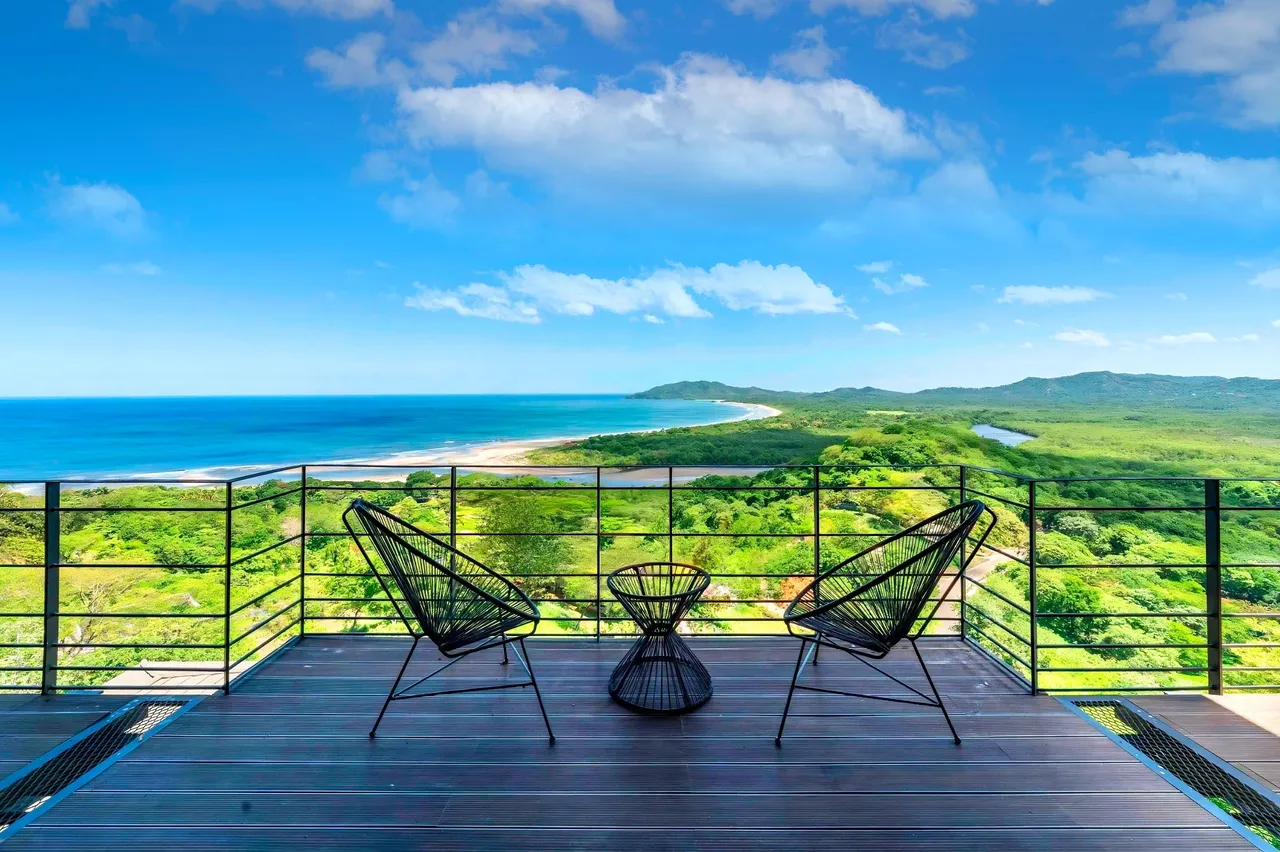
Every year, Costa Rica’s coastline transforms into a breathtaking stage for one of nature’s most remarkable events—turtle nesting season. Picture waking up to the soothing sounds of the ocean and witnessing sea turtles making their way to sandy shores, all from the comfort of a luxurious villa. Have you ever wondered what it feels like to be surrounded by both natural beauty and modern comfort while experiencing this spectacle?
We know how important it is to find a place that lets you relax and truly connect with nature. With over 900 miles of coastline and more than 1,700 waterfalls, Costa Rica offers a paradise for those who crave adventure and tranquility. Are you ready to discover a villa experience where every room offers sweeping mountain and ocean views, giving you a front-row seat to the wonders of turtle nesting season?
Understanding Costa Rica’s Turtle Nesting Season
Turtle nesting season in Costa Rica occurs along the Pacific and Caribbean coasts each year. From July through December, thousands of sea turtles arrive on the beaches to lay their eggs. This natural wonder draws travelers from all over who hope to witness hatching events or nesting mothers. Have you ever pictured yourself watching sea turtles by moonlight, the gentle sounds of the ocean as your backdrop?
Five turtle species visit Costa Rican shores, including olive ridley, leatherback, hawksbill, loggerhead, and green turtles. For example, mass nesting events, called arribadas, happen most frequently with olive ridley turtles at sites like Playa Ostional and Playa Nancite. These events can feature tens of thousands of turtles nesting together over several days, creating memorable scenes for visitors.
Many guests wonder how to best experience turtle nesting while respecting nature. Conservation efforts help balance tourism and wildlife protection, and local guides share insight into turtle behaviors and habitats. Are you interested in learning how your visit can contribute positively to sea turtle conservation?
Turtle nesting season aligns with Costa Rica’s lush “green season.” Villas overlooking the ocean or mountains provide peaceful settings for observing nature’s rhythms. The sound of waves, mountain breezes, and breathtaking vistas combine with the opportunity to watch turtles nesting nearby. This blend of comfort and connection to the environment creates opportunities to experience Costa Rica’s wildlife in meaningful ways.
Why Stay in a Villa During Nesting Season?
Staying in a villa during turtle nesting season allows us to immerse ourselves in Costa Rica’s natural beauty. Private villas offer space and comfort while keeping us close to the beaches where sea turtles return year after year. With options like secluded terraces and infinity pools, we enjoy a peaceful retreat after evenings spent at the shore watching nesting turtles. How often do we get the chance to witness such rare wildlife events from the privacy of inviting accommodations?
Villas elevate the experience by giving us direct access to panoramic views. Imagine sipping coffee as the sun rises over lush mountains or unwinding after a nesting tour with ocean breezes in the background. Our group can relax together, enjoying both privacy and time spent with loved ones. For families or friends, does anything sound better than gathering in a space that blends comfort with Costa Rica’s wild scenery?
Each villa is designed with materials that reflect the local landscape, helping us feel connected to the surrounding nature. Spaces flow easily between indoors and out, so we never feel confined. Many villas also sit within short drives of protected nesting areas and conservation zones. This means less time in transit and more time experiencing awe-inspiring moments.
For visitors hoping for quiet reflection or undisturbed sleep after late-night turtle tours, villas maintain a peaceful environment. There’s no competition for crowded hospitality spaces—just the calm of a personal sanctuary. Have you ever wished for a retreat where you could truly feel at peace while being part of something extraordinary?
Villas often support eco-friendly operations, aligning with conservation values. Staying here lets us embrace sustainability while appreciating Costa Rica’s vibrant ecosystem. Every element, from the pool to the terrace, harmonizes with our desire to respect nature and witness the wonders of nesting season up close.
Top Locations for Turtle Nesting Season Villas
Costa Rica’s vast coastline creates many options for witnessing turtle nesting in comfort. What’s most important to you—direct beach access, mountain views, or a quiet retreat? Let’s explore where you’ll find the finest villas close to turtle nesting action.
Popular Beaches for Turtle Watching
- Playa Ostional: Olive ridley turtles arrive in huge numbers from August through December. Villas near Playa Ostional put guests close to “arribadas,” when thousands of turtles nest at once.
- Playa Grande: Leatherback turtles nest here from October through February. Staying near Playa Grande means easy access to guided evening walks and conservation programs.
- Playa Hermosa: This quiet beach hosts olive ridley and, occasionally, green turtles from July to December. Villas here offer peace while being minutes from the nesting sites.
- Tortuguero Beach: On the Caribbean coast, this area supports green, hawksbill, and leatherback turtles from March through October. Villas near Tortuguero let guests enjoy river views and guided tours by boat.
- Playa Nancite: Known for some of the world’s largest olive ridley arribadas, few villas offer closer proximity to untouched wildlife. Permits are limited, supporting turtle conservation.
Have you dreamed of walking steps from your villa to witness sea turtles laying eggs under the stars?
Nearby Attractions and Activities
- Waterfalls: Over 1,700 documented waterfalls provide quiet picnic spots and swimming opportunities close to coastal villas.
- Rainforest hikes: Trails around turtle nesting beaches lead through rainforest, offering chances to spot toucans or monkeys in their natural habitat.
- Surfing and paddleboarding: Well-known surf breaks and calm bays near beaches like Tamarindo and Hermosa make it easy to try new water sports before or after turtle-watching.
- Wildlife watching: Mangrove tours, birdwatching excursions, and sloth encounters await in coastal reserves near major nesting beaches.
- Cultural sites: Markets and local communities in towns like Tamarindo give a glimpse into Costa Rican traditions and crafts.
How would you fill your days between turtle nesting experiences—exploring waterfalls, surfing, or sampling fresh local dishes?
By choosing a villa near these locations, we stay close to the marvels of nature and find relaxation between every adventure.
Choosing the Right Villa for Your Stay
Choosing the right villa shapes every moment of your turtle nesting season experience in Costa Rica. Are you hoping for stunning ocean views, or is privacy by the mountains more your style?
Key Features to Look For
Selecting a villa that supports relaxation and easy access to nesting beaches matters most. Spacious bedrooms, for example, let families or friends unwind comfortably after nighttime turtle sightings. Infinity pools allow us to soak in the scenery before or after beach walks, reflecting both the ocean and the lush landscape. Private terraces give us quiet places to watch sunrises or sunsets. Large windows and open layouts blend indoor comfort with the outdoors, letting natural light fill the space and making it simple to spot wildlife at any time. Villas built with locally sourced materials often feel more connected to the surrounding environment.
Thoughtful amenities set the tone for a restful stay. Look for villas offering privacy, modern kitchens, reliable Wi-Fi, and easy access to local attractions. Some provide guided nature tours or connections to conservation experiences for guests who want to learn more about turtle nesting. Proximity to the beach means we spend less time commuting and more time immersed in the rhythms of coastal life.
Booking Tips and Considerations
Several factors help us pick the best villa for turtle nesting season. Would you prefer a location steps from the sand or a quiet hillside retreat with panoramic vistas? Choosing travel dates between July and December increases the chance to witness nesting events, as this is prime turtle season. Booking early, especially for high-demand weeks, secures preferred accommodations.
Checking villa reviews can reveal how past guests experienced nesting season. We should also see if the villa has eco-friendly certifications or support for local conservation. Ask about security, as some beaches require special permits or guides to visit at night for turtle watching.
Being flexible helps when setting expectations. Turtles nest at their own pace, and nature doesn’t always follow our schedules. Working with local guides enhances our chances and adds depth to the experience. What features or details matter most to you for a restful and memorable stay during Costa Rica’s turtle nesting season?
Responsible Tourism During Turtle Nesting
Respectful tourism during turtle nesting season safeguards both wildlife and the visitor experience. Sensitive beach access is crucial, especially between July and December, when sea turtles nest. Guided tours help us learn about turtle behavior while experts share ways to minimize our footprints. What questions do you have about interacting with these remarkable animals or their nesting grounds?
Nighttime beach visits require extra care. Following guidance on quiet observation and using red-filtered lights protects hatchlings and nesting mothers. Small, supervised groups reduce disruptions. Responsible visitors keep a respectful distance and avoid using flash photography, which can disorient turtles.
Supporting local conservation efforts makes a real difference. Donations, volunteering, and participation in community programs directly benefit the protection of nests and hatchlings. Do you seek advice on how to contribute further or want to discover hands-on conservation opportunities near your villa?
Proper waste management around villas and beaches is vital. Secure trash bins, reusable water bottles, and respect for posted warnings help reduce risks to wildlife. Are you curious how your villa can play a part in protecting turtle habitats?
Choosing villas that prioritize sustainable practices further supports preservation. Solar power, native landscaping, and water-saving systems all contribute. Properties that work closely with conservation groups often share updates or host educational events, inviting us to better understand local ecosystems. Let’s consider together how our actions—big or small—can positively impact Costa Rica’s cherished sea turtles.
Conclusion
Choosing a villa for turtle nesting season in Costa Rica lets us embrace the magic of nature while enjoying comfort and privacy. We get the rare chance to witness one of the world’s most incredible wildlife events right at our doorstep.
By supporting sustainable villas and local conservation efforts, we help protect these ancient creatures for future generations. Let’s make our next getaway meaningful by experiencing the wonder of turtle nesting season in a way that honors both the environment and our sense of adventure.
Frequently Asked Questions
When is turtle nesting season in Costa Rica?
Turtle nesting season in Costa Rica typically runs from July through December. This is when thousands of sea turtles come ashore along both the Pacific and Caribbean coasts to lay their eggs.
What species of sea turtles nest in Costa Rica?
Five main species nest in Costa Rica: olive ridley, leatherback, hawksbill, loggerhead, and green turtles. Olive ridleys are famous for their mass nesting events, or arribadas, especially at Playa Ostional and Playa Nancite.
What are the best places to see turtle nesting in Costa Rica?
Top locations for witnessing sea turtle nesting include Playa Ostional, Playa Grande, Playa Hermosa, Tortuguero Beach, and Playa Nancite. These spots offer unique experiences and have nearby villas for comfortable stays.
Can I watch turtles nest from a villa?
Many villas in Costa Rica are located near protected nesting beaches, offering easy access to watch turtles nest. Some even have ocean views or private terraces, making it possible to observe nature up close in comfort.
How can I observe turtles without disturbing them?
Respect nesting turtles by keeping quiet, using red-filtered lights at night, and avoiding flash photography. Always follow local guides’ instructions and stay at a safe distance to protect the turtles and their habitats.
Are there eco-friendly villas near turtle nesting sites?
Yes, many villas near nesting beaches prioritize sustainability. Look for accommodations using solar power, water-saving systems, and native landscaping to support conservation efforts during your stay.
What activities can I do besides watching turtles?
Besides turtle nesting, visitors can explore waterfalls, hike rainforests, surf, go wildlife watching, and visit local cultural sites. Staying in a villa allows easy access to these attractions while enjoying tranquility and scenic views.
How can I support turtle conservation while visiting?
Support turtle conservation by joining guided tours, donating to local projects, participating in volunteer programs, and managing your waste properly. Choosing eco-friendly accommodations also helps protect these incredible creatures.
Is it safe to visit the beaches at night during nesting season?
Yes, but always go with a certified guide who understands turtle behavior. Nighttime visits are the best for seeing nesting turtles, but proper guidance ensures you stay safe and avoid disturbing the animals.
Why choose a villa for turtle nesting season?
Villas provide comfort, privacy, and direct access to nature, making them ideal for relaxing after turtle-watching experiences. Many are eco-friendly, feature stunning views, and are close to top nesting beaches, enhancing your Costa Rica adventure.