
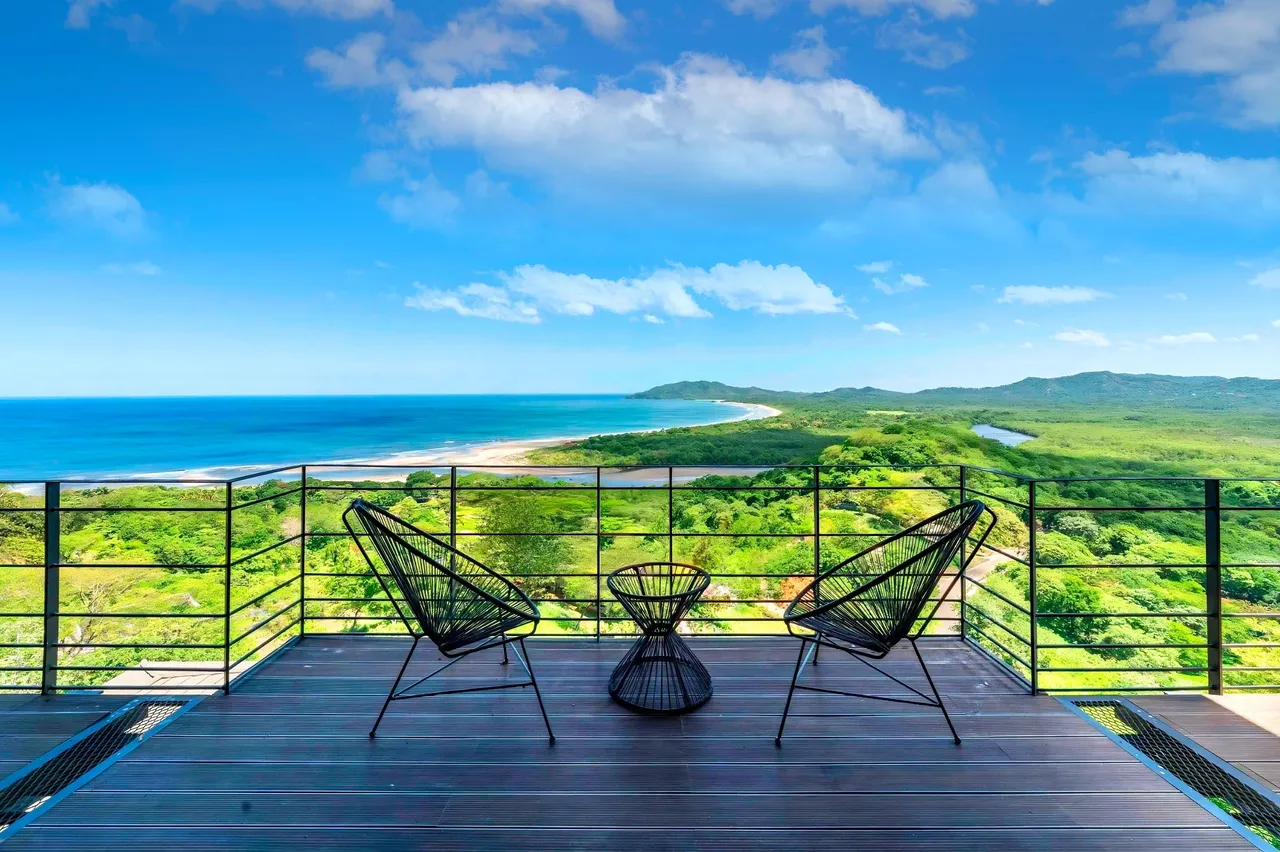
Costa Rica’s breathtaking coastline stretches over 900 miles, offering some of the most spectacular ocean views you’ll find anywhere in the world. We’re lucky to have discovered hidden gems where the mountains meet the sea, creating picture-perfect vistas that’ll take your breath away.
Looking for that perfect blend of natural beauty and comfort? Costa Rica delivers with over 1,700 documented waterfalls and endless stretches of pristine coastline. Whether you’re sipping your morning coffee or relaxing in a living room, imagine having unobstructed views of the Pacific Ocean from every angle. Have you ever dreamed of waking up to the sound of waves while surrounded by exotic landscapes?
Most Popular Ocean View Destinations in Costa Rica
Costa Rica’s Pacific and Caribbean coastlines offer spectacular ocean vistas from elevated locations that combine pristine beaches with lush tropical forests. These destinations provide panoramic views of crystal-clear waters meeting white-sand shores.
Manuel Antonio National Park Viewpoints
Manuel Antonio National Park presents elevated hiking trails with ocean views spanning across three pristine beaches: Espadilla Sur, Manuel Antonio, and Playa Escondida. The Cathedral Point Trail rises 328 feet above sea level, creating optimal spots for morning wildlife viewing and sunset photography. Visitors access stunning vantage points along the park’s coastal cliffs where sloths, monkeys and tropical birds frequent the surrounding canopy.
Tamarindo Beach Overlooks
Tamarindo’s hillside locations deliver unobstructed Pacific Ocean panoramas from multiple elevations. The area features luxury villas positioned 200-500 feet above sea level, each offering private infinity pools that blend seamlessly with ocean horizons. Visitors spot migrating whales from these vantage points during December through April while enjoying views of surfers catching waves at nearby breaks. The overlooks provide clear sightlines to Tamarindo Beach’s 1.5-mile crescent shoreline and Playa Grande’s nesting grounds for leatherback turtles.
| Destination Feature | Manuel Antonio | Tamarindo |
|---|---|---|
| Elevation Range | 328 feet | 200-500 feet |
| Viewing Distance | 3 beaches | 1.5-mile shoreline |
| Best Viewing Time | Sunrise/Sunset | December-April |
| Wildlife Spotting | Sloths, Monkeys | Whales, Turtles |
Luxury Hotels With Stunning Pacific Views
Costa Rica’s Pacific coast features exclusive luxury resorts that combine ocean vistas with high-end amenities. These elevated properties offer panoramic views of the coastline while maintaining harmony with the natural surroundings.
Four Seasons Resort Peninsula Papagayo
Nestled on a hillside peninsula, this resort commands 180-degree views of the Pacific Ocean from an elevation of 300 feet. The property integrates three private beaches with walkable trails connecting 182 rooms facing the water. Guest accommodations include:
- Private terraces with plunge pools overlooking the bay
- Floor-to-ceiling windows in oceanfront suites
- Elevated dining platforms positioned for sunset views
- Infinity pools merging visually with the ocean horizon
Andaz Costa Rica Resort
Located at 400 feet above sea level, this mountain resort maximizes its elevated position with tiered architecture facing the Pacific. The property features:
- Individual villa pools blending with ocean vistas
- Private balconies offering unobstructed water views
- Three infinity-edge pools at different elevations
- Natural stone and wood elements reflecting the landscape
| Resort Feature | Four Seasons | Andaz |
|---|---|---|
| Elevation (ft) | 300 | 400 |
| Ocean View Rooms | 182 | 153 |
| Private Pools | 28 | 21 |
| Beach Access Points | 3 | 2 |
Both properties incorporate local materials into their design to maintain harmony with Costa Rica’s tropical setting. The elevated positioning provides optimal vantage points for spotting marine life including whales dolphins turtles during migration seasons.
Hidden Coastal Gems Along the Caribbean Side
The Caribbean coast of Costa Rica reveals secluded viewpoints where pristine beaches meet dense rainforest. These lesser-known locations offer intimate ocean vistas away from crowded tourist spots.
Puerto Viejo Scenic Points
Puerto Viejo’s elevated trails provide panoramic views across the Caribbean Sea from heights of 150-300 feet. Punta Uva features three observation decks positioned strategically along the coastline, offering views of coral reefs during low tide. The Cocles Viewpoint rises 250 feet above sea level, displaying a 180-degree vista of black sand beaches bordered by almond trees. Visitors spot dolphins from these vantage points between July and October.
| Viewpoint | Elevation | Best Viewing Time | Key Features |
|---|---|---|---|
| Punta Uva | 150 ft | Early morning | Coral reefs visible |
| Cocles | 250 ft | Sunset | Black sand beaches |
| Playa Negra | 300 ft | Midday | Dolphin watching |
Manzanillo Lookout
Manzanillo’s coastal trail climbs to 400 feet, presenting views of the Gandoca-Manzanillo Wildlife Refuge. The main observation platform overlooks three distinct bays:
- North Bay: Features white sand beaches with nesting sites for hawksbill turtles
- Central Cove: Displays coral formations visible through crystal-clear waters
- South Point: Offers views extending to the Panama border
The elevated boardwalk connects these viewing areas while protecting the surrounding rainforest. Visitors photograph red-eyed tree frogs inhabiting the canopy near the lookout points between May and November.
Best Times to Experience Costa Rica’s Ocean Views
Costa Rica’s ocean views transform dramatically with seasonal changes. The timing of a visit directly impacts visibility conditions photo opportunities of the coastline.
Dry Season vs. Green Season
The dry season from December to April delivers optimal ocean viewing conditions. Clear skies create unobstructed views of the Pacific and Caribbean coasts with visibility extending up to 12 miles on cloudless days. Morning hours between 6-9 AM offer the crispest visibility before coastal haze develops.
Key dry season advantages:
- Crystal clear mornings with 90% visibility rates
- Stable weather patterns for sunset viewing
- Peak whale watching from elevated vantage points
- Minimal rainfall interference with photography
Green season characteristics (May-November):
- Dramatic cloud formations over ocean horizons
- Lush vegetation frames coastal viewpoints
- Morning fog creates mystical ocean scenes
- Brief afternoon showers refresh viewing conditions
| Season | Average Visibility | Best Viewing Hours | Rainfall Impact |
|---|---|---|---|
| Dry (Dec-Apr) | 10-12 miles | 6 AM – 9 AM | Minimal |
| Green (May-Nov) | 5-8 miles | 7 AM – 10 AM | 2-3 hour afternoon showers |
Prime viewing months combine elements from both seasons:
- November: Decreasing rainfall with emerging clear skies
- April: Last month of clear visibility before green season
- August: Brief dry spell with reduced precipitation
- December: Transition period with mixed weather patterns
Each season presents distinct advantages for experiencing Costa Rica’s 900-mile coastline. The dry season maximizes visibility while the green season adds dramatic natural elements to ocean vistas.
Photography Tips for Capturing Ocean Vistas
Camera Settings and Equipment
The right equipment enhances ocean vista photography in Costa Rica. A wide-angle lens (16-35mm) captures expansive coastlines while a telephoto lens (70-200mm) zooms in on distant marine life. A sturdy tripod stabilizes shots during sunrise golden hours at Manuel Antonio or sunset sessions at Tamarindo Beach.
Essential Camera Settings:
- Aperture: f/8 to f/11 for maximum depth of field
- ISO: 100-400 for daylight shots
- Shutter speed: 1/125 or faster for wildlife
- Polarizing filter: Reduces glare on water
Composition Techniques
Frame ocean vistas using natural elements like palm trees or rock formations at Punta Uva. The rule of thirds places the horizon line at either the top or bottom third of the frame. Leading lines from coastal paths or shorelines draw viewers into the scene.
Composition Elements:
- Foreground interest (rocks, vegetation)
- Mid-ground (breaking waves, beaches)
- Background (distant islands, cloud formations)
- Scale reference (boats, surfers)
Timing and Light
Costa Rica’s Pacific coast offers optimal lighting conditions at specific times:
| Time of Day | Lighting Conditions | Best Locations |
|---|---|---|
| 5:30-7:00 AM | Golden hour, soft light | Peninsula Papagayo |
| 12:00-2:00 PM | Harsh light, high contrast | Caribbean coastline |
| 4:30-6:00 PM | Sunset golden hour | Tamarindo Beach |
Weather Considerations
Monitor weather patterns for dramatic photo opportunities:
- Clear mornings (December-April) for crisp horizon shots
- Storm clouds (May-November) for moody seascapes
- Morning fog creates ethereal effects along Caribbean trails
- Breaking waves photograph best during medium tide
Post-Processing Tips
- Adjust white balance to correct blue water tones
- Use graduated filters for bright skies
- Enhance shadows in foreground elements
- Maintain realistic colors in vegetation
- Sharpen selectively for wave details
Top Sunset Viewing Locations
Costa Rica’s Pacific coast offers spectacular sunset viewing spots where the sun melts into the ocean horizon in a display of vibrant colors. These elevated locations provide unobstructed views of the dramatic daily spectacle.
Mal País Scenic Points
Mal País features three prime sunset viewing locations at different elevations ranging from 150 to 400 feet above sea level. The Mar Azul viewpoint at 400 feet presents a 180-degree panorama of the coastline stretching from Playa Carmen to Cabo Blanco Nature Reserve. Two hidden coves along the rocky shoreline serve as perfect photography spots during the golden hour from 4:30 PM to 5:45 PM. The Sunset Point platform includes built-in benches facing west with clear sightlines to spot pods of dolphins between January and March.
Santa Teresa Beach Views
Santa Teresa’s elevated ridge line creates natural amphitheaters for sunset watching from multiple vantage points. The northernmost lookout at 300 feet overlooks Playa Hermosa with direct views of surfers catching waves until dusk. Three hiking trails lead to secluded sunset spots:
- Playa Santa Teresa Trail: 20-minute hike to a 250-foot elevation point
- Banana Beach Overlook: 15-minute climb to a 200-foot rocky outcrop
- Sunset Reef Point: 25-minute trek to a 350-foot platform with views of breaking waves
- Natural rock formations for seating
- Clear western exposure for optimal sunset views
- Protected viewing areas during occasional afternoon winds
- Easy access paths marked with distance indicators
| Viewing Location | Elevation (feet) | Best Viewing Time | Peak Season |
|---|---|---|---|
| Mar Azul Point | 400 | 4:30-5:45 PM | Dec-Apr |
| Playa Santa Teresa | 250 | 5:00-6:00 PM | Jan-Mar |
| Sunset Reef Point | 350 | 4:45-5:30 PM | Nov-Apr |
Conclusion
Costa Rica’s coastline offers some of the world’s most spectacular ocean views. From the Pacific’s dramatic cliffs to the Caribbean’s pristine beaches we’ve explored locations that showcase nature at its finest.
Whether you’re seeking luxurious resorts perched high above the sea or hidden trails leading to secluded viewpoints there’s something here for every ocean enthusiast. We encourage you to experience these breathtaking vistas firsthand and create your own unforgettable moments in this tropical paradise.
The perfect blend of mountains meeting ocean abundant wildlife and world-class amenities makes Costa Rica an unmatched destination for those seeking the ultimate ocean view experience.
Frequently Asked Questions
What makes Costa Rica’s coastline unique?
Costa Rica’s coastline spans over 900 miles and features a rare combination of mountains meeting the sea. With over 1,700 waterfalls and pristine beaches along both Pacific and Caribbean coasts, the country offers unparalleled ocean views from elevated locations, creating some of the most dramatic coastal landscapes in Central America.
Which is the best time to visit Costa Rica for ocean views?
The dry season (December to April) offers optimal viewing conditions with clear skies and visibility up to 12 miles. Morning hours provide crystal-clear views, while evenings present stunning sunsets. However, the green season (May to November) offers unique opportunities to capture dramatic cloud formations and lush landscapes.
Where is the best spot for sunset viewing in Costa Rica?
Manuel Antonio National Park and Mal País offer the most spectacular sunset views. The Cathedral Point Trail in Manuel Antonio rises 328 feet above sea level, while Mal País features three prime sunset locations at elevations between 150-400 feet. These spots provide unobstructed views of the sun melting into the Pacific Ocean.
What wildlife can you spot from Costa Rica’s coastal viewpoints?
Visitors can observe migrating whales (December to April), nesting leatherback and hawksbill turtles, diverse marine life in coral reefs, and various tropical birds. The elevated locations provide excellent vantage points for wildlife photography, especially during migration seasons.
Which luxury resorts offer the best ocean views?
The Four Seasons Resort Peninsula Papagayo and Andaz Costa Rica Resort stand out for their premium ocean views. The Four Seasons offers 180-degree views from 300 feet above sea level, while Andaz maximizes its 400-foot elevation with tiered architecture and infinity pools that seem to merge with the ocean.
What’s the best time of day for coastal photography?
Early morning and late afternoon (golden hours) provide optimal lighting conditions for coastal photography. Morning offers clear visibility and calm conditions, while sunset hours create dramatic lighting and colors. Avoid mid-day hours when harsh sunlight can affect image quality.
Are there good viewing spots on the Caribbean coast?
Yes, Puerto Viejo offers excellent elevated trails with panoramic Caribbean Sea views from 150-300 feet high. The Manzanillo Lookout, at 400 feet elevation, provides stunning views of the Gandoca-Manzanillo Wildlife Refuge, pristine bays, and coral formations.
What camera equipment is recommended for ocean photography?
A combination of wide-angle lenses (for landscape shots) and telephoto lenses (for wildlife) is recommended. Also essential are a sturdy tripod for stability, polarizing filters to reduce glare, and weather-sealed equipment to protect against humidity and salt spray.
