
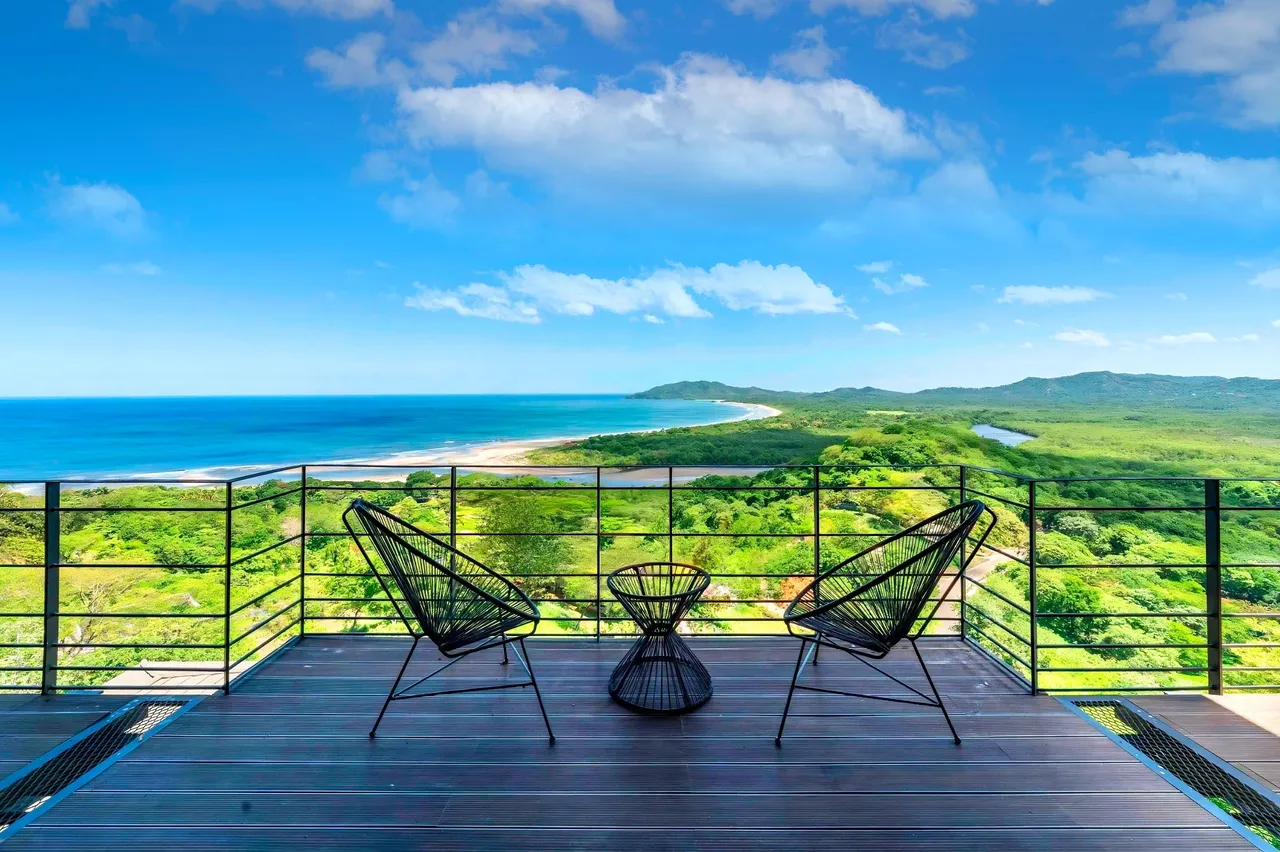
Imagine waking up to breathtaking mountain and ocean views stretching as far as the eye can see, surrounded by Costa Rica’s pristine natural beauty. We’ve discovered that more travelers are seeking authentic experiences away from the usual tourist spots, embracing the tranquility of off-grid living in this tropical paradise.
Nestled between dramatic landscapes, Costa Rica’s off-grid accommodations offer an extraordinary blend of luxury and sustainability. These eco-friendly retreats seamlessly integrate with the exotic surroundings while providing modern comforts. Have you ever wondered what it’s like to disconnect from the digital world while staying in a mountain villa that overlooks both rugged peaks and crystal-clear waters?
We’ll explore how these remote sanctuaries combine local materials and thoughtful design to create spaces that respect and celebrate Costa Rica’s stunning environment. Whether you’re planning your first off-grid adventure or seeking a new perspective on sustainable travel, this guide will show you what’s possible in one of Central America’s most diverse destinations.
What Makes Costa Rica Perfect for Off-Grid Living
Costa Rica’s natural landscape creates an ideal environment for off-grid living with 900 miles of coastline 1700 documented waterfalls. The country’s commitment to sustainability combines with abundant natural resources to support independent living solutions.
Ideal Climate and Natural Resources
Costa Rica’s year-round tropical climate generates consistent solar energy potential for off-grid power systems. The country receives 12 hours of daylight throughout the year enabling reliable solar panel performance. Natural water sources including rivers waterfalls springs provide sustainable access to fresh water. The fertile volcanic soil supports year-round food cultivation with crops like:
- Bananas mangoes papayas for fruit production
- Beans corn squash for staple foods
- Coffee cacao nuts for specialty crops
- Native plants herbs for sustainable gardens
Sustainable Infrastructure Development
Costa Rica’s existing infrastructure supports the transition to off-grid living through:
- Established renewable energy systems powering 98% of the national grid
- Local expertise in solar panel installation maintenance
- Recycling programs composting facilities in major regions
- Rainwater collection systems integrated into building designs
- Natural building materials sourced from sustainable forests
The terrain offers multiple options for off-grid construction including:
- Mountain locations with panoramic ocean views
- Coastal properties with beach access
- Valley settings near flowing water sources
- Forest areas with natural building materials
| Natural Resource | Availability |
|---|---|
| Solar Energy | 12 hours daily |
| Rainfall | 100-200 inches annually |
| Waterfalls | 1700+ documented |
| Coastline | 900+ miles |
| Forest Cover | 52% of land area |
This combination of natural resources established infrastructure geographic diversity creates optimal conditions for sustainable off-grid development.
Best Off-Grid Accommodations in Costa Rica
Costa Rica’s off-grid accommodations combine sustainable living with luxurious comfort. These remote getaways offer immersive experiences in three distinct environments, each providing unique ways to connect with nature while minimizing environmental impact.
Eco-Lodges in the Rainforest
Eco-lodges nestled in Costa Rica’s rainforests operate entirely on renewable energy systems. These sustainable retreats feature natural ventilation designs, solar-powered electricity generation systems integrated with built-in rainwater collection. Several eco-lodges incorporate local materials into their construction, creating harmony with the surrounding ecosystem while providing modern amenities.
| Eco-Lodge Features | Details |
|---|---|
| Power Source | 100% Solar |
| Water System | Rainwater Collection |
| Construction | Local Materials |
| Max Capacity | 10-15 Guests |
Solar-Powered Beach Retreats
Coastal off-grid accommodations maximize Costa Rica’s 900-mile coastline with innovative sustainable design. These oceanfront sanctuaries harness abundant tropical sunlight through strategically placed solar panels. Private infinity pools blend seamlessly with ocean views, while sophisticated water filtration systems convert seawater into fresh water for daily use.
| Beach Retreat Elements | Specifications |
|---|---|
| View Range | 180° Ocean Views |
| Pool Type | Infinity Edge |
| Power Generation | Solar + Battery Storage |
| Water Source | Filtered Seawater |
Mountain Hideaways
Mountain accommodations offer panoramic views across Costa Rica’s diverse landscape. These elevated retreats feature three-bedroom main villas complemented by independent suite villas, each with private infinity pools. Natural building materials enhance the connection to the surrounding environment while maintaining comfort in varying mountain temperatures.
| Mountain Villa Features | Details |
|---|---|
| Total Bedrooms | 5 |
| Bathrooms | 5.5 |
| Individual Pools | 3 |
| Max Occupancy | 10 Guests |
Essential Tips for Off-Grid Stays
Off-grid accommodations in Costa Rica require specific preparation to maximize comfort and enjoyment. Here’s what you’ll need to know before embarking on your sustainable adventure.
What to Pack
- Solar-powered devices: Portable chargers battery banks for cameras phones
- LED headlamps: Reliable lighting sources with extra batteries
- Quick-dry clothing: 4-5 moisture-wicking shirts pants for humid conditions
- Insect protection: Natural repellents mosquito nets long-sleeve shirts
- Water gear: Reusable bottles filtration systems water-purifying tablets
- First-aid supplies: Basic medical kit including bandages antiseptics medications
- Rain protection: Waterproof jacket backpack cover dry bags
- Eco-friendly toiletries: Biodegradable soap shampoo sunscreen
- Offline resources: Paper maps guides downloaded content
Best Time to Visit
| Season | Months | Weather Conditions | Benefits |
|---|---|---|---|
| Dry Season | December-April | Sunny 75-85°F | Best solar power generation |
| Green Season | May-November | Intermittent rain 70-80°F | Abundant water collection |
The dry season (December-April) offers optimal conditions for off-grid stays with:
- Consistent sunshine for solar power systems
- Clear hiking trails access to waterfalls
- Reduced humidity levels in accommodations
- Minimal weather-related travel disruptions
- Lower accommodation rates
- Fewer tourists at popular locations
- Lush vibrant vegetation
- Regular rainfall for water collection systems
Sustainable Features to Look For
Identifying eco-friendly features enhances the off-grid experience in Costa Rica’s remote accommodations. These sustainable elements create a minimal environmental impact while maintaining modern comforts.
Solar and Hydro Power Systems
Off-grid properties in Costa Rica combine solar panels with micro-hydro systems to generate reliable electricity. Solar arrays capture an average of 5-7 hours of peak sunlight daily, powering essentials like LED lighting, fans, refrigeration. Properties near streams often integrate micro-hydro turbines, producing 2-3 kilowatts of continuous power for consistent energy supply during cloudy periods.
Water Collection Methods
Rainwater harvesting systems capture Costa Rica’s abundant precipitation through strategically placed gutters, filters, and storage tanks. Advanced filtration setups include:
- UV purification systems eliminating 99.9% of harmful bacteria
- Multi-stage carbon filters removing sediment and chemicals
- Storage capacity ranging from 1,000-5,000 gallons
- Gravity-fed distribution networks reducing pump dependency
Waste Management Solutions
Eco-conscious properties implement comprehensive waste management practices:
- Composting toilets converting waste into natural fertilizer
- Grey water systems filtering shower and sink water for garden irrigation
- Organic waste processing through vermiculture composting
- Recycling stations separating glass, plastic, metal, and paper
- Food waste collection for local agricultural use
Each sustainable feature connects visitors to natural cycles while minimizing resource consumption. The integration of these systems demonstrates how comfort pairs with environmental responsibility in off-grid settings.
Planning Your Off-Grid Adventure
Planning an off-grid stay in Costa Rica requires careful consideration of logistics to maximize your eco-friendly experience. Let’s explore the essential transportation details and booking tips for your sustainable getaway.
Transportation Options
Getting to off-grid accommodations in Costa Rica involves combining different travel methods. A 4×4 vehicle rental proves essential for accessing remote locations, especially during the rainy season when dirt roads become challenging. Local shuttle services connect major towns to off-grid properties, offering an eco-friendly alternative to driving. Here are key transportation considerations:
- Book domestic flights for destinations like the Osa Peninsula
- Reserve 4×4 vehicles 3 months in advance during peak season
- Schedule private transfers through your accommodation
- Download offline maps for areas without cell service
- Pack light to accommodate smaller vehicles on rough terrain
Booking Considerations
- Check solar power capacity limits for device charging
- Confirm water source reliability during your planned dates
- Review meal inclusion options for remote locations
- Verify emergency communication systems
- Book 6-8 months ahead for high-season dates
- Request detailed arrival instructions with GPS coordinates
- Understand cancellation policies for weather-related issues
- Consider proximity to medical facilities
- Check seasonal accessibility of the property
| Booking Timeline | Recommendation |
|---|---|
| High Season (Dec-Apr) | 6-8 months ahead |
| Green Season (May-Nov) | 3-4 months ahead |
| Holiday Periods | 8-12 months ahead |
| Last-minute bookings | Limited to 2-3 properties |
Conclusion
Costa Rica’s off-grid stays offer an unmatched opportunity to experience sustainable luxury while reconnecting with nature. We’ve seen how these thoughtfully designed accommodations blend seamlessly with their surroundings whether perched in the mountains overlooking the Pacific or nestled deep in the rainforest.
From solar-powered beach retreats to self-sufficient eco-lodges these stays demonstrate that comfort doesn’t need to compromise environmental responsibility. With proper planning and the right expectations we can embrace this unique way to experience Costa Rica’s natural wonders while supporting its commitment to sustainability.
The growing popularity of off-grid accommodations in Costa Rica proves that conscious travel is more than just a trend – it’s the future of meaningful experiences in one of the world’s most biodiverse destinations.
Frequently Asked Questions
What makes Costa Rica ideal for off-grid living?
Costa Rica’s 900 miles of coastline, 1,700 waterfalls, and year-round tropical climate make it perfect for off-grid living. The country’s commitment to sustainability, abundant natural resources, and consistent solar energy potential support independent living solutions. The fertile volcanic soil also enables year-round food cultivation.
When is the best time to visit off-grid accommodations in Costa Rica?
The dry season (December-April) is ideal for optimal solar power generation, while the green season (May-November) offers abundant water collection opportunities. Each season has its unique advantages, but the dry season generally provides more predictable conditions for off-grid stays.
What types of off-grid accommodations are available in Costa Rica?
Costa Rica offers three main types of off-grid accommodations: eco-lodges in the rainforest, solar-powered beach retreats, and mountain hideaways. Each type features sustainable amenities like renewable energy systems, natural ventilation, and rainwater collection while providing luxurious comfort.
What should I pack for an off-grid stay in Costa Rica?
Essential items include solar-powered devices, LED headlamps, quick-dry clothing, insect protection, and eco-friendly toiletries. Pack light but smart, focusing on items that don’t require constant electricity and are suitable for tropical weather conditions.
Do I need a special vehicle to access off-grid accommodations?
Yes, a 4×4 vehicle is recommended for accessing remote off-grid locations, especially during the rainy season. Alternative options include local shuttle services, which provide eco-friendly transportation to many off-grid properties.
How far in advance should I book an off-grid accommodation?
Book at least 3-6 months in advance, especially during high season (December-April) and holiday periods. Popular off-grid properties have limited capacity and tend to fill up quickly due to growing interest in sustainable travel.
Are off-grid accommodations comfortable despite being eco-friendly?
Yes, most off-grid accommodations in Costa Rica combine luxury with sustainability. They feature modern amenities powered by renewable energy, comfortable furnishings, private pools, and stunning views while maintaining environmental responsibility.
How reliable are the power and water systems in off-grid accommodations?
Modern off-grid accommodations use sophisticated solar and hydro power systems for reliable electricity, along with advanced rainwater harvesting methods. Most properties have backup systems and storage solutions to ensure consistent service during your stay.
