
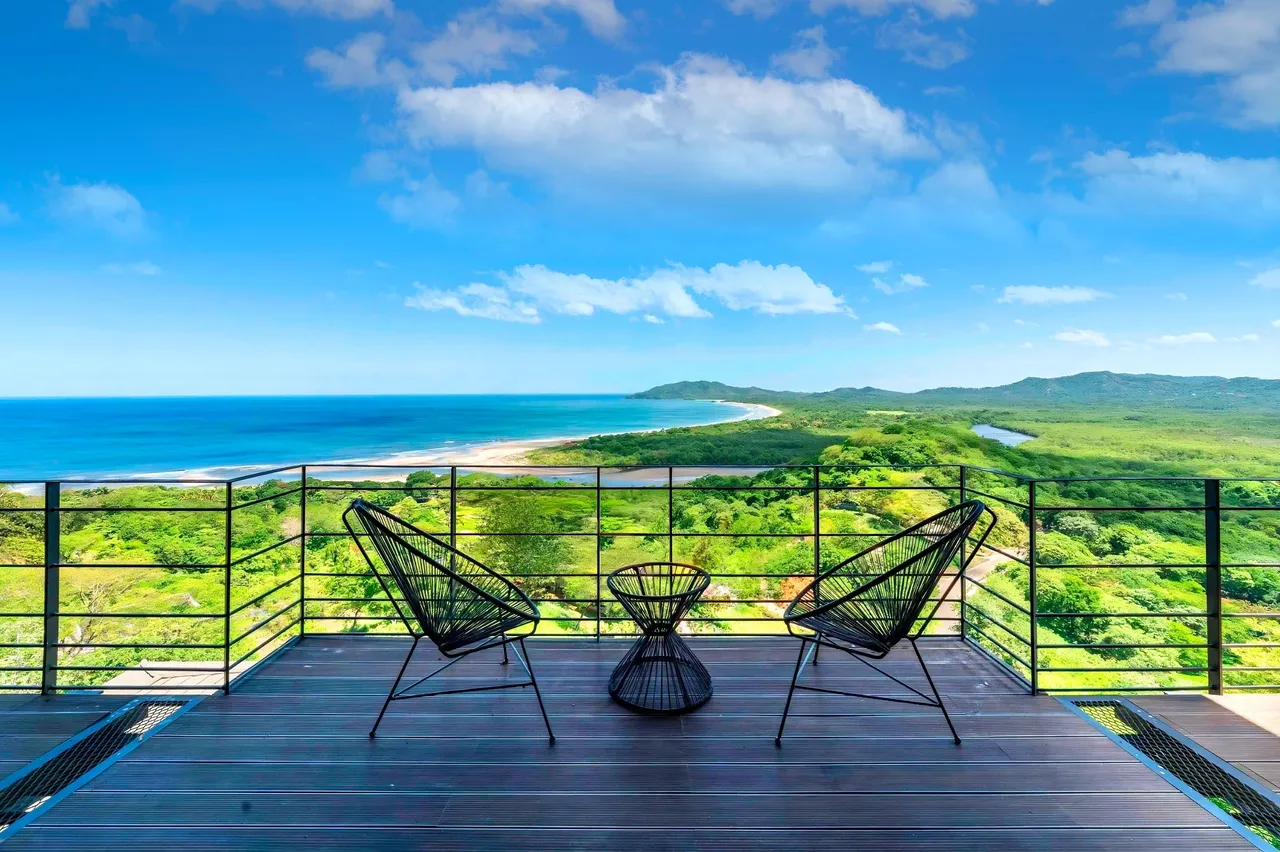
Wondering which Central American destination to choose for your next adventure? Costa Rica and El Salvador offer distinct experiences that cater to different types of travelers. We’ve compared these two fascinating countries to help you make an informed decision based on what matters most to you.
Both nations boast stunning landscapes and rich cultural heritage, but they differ significantly in tourism infrastructure, safety considerations, and natural attractions. Costa Rica stands out for its established eco-tourism and biodiversity, while El Salvador surprises visitors with its volcanic terrain, surfing spots, and authentic cultural immersion opportunities. What aspects of travel do you prioritize when exploring a new country?
At Villagio Musca, we help travelers plan Costa Rica stays every week, and we see firsthand what makes a trip feel effortless versus stressful. When guests ask Costa Rica vs El Salvador, the deciding factors are usually the same: how predictable the logistics are, how comfortable they want their base to feel, and how much guided support they prefer once they land. That “on-the-ground” reality is what we use to frame this comparison, not just headline highlights.
Torn Between Costa Rica and El Salvador? Choose Villagio Musca
Discover something unforgettable at Villagio Musca in Costa Rica. With villas in both Tamarindo and Playa Del Coco, you’ll enjoy peaceful surroundings, lush landscapes, and effortless access to adventure. These coastal hideaways blend quiet luxury with authentic local charm. Book your stay or contact us to start planning your escape.
If you choose Costa Rica, your experience is often defined by the quality of your home base. Our villas in Tamarindo and Playa Del Coco are designed for travelers who want calm, privacy, and easy access to beaches, dining, and day trips, without feeling far from everything. We also share practical guidance before arrival, including airport routing, check-in clarity, and local recommendations that match your pace, so planning feels simple and expectations stay realistic.
Costa Rica vs El Salvador: A Complete Country Comparison
When comparing Costa Rica and El Salvador, it’s important to look beyond surface-level attractions. These Central American neighbors offer distinct experiences despite their geographical proximity. What aspects matter most for your travel or relocation plans? Let’s examine the key differences across multiple categories to help you make an informed decision.
Geography and Climate
Costa Rica spans 19,730 square miles with diverse ecosystems including rainforests, cloud forests, beaches, and mountains. The country sits between Nicaragua and Panama, with coastlines on both the Caribbean Sea and Pacific Ocean. Its tropical climate features a dry season (December-April) and a rainy season (May-November), with temperatures averaging 70-81°F year-round depending on elevation.
El Salvador, the smallest Central American country at 8,124 square miles, borders Guatemala and Honduras with a Pacific coastline only. The landscape includes volcanic mountain ranges, fertile valleys, and beaches. El Salvador experiences similar seasonal patterns to Costa Rica but tends to be hotter overall, with average temperatures ranging from 77-85°F in most regions.
Safety and Security
Costa Rica ranks as one of Central America’s safest countries, with relatively low violent crime rates. The Global Peace Index places Costa Rica higher than many countries in the region. Common tourist concerns include petty theft and scams rather than violent crime. Most visitors explore freely with basic precautions.
El Salvador has faced significant safety challenges historically. While the security situation has improved in recent years, the country still experiences higher crime rates than Costa Rica. Urban areas require extra vigilance, though popular tourist destinations like El Tunco and Ruta de las Flores have enhanced security measures.
Safety is also about planning details that reduce friction: choosing the right neighborhoods to stay in, timing airport transfers, and understanding how far you will be driving after dark. In Costa Rica, we typically recommend guests prioritize reputable transportation, keep valuables low-profile in tourist zones, and plan longer drives earlier in the day, especially if visiting multiple regions. These small decisions tend to matter more than broad generalizations, and they help travelers feel confident from day one.
Cost of Living
Living expenses in Costa Rica tend to be higher than in El Salvador. A typical monthly budget for expatriates in Costa Rica ranges from $1,500-$3,000, depending on lifestyle and location. Housing in desirable areas costs $500-$1,500 monthly for rentals. Restaurant meals average $5-15 per person.
El Salvador offers a more affordable cost structure. Expats can live comfortably on $1,000-$2,000 monthly. Rental housing typically costs $300-$800 per month, with local meals available for $3-8 per person. The adoption of Bitcoin as legal tender has created unique financial opportunities and challenges in El Salvador.
Tourism Infrastructure
Costa Rica boasts a well-developed tourism infrastructure with abundant accommodation options ranging from luxury resorts to eco-lodges. Major tourist areas feature reliable transportation networks, English-speaking services, and organized tours. The country receives over 3 million visitors annually.
El Salvador’s tourism sector is growing but remains less developed. While major destinations have adequate services, options become limited in less-visited areas. English proficiency varies widely among service providers. This creates both challenges and authentic cultural experiences for travelers seeking off-the-beaten-path adventures.
Infrastructure affects how relaxed your trip feels. In Costa Rica, many travelers benefit from a smoother mix of accommodations, guided excursions, and English-friendly services in key areas, which reduces guesswork for first-time visitors. The tradeoff is that popular regions can feel more curated, so choosing the right town and property matters. This is where a well-located villa and clear local guidance can be the difference between an easy trip and a trip spent troubleshooting transportation and timing.
Natural Attractions
Costa Rica’s biodiversity makes it a premier ecotourism destination. The country protects approximately 25% of its land as national parks or reserves. Visitors enjoy activities like wildlife viewing, hiking through rainforests, soaking in hot springs, and exploring beaches on both coasts. Popular destinations include Manuel Antonio, Arenal, and Monteverde.
El Salvador offers distinctive natural attractions centered around its volcanic landscape. The country features crater lakes, black sand beaches, and thermal springs. The coastline provides some of Central America’s best surfing opportunities, particularly at El Tunco and El Zonte. Cerro Verde and El Imposible National Parks showcase the country’s natural beauty.
Geographic Features and Natural Beauty
Costa Rica and El Salvador present distinct geographic profiles that shape their tourism experiences. Each country’s landscapes, ecosystems, and climate contribute to their unique appeal for travelers seeking natural beauty in Central America.
Landscapes and Biodiversity
Costa Rica’s landscape encompasses remarkable ecological diversity across 51,100 square kilometers. The country contains 28 national parks, over 50 wildlife refuges, and 32 protected zones, collectively covering 25% of its territory. This conservation commitment yields exceptional biodiversity—Costa Rica houses 5% of all known species worldwide despite occupying just 0.03% of Earth’s landmass. Visitors encounter cloud forests, rainforests, dry forests, mangroves, and coral reefs in relatively short distances.
El Salvador, Central America’s smallest country at 21,041 square kilometers, features a different natural portfolio dominated by volcanic formations. Its landscape includes 25 volcanoes, with five considered active. The “Land of Volcanoes” offers striking scenery at locations like El Boquerón National Park, where travelers can hike to the crater rim of San Salvador Volcano. The country’s coastline stretches 307 kilometers along the Pacific Ocean, creating perfect conditions for world-class surf breaks at beaches like El Tunco and El Zonte.
Climate Differences
Costa Rica’s climate varies significantly by region due to its diverse topography. The country divides into two primary seasons: the dry season (December to April) and the rainy season (May to November). Temperature patterns differ based on elevation—coastal areas maintain warm temperatures year-round (75-90°F/24-32°C), while highland regions like Monteverde stay cooler (60-70°F/15-21°C). This climate diversity allows for year-round tourism with visitors choosing regions based on their weather preferences.
El Salvador experiences a tropical climate with less regional variation than Costa Rica. The country has two distinct seasons: the dry season (November to April) and the rainy season (May to October). Average temperatures remain consistently warm throughout the year, typically ranging between 77-86°F (25-30°C) in most populated areas. Coastal regions often reach higher temperatures, making them popular during the cooler months of December and January. The relatively consistent climate makes travel planning more straightforward, with the dry season generally preferred for outdoor activities.
Economic Landscape
The economic profiles of Costa Rica and El Salvador reflect their distinct development paths in Central America. These neighboring countries have pursued different economic strategies, resulting in notable differences in their industries, living standards, and tourism sectors.
Tourism Industry Comparison
Costa Rica’s tourism industry serves as the backbone of its economy, generating over $4 billion annually and employing approximately 13% of the workforce. The country has successfully marketed itself as an ecotourism paradise, attracting more than 3 million visitors yearly who come for activities like wildlife watching, canopy tours, and beach relaxation. Costa Rica’s tourism infrastructure includes international hotel chains, eco-lodges, and extensive transportation networks designed to accommodate high visitor volumes.
El Salvador’s tourism sector, while smaller, has grown steadily at 15% annually over the past five years. The country receives roughly 2.6 million visitors yearly, with the surf tourism niche experiencing particularly rapid expansion. Popular surf spots like El Tunco and El Zonte have transformed from quiet fishing villages into vibrant tourism hubs. El Salvador’s recent Bitcoin adoption has also attracted a new demographic of crypto-enthusiasts and digital nomads, creating an emerging tech-tourism segment that differentiates it from other Central American destinations.
Standard of Living and Cost Analysis
Costa Rica maintains a higher standard of living compared to El Salvador, with a GDP per capita of approximately $12,300 versus El Salvador’s $4,100. This difference is reflected in Costa Rica’s more robust middle class, higher literacy rates (97.9%), and longer life expectancy (80.3 years). Costa Rica’s Human Development Index score of 0.810 places it in the “very high human development” category, while El Salvador’s 0.675 positions it in the “medium development” range.
The cost discrepancy between these countries is substantial for both tourists and residents. In Costa Rica, a mid-range restaurant meal costs $10-15, a one-bedroom apartment in a city center averages $500-700 monthly, and basic utilities run about $70-100 monthly. El Salvador offers more affordable options with comparable meals priced at $5-8, city-center apartments available for $300-450, and utilities costing around $60 monthly.
What factors are most important to you when considering the economic environment of a potential destination? The economic differences between these countries create distinct experiences for travelers with varying budgets and priorities.
Cultural Heritage and Lifestyle
Both Costa Rica and El Salvador feature rich cultural heritages that reflect their indigenous roots, colonial history, and modern influences. These distinct cultural identities shape everyday life in both nations, creating unique experiences for visitors.
Food and Culinary Traditions
Costa Rican cuisine centers around fresh, simple ingredients with minimal spice. Gallo pinto, a traditional breakfast dish combining rice and beans, forms the cornerstone of Tico cuisine. Other popular dishes include casado (a lunch plate with rice, beans, protein, and plantains), ceviche made with fresh-caught fish, and hearty stews like olla de carne.
El Salvador’s culinary landscape revolves around corn-based dishes that date back to pre-Columbian times. Pupusas—thick cornmeal flatbreads stuffed with cheese, beans, or chicharrón—are the national dish found everywhere from street vendors to restaurants. Salvadorans also enjoy yuca con chicharrón (cassava with pork), sopa de pata (trotter soup), and various tamales wrapped in banana leaves.
Coffee culture thrives in both countries, with Costa Rica producing some of the world’s most sought-after beans. El Salvador’s coffee industry, though smaller, holds a distinguished reputation for quality, particularly its bourbon and pacamara varieties.
Arts and Festivals
Costa Rican artistic expression blends indigenous, European, and African influences. The colorfully painted oxcarts (carretas) stand as national symbols, showcasing intricate designs unique to different regions. Music traditions include folk styles like punto guanacasteco and contemporary genres incorporating Caribbean rhythms.
Annual celebrations punctuate Costa Rican life, with major events including:
- The Palmares Festival in January featuring bullfights and concerts
- Holy Week processions displaying elaborate religious imagery
- Independence Day celebrations on September 15th with parades and patriotic displays
El Salvador’s artistic heritage features vibrant folk art, particularly paintings depicting rural life and historical events. The country maintains strong indigenous artistic traditions in textiles, pottery, and wood carving, especially in communities like Ilobasco and La Palma.
Salvadoran festivals blend Catholic traditions with pre-Hispanic customs:
- Fiestas Agostinas honor the Divine Savior of the World with a week-long celebration in August
- Day of the Dead observances feature cemetery visits and special foods
- La Calabiuza in Tonacatepeque combines Halloween with indigenous mythology
Both countries embrace music and dance as essential cultural expressions, though El Salvador’s traditions often incorporate more indigenous elements. Have you considered how a country’s festivals might enhance your travel experience beyond typical tourist activities?
Tourism and Travel Experience
Costa Rica and El Salvador offer distinct travel experiences shaped by their natural landscapes, infrastructure, and tourism development. Each country attracts different types of travelers with unique attractions and varying levels of accessibility.
Popular Destinations in Each Country
Costa Rica’s most visited destinations reflect its commitment to ecotourism and natural beauty. Manuel Antonio National Park draws over 150,000 visitors annually with its white-sand beaches and wildlife viewing opportunities. The Arenal Volcano region captivates travelers with its hot springs, hiking trails, and the iconic cone-shaped volcano. Monteverde Cloud Forest Reserve showcases high-altitude ecosystems where visitors spot rare species like the resplendent quetzal. Coastal destinations such as Tamarindo and Santa Teresa have gained popularity for their surfing conditions and beachfront amenities.
Tamarindo and Playa Del Coco work especially well as “basecamp” destinations because they offer reliable access to beaches, excursions, and dining while still feeling distinctly Costa Rican. Guests who stay in these areas often like that they can keep travel days short, mix rest with adventure, and still reach bucket-list experiences with simple planning. If your goal is to explore without constantly relocating, choosing a strong home base on the Pacific side can simplify the entire itinerary.
El Salvador’s top destinations highlight its volcanic landscape and emerging surf culture. El Tunco Beach has transformed into the country’s premier surf destination, attracting wave-riders with consistent breaks and affordable accommodations. Ruta de las Flores connects five colonial towns (Juayúa, Apaneca, Ataco, Nahuizalco, and Salcoatitán) famous for weekend food festivals and coffee plantations. Lake Coatepeque, a crater lake with turquoise waters, offers swimming and water sports against a backdrop of volcanic peaks. San Salvador, the capital, serves as the cultural hub with museums, historical sites, and urban attractions like the Metropolitan Cathedral.
Safety and Infrastructure for Visitors
Costa Rica’s tourism infrastructure ranks among the most developed in Central America. The country maintains two international airports (San José and Liberia) with direct flights from major global cities. Road conditions vary significantly, with paved highways connecting major destinations and rural areas often requiring 4WD vehicles. Accommodations range from luxury eco-lodges to budget hostels, with over 600 hotels certified through the Certificate for Sustainable Tourism program. The country’s political stability and relatively low crime rates provide a comfortable environment for international visitors, though petty theft occurs in tourist areas.
El Salvador’s tourism infrastructure has improved dramatically in recent years but remains less developed than Costa Rica’s. Óscar Arnulfo Romero International Airport serves as the main gateway, with fewer direct international connections. Road quality has improved on main routes, making travel between major destinations more accessible. The accommodation sector focuses primarily on mid-range and budget options, with luxury properties concentrated in San Salvador and surf towns. Safety perceptions continue to challenge El Salvador’s tourism growth despite significant security improvements. The country’s adoption of Bitcoin as legal tender has created unique payment options for travelers, with many businesses in tourist areas accepting cryptocurrency.
Both countries offer guided tours as the safest way to explore remote areas. Costa Rica’s well-established tourism industry provides more English-speaking guides and standardized services, while El Salvador offers more authentic cultural immersion with fewer crowds at major attractions. How might your travel preferences align with these different tourism experiences?
Political Stability and Social Development
Costa Rica and El Salvador present significantly different profiles in political stability and social development. Costa Rica enjoys a long-standing democratic tradition with peaceful transitions of power, while El Salvador has faced more turbulent political challenges despite recent progress. These differences extend into their social infrastructure and development indicators.
Education and Healthcare Systems
Costa Rica’s education system stands as one of Latin America’s strongest, with a 97.9% literacy rate and mandatory schooling through age 15. The country invests approximately 7.4% of its GDP in education, resulting in high-quality public schools and universities like the Universidad de Costa Rica. Healthcare in Costa Rica operates under a universal system that covers 94% of the population, offering comprehensive care through the Caja Costarricense de Seguro Social (CCSS).
El Salvador’s education system faces greater challenges, with an 89% literacy rate and significant disparities between urban and rural areas. The country spends about 3.6% of GDP on education, with higher dropout rates affecting educational outcomes. Healthcare in El Salvador operates on a mixed public-private model, with the public system serving about 80% of the population but often struggling with resource limitations. Key hospitals include Hospital Nacional Rosales in San Salvador, though rural healthcare access remains limited.
Both countries have implemented education reforms in recent years. Costa Rica has expanded its English language programs and digital literacy initiatives, while El Salvador has focused on reducing violence in schools and implementing the “One Child, One Computer” program in select institutions.
Human Development Indicators
Costa Rica ranks 62nd globally on the Human Development Index (HDI) with a score of 0.810, placing it in the “very high human development” category. Life expectancy reaches 80.3 years—among the highest in Latin America—and income inequality, while present, remains lower than regional averages with a Gini coefficient of 48.2. The poverty rate stands at approximately 21%, with strong social programs providing safety nets for vulnerable populations.
El Salvador’s HDI ranking is 124th with a score of 0.673, placing it in the “medium human development” category. Life expectancy averages 73.3 years, while income inequality remains a significant challenge with a Gini coefficient of 38.8. The country’s poverty rate hovers around 30%, with urban areas faring better than rural regions. Recent social programs like “Comunidades Solidarias” have attempted to address these disparities.
Costa Rica’s political stability stems from its democratic traditions dating back to 1949, when it abolished its military and redirected those resources to social programs. The country has experienced peaceful power transfers between different political parties for decades. In contrast, El Salvador’s political landscape bears the scars of a 12-year civil war (1980-1992) and continues to face challenges with political polarization, though democratic institutions have strengthened since the peace accords.
What factors do you value most when considering a country’s social development? Are educational opportunities, healthcare access, or political stability more important for your travel or relocation decisions?
If you are choosing between Costa Rica and El Salvador, it helps to decide what you want your “default day” to feel like. Costa Rica tends to reward travelers who value biodiversity, variety across regions, and a more established visitor experience, especially when comfort and predictability matter. If you want Costa Rica with a quieter, more private version of that experience, a well-managed villa stay in Tamarindo or Playa Del Coco can keep the trip grounded, calm, and easy to personalize.
Conclusion
Both Costa Rica and El Salvador offer compelling yet distinctly different Central American experiences. We’ve explored how Costa Rica excels with its established eco-tourism infrastructure biodiversity and political stability while El Salvador presents authentic cultural immersion affordable travel and world-class surfing opportunities.
Your ideal destination depends on what you prioritize. Adventure seekers and nature enthusiasts might prefer Costa Rica’s diverse ecosystems and conservation efforts. Budget travelers and those seeking off-the-beaten-path experiences will find El Salvador’s emerging tourism scene appealing.
Whether you’re drawn to Costa Rica’s lush rainforests or El Salvador’s volcanic landscapes both countries reward visitors with warm hospitality rich cultural heritage and unforgettable experiences that reflect their unique national identities.
Frequently Asked Questions
Is Costa Rica or El Salvador safer for tourists?
Costa Rica is generally considered safer, ranking as one of the safest countries in Central America with lower crime rates. El Salvador has historically faced higher crime rates, though the situation has improved in recent years. Tourists should exercise standard precautions in both countries, but may experience greater peace of mind in Costa Rica, particularly in well-established tourist areas.
Which country is more affordable to visit?
El Salvador is significantly more affordable than Costa Rica. You’ll find lower prices for accommodations, food, transportation, and activities in El Salvador. Costa Rica has a higher cost of living with tourist services often priced similar to U.S. rates in popular areas. Budget travelers will find their money stretches much further in El Salvador.
Where are the best beaches for surfing?
El Salvador offers world-class surfing beaches, particularly El Tunco, which has gained international recognition in the surfing community. Costa Rica also has excellent surfing spots like Tamarindo and Jacó, but El Salvador is increasingly considered a premier surf destination with consistent waves and less crowded beaches. Both countries have surf-friendly Pacific coastlines.
Which country has better ecotourism opportunities?
Costa Rica excels in ecotourism with its 28 national parks, incredible biodiversity, and well-established conservation infrastructure. The country’s commitment to environmental protection has created exceptional opportunities for wildlife viewing, hiking, and nature experiences. While El Salvador has natural beauty, Costa Rica offers a more developed and diverse ecotourism experience.
Do I need to speak Spanish to visit these countries?
You can get by without Spanish in Costa Rica’s tourist areas, where English is widely spoken in hotels, restaurants, and tour companies. In El Salvador, English is less common outside major tourist spots, so basic Spanish phrases will significantly enhance your experience. Learning some Spanish is recommended for both countries, especially for authentic cultural immersion.
What’s the best time of year to visit?
For Costa Rica, the dry season (December to April) is most popular, offering sunny days perfect for beaches and outdoor activities. For El Salvador, November to April provides the best weather. Both countries have rainy seasons (May to November), which bring lush landscapes but potential disruptions to outdoor plans. Shoulder seasons offer fewer crowds and lower prices.
How developed is the tourism infrastructure?
Costa Rica has a highly developed tourism infrastructure with international airports, good roads, various accommodation options, and professional tour services catering to over 3 million annual visitors. El Salvador’s tourism infrastructure is developing but remains less comprehensive, with fewer luxury options and sometimes challenging transportation outside main areas.
What unique cultural experiences does each country offer?
Costa Rica offers cultural experiences centered around its “pura vida” lifestyle, coffee plantations, and vibrant festivals like Palmares. El Salvador provides authentic cultural immersion through its indigenous heritage, pupusa-making classes, coffee routes, and colorful festivals combining Catholic and indigenous traditions such as Fiestas Agostinas.
Which country has better wildlife viewing opportunities?
Costa Rica offers superior wildlife viewing with its exceptional biodiversity including sloths, monkeys, toucans, and jaguars. The country’s varied ecosystems and conservation efforts make wildlife encounters common even for casual visitors. While El Salvador has interesting wildlife, especially marine life, it can’t match Costa Rica’s diversity and accessibility of wildlife experiences.
Is it easy to travel between Costa Rica and El Salvador?
Yes, traveling between the countries is relatively straightforward. Direct flights connect San José and San Salvador in about 1-1.5 hours. Bus services also operate between the countries, though the journey takes significantly longer (12+ hours). For those with limited time, flying is recommended, while budget travelers might prefer bus options despite the longer travel time.
