
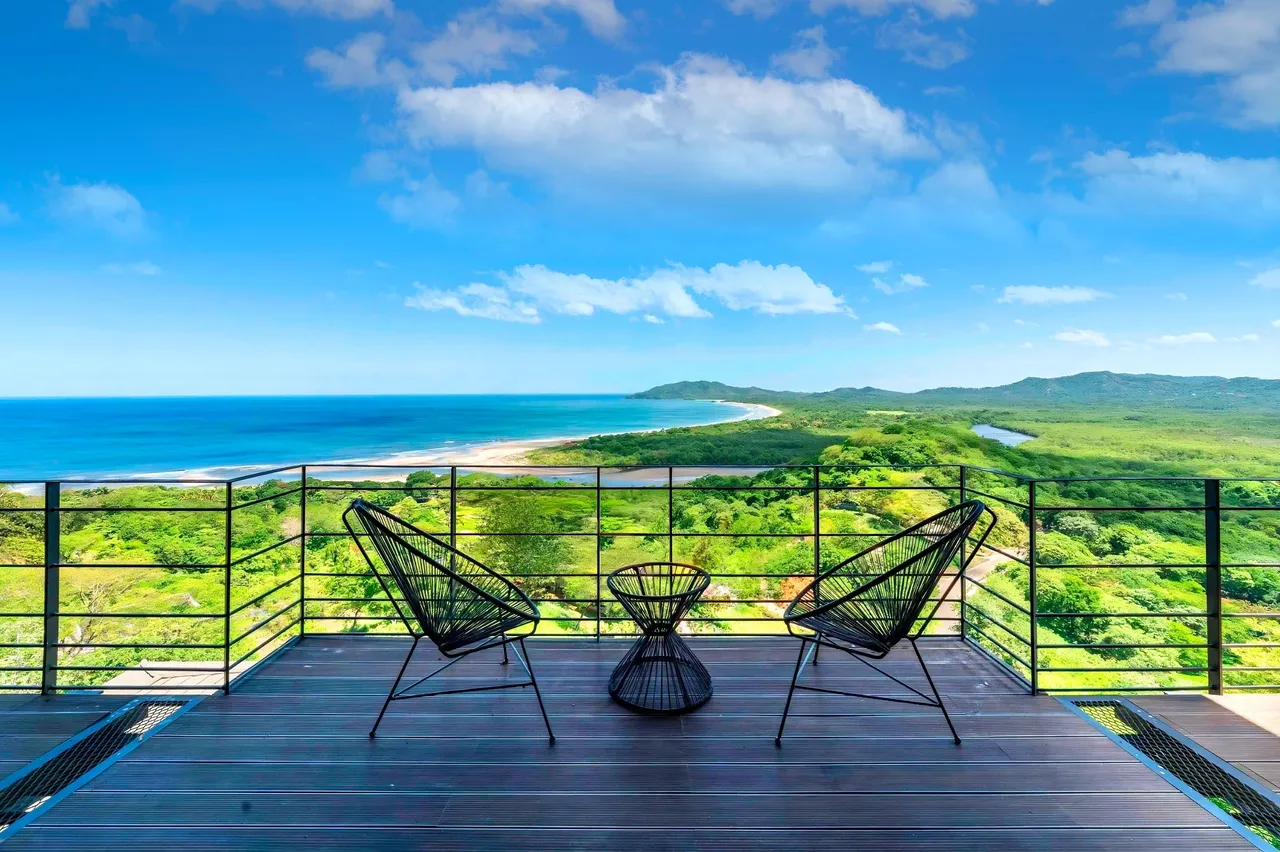
Wondering about Costa Rica vs Paraguay? These two vibrant Latin American nations offer distinct experiences despite sharing some cultural similarities. We’ve compared everything from their natural landscapes and economic profiles to tourist attractions and political systems to help you understand what makes each country special.
When choosing between Costa Rica and Paraguay for travel, investment, or relocation, it’s important to consider their fundamental differences. Costa Rica boasts incredible biodiversity with its rainforests and beaches, while Paraguay offers rich indigenous heritage and impressive hydroelectric resources. What aspects of these diverse countries are you most curious about? Their climates, cost of living, and opportunities vary significantly, making each destination appealing for different reasons.
Overview of Costa Rica and Paraguay
Geographical Location and Climate
Costa Rica and Paraguay occupy distinct regions within Latin America, each with their own geographical features. Costa Rica sits in Central America, bordered by Nicaragua to the north and Panama to the south, with coastlines on both the Pacific Ocean and Caribbean Sea. This strategic position gives Costa Rica diverse microclimates ranging from tropical beaches to cloud forests at higher elevations.
Paraguay, located in the heart of South America, is landlocked and shares borders with Argentina, Brazil, and Bolivia. The country is divided by the Paraguay River into two contrasting regions: the eastern region with Atlantic Forests and the western region comprising the Gran Chaco, a hot, semi-arid lowland. Paraguay experiences a subtropical climate with hot summers and mild winters, while Costa Rica maintains tropical temperatures year-round with distinct dry and rainy seasons.
Population and Demographics
The demographic makeup of these two nations reflects their different historical paths. Costa Rica has approximately 5.1 million residents, predominantly of European and mestizo heritage. The population density concentrates around the Central Valley region, particularly in and around the capital of San José. Costa Ricans enjoy one of the highest literacy rates in Latin America at over 97%.
Paraguay’s population reaches about 7.3 million people with a strong indigenous influence, particularly from the Guaraní culture. This indigenous heritage remains evident in everyday life, with Guaraní recognized as an official language alongside Spanish. Unlike Costa Rica’s concentrated population pattern, Paraguay shows greater rural distribution, though urbanization continues to grow around Asunción, the capital city.
Historical Background
Costa Rica’s history took a distinctive turn after gaining independence from Spain in 1821. The country abolished its military in 1949 following a brief civil war, redirecting those resources toward education and healthcare. This peaceful approach helped establish Costa Rica’s reputation as the “Switzerland of Central America” and laid the groundwork for its current democratic stability.
Paraguay experienced a more turbulent history, including the devastating War of the Triple Alliance (1864-1870) where it lost nearly 70% of its adult male population fighting against Brazil, Argentina, and Uruguay. The country later endured South America’s longest dictatorship under Alfredo Stroessner from 1954 to 1989. These historical events shaped Paraguay’s development path differently from Costa Rica’s more stable trajectory, creating lasting impacts on infrastructure, economy, and governance that continue today.
Geographic and Climate Comparison
Costa Rica and Paraguay offer strikingly different geographic features and climate conditions that shape their ecosystems, tourism, and way of life. These distinctions create vastly different experiences for visitors and residents alike.
Costa Rica’s Tropical Paradise
Costa Rica’s geographic profile boasts over 900 miles of coastline split between the Pacific Ocean and Caribbean Sea, creating a diverse array of microclimates. The country’s compact size (19,730 square miles) packs in remarkable biodiversity, with more than 1,700 documented waterfalls scattered throughout its mountainous interior.
Costa Rica’s climate follows two primary seasons: the dry season (December to April) and the rainy season (May to November). However, regional variations exist based on elevation and proximity to the coasts. The Central Valley, home to the capital San José, enjoys spring-like temperatures year-round, while coastal areas experience more tropical heat and humidity.
The combination of mountains, volcanoes, and varying elevations creates distinct weather patterns within short distances. This geographic diversity supports Costa Rica’s famous rainforests, cloud forests, and dry forests—each hosting different plant and animal species. Have you ever imagined walking through five different ecosystems in a single day? In Costa Rica, that’s entirely possible.
Paraguay’s Diverse Landscapes
Paraguay, a landlocked country covering approximately 157,048 square miles, features two distinct geographical regions divided by the Paraguay River. The eastern region (Región Oriental) contains rolling hills, subtropical forests, and fertile plains that support much of the country’s agriculture. The western region (Chaco) presents a sharp contrast with its dry, flat plains and thorn forests.
Unlike Costa Rica’s tropical climate, Paraguay experiences a more subtropical to temperate climate with greater seasonal variations. Summer months (December to March) bring intense heat with temperatures often exceeding 95°F in the Chaco region. Winter (May to August) brings milder temperatures with occasional cold snaps that can drop near freezing in southern areas.
Paraguay lacks Costa Rica’s coastlines but compensates with extensive river systems. The Paraguay and Paraná rivers serve as crucial transportation routes and energy sources, powering some of South America’s largest hydroelectric dams. These waterways create their own microclimates, supporting wetland ecosystems that contrast dramatically with the arid Chaco region.
The geographic differences between these countries lead to different natural attractions. While Costa Rica dazzles with beaches and rainforests, Paraguay captivates with its vast open plains, river systems, and unique Chaco ecosystem that hosts specialized drought-resistant species found nowhere else on earth. What natural wonders might you discover in these contrasting landscapes?
Cultural Heritage and Traditions
Costa Rica and Paraguay offer distinctive cultural landscapes shaped by their unique histories and indigenous populations. Both nations maintain rich traditions that reflect their complex past and continue to influence modern society, though in markedly different ways.
Indigenous Influences in Both Nations
Paraguay’s cultural identity is deeply rooted in its Guaraní heritage, with approximately 95% of the population speaking both Spanish and Guaraní. This indigenous influence permeates daily life through music, crafts, and cuisine. Traditional practices like ñandutí (spider web lace) and drinking yerba mate from a guampa (hollowed gourd) remain central to Paraguayan identity. The Guaraní worldview emphasizes community and respect for nature, values that continue to shape social interactions.
Costa Rica’s indigenous influence appears less prominently in mainstream culture compared to Paraguay. While the Bribri, Cabécar, and six other indigenous groups preserve their traditions, they represent only about 2.4% of Costa Rica’s population. Nevertheless, their contributions to the country’s heritage include traditional healing practices, storytelling, and artisanal crafts like handwoven baskets and masks. Many of these crafts now serve as cultural symbols in tourism contexts, though indigenous communities continue to practice them authentically.
Language and Communication Differences
The linguistic landscape between these countries reveals striking contrasts. Costa Rica primarily uses Spanish as its official language, with English widely taught and spoken in tourist areas and business settings. Costa Rican Spanish features distinctive expressions like “pura vida” (pure life), which functions as a greeting, farewell, and philosophy expressing optimism and relaxation.
Paraguay stands out as one of South America’s only officially bilingual countries, with both Spanish and Guaraní recognized constitutionally. This linguistic duality creates a phenomenon called “Jopará” – the everyday mixing of Spanish and Guaraní words and phrases. Nearly 70% of Paraguayans speak Guaraní in their homes, making it one of the few indigenous languages that remains dominant across social classes. This bilingualism shapes communication patterns, with many concepts expressed more precisely in one language than the other.
What might this linguistic difference tell us about how each culture approaches communication and preserves its heritage? The preservation of Guaraní in Paraguay has created strong cultural continuity, while Costa Rica’s more European-influenced communication style reflects its different historical path.
Economic Landscapes
Costa Rica and Paraguay have distinctly different economic foundations that shape their development paths and international standing. These differences reflect their geographic locations, natural resources, and historical trajectories, creating unique opportunities and challenges for each nation.
Costa Rica’s Tourism-Driven Economy
Costa Rica’s economy thrives on its natural beauty and biodiversity. Tourism generates approximately $4 billion annually, accounting for nearly 8.2% of the country’s GDP. The country attracts over 3 million visitors each year who come for experiences like wildlife watching, surfing, and exploring national parks.
Beyond tourism, Costa Rica has diversified into high-tech manufacturing and services. Companies like Intel, Amazon, and Microsoft have established operations here, creating a robust tech sector. This economic diversification has helped Costa Rica achieve one of the highest GDP per capita figures in Central America at around $12,500.
Costa Rica’s commitment to environmental sustainability also shapes its economy. The country produces over 98% of its electricity from renewable sources including hydroelectric, wind, and geothermal power. This green approach has created new economic opportunities in ecotourism and sustainable agriculture, particularly with coffee and tropical fruits that bring in $3.3 billion in agricultural exports annually.
Paraguay’s Agricultural Strengths
Paraguay’s economy centers on its agricultural prowess. The country ranks as the world’s fourth-largest exporter of soybeans, generating over $2.1 billion annually from this crop alone. Other significant agricultural exports include beef, corn, and wheat, which together form the backbone of Paraguay’s economy.
Hydroelectric power represents another major economic asset for Paraguay. The Itaipú Dam, shared with Brazil, is one of the largest hydroelectric facilities globally, producing 103,098 GWh of electricity annually. Paraguay uses only about 10% of this production and exports the remainder, primarily to Brazil, creating a significant revenue stream.
Despite these strengths, Paraguay faces economic challenges including income inequality and limited industrial diversification. The country’s GDP per capita stands at approximately $5,400, notably lower than Costa Rica’s. Paraguay’s informal economy remains substantial, with about 40% of workers employed outside the formal sector, affecting tax collection and social security coverage.
Recent years have seen Paraguay working to attract foreign investment through tax incentives and special economic zones. These efforts have led to modest growth in manufacturing, particularly in automotive parts and textiles, which now contribute about 20% to the country’s GDP. How might Paraguay’s development path evolve as it balances agricultural success with industrial growth aspirations?
Cost of Living Comparison
Costa Rica and Paraguay present starkly different cost profiles for both visitors and residents. Understanding these differences helps with making informed decisions about travel, relocation, or investment in either country.
Housing and Accommodation
Housing costs in Costa Rica typically run 30-40% higher than in Paraguay. In San José, Costa Rica’s capital, a one-bedroom apartment in the city center averages $500-700 monthly, while a comparable apartment in Asunción, Paraguay costs $300-400. This pattern extends to real estate purchases, with Costa Rican properties commanding premium prices, especially in coastal and tourist areas where prices can reach $200+ per square foot. Paraguayan real estate remains significantly more affordable at $70-100 per square foot in desirable areas.
Food and Dining
Daily food expenses show similar contrasts between the two nations. Costa Rica’s grocery prices run approximately 25% higher than Paraguay’s, with a typical grocery basket for one person costing $50-60 weekly in Costa Rica versus $35-45 in Paraguay. Restaurant meals demonstrate an even greater disparity – a mid-range restaurant dinner costs $15-25 per person in Costa Rica but only $8-15 in Paraguay. Local food markets offer better value in both countries, with Paraguay’s fresh produce prices about 40% lower than Costa Rica’s.
Transportation Costs
Transportation expenses further highlight the cost differences. Public transportation in Costa Rica costs around $1-2 per ride, while Paraguay’s bus system charges approximately $0.40-0.80 per journey. Taxi fares start at $1.50 in Costa Rica versus $0.70 in Paraguay. For those considering car ownership, gasoline prices in Costa Rica average $4.50-5.00 per gallon, significantly higher than Paraguay’s $3.50-4.00 per gallon. Import taxes make vehicle purchases in Costa Rica up to 40% more expensive than comparable vehicles in Paraguay.
Healthcare and Education
Healthcare and education costs also differ substantially between the countries. Costa Rica’s highly regarded healthcare system offers both public and private options, with private consultations ranging from $50-100. Paraguay’s healthcare costs about 40% less, though the infrastructure may be less developed outside major cities. International schools in Costa Rica charge $500-1,000 monthly in tuition, while similar education in Paraguay typically costs $300-600 monthly.
Overall Monthly Budget
For expatriates and long-term visitors, the overall monthly budget required for a comfortable lifestyle reveals the full extent of these differences. A single person living comfortably in Costa Rica requires approximately $1,500-2,000 monthly, excluding rent. The same lifestyle in Paraguay costs about $800-1,200 monthly. Families see similar proportional differences, with a family of four needing approximately $3,000-4,000 monthly in Costa Rica versus $1,800-2,500 in Paraguay, excluding housing costs.
Do these cost differences reflect proportional differences in quality of life? Each country offers distinct advantages that might justify their cost profiles depending on your priorities and lifestyle preferences.
Travel and Tourism Opportunities
Costa Rica and Paraguay offer entirely different travel experiences for visitors seeking adventure, culture, or relaxation. The tourism infrastructure and natural attractions in these two countries create distinct vacation possibilities with varying appeal depending on your travel preferences.
Must-Visit Destinations in Costa Rica
Costa Rica’s impressive biodiversity makes it a paradise for nature lovers and adventure seekers. The country boasts over 900 miles of coastline with pristine beaches on both the Pacific Ocean and Caribbean Sea. Manuel Antonio National Park combines jungle trails with white-sand beaches, allowing visitors to spot monkeys, sloths, and exotic birds just steps from the shoreline.
Monteverde Cloud Forest Reserve offers an otherworldly experience with its misty forests housing more than 400 bird species, including the resplendent quetzal. For volcano enthusiasts, Arenal Volcano National Park features dramatic views of the cone-shaped volcano alongside natural hot springs perfect for relaxation.
Costa Rica’s 1,700+ documented waterfalls provide breathtaking swimming spots and photo opportunities. La Fortuna Waterfall and Rio Celeste Waterfall display striking blue waters due to natural mineral deposits. Have you considered exploring Tortuguero National Park, often called “Costa Rica’s Amazon,” where you can witness sea turtle nesting on protected beaches?
Hidden Gems in Paraguay
Paraguay offers authentic cultural experiences away from mass tourism, making it ideal for travelers seeking off-the-beaten-path adventures. The Jesuit Missions of La Santísima Trinidad de Paraná and Jesús de Tavarangue showcase remarkable 17th-century ruins recognized as UNESCO World Heritage sites. These preserved complexes demonstrate the architectural brilliance of indigenous craftsmen working with Jesuit missionaries.
Asunción, Paraguay’s capital, blends colonial architecture with modern development. The Palacio de López (presidential palace) and Casa de la Independencia provide insights into Paraguay’s political history without the crowds found in more popular South American capitals.
The Paraguay River divides the country into two distinct regions, creating diverse landscapes to explore. The Pantanal wetlands in Paraguay offer wildlife viewing similar to Brazil’s famous region but with fewer tourists and lower prices. Parque Nacional Cerro Corá combines stunning rock formations with important historical sites from the Triple Alliance War. How might experiencing these less-visited destinations change your perspective on South American travel?
Quality of Life Factors
When comparing Costa Rica and Paraguay, quality of life considerations reveal significant differences that impact daily living experiences. These factors often determine whether a country meets individual lifestyle needs and preferences for residents or potential expatriates.
Healthcare and Education Systems
Costa Rica’s healthcare system ranks as one of the best in Latin America, with universal coverage through its Caja Costarricense de Seguro Social (CCSS). Public hospitals and clinics operate throughout the country, providing care to all citizens and legal residents at minimal cost. Private healthcare options complement this system, offering shorter wait times and specialized services at prices 40-60% lower than in the United States. Educational opportunities in Costa Rica include a 98% literacy rate, free and mandatory public education through secondary school, and several internationally recognized universities like the University of Costa Rica.
Paraguay’s healthcare system, while improving, faces more challenges with accessibility and quality. Public healthcare facilities often suffer from understaffing and limited resources, particularly in rural areas. Private hospitals in Asunción offer better quality care but at costs that remain unaffordable for many Paraguayans. The education system features free and compulsory schooling from ages 6 to 15, though quality varies significantly between urban and rural areas. Paraguay’s 94% literacy rate reflects ongoing efforts to strengthen educational foundations, with the National University of Asunción serving as the country’s primary higher education institution.
Safety and Security Considerations
Costa Rica maintains a reputation as one of Central America’s safest countries, with relatively low violent crime rates compared to neighboring nations. Tourist areas benefit from dedicated police presence, and the country’s long-standing democratic stability contributes to overall security. Common safety concerns primarily involve petty theft and property crime rather than violent incidents. The homicide rate stands at approximately 11.3 per 100,000 residents, lower than the regional average.
Paraguay presents a more complex security situation with higher crime rates in urban centers like Asunción and Ciudad del Este. Border regions sometimes experience issues related to smuggling and organized crime activities. Rural areas generally report fewer incidents, though property security remains a concern throughout the country. Paraguay’s homicide rate of about 7.1 per 100,000 inhabitants has decreased in recent years, reflecting improved policing efforts. Social instability occasionally manifests through protests, particularly around economic or political issues.
How would these healthcare and security differences affect your comfort level when visiting or living in either country? Have you experienced healthcare systems outside your home country that influenced your perception of quality of life abroad?
Conclusion
Costa Rica and Paraguay offer distinctly different experiences despite their shared Latin American heritage. From Costa Rica’s biodiversity and tourism-focused economy to Paraguay’s agricultural strength and Guaraní cultural influence each country presents unique advantages.
We’ve seen how these nations differ in geography climate cost of living and quality of life metrics. While Costa Rica boasts impressive coastlines and higher living standards Paraguay offers affordability and authentic cultural immersion away from mainstream tourism paths.
Whether you’re planning a vacation considering relocation or exploring investment opportunities understanding these differences is crucial. Both destinations have their merits and challenges that appeal to different priorities and lifestyles making your personal preferences the ultimate deciding factor in choosing between these fascinating countries.
Frequently Asked Questions
Which country has better biodiversity, Costa Rica or Paraguay?
Costa Rica offers exceptional biodiversity with diverse ecosystems including rainforests, cloud forests, and coastal environments packed into a compact area. While Paraguay has impressive natural features like the Pantanal wetlands, Costa Rica’s concentration of species (approximately 5% of the world’s biodiversity) and well-established conservation infrastructure make it the leader in biodiversity between the two nations.
How do the costs of living compare between Costa Rica and Paraguay?
Paraguay is significantly more affordable than Costa Rica across all major categories. Housing costs in Costa Rica run 30-40% higher, while food, transportation, healthcare, and education are all considerably less expensive in Paraguay. A comfortable lifestyle in Paraguay typically requires about $1,200-1,500 monthly, whereas Costa Rica needs approximately $2,000-2,500 for comparable living standards.
Which country is safer for tourists and expats?
Costa Rica ranks as one of the safest countries in Central America with lower violent crime rates and political stability. Paraguay experiences higher crime rates, particularly in urban areas like Asunción and Ciudad del Este. While both countries have safe areas, Costa Rica generally offers better overall security conditions and is more accommodating to international visitors.
What are the major differences in climate between these countries?
Costa Rica features diverse microclimates with distinct wet (May-November) and dry seasons, coastal influences, and elevation variations creating multiple climate zones. Paraguay has a more uniform subtropical climate divided between the humid eastern region and the drier western Chaco. Costa Rica’s climate supports greater biodiversity, while Paraguay experiences more extreme temperature variations.
How do healthcare systems compare between Costa Rica and Paraguay?
Costa Rica boasts universal healthcare coverage with high-quality medical facilities, ranking 36th globally in healthcare efficiency. Many medical professionals are trained in the US and speak English. Paraguay’s healthcare system faces significant challenges with limited resources, concentrated primarily in urban areas, and greater quality disparities. Insurance coverage is also more limited in Paraguay.
What languages are spoken in Costa Rica versus Paraguay?
Costa Rica primarily uses Spanish as its official language, with English widely spoken in tourist areas and business centers. Paraguay is officially bilingual, with both Spanish and Guaraní recognized as national languages. Approximately 90% of Paraguayans speak Guaraní, creating a unique cultural identity where code-switching between languages is common in everyday conversation.
Which country offers better investment opportunities?
Costa Rica presents stronger opportunities in tourism, real estate, and technology sectors with political stability and established foreign investment frameworks. Paraguay offers agricultural investment potential (particularly in soybeans and cattle), lower labor costs, and developing hydroelectric resources. Paraguay may provide higher returns but with greater risk, while Costa Rica offers more stability with moderate growth potential.
How accessible are these countries for international travelers?
Costa Rica is highly accessible with numerous direct flights from major international hubs, well-developed tourist infrastructure, and visa-free entry for many nationalities. Paraguay has fewer direct international connections, primarily through Asunción, and less developed tourism infrastructure. Travel within Costa Rica is also more straightforward with better road conditions and transportation options.
What are the most unique cultural experiences in each country?
Paraguay’s distinctive Guaraní influence creates unique cultural experiences through its bilingualism, traditional crafts like ñandutí lace, and foods such as sopa paraguaya. Costa Rica’s “pura vida” lifestyle, coffee culture, and blend of indigenous, Spanish, and Afro-Caribbean influences offer visitors distinctive cultural immersion opportunities centered around environmental consciousness and peaceful living.
How do educational systems compare between Costa Rica and Paraguay?
Costa Rica’s educational system boasts a 97.8% literacy rate with free, compulsory education resulting in strong educational outcomes. The country has abolished its military to redirect funds toward education. Paraguay’s educational system shows greater urban-rural disparities with lower overall literacy rates and fewer resources, though reforms are ongoing to improve educational access and quality.
