
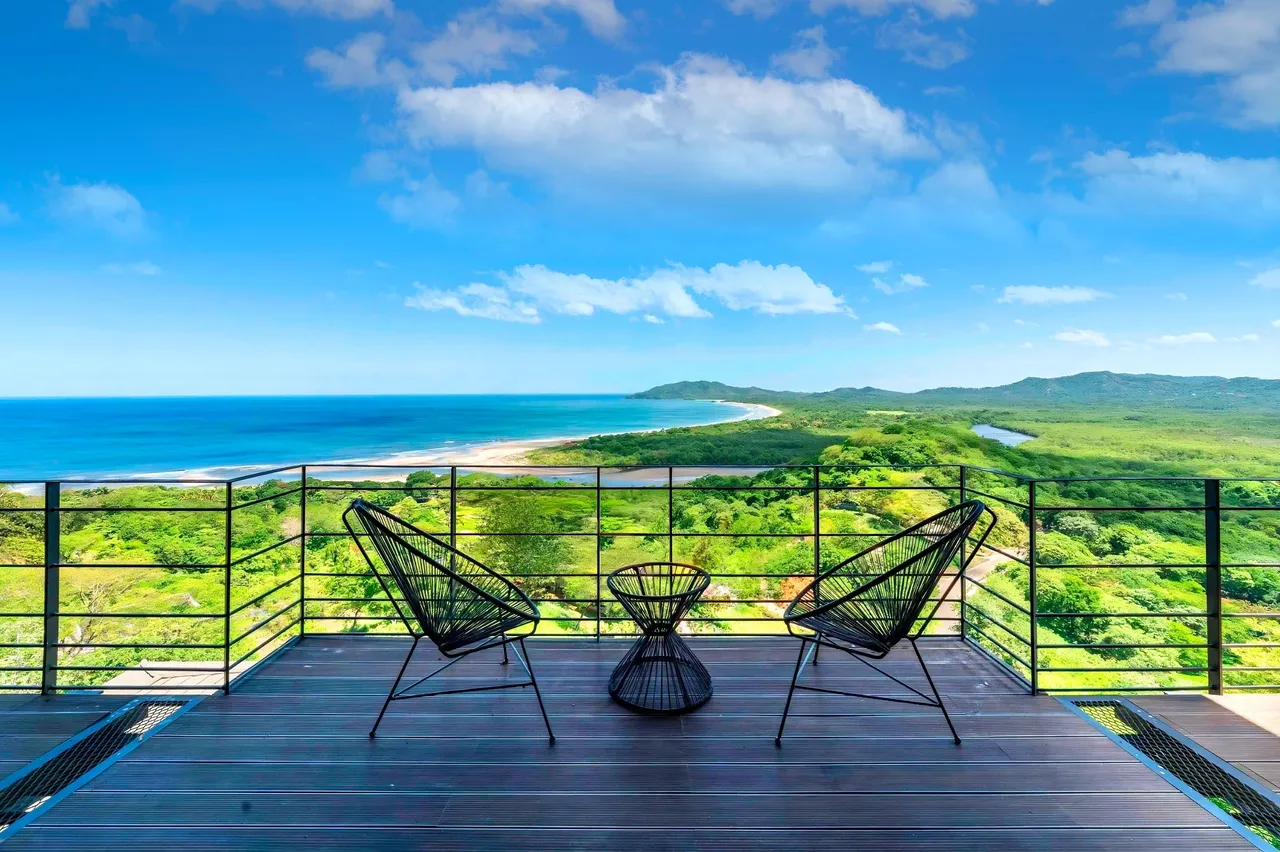
When comparing El Salvador and Costa Rica, we’re looking at two Central American nations with distinct personalities. Both countries offer stunning landscapes and rich cultural traditions, yet they differ significantly in areas like tourism, economy, and safety.
Travelers comparing El Salvador and Costa Rica are usually deciding between two very different styles of trip: one built around established nature tourism and comfort, and another centered on culture, surf, and emerging destinations. The most helpful comparisons go beyond headlines and look at how the experience feels day to day—transportation, safety awareness, tour availability, and what kind of itinerary is realistic in a week. With that practical lens, it becomes much easier to choose the destination that fits your priorities.
We’ve explored these neighboring countries extensively and found that while Costa Rica boasts well-developed ecotourism and political stability, El Salvador presents a more off-the-beaten-path experience with emerging surfing destinations and a fascinating historical narrative. What aspects are you most curious about when choosing between these two destinations? Their differing approaches to conservation, perhaps, or their unique beach experiences?
Undecided Between Two Worlds? Discover a Third—Costa Rica
While Costa Rica and El Salvador offer their own unique adventures, Villagio Musca invites you to experience something equally unforgettable—quiet luxury on the Costa Rican coast. With two stunning villas in Tamarindo and Playa Del Coco, you’ll find the perfect balance of relaxation, style, and tropical charm. Book now or contact us to begin your journey.
El Salvador vs Costa Rica: A Comprehensive Comparison
El Salvador and Costa Rica present distinct travel experiences despite their shared Central American geography. These neighboring countries offer different advantages in terms of tourism infrastructure, natural attractions, cost of living, and cultural experiences.
Geography and Natural Landscapes
Costa Rica’s landscape features remarkable biodiversity across its 19,730 square miles, including rainforests, cloud forests, beaches, and volcanoes. The country’s commitment to conservation has preserved 25% of its land as protected areas, creating havens for wildlife viewing and ecotourism.
El Salvador, while smaller at 8,124 square miles, boasts diverse landscapes ranging from volcanic peaks to Pacific coastline. The country’s terrain includes lush coffee-growing highlands, pristine beaches like El Tunco, and volcanic features such as Santa Ana Volcano and Lake Coatepeque. Its compact size makes traveling between different regions convenient, allowing visitors to experience mountains and beaches in a single day.
Culture and Heritage
El Salvador’s cultural identity blends indigenous traditions with Spanish colonial influences. The country preserves its heritage through colorful festivals, traditional crafts like indigo dyeing, and archaeological sites including Joya de Cerén (the “Pompeii of the Americas”) and Tazumal. Salvadoran cuisine highlights dishes such as pupusas, corn-based flatbreads filled with cheese, beans, or meat.
Costa Rica displays a more modern cultural outlook with strong environmental values integrated into everyday life. The “Pura Vida” philosophy permeates Costa Rican society, emphasizing simple living and appreciation of life’s pleasures. Traditional oxcarts (painted wooden carts), marimba music, and indigenous crafts represent the country’s artistic heritage, while the cuisine features tropical ingredients in dishes like gallo pinto and casado.
Tourism Infrastructure
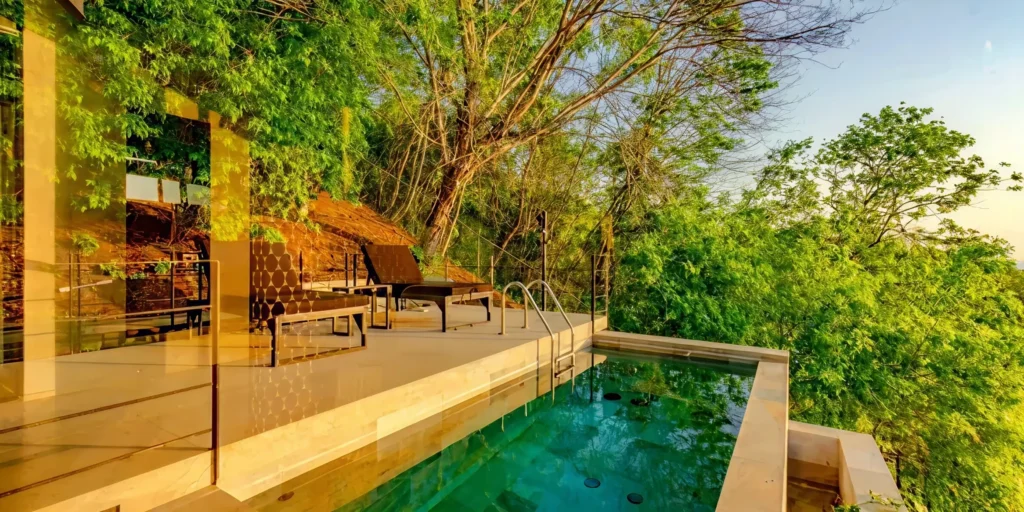
Costa Rica has developed world-class tourism facilities over decades of welcoming international visitors. The country offers various accommodation options from luxury eco-lodges to budget-friendly hostels. Well-established tour operators provide activities ranging from zip-lining to wildlife tours, and transportation networks connect major destinations efficiently.
El Salvador’s tourism sector is growing but remains less developed than Costa Rica’s. Visitors find fewer large resorts but more authentic local experiences. The emerging surf tourism industry has created beach towns with accommodations catering to wave seekers. Transportation can be more challenging, though improving infrastructure now connects major attractions.
Costa Rica’s advantage is not just popularity, but the consistency of its visitor experience. In many regions, travelers can expect clearer signage, more standardized tour operations, and a wider range of lodging and transportation options that support flexible itineraries. That structure can be especially valuable for first-time visitors to Central America, families, or travelers who prefer a smoother planning process with dependable logistics.
Cost Considerations
El Salvador generally offers more affordable travel experiences than Costa Rica. Accommodations, meals, and activities typically cost 30-40% less than equivalent options in Costa Rica. Budget travelers can enjoy comfortable stays for $30-50 per night and restaurant meals for $5-10.
Costa Rica’s tourism costs rival those in many developed countries. Mid-range hotels average $100-150 per night, while popular tours and activities range from $50-100 per person. However, the investment provides access to well-maintained facilities, trained guides, and established conservation programs.
Safety and Accessibility
Costa Rica maintains a reputation as one of Central America’s safest countries for travelers. The stable democratic government, absence of standing army, and focus on sustainable development create a secure environment for tourists. Direct flights connect major international hubs to San José and Liberia airports.
El Salvador has worked to improve safety conditions following years of civil unrest. While certain areas require caution, popular tourist destinations now implement security measures for visitors. The international airport near San Salvador offers connections to major cities, though fewer direct flights exist compared to Costa Rica.
Safety is experienced differently depending on where you stay, how you move around, and what activities you choose. In both countries, travelers tend to do best when they stick to well-known areas, use reputable transportation, and keep situational awareness similar to any international destination. For most visitors, the practical goal is not to eliminate risk entirely, but to plan smartly—choosing neighborhoods and routes that match your comfort level and travel style.
Geographic and Demographic Overview
El Salvador and Costa Rica present distinct geographic and demographic profiles despite their shared location in Central America. These differences significantly impact tourism experiences, economic development, and cultural characteristics in each country.
Land Features and Climate
Costa Rica encompasses 51,100 square kilometers of remarkably diverse terrain, with mountain ranges and volcanoes creating multiple climate zones. The country boasts 800 miles of coastline split between the Pacific Ocean and Caribbean Sea, offering vastly different beach experiences on each side. Costa Rica’s climate varies by region, with the Central Valley enjoying spring-like conditions year-round, coastal areas experiencing tropical heat, and mountainous regions featuring cooler temperatures. The country’s commitment to environmental conservation has preserved 25% of its land as protected parks and reserves, housing an incredible 5% of the world’s biodiversity in just 0.03% of Earth’s surface.
El Salvador, Central America’s smallest country at just 21,041 square kilometers, packs impressive geographic diversity into its compact territory. The landscape features two parallel mountain ranges with numerous volcanic peaks, fertile valleys, and 307 kilometers of Pacific coastline. El Salvador’s tropical climate creates two distinct seasons: the dry season (November to April) and the rainy season (May to October). The country’s volcanic soil supports rich agricultural production, especially coffee, which has been central to El Salvador’s economy for generations. Despite its size, El Salvador contains striking natural features like Lake Coatepeque, a crater lake formed in a volcanic caldera.
Population and Demographics
Costa Rica’s population of approximately 5.1 million enjoys one of the highest life expectancy rates in the Americas at 80 years. The population density averages 97 people per square kilometer, with most Costa Ricans concentrated in the Central Valley around San José. The country maintains a 97.8% literacy rate, supported by free and mandatory education. Costa Rica’s ethnic composition includes 84% white/mestizo residents, with significant Afro-Caribbean communities on the eastern coast and indigenous populations in remote regions. Spanish serves as the official language, though English is widely spoken in tourist areas and business centers.
El Salvador has a more densely populated landscape with 6.5 million people living within its borders, creating a density of 313 people per square kilometer—three times higher than Costa Rica. San Salvador, the capital city, houses nearly one-third of the nation’s population. El Salvador’s demographics show a predominantly mestizo population (86.3%), with smaller white (12.7%) and indigenous (1%) groups. The country faces different demographic challenges than Costa Rica, including a younger population with a median age of 27.6 years and significant emigration patterns that have created large Salvadoran communities abroad, particularly in the United States. How might these population differences shape your travel experience in each country?
Cultural Heritage and Traditions
El Salvador and Costa Rica each possess rich cultural heritages that reflect their unique historical paths and social evolutions. These traditions manifest in distinct ways, from artistic expressions to celebratory events that showcase the heart and soul of these Central American nations.
Historical Influences
El Salvador’s cultural identity stems from a blend of indigenous Pipil traditions and Spanish colonial influences dating back to the 16th century. The Pipil people left a lasting impact on Salvadoran culture through their language, agricultural practices, and spiritual beliefs. After independence in 1821, El Salvador developed a national identity that honors these indigenous roots while incorporating European elements.
Costa Rica’s historical development took a different path. Though Spanish colonization similarly shaped its early history, Costa Rica experienced less indigenous influence due to a smaller pre-Columbian population. The country’s relative isolation during colonial times fostered a more egalitarian society where small-scale farming became common. This agricultural tradition contributed to Costa Rica’s reputation as a peaceful democracy with progressive values that continue to influence its cultural expressions today.

Both countries endured political upheavals in the 20th century that shaped their cultural narratives. El Salvador’s civil war (1979-1992) produced powerful artistic movements focused on social justice and human rights. Costa Rica, after abolishing its military in 1949, channeled resources toward education and social programs, creating a cultural environment that emphasizes conservation and civic participation.
Arts and Celebrations
El Salvador’s artistic traditions flourish through vibrant folk art, particularly in ceramics and textiles. The town of La Palma stands out for its distinctive colorful paintings depicting rural life, developed by artist Fernando Llort. Salvadoran literature gained international recognition through writers like Roque Dalton, whose poetry addresses themes of national identity and social struggle.
In Costa Rica, artistic expression often connects with the country’s natural environment. The colorfully painted oxcarts (carretas) represent an iconic symbol of Costa Rican craftsmanship, recognized by UNESCO as Intangible Cultural Heritage. Contemporary Costa Rican art frequently explores ecological themes, reflecting the nation’s commitment to environmental preservation.
Festival traditions reveal each country’s cultural priorities. El Salvador celebrates numerous religious festivals, with Holy Week processions in Sonsonate and the August Festival of San Salvador drawing large crowds. The November celebration of Day of the Dead (Día de los Difuntos) features family gatherings at cemeteries with offerings of food and flowers.
Costa Rica’s most significant celebrations include the Palmares Festival in January, featuring rodeos and concerts, and the pilgrimage to Cartago for the feast of La Negrita, the country’s patron saint. The country’s independence day on September 15th involves patriotic parades with traditional folk dancing and music performances.
Music and dance traditions also distinguish these cultures. El Salvador preserves indigenous rhythms through instruments like the marimba and pito flute in its folk music. Traditional dances like El Baile de la Yegüita portray historical narratives combining indigenous and colonial influences.
Costa Rican musical traditions incorporate more Caribbean influences, especially along its eastern coast. The traditional folk dance El Punto Guanacasteco showcases the country’s Spanish heritage with elegant movements and colorful costumes. How does each country’s historical journey shape the artistic expressions that resonate most with you?
Economic Landscape
El Salvador and Costa Rica present contrasting economic realities despite their geographic proximity in Central America. These differences shape not only the daily lives of citizens but also influence the experience visitors have in each country.
Business Climate and Industries
El Salvador’s economy relies heavily on manufacturing, particularly textiles and apparel in export processing zones. The country adopted the US dollar as its official currency in 2001, which eliminated exchange rate risk but limited monetary policy options. Small businesses and the informal sector employ a significant portion of Salvadorans, with remittances from abroad (approximately $6 billion annually) serving as a crucial economic lifeline. Recently, El Salvador made headlines as the first country to adopt Bitcoin as legal tender, a controversial move aimed at attracting tech investment and reducing remittance costs.
Costa Rica, in contrast, has developed a more diversified economy focused on high-value sectors. The country has successfully attracted foreign direct investment in technology, medical devices, and pharmaceutical industries, hosting operations from companies like Intel and Boston Scientific. Costa Rica’s strong commitment to education (investing 7.4% of GDP in education) has created a skilled workforce that supports these knowledge-based industries. The country’s stable political environment and strong institutions have earned it the nickname “Switzerland of Central America,” reflecting its business-friendly reputation compared to regional neighbors.
Tourism Sectors
Tourism contributes significantly to both economies but operates on different models. Costa Rica’s tourism sector generates approximately 8.2% of GDP and has developed around an eco-tourism framework that commands premium prices. The country attracts over 3 million visitors annually who spend an average of $1,400 per trip, with many coming for wildlife viewing, adventure activities, and wellness retreats. Costa Rica’s tourism infrastructure includes international hotel chains, certified eco-lodges, and specialized tour operators focused on sustainable tourism practices.
El Salvador’s tourism sector contributes about 5% to GDP but has seen rapid growth, particularly in surf tourism. The country’s 300 kilometers of coastline features world-class breaks like El Sunzal and Punta Roca, attracting international surfing competitions and enthusiasts. Tourism initiatives like the Surf City project aim to develop El Salvador’s Pacific coast as a premier surfing destination. Cultural tourism centered around colonial architecture, archaeological sites, and coffee plantation tours provides additional draws beyond the beach. Visitors to El Salvador typically spend less per day than in Costa Rica, averaging $115 daily, but benefit from overall lower costs.
Both countries face economic challenges, including income inequality and regional development disparities. How might these economic differences influence your travel experience in each destination?
Quality of Life
The quality of life in El Salvador and Costa Rica differs significantly, reflecting each country’s development priorities and economic status. Costa Rica generally ranks higher in international quality of life indices, while El Salvador has made notable improvements in recent years.
Healthcare and Education
Costa Rica’s healthcare system ranks among the best in Latin America, with universal coverage that provides access to quality medical services for all citizens. The country invests 7.3% of its GDP in healthcare, resulting in a life expectancy of 80.3 years—comparable to many developed nations. Costa Rican hospitals in major cities like San José offer modern facilities and specialized treatments, making medical tourism increasingly popular.
El Salvador’s healthcare system, while improving, faces greater challenges with accessibility and resource distribution. Public hospitals often experience overcrowding and medication shortages, though private healthcare options in urban centers provide better services. The country spends approximately 4.5% of its GDP on healthcare, with a life expectancy of 73.7 years.
Education shows similar contrasts between the two nations. Costa Rica abolished its military in 1949, redirecting funds toward education and healthcare. This investment has resulted in a 97.9% literacy rate and free, mandatory education through secondary school. The University of Costa Rica consistently ranks among Latin America’s top educational institutions.
El Salvador’s educational system continues to develop, with an 89.1% literacy rate and mandatory education through ninth grade. Urban schools generally provide better educational opportunities than rural institutions, where access remains limited. Recent government initiatives have expanded technology in classrooms and improved teacher training programs.
Cost of Living
Daily expenses vary considerably between these Central American neighbors. El Salvador adopted the US dollar as its official currency in 2001, which has stabilized prices but can make imports expensive. A typical meal at a local restaurant costs $4-6, while monthly rent for a one-bedroom apartment in urban areas averages $300-400.
Costa Rica has a higher cost of living, reflecting its more developed economy and tourism infrastructure. Restaurant meals typically cost $8-12, and monthly rent for comparable accommodations averages $500-700 in city centers. Grocery prices in Costa Rica exceed those in El Salvador by approximately 30%, with imported goods commanding premium prices.
Utilities, including electricity, water, and internet, cost about $100-150 monthly in both countries, though El Salvador’s electricity rates rank among the highest in Central America. Transportation costs remain affordable in both nations, with public bus fares starting at $0.25 in El Salvador and $0.70 in Costa Rica.
Housing affordability presents stark differences. In El Salvador, property prices have remained relatively stable, with average home values in San Salvador around $1,200 per square meter. Costa Rican real estate, particularly in desirable areas like the Central Valley and coastal zones, has appreciated significantly, with prices averaging $1,800-2,500 per square meter.
For expatriates and retirees, both countries offer attractive cost advantages compared to North America and Europe, though Costa Rica’s established expatriate communities often come with higher price tags. How much value do you place on infrastructure and amenities versus overall affordability when considering quality of life?
Travel Experience
The travel experience in El Salvador and Costa Rica offers distinct adventures for tourists seeking Central American destinations. Both countries provide memorable experiences but differ significantly in what they offer visitors, from natural attractions to local interactions.
Top Tourist Destinations
Costa Rica’s top destinations showcase its commitment to ecological preservation and natural beauty. Manuel Antonio National Park combines rainforest trails with pristine beaches, allowing visitors to observe sloths, monkeys, and diverse bird species in their natural habitat. Arenal Volcano stands as an iconic landmark where travelers enjoy hot springs, hiking trails, and stunning views of the perfectly conical volcano. The Monteverde Cloud Forest Reserve offers canopy tours and hanging bridges through misty, biodiverse forests home to over 400 bird species, including the resplendent quetzal.
El Salvador’s top destinations reflect its volcanic landscape and cultural heritage. Ruta de las Flores connects five colorful colonial towns nestled in the western highlands, featuring weekend food festivals and nearby coffee plantations. El Tunco Beach has emerged as a world-class surfing destination with consistent waves and a laid-back atmosphere perfect for beginners and experienced surfers alike. Joya de Cerén, often called the “Pompeii of the Americas,” preserves a pre-Hispanic farming village buried by volcanic ash, offering insights into everyday Mayan life 1,400 years ago.
Safety and Accessibility
Costa Rica ranks as one of the safest destinations in Central America, with a strong tourism infrastructure supporting foreign visitors. The country maintains political stability and has abolished its military since 1949, redirecting those resources toward education and healthcare. Major tourist areas like San José, Manuel Antonio, and Tamarindo feature robust security measures, though petty theft occurs occasionally in crowded areas. International connections are excellent, with Juan Santamaría International Airport serving as a major hub with direct flights from North America and Europe.
El Salvador has transformed its safety landscape in recent years but requires more awareness from travelers. The government has implemented targeted security measures in tourist zones, significantly reducing crime rates in areas like El Tunco, La Libertad, and Ruta de las Flores. The compact size of El Salvador makes internal travel efficient, with most destinations reachable within 3-4 hours from San Salvador. El Salvador International Airport offers fewer direct international connections than Costa Rica, but flights from major U.S. cities make access straightforward for North American travelers.
What aspects of travel safety matter most to you when planning an international trip? Are you drawn to established tourist infrastructure or more authentic, emerging destinations?
Political Systems and Stability
Government Structures
El Salvador and Costa Rica operate with distinct governmental frameworks that shape their political landscapes. El Salvador functions as a presidential republic with a unicameral Legislative Assembly consisting of 84 deputies elected for three-year terms. The president serves as both head of state and government for a five-year term, with no immediate reelection permitted. This system underwent significant transformation following the 1992 peace accords that ended the country’s 12-year civil war.
Costa Rica’s democratic system stands as one of Latin America’s most enduring, operating continuously since 1949. Its government features a unicameral Legislative Assembly with 57 members and a president elected for four-year terms. The country’s stability stems from its decision to abolish its military in 1948, redirecting those funds toward education, healthcare, and social programs. This choice has earned Costa Rica recognition as the “Switzerland of Central America” for its political neutrality and focus on peaceful development.
Political Stability and Challenges
The political trajectories of these nations have diverged significantly over the past decades. Costa Rica enjoys remarkable political stability with peaceful transitions of power and strong democratic institutions. The country ranks 19th globally on the 2023 Democracy Index, reflecting its commitment to democratic governance and civic freedoms. Its political environment fosters predictable policy-making, which attracts foreign investment and supports economic growth.
El Salvador has experienced a more turbulent political journey. Following its civil war (1980-1992), the country has worked to establish democratic institutions, though political polarization remains prevalent. President Nayib Bukele, elected in 2019, has implemented controversial security measures that have dramatically reduced gang violence but raised concerns about democratic backsliding. His administration’s approach includes adopting Bitcoin as legal tender in 2021—a move that generated both international attention and domestic criticism.
Rule of Law and Judicial Independence
The strength of judicial systems in both countries reveals significant contrasts. Costa Rica’s judiciary enjoys substantial independence, ranking among the strongest in Latin America. The country’s Supreme Court actively checks executive power, and its Constitutional Chamber frequently rules on government actions. This robust separation of powers has helped maintain democratic governance and public trust in institutions.
El Salvador’s judicial system faces ongoing challenges with independence. Recent reforms have included removing judges over 60 years of age and restructuring the Supreme Court, actions that international observers have questioned. Despite these concerns, the country has made progress in combating corruption, though patronage networks and political influence still affect judicial proceedings in some instances.
Security Policies and Outcomes
Security approaches in these nations reflect their differing governmental priorities. El Salvador has adopted a hardline security policy under President Bukele’s administration, declaring a “war on gangs” that has led to mass arrests of over 70,000 suspected gang members since March 2022. This controversial strategy has dramatically reduced homicide rates—from one of the world’s highest to among the lowest in Central America—but has prompted human rights concerns regarding due process and prison conditions.
Costa Rica maintains lower crime rates through community-oriented policing and prevention programs. The country’s security framework emphasizes social inclusion, education, and addressing root causes of crime rather than solely pursuing punitive measures. While facing challenges from drug trafficking due to its geographic position, Costa Rica’s approach prioritizes maintaining civil liberties alongside public safety, resulting in security outcomes that support its tourism-dependent economy.
Are you wondering how these political differences might affect your travel experience? The political environment directly impacts tourist safety, infrastructure development, and the overall atmosphere you’ll encounter in each country.
Environmental Conservation Efforts
Costa Rica’s Conservation Leadership
Costa Rica’s commitment to environmental preservation stands as a global model. The country protects approximately 25% of its total land area through an extensive system of national parks, wildlife refuges, and biological reserves. This conservation network safeguards critical habitats for numerous endangered species, including jaguars, tapirs, and scarlet macaws.
The success of Costa Rica’s conservation programs stems from innovative policies like Payments for Environmental Services (PES), which compensates landowners for maintaining forests. Between 1990 and 2015, Costa Rica increased its forest cover from 21% to over 50% – a remarkable achievement in forest regeneration. The country’s ambitious goal to become carbon-neutral by 2050 further demonstrates its environmental dedication.
Ecotourism serves as both an economic driver and conservation tool in Costa Rica. Visitor fees from popular destinations like Manuel Antonio National Park and Monteverde Cloud Forest Reserve directly fund protection efforts and create sustainable livelihoods for local communities.
El Salvador’s Growing Environmental Initiatives
El Salvador faces significant environmental challenges but has made notable progress in recent years. The country’s conservation efforts focus on protecting its remaining forest areas, which cover approximately 14% of the national territory. Key protected areas include El Imposible National Park and Montecristo National Park, which preserve crucial watersheds and biodiversity hotspots.
The Trifinio Plan, a tri-national initiative between El Salvador, Guatemala, and Honduras, protects the shared watershed of the Lempa River – a vital water source for millions. Community-based conservation projects have gained momentum, with local organizations leading reforestation efforts and sustainable farming practices across the country.
El Salvador’s coastal conservation has also advanced, with marine protected areas established to safeguard coral reefs and nesting sites for endangered sea turtles. The country’s “Environmental Strategy and Climate Change” plan outlines goals for reducing deforestation, protecting watersheds, and building climate resilience.
Comparing Conservation Approaches
Both countries approach conservation differently based on their unique challenges. Costa Rica’s well-established programs benefit from decades of consistent policy support and international recognition. The country’s conservation success partially stems from its early decision to abolish its military in 1949, redirecting funds toward environmental protection and education.
| Conservation Metric | Costa Rica | El Salvador |
|---|---|---|
| Protected land (% of territory) | 25% | 14% |
| Forest cover | 52% | 14% |
| Number of national parks | 29 | 8 |
| Biodiversity (species count) | ~500,000 | ~10,000 |
| Annual ecotourism revenue | $3.5 billion | $0.8 billion |
El Salvador implements more targeted programs to address specific environmental threats like soil erosion and water pollution. Recent initiatives include the National Restoration Program, which aims to restore degraded lands through agroforestry systems and sustainable agriculture.
How might these different conservation approaches affect your travel experience? In Costa Rica, you’ll find well-maintained trails, professional guides, and comprehensive visitor information throughout the national park system. El Salvador offers more off-the-beaten-path experiences where you can observe conservation in action through community-led initiatives.
Public Awareness and Environmental Education
Costa Rica’s environmental consciousness runs deep, with conservation values integrated into the national education system. School children regularly participate in reforestation projects, beach cleanups, and wildlife monitoring programs. The country’s “Blue Flag” program certifies beaches that maintain high environmental and safety standards, encouraging community participation in coastal protection.
El Salvador has expanded environmental education in recent years, particularly in rural communities where sustainable farming practices help reduce pressure on natural resources. Programs like “Guardians of the Environment” train local youth as conservation ambassadors in their communities. Public awareness campaigns highlight the connection between healthy ecosystems and economic prosperity.
What conservation activities interest you most when traveling? Both countries offer opportunities to participate in sea turtle conservation, tree planting, and community-based ecotourism that directly supports local conservation efforts.
If your decision leans toward Costa Rica for its infrastructure, beaches, and easy access to excursions, choosing the right home base becomes part of the experience. Coastal towns can deliver very different vibes—some are lively and social, others are calmer and more private—so your lodging location matters as much as the country choice itself. For travelers seeking quiet luxury with access to dining, beaches, and day trips, staying in a well-positioned villa can offer the comfort of a retreat while keeping the best of the coast within reach.
Conclusion
Both El Salvador and Costa Rica offer distinctive Central American experiences that cater to different traveler preferences. Costa Rica stands out for its established ecotourism robust conservation efforts and political stability while El Salvador beckons with authentic cultural immersion affordability and emerging surf destinations.
We’ve seen how these nations differ in everything from landscape to politics cost of living to safety. Costa Rica’s “Pura Vida” philosophy and biodiversity make it perfect for nature enthusiasts seeking comfort while El Salvador’s volcanic terrain and rich heritage appeal to adventurous travelers looking for off-the-beaten-path experiences.
Ultimately your choice depends on what you value most in your travels. Whether it’s Costa Rica’s ecological paradise or El Salvador’s cultural authenticity both destinations promise unforgettable Central American adventures.
Frequently Asked Questions
Which country is safer for tourists: El Salvador or Costa Rica?
Costa Rica is generally considered safer for tourists and ranks as one of the safest countries in Central America. It has stable political conditions and well-established tourism infrastructure. While El Salvador has made significant improvements in tourist safety, particularly in popular destinations, some areas still require caution. Both countries have safe tourist zones, but travelers should always maintain awareness of their surroundings.
Is El Salvador or Costa Rica more affordable for travelers?
El Salvador offers more affordable travel experiences overall. Accommodation, food, transportation, and activities typically cost less than in Costa Rica. Costa Rica’s prices are closer to those in developed countries, reflecting its high-quality tourism infrastructure and services. Budget travelers can stretch their dollars further in El Salvador, while Costa Rica provides excellent value for those seeking premium experiences.
What are the must-visit attractions in Costa Rica?
Costa Rica’s top attractions include Manuel Antonio National Park, with diverse wildlife and beautiful beaches; Arenal Volcano, offering hot springs and adventure activities; Monteverde Cloud Forest Reserve, famous for its biodiversity and canopy tours; and Tortuguero National Park, known for sea turtle nesting. The country’s extensive national park system and protected areas showcase its remarkable ecological preservation and natural beauty.
What unique experiences can I find in El Salvador?
El Salvador offers the scenic Ruta de las Flores, a route through charming towns with coffee plantations and waterfalls; El Tunco Beach, a world-class surfing destination; ancient Mayan ruins at Tazumal and Joya de Cerén (the “Pompeii of the Americas”); and vibrant cultural festivals showcasing indigenous and colonial heritage. Visitors can also explore volcanic landscapes, including the impressive Santa Ana volcano with its emerald crater lake.
When is the best time to visit these countries?
The dry season (December to April) is generally the best time to visit both countries. This period offers sunny days ideal for beaches and outdoor activities. Costa Rica’s green season (May to November) brings afternoon showers but fewer crowds and lush landscapes. El Salvador’s climate is similar, though slightly warmer year-round. Consider visiting during cultural festivals like Costa Rica’s Palmares Festival (January) or El Salvador’s Holy Week celebrations.
How does the food differ between Costa Rica and El Salvador?
El Salvador’s cuisine features pupusas (stuffed corn tortillas), yuca con chicharrón (cassava with pork), and seafood dishes. Costa Rican food centers around gallo pinto (rice and beans), casado (a plate with rice, beans, protein, and sides), and fresh tropical fruits. Both countries offer excellent coffee. El Salvador’s food tends to be more corn-based with indigenous influences, while Costa Rica’s cuisine reflects its agricultural heritage.
Do I need a visa to visit Costa Rica or El Salvador?
Most visitors from North America and Europe don’t need visas for either country for stays under 90 days. Both Costa Rica and El Salvador are part of the CA-4 Border Control Agreement, which allows tourists to travel between these countries and Guatemala, Honduras, and Nicaragua under one tourist card. Always check current requirements with official government sources or embassies before traveling, as policies may change.
How developed is the tourism infrastructure in each country?
Costa Rica has a highly developed tourism infrastructure with international hotel chains, well-maintained roads to major attractions, established tour operators, and excellent guides. El Salvador’s tourism sector is growing but less developed, offering more authentic local experiences and fewer crowds. Costa Rica’s ecotourism industry has decades of experience, while El Salvador is emerging as a destination, particularly for surf tourism.
Which country is better for ecotourism and nature experiences?
Costa Rica excels in ecotourism with 25% of its land protected in national parks and reserves. It offers world-renowned biodiversity, including 5% of the world’s species, well-established wildlife viewing opportunities, and sustainability programs. While El Salvador has beautiful natural areas, Costa Rica’s long-standing commitment to conservation, extensive protected areas network, and ecological research facilities make it the superior choice for dedicated nature enthusiasts.
Is English widely spoken in these countries?
English is more widely spoken in Costa Rica, especially in tourist areas, due to its developed tourism industry and educational system. In El Salvador, English proficiency is less common outside major hotels and tourist destinations. Learning basic Spanish phrases is helpful for both countries but particularly beneficial for traveling in El Salvador, where communicating with locals may require more Spanish language skills.
