
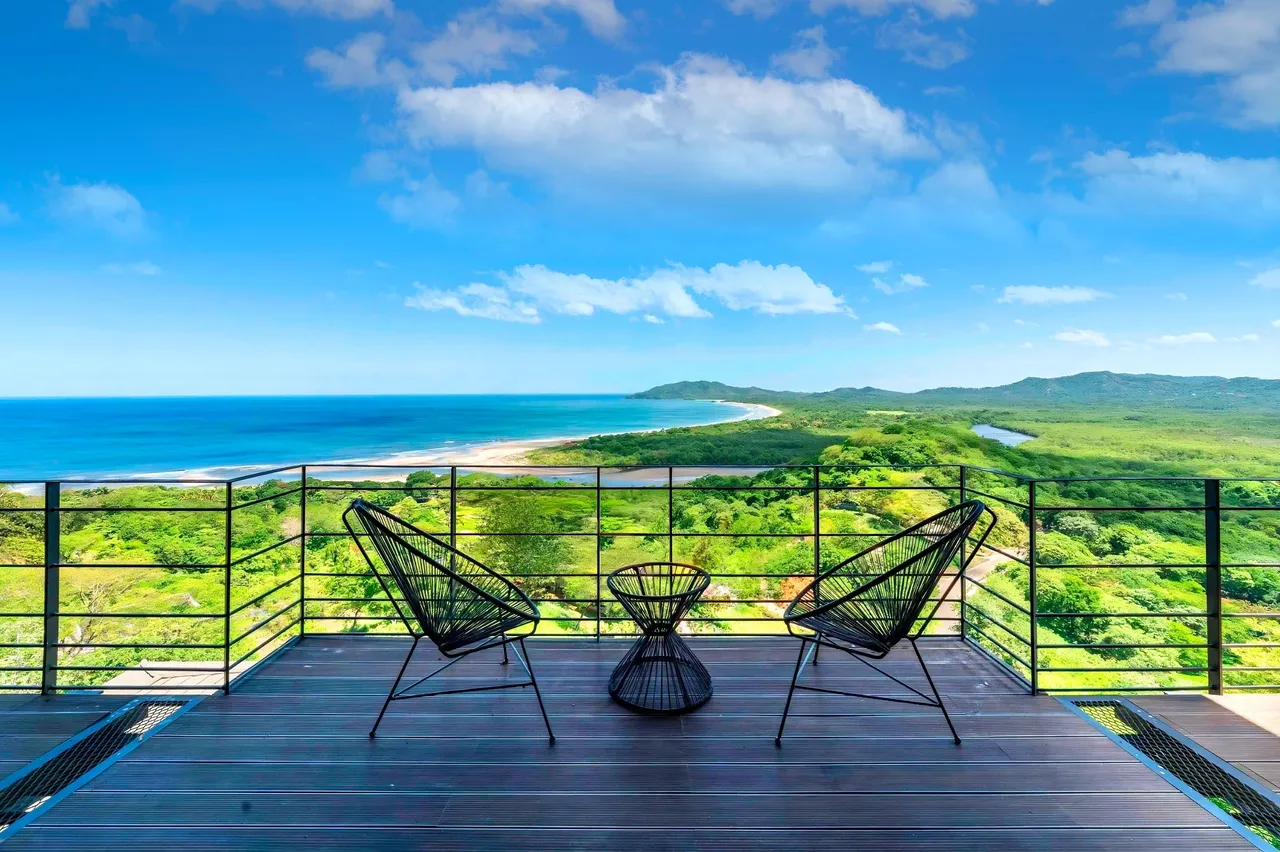
A villa wedding in Guanacaste isn’t a smaller version of a resort wedding — it’s a different structure entirely. You’re not choosing from a banquet menu and a ballroom package; you’re building the event from separate pieces (venue, catering, florals, sound, permits) and coordinating them yourself or through a planner. That’s more work upfront and considerably more control over the result. Here’s what that actually involves, and what tends to surprise people who’ve only planned resort or backyard events before.
Why Groups Choose a Villa Over a Resort Ballroom
The appeal isn’t just the view, though the Pacific-facing sunset ceremony photos do the marketing for themselves. It’s that a villa — especially a multi-villa estate — houses the ceremony, reception, and the entire guest list under one roof (or several) for the whole event. Nobody’s shuttling between a hotel room and a wedding venue at 11 p.m. Grandparents don’t need a taxi back to their room. The rehearsal dinner, the wedding day, and the day-after brunch can all happen on the same property without re-booking a venue for each.
The trade-off is real, though: a resort handles catering, staffing, and rentals as one package with one point of contact. A villa wedding means assembling that team yourself, which is where a villa with wedding experience — not just wedding-sized square footage — earns its keep.
How Many People Can Actually Fit
“How many guests can the property hold” is the first question every couple asks, and the honest answer depends on whether you mean seated dinner, cocktail-style reception, or ceremony-only attendance, because those numbers are different.
| Event Type | Comfortable Capacity Range | Space Typically Used |
|---|---|---|
| Ceremony (seated rows) | Higher than dinner capacity — rows take less space than round tables | Lawn, beach-adjacent terrace, or open-air deck |
| Seated plated dinner | Lower than ceremony capacity — round tables need more square footage per guest | Main terrace or dedicated event lawn |
| Cocktail-style reception | Highest capacity of the three — standing guests need less room | Pool deck, multiple outdoor zones combined |
| Overnight accommodation | Determined by bedroom count, not event capacity | Across all villas on the estate |
Ask any villa directly for their actual tested maximums for each format, not a marketing-page number — the real constraint is usually furniture layout and fire-code-style walkway clearance, not raw square footage.
The Permit and Vendor Reality in Guanacaste
Costa Rica doesn’t require a special event permit for a private ceremony held on private property, which simplifies things compared to a public beach ceremony (those do require municipal permission, and beach weddings held below the high-tide line are technically public land). Most villa weddings sidestep this by holding the ceremony on the villa’s own grounds with ocean views, rather than on the sand itself.
Legal marriage paperwork is a separate track from the ceremony. Many couples do the legal signing with a local attorney or notary (a “notario público” handles this in Costa Rica, distinct from a religious or symbolic officiant) either quietly beforehand or as a short legal moment separate from the ceremony guests see. If a fully legal Costa Rica marriage isn’t the goal, a symbolic ceremony with the marriage registered back home is common and simpler.
Choosing Between a Beachfront Ceremony and a Villa-Grounds Ceremony
Beach ceremonies photograph beautifully but come with real logistics: tide timing affects usable sand width, public beach access means other beachgoers may be present, and setup/breakdown has to happen within a tighter window since nothing can be left overnight on public sand. A villa-grounds ceremony — on a terrace or lawn with an ocean backdrop — trades a small amount of “sand between your toes” romance for full control over timing, guest flow, and the ability to decorate hours in advance and leave everything in place through the reception.
Most planners recommend villa-grounds ceremonies for groups over 40 guests specifically because of tide and access variables on public beach.
Booking Vendors: Catering, Florals, Photography, Music
Guanacaste has an established destination-wedding vendor network, concentrated around Tamarindo, Flamingo, and Playa Conchal, so this isn’t uncharted territory — but timelines run longer than a domestic wedding. Book photography and catering 9–12 months out for peak season (December–April), florals and music can typically be confirmed 4–6 months out given the tropical flower supply chain, and any vendor requiring imported specialty items (a specific cake style, certain linens) needs the longest lead time.
A villa with prior wedding hosting experience is worth prioritizing specifically because their staff already has working vendor relationships — that shortcuts weeks of research and reduces the risk of booking someone unfamiliar with the property’s power capacity, kitchen access, or setup logistics.
Multigenerational Logistics
Destination weddings usually mean grandparents, young kids, and everyone in between traveling together for several days, not just a single event night. This is where villa weddings actually outperform resort weddings: the property can house different generations in separate villas or wings, with shared common space for the event itself, so a grandparent gets a quiet room away from a late-night dance floor and parents with young kids have a bedroom close enough to check on a napping toddler mid-reception.
Build in at least one full “no events” day before the wedding for jet-lag recovery and one after for departures — cramming rehearsal, ceremony, and checkout into back-to-back days is the most common regret couples report afterward.
Wedding Planner vs. DIY Coordination
Couples split roughly into two camps here, and both can work. A destination wedding planner — either based in Guanacaste or a home-country planner with local partners — handles vendor coordination, timeline management, and the dozens of small decisions that come up in the final weeks, for a fee that typically runs a percentage of total event cost. DIY coordination, leaning on the villa’s own staff and a day-of coordinator rather than a full planner, saves that fee but puts the couple (or a very patient family member) in charge of chasing vendor confirmations and building the run-of-show timeline.
The deciding factor isn’t really budget — it’s how many other things the couple is already managing during the planning window, and whether the villa’s own staff has enough wedding-specific experience to fill the planner’s role informally. A property that has hosted several weddings already can often substitute for a chunk of what a planner would otherwise do, particularly on vendor recommendations and site logistics.
Rehearsal Dinners, Welcome Events, and the Day-After Brunch
A destination wedding usually isn’t a single event — it’s three or four, spread across the days your guests are already there. A welcome dinner the first night, the rehearsal dinner, the wedding itself, and a casual day-after brunch or beach gathering are the common shape. The advantage of hosting all of it at one villa estate is that none of these smaller events require a separate venue booking or transportation plan; they’re a matter of rearranging furniture and adjusting the catering order.
The mistake couples make is treating each of these as its own full production. A welcome dinner can be simple — family-style food, no formal seating chart — while the wedding day gets the full plated-dinner treatment. Save the budget and the planning energy for the event that actually needs it.
Photography Timing and Golden Hour on a West-Facing Coast
Guanacaste’s Pacific coastline faces west, which means sunset ceremonies get genuinely dramatic light — but it also means the timing window is narrower than people expect. Golden hour in Tamarindo typically falls in the 30–40 minutes before sunset, which shifts through the year (roughly 5:20–5:45 p.m. depending on season). A ceremony scheduled too early misses it entirely; one scheduled too late leaves no light for portraits. Most experienced photographers working the region will push back on a couple’s requested ceremony time if it doesn’t line up with that window — worth deferring to if it comes up, since it’s their actual job to know this.
Guest Gifting, Welcome Bags, and Small Touches That Matter
With guests committing several days and real travel expense to attend, a small welcome gesture goes further than it would at a local wedding — a welcome bag with sunscreen, a printed itinerary, and a bottle of water waiting in each guest’s room on arrival costs little and gets disproportionately good feedback. Villa staff can usually assemble and place these before guests check in, which is one advantage of a villa with existing wedding-hosting experience over one hosting its first event.
Budget Checklist
- Venue/villa rental — confirm whether multi-night minimums apply around the wedding date and whether the whole estate or specific villas are included.
- Catering — ask whether the villa has an in-house or preferred caterer versus requiring an outside vendor with kitchen access fees.
- Rentals — chairs, additional lighting, a dance floor surface, and a rain contingency tent (rainy season runs roughly May–November).
- Staffing — bartenders, servers, and event-day coordination beyond normal villa staff.
- Legal/officiant fees — notario público costs if pursuing a legally binding Costa Rica marriage.
- Guest transportation — airport transfers for the full guest list, not just the couple.
Frequently Asked Questions
How many guests can a villa estate wedding realistically host?
It depends entirely on the property and event format — ask for the venue’s tested seated-dinner maximum specifically, since that’s usually the tightest constraint, not the ceremony or cocktail capacity.
Do we need a permit for a private villa ceremony?
No special permit is required for a ceremony on private property. Beach ceremonies below the high-tide line are a different situation and may require municipal coordination.
Is a Costa Rica wedding legally binding?
It can be, through a notario público, but many couples choose a symbolic ceremony in Costa Rica and register the marriage legally in their home country instead, which simplifies paperwork.
What’s the best time of year for a villa wedding in Guanacaste?
December through April is dry season and the most popular window, meaning higher vendor demand and earlier booking deadlines. May through November is rainy season with lower rates and fewer crowds, but requires a rain contingency plan.
How far in advance should we book vendors?
Photography and catering 9–12 months out for peak season; florals and music 4–6 months out; anything requiring imported specialty items should be locked in as early as possible.
Can the villa handle catering, or do we need an outside vendor?
This varies by property. Ask specifically whether in-house catering is offered or whether outside caterers are permitted and what kitchen access fees apply.
Where do out-of-town guests stay if the villa is full?
Multi-villa estates can often absorb the full guest list across separate structures; for larger weddings, nearby villas or hotels in town are common overflow options, coordinated through group transportation.
What happens if it rains on the wedding day?
A rain contingency plan — typically a tented or covered indoor-outdoor space — should be built into the initial venue walkthrough, especially for events planned during rainy season (May–November).
Can grandparents and young kids comfortably attend a villa wedding?
Yes, and this is one of the format’s real advantages — separate villas or wings let different generations have their own space while sharing the event itself, rather than everyone being stacked in one hotel wing.
How long should the trip be for guests, not just the couple?
Most planners recommend a minimum of four to five days for guests to account for travel time, at least one rest day, and the wedding itself, rather than a quick in-and-out trip.
What’s the best time of day for a sunset ceremony?
Plan the ceremony to start roughly 30–40 minutes before sunset so photography captures golden hour rather than missing it — check the specific date’s sunset time rather than assuming a fixed hour, since it shifts through the year.
Should we plan a welcome event for guests?
A simple welcome dinner the first night is common and appreciated, especially for guests who’ve traveled a full day to attend — it doesn’t need the same formality or budget as the wedding day itself.
Recent Articles
See also Tamarindo Luxury Rentals: What “Luxury” Actually Buys You in Guanacaste and Tamarindo Beach Villas: How to Choose the Right Ocean-View Stay in Guanacaste.
Weighing a villa estate for your event? See Villagio Musca’s Tamarindo estate.