
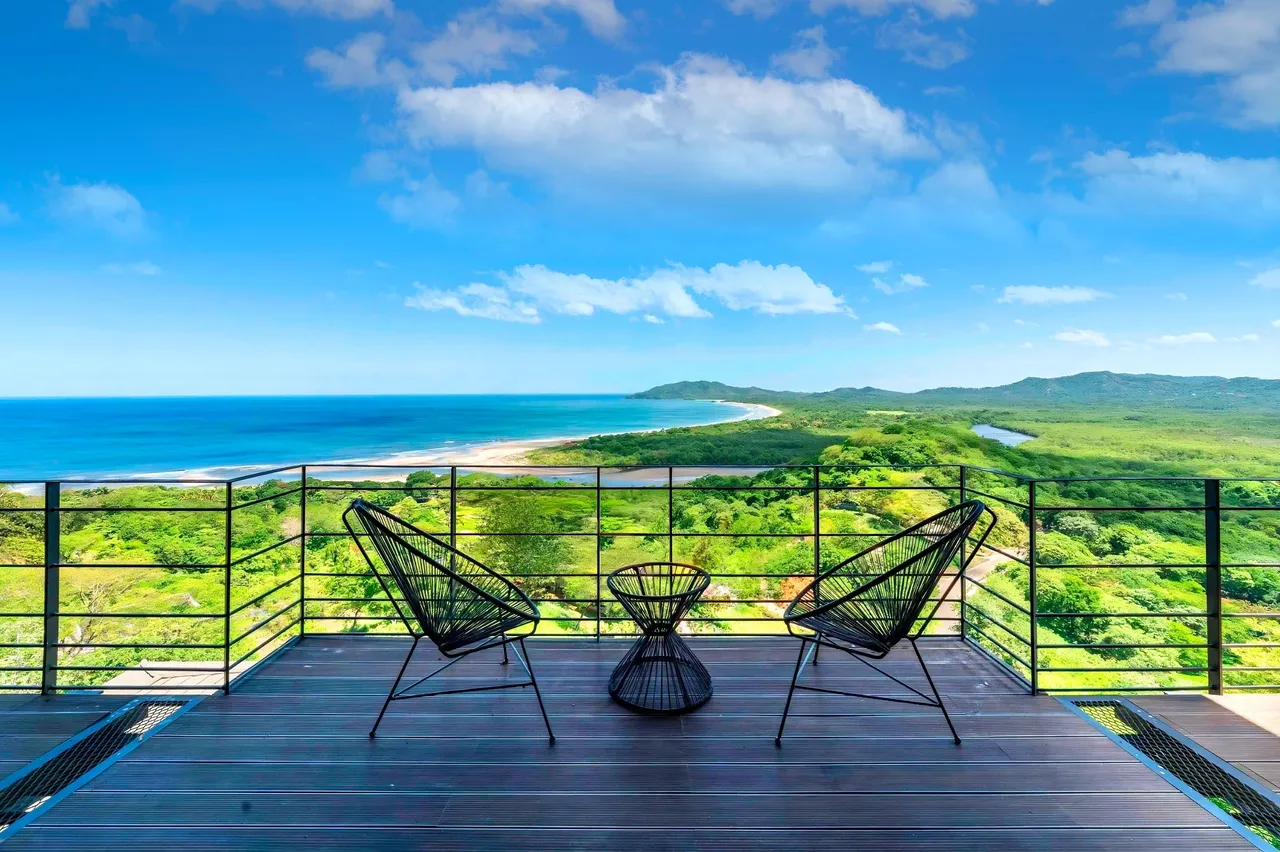
Grandparents and toddlers on the same Costa Rica trip sounds like a logistics headache until you actually break down what “accessible” needs to mean here — not wheelchair ramps and grab bars necessarily, but fewer stairs, shorter walks to the beach, a pool a two-year-old can wade into, and a bedroom on the ground floor so nobody’s doing a 6 a.m. staircase in the dark. Tamarindo can absolutely work for a three-generation trip. It just requires picking the right base and being honest about what a beach town with volcanic-sand streets and a walking-heavy layout can and can’t offer.
The Real Accessibility Question Nobody Asks
Most “family-friendly Tamarindo” content is written for parents of school-age kids who can walk half a mile to a smoothie bowl place without complaint. That’s not the same trip as one with an 18-month-old who naps twice a day and a 74-year-old who’s fine on flat ground but doesn’t love uneven cobblestone or soft beach sand for long stretches. The honest accessibility question for this specific combination is: how much distance and elevation change sits between the front door and the things you actually want to do — the beach, the pool, a restaurant, a grocery run — and how much of that can be removed or shortened.
Tamarindo town itself is walkable but not smooth. Sidewalks are inconsistent, some streets are unpaved, and golf carts and mopeds share the road with pedestrians. That’s charming for an afternoon stroll and less charming when you’re pushing a stroller one-handed while your dad navigates a pothole. The fix isn’t avoiding Tamarindo — it’s choosing a villa where the beach, pool, and daily needs don’t require that walk in the first place.
Getting There: Flights, Airport Transfers, and the San José vs. Liberia Decision
Fly into Liberia (LIR), not San José, if the itinerary allows it. Liberia’s Daniel Oduber Quirós International Airport sits roughly 45–60 minutes from Tamarindo by private transfer on paved roads, versus a four-to-five-hour drive from San José that nobody with a toddler or a grandparent wants to do after a red-eye. Direct flights to Liberia run from several U.S. hubs seasonally, so check routing before booking connections through San José out of habit.
Book a private transfer rather than a shared shuttle. It costs more, but it means no unplanned stops, a car seat you’ve actually confirmed is installed correctly, and the ability to leave whenever the group — not a shuttle schedule — is ready. Most villa rental teams, including ours, can arrange this directly so you’re not vetting a transfer company from your kitchen table six weeks out.
Uneven Ground Realities: Sidewalks, Sand, and Villa Layouts
Be direct with yourself about what “beachfront” means at a given property. Some Tamarindo-area villas are truly steps from firm, walkable sand; others are “beach access” via a path, a short drive, or a stretch of soft sand that turns a beach visit into a production for anyone using a cane or pushing a stroller. Ask specifically: how many steps from the pool deck to the sand, is the path paved or sand, and is there shade along it.
Inside the villa, ask about the bedroom layout before you ask about the view. A villa with a primary suite on the ground floor solves two problems at once — grandparents don’t manage stairs after a long travel day, and parents don’t carry a sleeping toddler up a flight at 9 p.m. Multi-villa estates have an advantage here that single houses often don’t: separate structures mean each generation gets a ground-floor entry and their own space, rather than everyone stacked on different floors of one house.
What a Toddler-and-Grandparent-Friendly Villa Actually Needs
Here’s the checklist worth running through with any property manager before you book, not after:
| Need | Why It Matters | What to Ask |
|---|---|---|
| Ground-floor bedroom | Removes stairs for grandparents and late-night toddler carries | “Is at least one bedroom fully ground-level, no interior stairs to reach it?” |
| Shallow pool zone or separate small pool | Toddlers need standing depth; grandparents want a spot to sit in the water without swimming laps | “What’s the shallowest depth and is there a step or bench?” |
| Shaded outdoor seating | Costa Rica sun is intense midday; naps and rest breaks happen outside too | “How much of the pool deck and terrace has shade by early afternoon?” |
| Full kitchen + grocery delivery | Toddler food schedules don’t bend for restaurant hours; grandparents often prefer eating in some nights | “Can groceries be pre-stocked or delivered before arrival?” |
| On-site or on-call staff | Someone who can call a doctor, fix an AC unit, or grab formula at 9 p.m. is worth more than an extra ocean view | “Is there a property manager or staff reachable on-site, not just by email?” |
| Private pool fencing or clear sightlines | Toddler supervision is easier when the pool is visible from the main living area | “Can the pool be seen from the kitchen or main living space?” |
Pool Safety and Multigenerational Swim Time
A private pool is the single biggest quality-of-life upgrade for this specific group. It removes the ocean-current conversation entirely for the youngest and oldest travelers — Tamarindo’s beach break is fine for confident swimmers but genuinely not the place to let a toddler test the water, and rip currents are a real consideration, not a brochure disclaimer. A villa pool with a shallow end and pool alarm (ask if one is available, and bring your own portable one if you want extra peace of mind) lets grandparents supervise from a chair instead of standing in surf.
Multi-villa estates often solve the “everyone wants different pool energy” problem too — one villa’s pool area for toddler splash time in the late morning, a quieter pool or terrace elsewhere for a grandparent’s reading hour in the afternoon. That kind of separation is hard to get in a single rental house where everyone shares one pool deck all day.
Medical Access and Peace of Mind
Tamarindo has a well-regarded private clinic in town (Clínica Hospital CIMA has a Liberia location roughly 45 minutes away for anything more serious, and several urgent-care-style clinics operate directly in Tamarindo for everyday needs like a fever, a cut, or dehydration). This matters more than it might seem to for a group with both a toddler and an older adult — knowing there’s a real clinic 10 minutes away, not a two-hour drive, changes how relaxed the trip actually feels. Ask your villa’s property manager for their go-to clinic recommendation and save the number before you land; most have one on speed dial already.
Travel insurance that covers medical evacuation is worth the cost for this trip specifically, given the age range traveling. It’s a small line item against a genuinely useful safety net.
A Five-Day Itinerary That Doesn’t Overdo It
The instinct with a big multigenerational trip is to pack the itinerary. Resist it. Build in recovery time and let the villa itself be an activity, not just a home base.
- Day 1 — Arrival and nothing else. Land, transfer, settle in. No excursions. Let the toddler nap on schedule and let grandparents decompress from the flight.
- Day 2 — Beach morning, pool afternoon. Short beach walk before the sun peaks, back to the villa pool by late morning, quiet afternoon.
- Day 3 — One planned outing, half-day only. A short boat trip, a nearby estuary tour, or a visit to Playa Grande — pick one thing and build the rest of the day around rest.
- Day 4 — Villa day. No plans. This is usually the day everyone says was their favorite.
- Day 5 — Slow morning, afternoon departure prep. Pack early, one last beach or pool session, avoid a rushed final-morning excursion before a flight.
Frequently Asked Questions
Is Tamarindo actually stroller-friendly?
Partially. Main roads and the beach boardwalk area are manageable; side streets and sand paths are not. Choose a villa where you don’t need the stroller for daily beach and pool access, and use it mainly for restaurant trips in town.
How far is Tamarindo from the airport?
About 45–60 minutes from Liberia (LIR) by private transfer, versus four to five hours from San José. Fly into Liberia if your routing allows it.
Are there grab bars or wheelchair-accessible features in Tamarindo villas?
Some do, most don’t as a standard feature — this is a region built around open-air, tropical design rather than accessibility retrofits. If a grandparent has specific mobility needs beyond “prefers to avoid stairs,” ask the property manager directly about bathroom layouts, doorway widths, and step counts before booking.
Is the tap water safe for a toddler?
Tamarindo’s municipal water is treated, but most villas and visiting families still default to bottled or filtered water for drinking, especially for toddlers. Ask if the villa provides a filtration system or stocks bottled water on arrival.
What’s the best age range for grandparents to bring a toddler to Costa Rica?
There’s no hard rule, but 18 months to 4 years tends to be easiest — old enough to nap predictably in a new environment, young enough that heat and long excursions aren’t as physically demanding as they become with an older, more active kid.
Do we need a rental car?
Not necessarily. If the villa is close to the beach and offers grocery delivery, many multigenerational groups do fine with private transfers for arrival/departure and occasional taxis or arranged drivers for outings, skipping the logistics of car seats and unfamiliar roads entirely.
How hot does it get, and is that a problem for older travelers?
Daytime temperatures typically run 85–92°F (29–33°C) with high humidity, especially December through April. Plan outdoor activities for morning or late afternoon, keep the villa’s shaded areas in regular use, and don’t schedule anything strenuous during the 11 a.m.–2 p.m. window.
Is Tamarindo safe for a family with young kids and older adults?
Tamarindo is one of the more established, tourism-familiar towns in Guanacaste with standard precautions — don’t leave valuables visible in a parked car, use villa safes, and stick to well-traveled areas at night, same as any beach destination.
What should we pack that people forget?
A portable pool alarm or floatation aid if you want extra reassurance beyond villa fencing, reef-safe sunscreen (some marine areas restrict non-reef-safe formulas), and any specific toddler food or formula brand — it’s not always available locally.
How many days is realistic for this kind of trip?
Five to seven days tends to hit the sweet spot: enough time to justify the travel, not so long that nap schedules and grandparent stamina start working against the group.
Recent Articles
For more on planning a Guanacaste stay, see Tamarindo Beach Villas: How to Choose the Right Ocean-View Stay in Guanacaste and Tamarindo Luxury Rentals: What “Luxury” Actually Buys You in Guanacaste.
Curious if a multi-villa layout fits your group? Take a look at Villagio Musca’s Tamarindo estate.