
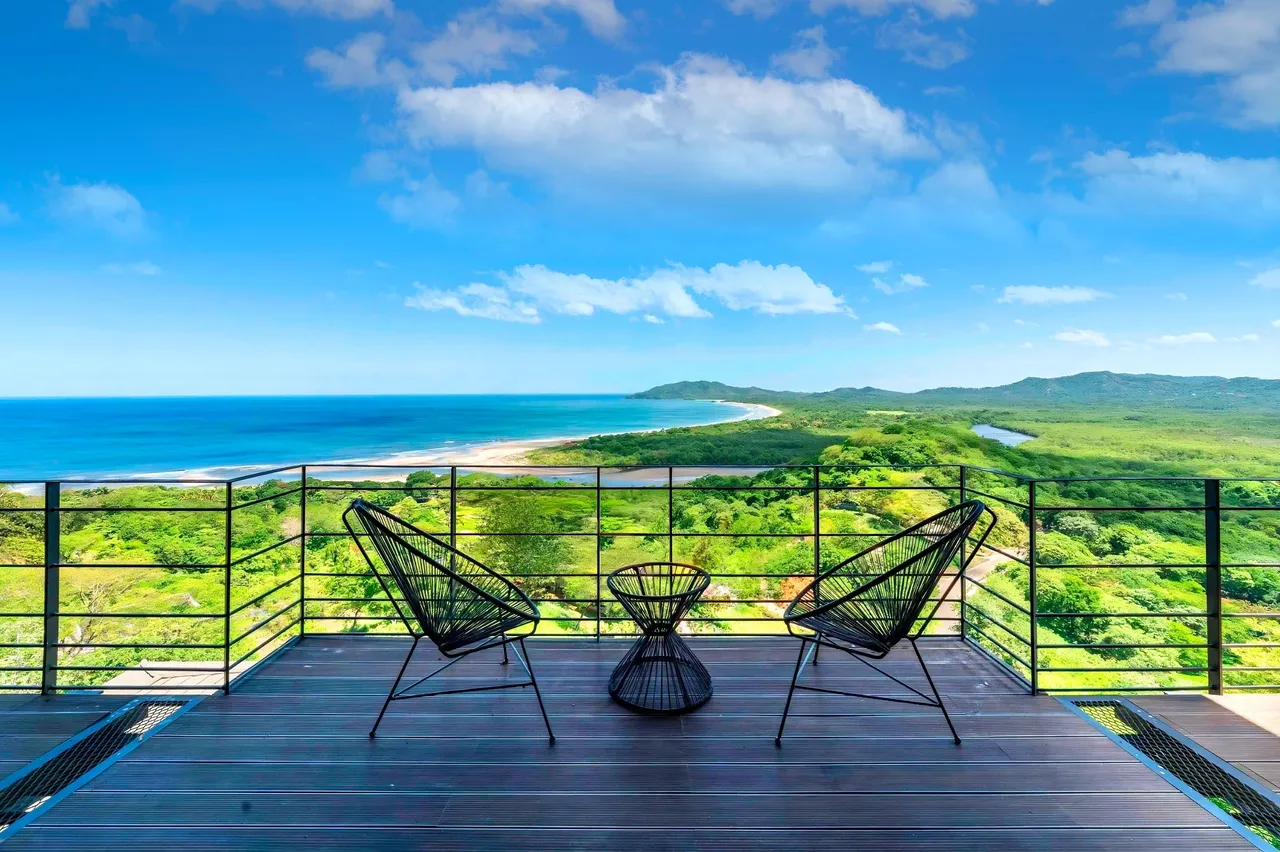
Dreaming of catching the perfect wave in tropical paradise? Costa Rica’s 800 miles of coastline offers world-class surfing opportunities for everyone from beginners to pros. With year-round warm water and consistent swells, it’s no wonder this Central American gem has become a surfer’s haven.
We’ve explored Costa Rica’s best surf spots to help you find the perfect home base for your wave-riding adventure. From the popular beaches of Tamarindo and Jacó to hidden gems like Dominical and Santa Teresa, your ideal surfing accommodation depends on your skill level, budget, and preferred vibe. Are you looking for luxury beachfront resorts with surf lessons or laid-back hostels where you can connect with fellow wave chasers?
Why Costa Rica Is a Premier Surfing Destination
Costa Rica’s 800 miles of Pacific and Caribbean coastline offer perfect waves for surfers at every level. From gentle beach breaks for beginners to powerful reef breaks for experienced surfers, this tropical paradise has it all. The consistent swells arrive year-round, creating reliable conditions that draw wave riders from across the globe.
The water temperature stays warm throughout the year, typically between 77-86°F (25-30°C), eliminating the need for thick wetsuits. This comfortable surfing environment lets you stay in the water longer, maximizing your time catching waves.
Beyond the surf, Costa Rica’s “Pura Vida” lifestyle creates a relaxed atmosphere that perfectly complements the surfing experience. After paddling out, you’ll find yourself surrounded by lush rainforests, exotic wildlife, and stunning beaches—all part of what makes surfing here so special.
The country’s well-developed tourism infrastructure makes travel between surf spots convenient, with many coastal towns featuring surf shops, board rentals, and qualified instructors. Whether you’re a first-timer or a seasoned pro, Costa Rica delivers world-class surfing conditions in a breathtaking natural setting.
Best Surfing Regions in Costa Rica
Costa Rica’s surfing regions cater to every skill level with diverse breaks and consistent swells. From beginner-friendly shores to advanced reef breaks, each area offers unique surfing experiences paired with stunning coastal views and amenities to match your surfing adventure.
The Pacific Coast Hotspots
The Pacific Coast dominates Costa Rica’s surf scene with world-class waves and vibrant surf communities. Guanacaste in the north features Tamarindo, a surf town with gentle waves for beginners and nearby Playa Grande’s more challenging breaks. Nearby Witch’s Rock and Ollie’s Point offer legendary point breaks for experienced surfers seeking adventure.
The Central Pacific region includes Jacó and Playa Hermosa, perfect for intermediate to advanced surfers. Jacó provides consistent waves year-round while Hermosa hosts international competitions on its powerful beach break. Just an hour south, Manuel Antonio combines national park wildlife with excellent surfing opportunities.
In the Southern Pacific, Dominical delivers powerful, consistent waves for intermediate and advanced surfers. Pavones, near the Panama border, boasts one of the world’s longest left breaks – with rides lasting up to 2 minutes when conditions align. These southern spots typically offer less crowded lineups and more authentic Costa Rican experiences.
The Caribbean Side Options
The Caribbean coast presents a different surfing experience with seasonal swells and unique cultural vibes. Puerto Viejo stands out as the premier Caribbean surf destination, featuring the famous Salsa Brava reef break – nicknamed “Costa Rica’s pipeline” for its powerful, hollow waves best suited for advanced surfers.
Playa Cocles, just south of Puerto Viejo, offers more forgiving waves ideal for beginner to intermediate surfers. The Caribbean side typically sees its best surfing conditions from December to March and June to July, when swells are most consistent.
What makes Caribbean surfing special is the cultural atmosphere blending Afro-Caribbean, indigenous, and Latin influences. Surf camps and schools are less developed than on the Pacific side, creating an authentic experience for those wanting to escape crowded lineups. Have you considered experiencing both coasts to compare their distinct surfing environments?
Many Caribbean accommodations sit directly on black sand beaches, allowing you to check the surf conditions from your balcony. Though less frequented than Pacific destinations, the Caribbean coast rewards surfers with uncrowded waves, tropical rainforest backdrops, and excellent post-surf cuisine featuring fresh seafood with Caribbean spices.
Tamarindo: The Beginner-Friendly Surf Town
Tamarindo stands out as Costa Rica’s most accessible surf destination for newcomers to the sport. This vibrant beach town combines consistent gentle waves with a well-developed tourist infrastructure, creating an ideal environment for those just starting their surfing journey.
Top Accommodations in Tamarindo
Tamarindo’s accommodation options cater specifically to surfers at every budget level. Witch’s Rock Surf Camp offers beachfront rooms with direct access to the waves and includes daily surf lessons in many packages. The camp’s restaurant serves as a social hub where beginners can connect with more experienced surfers over cold beers and surf stories.
For those seeking more comfort, Capitán Suizo provides upscale beachfront bungalows with private gardens and a swimming pool. Their concierge can arrange surf lessons with trusted local instructors who know exactly where to find the best beginner waves each day.
Budget travelers love Selina Tamarindo for its mix of dorm beds and private rooms plus co-working spaces for digital nomads. Their surf program connects guests with qualified instructors and offers board storage, making it easy to catch dawn patrol sessions before breakfast.
Family-friendly options include Tamarindo Diria Beach Resort, positioned right on the main beach with multiple pools and restaurants. They partner with several surf schools and offer package deals for families wanting to learn together.
Nearby Surf Breaks
Playa Tamarindo itself features a perfect beginner wave at its north end, where the gentle, rolling whitewash provides an ideal learning environment. The beach’s gradual depth change creates long rides that give newcomers plenty of time to practice standing up and balancing.
Just a 10-minute walk north, Playa Grande offers slightly more challenging waves when you’re ready to progress. This beautiful beach break works best on incoming tides and provides consistent chest-high waves that break both left and right.
For absolute beginners, the inside section at Capitán Suizo (south end of Tamarindo) offers the gentlest waves in the area. The protective reef creates small, manageable swells that break over a sandy bottom – perfect for your first surfing attempts.
Once you’ve mastered the basics, Avellanas lies just 30 minutes south by car. This beach offers several different breaks including “Little Hawaii” for intermediate surfers looking to challenge themselves on more powerful waves.
Have you considered how your surfing progression might shape your vacation? Many visitors start in Tamarindo to learn the fundamentals before exploring other nearby breaks as their confidence grows.
Santa Teresa: The Bohemian Surf Paradise
Santa Teresa transforms the ordinary surf trip into an unforgettable experience with its perfect blend of consistent waves and laid-back vibes. This once-sleepy fishing village on Costa Rica’s Nicoya Peninsula has evolved into a magnetic destination for surfers seeking quality breaks without the crowds found in more developed areas.
Luxury and Budget Stays in Santa Teresa
Santa Teresa offers accommodation options spanning from barefoot luxury to wallet-friendly hostels, all within walking distance to prime surf spots. For travelers wanting upscale comfort, Nantipa Beach Hotel provides spacious beachfront bungalows with private pools just steps from the break. Hotel Tropico Latino combines luxury with sustainability through its open-air beachfront villas surrounded by lush gardens.
Budget-conscious surfers find excellent options at Selina Santa Teresa, where shared dormitories and private rooms come with a vibrant social atmosphere and regular surf outings. Somos Cafe & Hostel offers clean, comfortable rooms with a community kitchen and a central location near several surf breaks.
Mid-range options like Funky Monkey Lodge balance comfort and value with garden bungalows and an on-site restaurant serving healthy post-surf meals. Many accommodations in Santa Teresa feature surf-centric amenities, including board storage, outdoor showers, and connections to local surf instructors who know exactly where to find the best waves based on daily conditions.
Surf Conditions Year-Round
Santa Teresa delivers consistent surfing opportunities throughout the year, with slightly different optimal seasons depending on your skill level. The dry season (December through April) brings offshore morning winds and moderate swells perfect for beginners and intermediates. Playa Carmen offers gentler waves during this period, making it ideal for improving fundamentals.
The green season (May through November) attracts experienced surfers with bigger swells and more powerful waves. Playa Santa Teresa itself features a reef-sand bottom break that works best at mid to high tide, while nearby La Lora offers hollow, faster waves for advanced surfers. Morning sessions are particularly rewarding, with glassy conditions before the afternoon onshore winds arrive.
Water temperatures hover around 80°F (27°C) year-round, eliminating the need for wetsuits. The relatively remote location means less crowded lineups compared to other popular Costa Rican surf destinations. Have you considered timing your visit during shoulder seasons like November or May when you’ll find a perfect balance of good waves and thinner crowds?
Santa Teresa’s surf culture extends beyond the water with numerous surf shops offering rentals and lessons. Many instructors are former professional surfers who’ve settled in the area, drawn by the quality waves and relaxed lifestyle that defines this bohemian paradise.
Nosara and Playa Guiones: The Wellness Surf Hub
Nosara and Playa Guiones blend surfing with wellness in a way few other Costa Rican destinations can match. This area has evolved into a perfect retreat for surfers seeking consistent waves alongside yoga, meditation, and health-focused amenities. Located on the Nicoya Peninsula, this region offers year-round waves suitable for all skill levels against a backdrop of protected nature reserves.
Eco-Friendly Lodging Options
Eco-consciousness defines the accommodation landscape in Nosara and Playa Guiones. The Harmony Hotel stands out with its sustainable practices, offering garden bungalows within walking distance to the beach. Solar power, rainwater collection systems, and organic gardens are common features at many properties here. Bodhi Tree Yoga Resort combines comfortable rooms with daily yoga classes and surf packages for a complete wellness experience.
For budget travelers, Selina Nosara provides affordable rooms and a co-working space perfect for digital nomads who surf. The Living Hotel offers mid-range pricing with modern amenities while maintaining environmental principles. Many vacation rentals in the area follow strict building codes that protect the surrounding forest, giving guests an authentic jungle-meets-beach experience.
What makes accommodation in this area special? The intentional development restrictions have preserved much of the natural environment, creating a peaceful atmosphere unlike more developed surf towns. Most lodgings sit within a five-minute walk to the beach, eliminating the need for daily transportation.
Best Surf Schools and Rentals
Playa Guiones features a 7km stretch of beach with consistent waves and multiple peaks, creating ideal learning conditions. Nosara Tico Surf School offers classes for all levels with small group sizes and experienced local instructors. Safari Surf School provides comprehensive packages including accommodation, transportation, and daily lessons tailored to progression.
Equipment rentals are plentiful throughout the area, with most shops offering daily and weekly rates. Board selection typically includes soft-tops for beginners and performance shortboards for advanced surfers. Prices range from $15-20 for a daily rental to $70-100 for weekly rentals. Many schools also include free board usage during lesson times.
The surf breaks at Playa Guiones work on various tides and offer something for everyone—gentle white water for beginners at the north end and more challenging sections for intermediate and advanced surfers toward the center. Morning sessions (before 10 AM) typically offer the cleanest conditions before the afternoon winds pick up.
Have you considered how your surf experience might benefit from the wellness aspects of Nosara? Many surfers find that combining yoga with their surf sessions improves flexibility and performance in the water while reducing the risk of injury.
Jaco and Hermosa: For Experienced Surfers
Jaco and Playa Hermosa deliver powerful waves that challenge even the most skilled surfers. These Pacific coast destinations offer world-class breaks with consistent swells year-round, particularly during the wet season from May to November when wave heights regularly reach 8-12 feet.
Where to Stay for Access to Advanced Breaks
Jaco Beach provides strategic accommodations within walking distance to challenging breaks. Hotel Club Del Mar positions you at the south end of Jaco Beach, where you’ll find stronger waves and fewer crowds. Their oceanfront suites offer early morning surf checks directly from your balcony. For budget-conscious surfers, Room2Board Hostel features comfortable dorms, a rooftop bar, and a dedicated surf camp with board storage.
Just 10 minutes south, Playa Hermosa serves up heavier, more powerful waves. The beachfront Terraza Del Pacifico places you directly in front of the main break, saving valuable time during dawn patrol sessions. Vista Hermosa Boutique B&B offers a quieter alternative with ocean views and quick beach access.
Many experienced surfers opt for weekly rentals in either location. These homes and apartments, ranging from $500-1,200 weekly, typically include full kitchens, multiple bedrooms, and secure board storage—perfect for longer surf trips with friends.
Have you considered timing your visit around the International Quicksilver Championship held annually at Playa Hermosa? This August event attracts top surfers and creates an electric atmosphere throughout both towns.
The proximity between Jaco and Hermosa (just 7 km apart) means you can easily surf both areas regardless of where you stay. Many visitors rent cars or motorbikes to maximize wave options based on daily conditions. How might your surf experience change depending on which town you choose as your base?
Puerto Viejo: Caribbean Surf Vibes
Puerto Viejo offers a completely different surfing experience from Costa Rica’s Pacific coast. This laid-back Caribbean town blends Afro-Caribbean culture with epic surf breaks, creating a unique atmosphere that captivates visitors seeking an alternative to the more developed Pacific surf spots.
Accommodation Options on the Caribbean Coast
The Caribbean coast presents diverse lodging options that cater to every surfer’s preferences. Le Caméléon Boutique Hotel provides upscale rooms just minutes from Cocles Beach, where surfers can enjoy morning sessions before returning to poolside relaxation. For mid-range budgets, Hotel Banana Azul offers oceanfront rooms with direct beach access and surf-friendly amenities like board storage and outdoor showers.
Budget travelers find excellent value at Rocking J’s Hostel, a colorful beachfront property with hammocks, private rooms, and a social atmosphere perfect for meeting fellow wave-riders. Many accommodations in Puerto Viejo are nestled within lush jungle settings, creating a seamless connection between surf sessions and tropical relaxation.
What sets Caribbean coast lodging apart is the proximity to multiple breaks. Most hotels and hostels are located within walking or biking distance of Puerto Viejo’s main surf spots, making it easy to check different conditions throughout your stay. Have you considered how having several breaks within reach might enhance your surfing experience?
Popular Surf Breaks in Puerto Viejo
Puerto Viejo’s surf scene centers around several world-class breaks with distinct characteristics. Salsa Brava stands as the region’s most famous wave—a powerful reef break that produces hollow barrels for experienced surfers when conditions align. This challenging wave breaks over a shallow coral reef, earning its reputation as Costa Rica’s heaviest Caribbean wave.
Playa Cocles offers more accessible conditions with a combination of beach and reef breaks suitable for intermediate surfers. The wave here provides longer rides than Salsa Brava, making it perfect for improving your skills before tackling the more intimidating spots.
For beginners, Playa Negra delivers gentle, rolling waves ideal for learning. The black sand beach creates a dramatic backdrop for surf lessons, with several local schools offering instruction for first-timers. Punta Uva, located just south of town, features crystal-clear waters and smaller waves during calm periods—a beautiful spot for novice surfers to practice.
Unlike the Pacific coast’s year-round consistency, Caribbean surf conditions are more seasonal. The best waves typically arrive between December and March and again in June and July, when offshore winds create clean conditions and swells wrap around the coastline.
The Cultural Experience of Puerto Viejo
Puerto Viejo’s allure extends far beyond its waves. The town’s rich cultural tapestry blends indigenous, Afro-Caribbean, and European influences, creating a vibrant atmosphere unlike anywhere else in Costa Rica. This cultural diversity is reflected in everything from the local cuisine to the reggae music that fills the air.
After surf sessions, visitors can enjoy authentic Caribbean dishes like rondon (seafood stew) and rice and beans cooked in coconut milk at local restaurants. The town’s relaxed pace encourages surfers to embrace the “go slow” Caribbean lifestyle, making it a perfect counterpoint to the sometimes hectic surf scenes on the Pacific side.
Puerto Viejo’s commitment to sustainability and eco-tourism adds another dimension to the experience. Many accommodations incorporate environmentally friendly practices, from rainwater collection to solar power, allowing surfers to enjoy the waves while minimizing their environmental impact.
The surrounding area offers abundant opportunities for exploration between surf sessions. The Gandoca-Manzanillo Wildlife Refuge provides protected beaches and jungle trails where visitors often spot sloths, monkeys, and colorful birds. Chocolate tours at nearby indigenous farms showcase the area’s cacao production, offering a taste of local culture and history.
Puerto Viejo’s combination of world-class waves, cultural richness, and natural beauty creates a surfing destination that rewards those willing to venture to Costa Rica’s less-traveled Caribbean coast.
When to Visit Costa Rica for Optimal Surfing
Costa Rica’s incredible surf conditions vary throughout the year, creating distinct seasons that attract different types of surfers. Understanding these seasonal patterns helps you plan the perfect surf trip based on your skill level and preferences.
Dry Season (December to April)
The dry season delivers consistent offshore winds and well-formed waves along Costa Rica’s Pacific coast. From December through April, you’ll find blue skies, minimal rainfall, and ideal morning glassiness at popular spots like Tamarindo and Jacó. Water temperatures hover around 80°F (27°C), eliminating the need for wetsuits.
This period brings smaller, more manageable waves averaging 3-5 feet, making it perfect for beginners and intermediate surfers. The predictable conditions during these months create an excellent learning environment with gentle swells at beaches like Playa Guiones and Tamarindo.
The drawback? Everyone knows about the dry season’s perfect conditions. Expect more crowds at prime surf spots and higher prices for accommodations, particularly during the December holidays and Spring Break periods.
Green Season (May to November)
May through November marks Costa Rica’s green season, characterized by afternoon rain showers and larger, more powerful swells. The Pacific coast sees wave heights reaching 6-10+ feet, especially from June to October when south swells arrive from storms near Antarctica.
Many experienced surfers prefer this season for several reasons:
- Bigger, more challenging waves
- Fewer tourists crowding the lineups
- Lower accommodation rates (often 20-30% less than dry season)
- Lush, vibrant landscapes from the rainfall
Morning sessions during green season typically offer the best conditions before afternoon storms roll in. Spots like Playa Hermosa and Pavones come alive during this period, delivering the powerful waves advanced surfers crave.
Caribbean Coast Timing
The Caribbean side of Costa Rica follows a different pattern. The best surfing conditions on the eastern coast occur during:
- December to March
- June to July
During these months, Salsa Brava and other Puerto Viejo breaks receive clean swells with offshore winds. The Caribbean coast often provides excellent surfing options when the Pacific side is flat or blown out.
Monthly Breakdown for Surf Conditions
| Month | Pacific Coast | Caribbean Coast | Crowd Level | Cost |
|---|---|---|---|---|
| January | 3-6 ft waves, offshore mornings | Good conditions, 3-5 ft | High | High |
| February | 3-5 ft waves, consistent | Good conditions, 3-5 ft | High | High |
| March | 3-5 ft waves, very consistent | Good conditions, 2-4 ft | High | High |
| April | 3-5 ft waves, transitioning to larger | Variable conditions | Medium | Medium |
| May | 4-7 ft waves, increasing size | Smaller waves, 1-3 ft | Low | Low |
| June | 5-8 ft waves, south swells begin | Good conditions, 3-5 ft | Low | Low |
| July | 4-8 ft waves, consistent | Good conditions, 3-5 ft | Medium | Medium |
| August | 4-8 ft waves, morning offshores | Smaller waves, 1-3 ft | Medium | Medium |
| September | 5-10 ft waves, biggest swells | Smaller waves, 1-3 ft | Low | Lowest |
| October | 5-8 ft waves, still large | Variable conditions | Low | Low |
| November | 4-7 ft waves, transitioning | Variable conditions | Medium | Medium |
| December | 3-6 ft waves, offshore winds | Good conditions, 3-5 ft | High | Highest |
Are you looking for smaller, more manageable waves or powerful, challenging swells? Your answer to this question might determine your ideal time to visit.
For beginners and intermediates, the December to April window provides the most consistent, forgiving conditions. If you’re an experienced surfer hunting bigger waves, consider planning your trip during the May to November green season when south swells deliver more power and size to Costa Rica’s beaches.
Tips for Booking Surf-Friendly Accommodations
Check the Proximity to Surf Breaks
The distance from your accommodation to the surf break directly impacts your surfing experience. Beachfront properties offer the advantage of walking straight to the waves, eliminating transportation hassles. For example, staying at a hotel on Playa Tamarindo lets you check the conditions from your balcony and paddle out whenever the surf looks good. If beachfront options exceed your budget, look for places within a 5-10 minute walk from the beach. Many surf towns in Costa Rica have affordable options just a few blocks inland. Always confirm the actual distance to the break—some listings may advertise “near the beach” but require a 20-minute walk or even a short drive.
Look for Surf-Specific Amenities
Surf-friendly accommodations include features that make your surfing experience smoother. Board storage is essential—look for secure racks or dedicated rooms where you can safely store your equipment. Outdoor showers help rinse off salt and sand before entering your room. Wetsuit drying areas, while less crucial in Costa Rica’s warm waters, are still helpful for hanging rash guards and wet clothing. Many surf-focused properties also provide amenities like board repair kits, wax, and tide charts in the lobby. Some places even offer free or discounted board rentals as part of your stay.
Consider On-Site Surf Schools or Guides
Accommodations with in-house surf instruction provide significant advantages, especially for beginners or those unfamiliar with local breaks. On-site surf schools typically offer package deals combining lodging with daily lessons, creating better value than booking separately. These instructors know the local conditions intimately and can guide you to the best spots based on your skill level and the day’s conditions. For intermediate and advanced surfers, properties that offer guided surf tours help you discover hidden breaks and avoid wasting time searching for the right spot.
Read Reviews from Other Surfers
Fellow surfers’ feedback provides valuable insights that general travel reviews might miss. Look specifically for comments about wave access, board storage, and how the staff accommodates surfers’ needs. Many surf-oriented accommodations in Costa Rica have reviews mentioning early breakfast options (crucial for dawn patrol sessions), flexible meal times, and staff knowledge about local surf conditions. Pay attention to reviews that mention the accuracy of advertised proximity to breaks and whether the accommodation truly understands surfers’ requirements.
Book According to Surf Seasons
Timing your stay with optimal surf conditions maximizes your wave count. Costa Rica’s Pacific coast sees larger swells during the green season (May-November), making it ideal for experienced surfers. The dry season (December-April) offers more consistent, manageable waves perfect for beginners and intermediates. Book well in advance (3-6 months) if you’re planning to visit during peak surf periods like the North Pacific’s winter swells or the Caribbean’s rare but perfect conditions in January and February. Some accommodations offer different rates depending on the season, with better deals available during shoulder seasons when waves remain good but crowds thin out.
Ask About Surf Reports and Forecasts
Reliable surf information access enhances your surf trip significantly. Before booking, ask how the accommodation handles surf reports—do they post daily updates? Is there a surf cam accessible to guests? The best surf-friendly places in Costa Rica typically have staff who check conditions each morning and provide guests with updates. Some accommodations maintain relationships with local surf guides who share real-time information about which breaks are working best. This insider knowledge proves invaluable for maximizing your water time, especially during short stays.
Consider the Post-Surf Environment
After hours in the water, comfort and recovery become priorities. Look for accommodations with features that enhance your post-surf experience—hammocks for afternoon naps, healthy food options for refueling, and comfortable common areas for sharing stories with fellow surfers. Properties with yoga classes complement surfing perfectly, improving flexibility and preventing injuries. Many surf-focused accommodations in Costa Rica now offer recovery amenities like massage services, ice baths, or hot tubs. These features, while sometimes overlooked, contribute significantly to your overall surf trip satisfaction.
Conclusion
Costa Rica truly stands as a surfer’s dream destination with its diverse breaks catering to all skill levels. From Tamarindo’s beginner-friendly waves to Playa Hermosa’s powerful challenges there’s a perfect spot waiting for every surfer.
Whether you’re seeking a luxury surf camp with daily lessons a yoga-surf retreat in Nosara or a budget hostel in vibrant Jacó you’ll find accommodations that enhance your wave-riding experience.
The decision between Pacific and Caribbean coasts offers distinctly different surfing adventures both wrapped in Costa Rica’s famous Pura Vida lifestyle. With warm waters year-round and consistent swells it’s no wonder surfers from around the world make this their go-to destination.
Pack your board shorts and wax your board – Costa Rica’s perfect wave is waiting for you!
Frequently Asked Questions
What makes Costa Rica a great surfing destination?
Costa Rica boasts 800 miles of coastline with year-round warm water (77-86°F) and consistent swells. The country offers perfect waves for all skill levels, from gentle beach breaks to powerful reef breaks. Its “Pura Vida” lifestyle, stunning beaches, lush rainforests, and well-developed tourism infrastructure make it a surfer’s paradise where you can easily travel between diverse surf spots while enjoying breathtaking natural surroundings.
Where are the best surfing spots in Costa Rica?
The Pacific Coast dominates with popular spots like Tamarindo (perfect for beginners), Playa Grande, Jacó, and Dominical. The Southern Pacific offers less crowded areas like Pavones with its famous long left breaks. The Caribbean coast features Puerto Viejo and Playa Cocles with their unique cultural atmosphere and seasonal swells. Each region provides distinct wave characteristics and surf communities to explore.
When is the best time to surf in Costa Rica?
The dry season (December-April) offers consistent offshore winds and manageable waves ideal for beginners and intermediates. The green season (May-November) brings larger, more powerful swells that appeal to experienced surfers. The Caribbean coast has different patterns, with best conditions typically from December-March and again in June-July. Your ideal time depends on your skill level and preferred wave conditions.
Which Costa Rican surf spot is best for beginners?
Tamarindo is the most accessible destination for beginners, offering consistent gentle waves and well-developed tourist infrastructure. It features numerous surf schools with qualified instructors, board rentals, and accommodations designed for new surfers. Playa Tamarindo’s forgiving beach break allows novices to practice safely, while nearby Playa Grande provides slightly more challenging conditions for progression as skills improve.
What surf accommodations are available in Costa Rica?
Costa Rica offers diverse accommodations for all budgets. Options range from luxury surf resorts like Witch’s Rock Surf Camp in Tamarindo and Nantipa Beach Hotel in Santa Teresa to wellness-focused retreats in Nosara like Harmony Hotel. Budget travelers can find hostels such as Selina (with locations in multiple surf towns). Family-friendly options include Tamarindo Diria Beach Resort, while eco-conscious surfers might prefer sustainable lodgings in Puerto Viejo.
Can I find surf lessons in Costa Rica?
Absolutely! Costa Rica has numerous qualified instructors and surf schools in all major surf towns. Many coastal accommodations offer on-site lessons or partnerships with local schools. Notable options include Witch’s Rock Surf Camp in Tamarindo, Safari Surf School in Nosara, and various schools in Puerto Viejo. Many instructors are former professional surfers who provide high-quality instruction for all skill levels from first-timers to advanced surfers.
What should I consider when booking surf accommodations?
Focus on proximity to surf breaks suitable for your skill level and check for surf-specific amenities like board storage, rinse stations, and on-site rentals. Look for properties with surf schools or guides if you need instruction. Read reviews from other surfers for insights on wave access. Book according to optimal surf seasons for your preferred locations, and consider post-surf comfort factors like recovery spaces and quality sleeping arrangements.
What’s unique about surfing in Puerto Viejo on the Caribbean coast?
Puerto Viejo offers a distinctly different experience with its Afro-Caribbean culture and laid-back atmosphere. The area features diverse breaks including Salsa Brava (challenging reef break), Playa Cocles (intermediate waves), and Playa Negra (beginner-friendly). Surfing here is more seasonal than on the Pacific coast. The town’s rich cultural tapestry, commitment to sustainability, and nearby attractions like the Gandoca-Manzanillo Wildlife Refuge enhance the overall experience.
Do I need a wetsuit to surf in Costa Rica?
No wetsuit is typically needed. Water temperatures remain warm year-round, ranging from 77-86°F (25-30°C). This allows for comfortable surfing in board shorts, bikinis, or light rash guards for sun protection. The warm water enables extended sessions without the discomfort of thick neoprene, making Costa Rica especially appealing to those accustomed to colder surfing destinations.
What makes Santa Teresa special for surfers?
Santa Teresa is known for its bohemian surf paradise atmosphere with consistent waves and a relaxed vibe. The area offers year-round surfing, with the dry season ideal for beginners and green season attracting experienced surfers seeking bigger swells. Santa Teresa features a vibrant surf culture with numerous shops and instructors, many former professionals. The town balances excellent surfing with a laid-back lifestyle and diverse accommodation options.