
Imagine sinking beneath warm turquoise waves, free from the world above, as vibrant fish dart and sunbeams shimmer through volcanic arches. That’s just a preview of what Costa Rica scuba diving offers. We know it’s about more than just water and gear, it’s an invitation to connect with nature and share adventure. Maybe you’re looking to escape a busy routine or hoping to make memories with family and friends. Or perhaps you crave that indescribable rush each time you discover a new world below the surface. Have you wondered why so many consider Costa Rica a must on their scuba bucket list? Let’s explore together what makes this place so magnetic for divers of every experience level.
Why Scuba Dive in Costa Rica?
Costa Rica never fails to draw explorers with its rich landscapes and welcoming spirit. What makes its underwater world special? We think it starts with sheer diversity. With two coastlines, the Caribbean Sea to the east and the Pacific Ocean to the west, we get to experience vastly different underwater ecosystems, often in the same trip.
More than 900 miles of coastline mean countless entry points for divers, whether you fancy gentle reefs or wild volcanic pinnacles. Add more than 1700 waterfalls in the country and dense jungles brushing up against white-sand beaches, scenery above and below the water is simply unmatched.
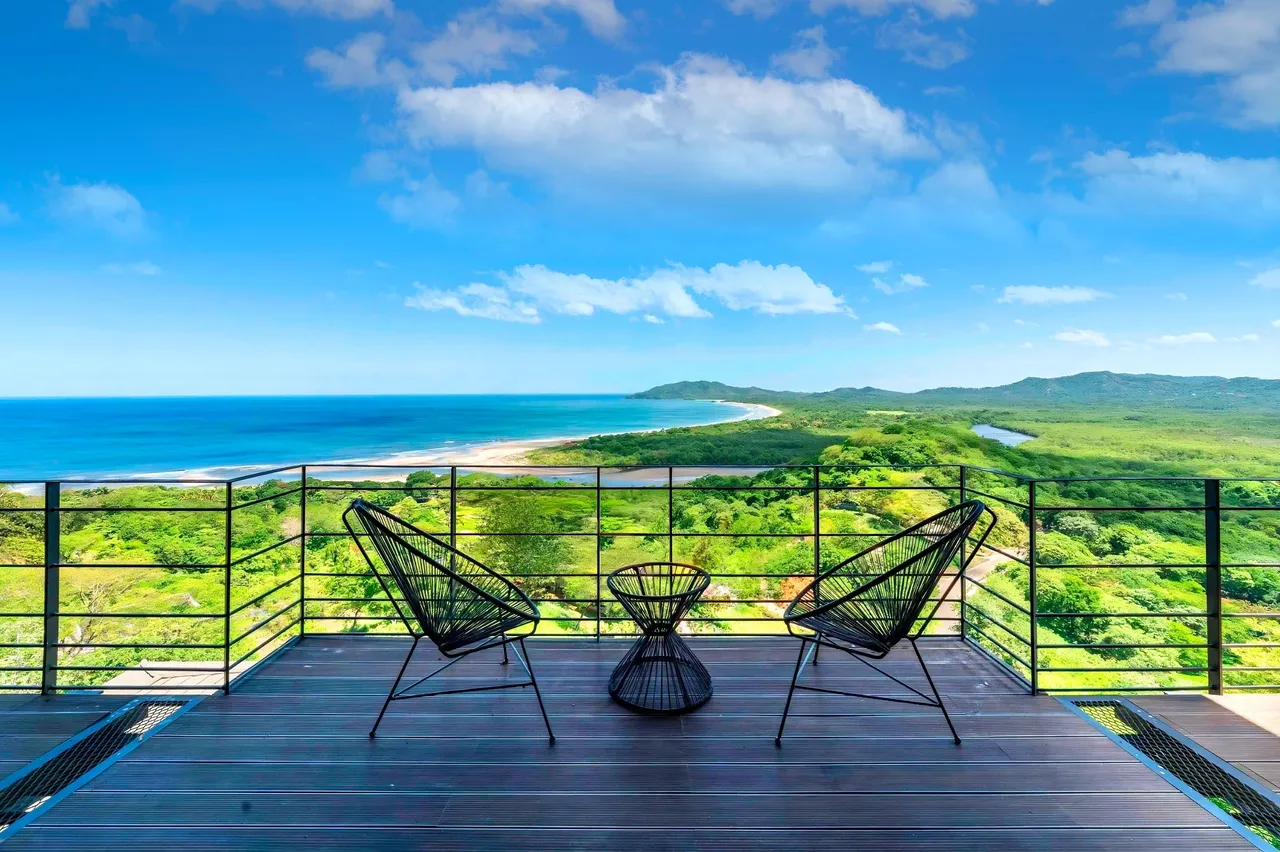
Adventures here also feel effortless. We can fly in, unpack at a villa overlooking both ocean and mountains, and within hours find ourselves suiting up for a first plunge. The friendly local culture makes it easy to relax, ask questions, and settle in. Have you noticed the sense of calm that takes over the moment you step out onto a breezy terrace or hear the jungle at dusk?
And the wildlife? Dolphins, turtles, rays, and huge schools of fish often keep us company underwater. Each spot holds its surprises, making every dive feel like a fresh chapter of exploration.
Top Scuba Diving Destinations in Costa Rica
Costa Rica is dotted with world-class dive spots, each with a personality of its own. Here are favorites we happily recommend:
Catalina Islands (Pacific Coast)
Famed for thrilling encounters with massive Pacific manta rays, the Catalina Islands sit a short boat ride from Tamarindo and Flamingo. These rocky isles offer dramatic seascapes and play host to white-tip reef sharks and swirling schools of jacks.
Bat Islands (Islas Murciélagos)
Craving adrenaline? The Bat Islands, off Guanacaste’s northern tip, deliver. This is the place for those who want to glimpse bull sharks in open water and enjoy strong currents and striking drop-offs.
Cocos Island (Isla del Coco)
About 300 miles offshore, Cocos is legendary, think Galápagos-level biodiversity with swirling schools of hammerhead sharks, turtles, and the occasional whale shark. Trips here are best for advanced divers due to depth and open-ocean conditions.
Cahuita and Gandoca-Manzanillo (Caribbean Coast)
While smaller and less traveled, the Caribbean sites around Cahuita National Park unveil gentle reefs teeming with vibrant corals and smaller sea creatures. This side suits divers who enjoy more mellow conditions and colorful underwater landscapes.
Tamarindo and Playa Hermosa
These accessible Pacific beach towns make a perfect base for day trips to the Catalinas, Bat Islands, and several vibrant local reefs. Many divers love staying in the hills above Tamarindo, soaking in ocean views before heading out for morning dives. It’s the blend of lush comfort and easy access that makes these towns shine.
Best Times of Year to Dive in Costa Rica
Timing matters if we want the clearest water and greatest marine encounters. Thanks to Costa Rica’s tropical climate, diving is possible year-round, but each season has its perks.
- December to April (Dry Season): We find the best visibility, up to 100 feet or more on the Pacific coast. Warm water, steady weather, and frequent big-animal sightings (like manta rays at Catalina Islands) make it popular. Book early, especially near holidays.
- May to November (Green/Rainy Season): Afternoon showers are common, but mornings are often clear. Rivers may reduce visibility near shore, but this season is prime for pelagic species. If you haven’t seen a humpback whale or bait ball in person, this is the moment.
- Caribbean Coast: Different rules apply. September and October usually offer the best diving conditions, with calm seas and visibility peaking at 80 feet or more.
Planning a dive trip in Costa Rica sometimes means weighing wildlife priorities. Do we dream of swimming beside massive rays, or is spotting migrating whales at the top of our wish list? Whenever you visit, something spectacular waits beneath the waves.
Marine Life and Underwater Highlights
Every descent into Costa Rica’s waters feels like opening a surprise package. On Pacific dives, we regularly come across rays, sometimes dozens together, curious white-tip sharks snoozing under ledges, and swirling barracuda schools. The rockier reefs may look stark at first, but look close: eels, octopus, and nudibranchs dot the crevices.
Offshore sites like Cocos Island go bigger: hammerheads, giant marbled rays, turtles, and clouds of colorful fish paint an unforgettable scene. Have you ever locked eyes with a hammerhead in open blue water? It’s humbling.
On the Caribbean coast, we trade dramatic pelagics for vibrant reefs. Soft and hard corals glow with parrotfish and angelfish, while smaller critters like seahorses delight macro lovers. Sea turtles nest nearby, so lucky divers sometimes share the water with these gentle giants.
Above all, it’s the sense of endless discovery that keeps us coming back. Each dive site writes its own story, full of unexpected guests, shifting colors, and that feeling of being a visitor in another world.
Essential Tips for Scuba Divers in Costa Rica
Diving in Costa Rica feels easy, but a little planning helps us get the most out of every moment:
- Choose the Right Season: Prioritize based on what you want to see and the coast you plan to visit.
- Bring (or Rent) the Right Gear: Most operators offer top-notch rental equipment, but many folks bring their own mask and wetsuit for comfort. Water temps range from 75°F to 85°F, shorties work most of the year, though winter brings a chill.
- Don’t Skip Safety Briefings: Conditions shift quickly, especially around islands. Trust your dive leaders and stay flexible.
- Accommodations Matter: Nothing beats returning to a peaceful villa or suite after a day of underwater adventure. Options range from luxurious properties with ocean and mountain views to lower-key lodges right by the sea. We suggest booking early during peak seasons.
- Respect Nature: All divers make a difference. Avoid touching corals or chasing wildlife, and consider supporting local conservation efforts, many are led by the dive shops and guides themselves.
Remember, Costa Rica is a place for new and experienced divers alike. Every detail, from friendly boat captains to sun-warmed terraces at sunset, adds to the trip. What would make your perfect dive day?
Conclusion
Scuba diving in Costa Rica is much more than a checklist experience. It’s about the anticipation that builds the night before a dive, the laughter shared over post-dive meals, and the memories that last far longer than a logbook entry. From manta rays leaping through Pacific swells to tranquil mornings in a mountain villa, the beauty of this country is matched only by the warmth of its welcome.
Are you ready to immerse yourself in a place where adventure and comfort blend so seamlessly? Whether planning your first underwater escape or chasing the next big thrill, Costa Rica invites us to slow down, explore, and look closer, above and below the surface.
Frequently Asked Questions about Costa Rica Scuba Diving
What makes Costa Rica scuba diving unique compared to other destinations?
Costa Rica scuba diving stands out for its incredible diversity, featuring two distinct coastlines and a range of marine life, from manta rays and sharks on the Pacific side to colorful reefs and turtles in the Caribbean. This variety offers divers unforgettable underwater experiences.
When is the best time of year for scuba diving in Costa Rica?
The best time for scuba diving in Costa Rica depends on your priorities. The dry season (December–April) offers the best visibility in the Pacific, while September and October are ideal for the Caribbean. Marine encounters vary by season, so plan according to the wildlife you wish to see.
Which are the top Costa Rica scuba diving spots for beginners and advanced divers?
For beginners, Caribbean sites like Cahuita offer gentle reefs and calm conditions. Advanced divers often prefer Pacific sites such as Bat Islands for strong currents and big marine life. Catalina Islands and Tamarindo provide options for all levels, making Costa Rica welcoming for every diver.
What marine life can I expect to see while scuba diving in Costa Rica?
Diving in Costa Rica reveals Pacific manta rays, white-tip sharks, turtles, barracudas, and schools of colorful fish. Offshore sites like Cocos Island feature hammerhead sharks and large pelagics, while the Caribbean lagoons are home to vibrant corals, seahorses, and frequent turtle encounters.
Do I need to bring my own scuba diving gear to Costa Rica?
While most Costa Rica dive operators offer high-quality rental gear, many divers choose to bring personal items like masks and wetsuits for comfort. Water temperatures range from 75°F to 85°F, so short wetsuits are often suitable, except for cooler months on the Pacific coast.
How do I choose a responsible scuba diving operator in Costa Rica?
Select a dive operator with certified guides, clear safety briefings, and a commitment to marine conservation. Reading reviews and looking for affiliations with recognized organizations can help ensure a safe and eco-friendly dive experience in Costa Rica.