
Standing at the foot of Costa Rica’s mighty volcanoes, we’re reminded just how powerful and beautiful nature can be. Have you ever dreamed of wandering through lush forests, hearing the call of exotic birds, and watching plumes of mist swirl around a crater’s rim? If you’re craving adventure, curiosity, and a sense of connection, volcano hiking in Costa Rica touches every one of those desires.
It’s easy to see why so many travelers fall in love with this landscape. Between thundering waterfalls, mountain panoramas, and infinite shades of green, Costa Rica offers so much more than a typical getaway. Let’s talk about how volcano hikes invite us to explore, relax, and be awe-struck–all in one trip. Are you ready to discover what makes these natural wonders so unforgettable?
Why Hike Costa Rica’s Volcanoes?
Volcano hiking in Costa Rica isn’t just another walk in the woods. These journeys open a window into the country’s deep natural diversity, its wild history, and the pulse of adventure that you sense from the moment you arrive.
First, every volcano tells a different story. Some rise in gentle green slopes dotted with orchids, while others offer lunar landscapes, bubbling mud pots, and endless steam. Many are home to rare wildlife, think toucans darting overhead or coatis rummaging along the path. Where else can you stand in the cool shadow of a massive crater, then descend through rainforest to the soothing warmth of a natural hot spring?
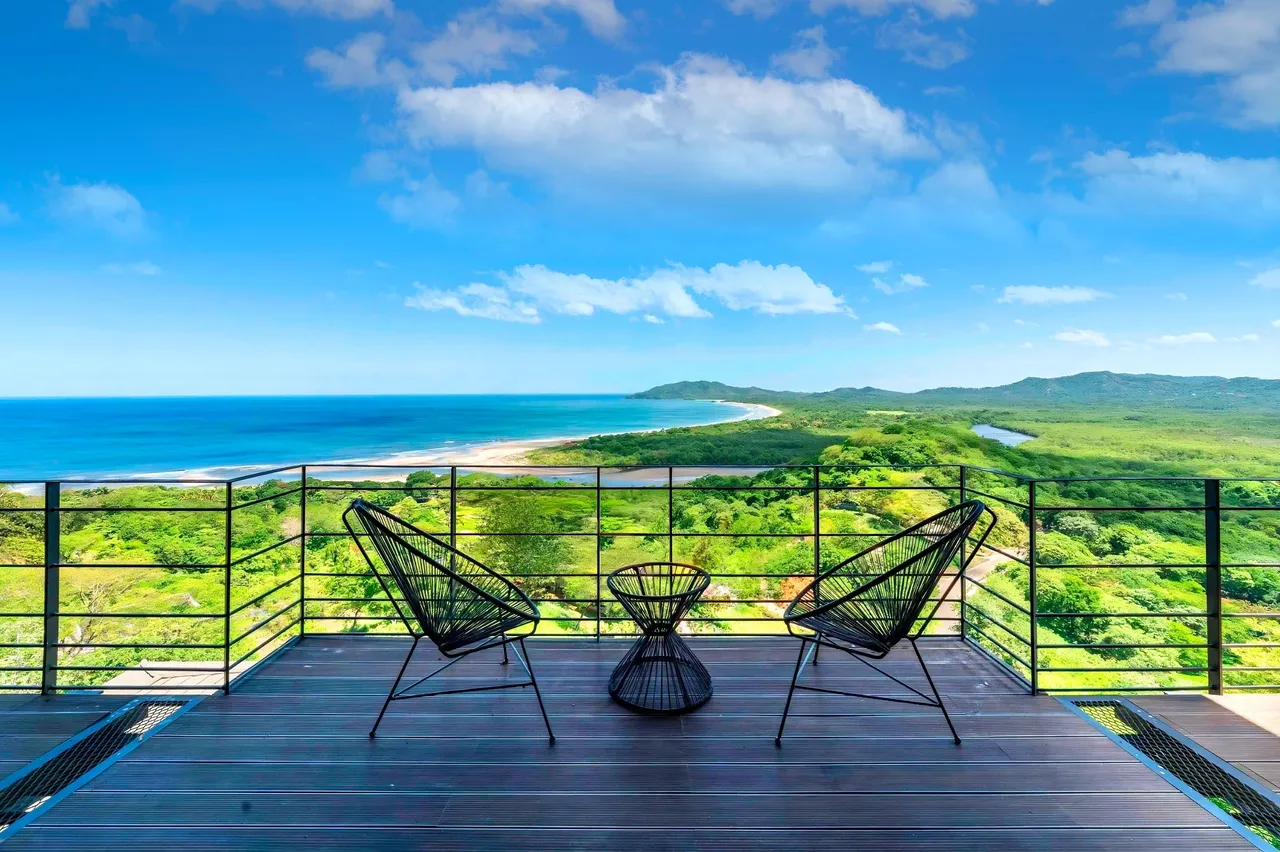
For many of us, volcano hiking lays out the ultimate mix of excitement, peace, and beauty. It taps into our drive to challenge ourselves, soak up new surroundings, and find quiet moments to take it all in. And after a day of hiking, what sounds better than returning to a mountain villa, with the Pacific on one side and the peaks on the other, letting the day’s memories settle in?
Top Volcanoes for Hiking in Costa Rica
Costa Rica’s volcanoes each promise something special. Let’s look at the most striking options for hikers:
Arenal Volcano: Iconic Trails and Hot Springs
Arenal stands as Costa Rica’s most recognized peak, its near-perfect cone visible for miles. Trails circle through dense forests, past ancient lava flows and sparkling waterfalls. Birds call from the canopy, monkeys chatter, and you can’t help feeling alive with every step. And when your muscles start asking for a break, Arenal’s soothing hot springs are nearby, a welcome treat after a day of hiking.
Rincon de la Vieja: Adventure and Biodiversity
Rincon de la Vieja mixes adventure and surprise. Here, well-marked trails lead to boiling mud pots, cool rivers, and even hidden waterfalls. You might spot howler monkeys or bright blue morpho butterflies tumbling through the air. The park features short and challenging routes alike, perfect if you’re eager to see rolling savannas, thick rainforest, and volcanic wonders all in one place.
Poás Volcano: Craters and Cloud Forests
Poás feels otherworldly. Its vast crater sits amid swirling clouds and mist. The short walk to the viewpoint is accessible yet unforgettable. Along the way, the strange beauty of cloud forest plants and diverse birdlife captures our attention. On clear mornings, the turquoise crater lake glimmers, showing off a side of Costa Rica few expect.
Irazú Volcano: Panoramic Views and Unique Terrain
At Irazú, you’ll hike through a stark, high-elevation landscape that turns surreal above the clouds. Trails lead across ash fields to breathtaking viewpoints. On the clearest days, we can spot both the Pacific and Caribbean coasts from a single ridge, an experience sure to linger long after the hike ends.
What to Expect: Trail Types, Difficulty, and Scenery
Volcano hikes in Costa Rica range from easy guided walks suitable for all ages to demanding climbs that will test even experienced trekkers. Most trails are well maintained, though weather can make muddy sections tricky.
Some volcano parks offer gentle, accessible paths, like the paved trail leading to Poás crater. These walks are typically short and suitable for families or those looking for a relaxed outing. Other volcanoes, such as Arenal and Rincon de la Vieja, feature loop trails through dense forest, up old lava tracks, and out to panoramic viewpoints. Expect to cover between two and eight miles on most volcano hikes.
You’ll discover scenery that shifts dramatically as you climb. Start under the cool shade of leafy forest, pass through wildflower-filled meadows, or skirt barren stretches of gravel and stone. Wildlife is never far, colorful birds, butterflies, and, with a keen eye, sometimes sloths or armadillos. Have you ever imagined starting your morning in misty cloud forest and ending it above the treeline, staring into a massive volcanic crater?
The ever-present humidity means it’s smart to pace yourself. Trails can be slick, especially after rain. Still, each step brings new sights, sounds, and smells, a true feast for the senses.
Essential Tips for Volcano Hikers
A memorable volcano hike is built on good preparation. Start early, afternoons often bring fog or showers, and clear skies are your best companion for striking views.
Here are a few tips to help us all get the most out of every hike:
- Footwear matters: Choose sturdy hiking shoes with grip. Trails can be uneven or slippery, so solid footing makes all the difference.
- Dress in layers: Weather changes fast, especially at higher elevations. Lightweight, moisture-wicking clothes work well.
- Bring water and snacks: Volcano hikes can be long and demanding. Staying hydrated and fueled is important.
- Carry a camera, but also stop just to look: Sometimes, the most vivid memories aren’t the ones we capture digitally, they’re the ones we take home after pausing, breathing, and soaking everything in.
- Respect wildlife: Keep a safe distance, follow trail rules, and let animals move freely.
Doesn’t it feel better arriving back at your villa, knowing you experienced the wild places with care and curiosity?
Safety Precautions and Responsible Travel
Safety and stewardship go hand in hand on volcano hikes. Volcanic parks often have clear signage about current conditions, always check for any trail closures or warnings before you set out. Weather here can change quickly, and steam vents or mud pots aren’t just scenic, they can be hazardous.
Stick to marked trails, avoid climbing past barriers, and never pick plants or disturb the environment. Guided hikes can offer extra peace of mind, and sometimes local guides share stories and tips you’d miss otherwise.
We can each play a role in preserving these remarkable landscapes. Pack out everything you bring with you. Bring reusable water bottles, avoid single-use plastics, and be mindful of noise to keep the peace for others (and the wildlife, too).
Practicing responsible travel ensures that the breathtaking beauty of Costa Rica’s volcanoes will stay wild and inspiring for all who follow in our footsteps.
Conclusion
Costa Rica volcano hiking invites us to connect, both with nature and each other. Every trail offers the chance to experience something extraordinary: mist swirling at dawn, the thrill of reaching a crater rim, the gentle hush of wind through the trees. When we set out together to explore these volcanoes, we bring home so much more than photographs. We carry wonder, connection, and a sense of peace, reminders of what’s possible when we step beyond routine and say yes to adventure.
Are you ready to lace up your boots, breathe deeply, and discover how Costa Rica’s volcanoes can transform your journey? Let’s make it happen, one unforgettable step at a time.
Frequently Asked Questions About Costa Rica Volcano Hiking
What are the best volcanoes in Costa Rica for hiking?
Arenal, Rincon de la Vieja, Poás, and Irazú are four of the top volcanoes in Costa Rica for hiking. Each offers unique trails, views, and experiences—from hot springs and rainforests to crater viewpoints and dramatic landscapes.
What should I bring for a Costa Rica volcano hiking trip?
For volcano hiking in Costa Rica, pack sturdy hiking shoes with good grip, layered moisture-wicking clothing, water, snacks, a camera, and a reusable bottle. Weather changes quickly, so dressing in layers and staying hydrated are essential for comfort and safety.
How difficult are volcano hikes in Costa Rica?
Costa Rica volcano hikes range from easy, family-friendly walks like the paved trail at Poás, to moderate and challenging routes in areas like Arenal and Rincon de la Vieja. Trails can be muddy or uneven, but most are well maintained and offer options for all skill levels.
When is the best time to hike volcanoes in Costa Rica?
The best time for Costa Rica volcano hiking is during the dry season, typically December through April. Starting early in the morning helps avoid afternoon rain and offers clearer views of volcano craters and surrounding rainforests.
Are Costa Rica’s volcano hikes safe for solo travelers or families?
Yes, most volcano hikes in Costa Rica are safe for both solo travelers and families, especially in popular parks with clear signage and marked trails. Always check trail conditions, weather updates, and follow park guidelines for a safe hiking experience.
How do I hike responsibly and help protect Costa Rica’s volcanoes?
Practice responsible travel by staying on marked trails, respecting wildlife, packing out your trash, using reusable water bottles, and keeping noise levels low. Guided hikes are an excellent way to ensure safety and learn more about local ecosystems while supporting conservation efforts.
