
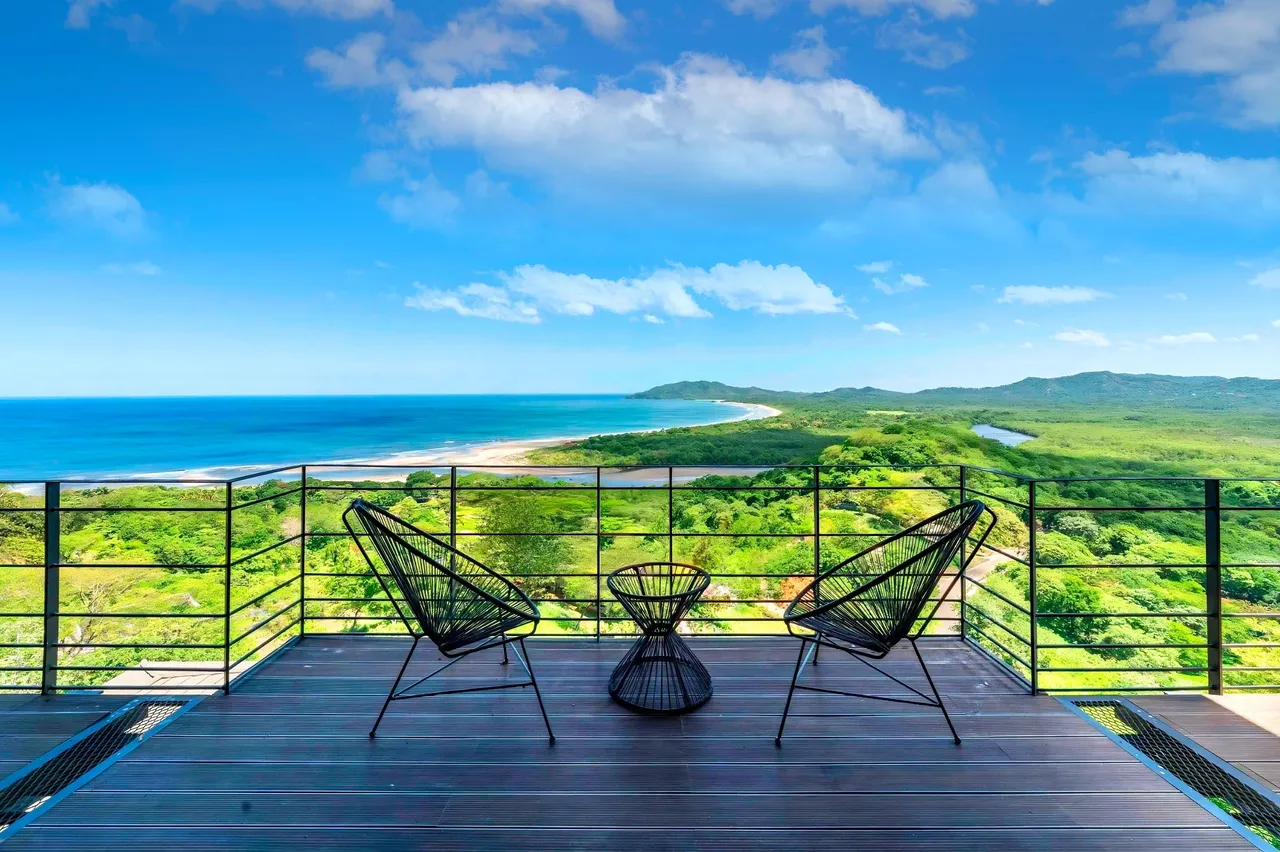
Have you ever dreamed of drifting to sleep while the ocean breeze mingles with the distant melody of waves, and knowing that, just steps away, a hidden world of turtles is unfolding? We understand the appeal of wanting something rare and meaningful on your next getaway. Perhaps you seek a place that offers both comfort and an intimate connection with nature at its most magical.
Imagine being surrounded by lush greenery and panoramic ocean views, all while being part of a place where ancient turtles return to nest year after year. Ready to learn how to make this vision a reality? Let’s explore what sets a villa near turtle nesting areas apart, and how you can find your perfect balance of adventure and tranquility.
Why Choose a Villa Near Turtle Nesting Areas?
There’s something truly extraordinary about waking up in your own villa, knowing that turtle nesting season is underway just beyond your doorstep. For many of us, the idea of being close to such an awe-inspiring natural event offers more than a vacation, it’s an experience that leaves an imprint long after we return home.
Choosing a villa near turtle nesting grounds means we can witness the centuries-old ritual of sea turtles laying their eggs, often at night under the stars. These moments invite reflection, appreciation, and a genuine sense of wonder. Staying nearby means we’re not tied to a tour schedule or crowded spots: instead, we can enjoy quiet, personal encounters with nature, often right from our terrace or a short stroll down the path.
This kind of stay isn’t just about wildlife, though. Villas situated near preserved beaches often bring a feeling of true seclusion, while offering luxurious comforts like infinity pools, tropical gardens, and sweeping coastal panoramas. Isn’t it special to know our time away contributes to a community that values conservation and quiet luxury?
Top Destinations for Turtle Nesting Experiences
Popular Beaches Around the World
You’ll find remarkable turtle nesting spots scattered across the globe, but some stand out for accessibility and sheer beauty. In Costa Rica, Tamarindo and nearby Playa Grande are world-famous for their protected beaches, drawing thousands of leatherback and green turtles annually. The Pacific coastline here, where mountain villas overlook both the sea and tropical forest, offers mesmerizing scenery along with rare wildlife encounters.
Worldwide, other renowned sites include
- Ras Al Jinz, Oman – With its sweeping sand and government-run turtle reserve, this spot is a magnet for eco-travelers.
- Tortuguero, Costa Rica – A hotspot for green turtles, with riverside lodges and guided night walks.
- Zakynthos, Greece – Known for loggerhead turtles, its sheltered coves draw visitors from Europe and beyond.
With so many stunning locales, we can plan a turtle-focused trip that fits our sense of adventure, whether halfway around the globe or close to home.
Best Times of Year to Visit
Timing matters. Turtles nest seasonally, sometimes peaking for just a few weeks each year. In Costa Rica’s Pacific region, the best time to watch nesting is generally between October and March, with November and December seeing the highest activity. If we travel to the Caribbean side, July through October becomes prime time.
Most other global destinations also have clear seasonal windows. For example, Oman’s nesting happens mainly from May to September, while the Greek islands see turtles from June through early autumn. Arranging your visit around these months means we stand the best chance of witnessing this spectacle, and enjoying fair weather, too.
Essential Features of a Turtle-Friendly Villa
Eco-Friendly Design and Lighting
A great villa near turtle nesting areas honors its surroundings. We look for structures built from local, sustainable materials, think wood, bamboo, and stone that blend with the coastline, rather than standing out. Special care is taken with lighting: soft, shielded lights help prevent disorienting nesting turtles or hatchlings, who naturally navigate by moonlight reflecting on the waves. By choosing properties with eco-conscious building and thoughtful lighting, our stay supports the preservation of both comfort and the local ecosystem.
Direct Beach Access and Privacy
Just imagine, taking just a few steps from your private terrace and finding yourself barefoot in the sand, no crowds, no car horns, only the local wildlife and the hush of waves. Having direct beach access is essential when hoping to catch midnight nesting or an early morning emergence of hatchlings. Privacy is key, both for us and for the turtles. The best villas offer secluded paths to the shoreline, surrounded by gardens or forest, ensuring a peaceful experience for all creatures, humans included.
Tips for Respectful Turtle Watching
Responsible Viewing Ethics
Watching turtles lay eggs or hatch on the shore is a privilege. We must always remember to keep a respectful distance and avoid shining flashlights or camera flashes, as this disturbs the animals. It’s best to follow local guidelines or join a trained guide who helps us observe without impacting these sensitive moments. Wearing dark clothing, remaining quiet, and limiting our movement all help create a safe atmosphere for the turtles.
Local Conservation Initiatives
Many of the best turtle beaches have dedicated conservation programs. Supporting these efforts, whether through a small donation or by participating in clean-up events, means we play a direct role in the wellbeing of these remarkable creatures. Conservation groups often provide educational talks and guided tours, where we can deepen our appreciation for the challenges turtles face, from habitat loss to climate change. Isn’t it satisfying to know our travels can be both enriching and meaningful for the local area?
Planning Your Stay: What to Expect
Booking and Seasonal Considerations
Booking a villa in prime turtle territory often requires a bit of advance planning, especially during peak nesting months. Villas with direct access and sweeping views, particularly those set into hilltops or among thick gardens, are in high demand. We recommend checking calendars well ahead of time, and considering mid-week stays for greater privacy. Remember, turtle nesting is a natural process, so while some dates are more likely than others, a little patience may be required for sightings.
What to Pack for Turtle Nesting Travel
Packing for a trip like this balances comfort with care for the environment. We always bring lightweight, dark-colored clothing for night walks, a red-filtered flashlight, and sandals or water shoes for sandy terrain. Binoculars can enhance daytime wildlife watching, while a quality camera (again, no flash) lets us document the experience. Don’t forget reef-safe sunscreen, reusable water bottles, and bug spray, protecting both ourselves and the precious habitat.
Conclusion
Choosing a villa near turtle nesting grounds gives us the rare chance to blend comfort, adventure, and purpose. It’s a way to reset, reconnect, and witness the grace of nature’s rhythms, right from our doorstep. We believe these moments matter, for us and for the generations after. Are you ready to sit quietly on a terrace, feeling the ocean air, and knowing something extraordinary is unfolding just outside? Your next memorable journey awaits.
Frequently Asked Questions About Villas Near Turtle Nesting Areas
What makes staying in a villa near turtle nesting areas unique?
Choosing a villa near turtle nesting grounds allows guests to witness sea turtles nesting or hatching just steps away from their doorstep. It offers both the comfort of a private retreat and the rare experience of observing ancient natural rituals in a tranquil, secluded setting.
When is the best time to book a villa near turtle nesting beaches?
The ideal time depends on the location. For Costa Rica’s Pacific coast, turtle nesting peaks from October to March, while the Caribbean side is best from July to October. In Greece, June through early autumn is optimal, and Oman’s season runs from May to September.
How can I choose an eco-friendly villa near turtle nesting sites?
Look for villas built with local, sustainable materials like wood or bamboo and features such as shielded, low-impact lighting. Properties that blend with the landscape and support local conservation efforts are preferable for preserving both wildlife and the environment.
What are essential tips for respectful turtle watching?
Always maintain a respectful distance from turtles, avoid bright lights or camera flashes, wear dark clothing, and remain quiet. Following local guidelines or joining a trained guide helps ensure your presence does not disturb the turtles during their nesting or hatching activities.
Why should I consider a villa over other accommodations near turtle nesting sites?
A villa provides direct beach access, enhanced privacy, and a more exclusive experience compared to hotels or resorts. It also offers flexible opportunities to observe turtle nesting at your own pace, away from crowded tours and in a peaceful private setting.
Can staying near turtle nesting sites contribute to conservation?
Yes, many villas support local conservation programs. Guests can participate in guided tours, educational talks, and even contribute to clean-up events or donate to initiatives that protect turtle habitats and foster sustainable tourism.