
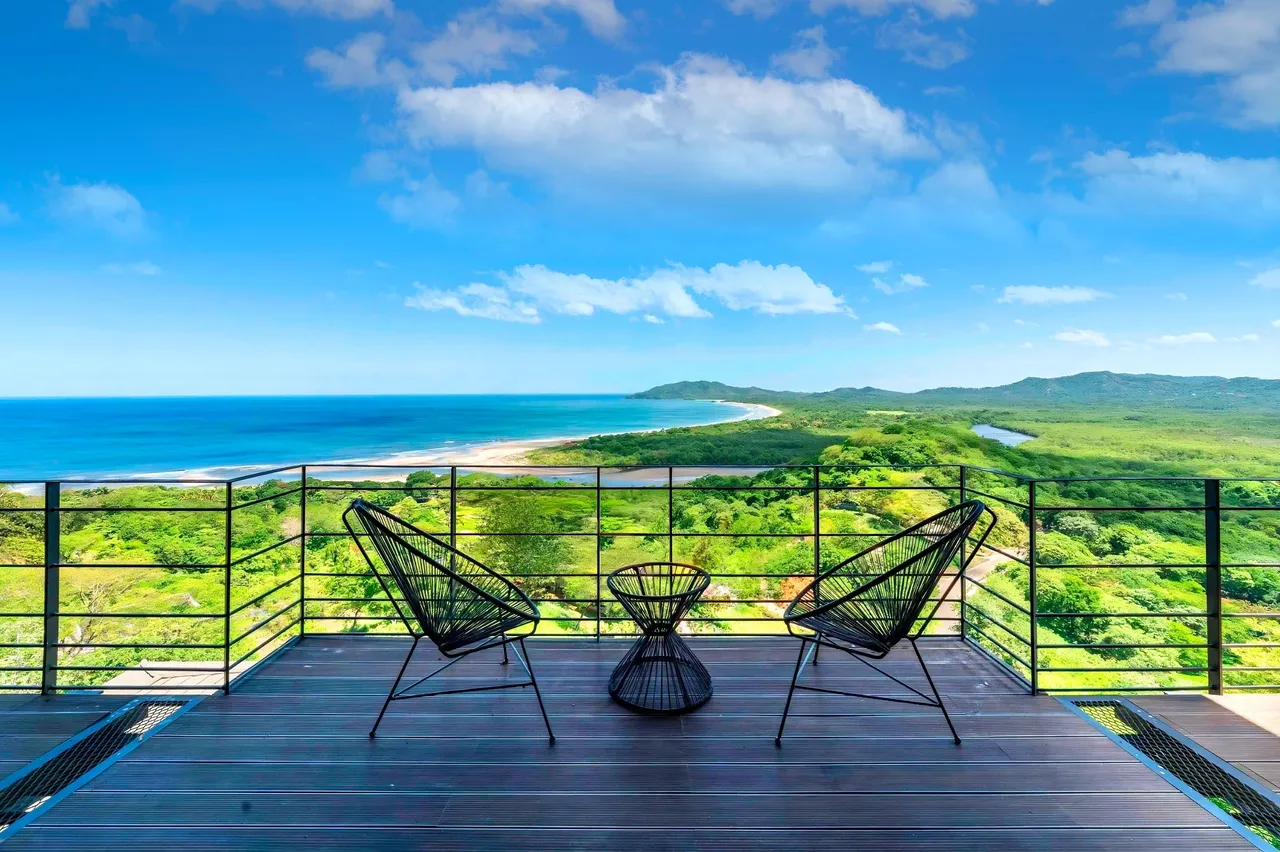
Imagine waking up to the soft songs of tropical birds or catching sight of a monkey swinging gently through the canopy right beyond your window. For those of us longing for deeper connection with nature, a villa near forest animals promises more than just a place to sleep, it brings calm, excitement, and a sense of wonder all at once. Have you ever craved that rare sense of privacy where the wild and luxury blend in harmony? If so, let’s explore what makes this experience so special, and how it might fulfill your own need for adventure and restoration.
Benefits of Staying Close to Wildlife
The advantages of immersing ourselves in a villa near forest animals extend beyond the initial thrill of spotting rare species. First off, there’s the tranquility that comes with natural surroundings, studies show being close to wildlife reduces stress and boosts wellbeing. Listening to the distant waves along with the calls of birds can soothe the mind, helping us unwind from daily routines.
But it’s not just about relaxation. For many, being close to wildlife inspires curiosity and learning. Observing local species, whether it’s colorful toucans or elusive howler monkeys, can introduce us to the local ecosystem in a way books never could. Families find this especially rewarding, as children become fascinated by the natural world while gaining an appreciation for conservation.
Then, there’s the added sense of privacy. Villas surrounded by lush vegetation offer quiet escapes, yet keep us connected to the vibrant life just outside our terraces. We get to enjoy moments of awe, perhaps witnessing a sloth chip away at its leafy breakfast or a butterfly drift across the pool, without sacrificing comfort. How often do we allow ourselves the space to notice these small wonders?
Finally, being in such environments often encourages us to slow down, embrace mindfulness, and tune into the rhythm of both nature and ourselves. This blend of adventure and relaxation sets a villa near forest animals apart from traditional stays.
Types of Forest Animals Commonly Found Nearby
One of the most memorable parts of staying in a villa near a forest is discovering which animals call the area home. Depending on the location, your neighbors might range from delicate hummingbirds to playful capuchin monkeys.
In Costa Rica, for instance, we often spot iguanas basking on sun-warmed rocks, motmots with their striking tail-feathers, and tree frogs hiding under broad green leaves. The sounds of parrots and the distant echo of howler monkeys create a natural soundtrack from dawn until dusk.
You might glimpse raccoons foraging at twilight or see coatis, charming relatives of the raccoon, with their ringed tails poking through the brush. In the evenings, the chorus of cicadas joins in. If we’re lucky and watchful, the flash of a blue morpho butterfly or the scurrying of an agouti adds extra delight to the experience.
Our surroundings support a web of life: bats, kinkajous, and even curious armadillos occasionally make appearances. Many villas are situated within short distance to protected parks, which increases the biodiversity we can witness, often from the comfort of our private terraces.
Every day brings fresh surprises, reminding us how vibrant and alive the forest truly is. Isn’t it remarkable how sharing this space with wildlife deepens our sense of belonging?
Design Features of Villas for Wildlife Viewing
What design choices help us feel immersed in this extraordinary setting? Villas near forest animals are thoughtfully planned to celebrate the beauty right outside. Expansive glass doors and panoramic windows blur the boundaries between indoor comfort and the surrounding greenery, letting in natural light and those captivating views.
Private terraces and infinity pools become quiet observation points. Many villas orient their living spaces outward, so whether we’re lounging with coffee in the morning or relaxing in the solarium, there’s always something to watch, maybe a bird settling on a branch or clouds drifting over mountain peaks.
Using local materials, like teak, bamboo, or volcanic stone, not only respects the environment but creates a warm, inviting atmosphere. Landscaping with native plants draws in more birds, butterflies, and occasional mammals, making the gardens an extension of the forest.
Some villas feature secluded outdoor showers or bathtubs, enhancing the sensation of bathing under the canopy. Carefully positioned lighting minimizes disruption to nocturnal animals, letting us enjoy the quiet beauty of evening without disturbing the wildlife.
Finally, privacy is an integral part of the design, lush gardens and thoughtful layouts let us observe without intruding on animal routines. Have you ever noticed how a simple architectural detail, like a shaded pergola or an open-air pathway, can transform ordinary wildlife watching into something extraordinary?
Responsible Wildlife Interaction and Conservation Tips
With this privilege comes responsibility. How do we make sure our presence supports, rather than disrupts, the well-being of forest animals? The first step is respect. We always observe animals quietly from a distance, never feeding or touching them, as this can harm both the wildlife and us.
Lighting matters, keeping lights low after sunset helps nocturnal animals stick to their natural routines. We recommend leaving no food outside, as this discourages opportunistic animals from forming dangerous habits. Each small action adds up to a larger impact on the ecosystem.
If we use eco-friendly cleaning products and conserve water, we contribute to a healthier habitat for both animals and ourselves. Thoughtful disposal of waste, particularly plastics, is essential. Many villas offer composting options or recycling programs, making it easier than ever to minimize our footprint.
Supporting local conservation efforts, such as guided wildlife tours or volunteering, is a rewarding way to contribute. These opportunities often give us greater understanding and appreciation of the environment. After all, can we truly enjoy our proximity to these creatures if we’re not playing our part in their preservation?
Choosing the Perfect Villa Near Forest Animals
So, what should we look for when searching for the ideal villa near forest animals? Start by researching the local area’s biodiversity. Properties in places like Tamarindo, Guanacaste, offer stunning mountain and ocean views while delivering abundant wildlife encounters right outside your suite.
We find that villas designed with nature in mind are the most rewarding, think private terraces, infinity pools, and panoramic windows. Look for accommodations surrounded by tropical gardens or adjacent to protected natural parks to maximize your chances of wildlife sightings.
Consider the amenities that matter most to your comfort. Does each bedroom have a private bath and dressing space? Are the construction materials harmonious with the local environment? Villas that blend both local and exotic elements often give us the strongest sense of place.
Privacy, accessibility to nearby activities, and a quiet environment are key. We always recommend checking guest reviews, as previous visitors often share insights about wildlife encounters or the atmosphere. Some villas sleep groups of ten or more, perfect for families or friends seeking adventure together.
Ask yourself: does this property offer an atmosphere where you can both observe wildlife and unwind, without sacrificing elegance? If the answer is yes, you’re well on your way to an unforgettable experience.
Conclusion
A villa near forest animals lets us step into a world where luxury and the untamed coexist. Each day brings mesmerizing encounters and quiet moments of reflection, opportunities to notice details, find calm, and reconnect. This setting is more than a vacation: it’s a nature retreat that lingers in memory, inviting us to return, to protect, and to share the magic we’ve found.
If you’re ready to greet dawn with birdsong and evenings marked by distant waves, such a villa offers the harmony many of us crave. Why not make your next journey one that awakens both comfort and curiosity? The wild is waiting, sometimes just beyond your terrace.
Frequently Asked Questions About Villas Near Forest Animals
What are the benefits of staying in a villa near forest animals?
Staying in a villa near forest animals offers tranquility, stress relief, and immersion in nature. Guests can enjoy unique wildlife observations, increased mindfulness, and private surroundings, blending relaxation with the excitement of encountering exotic species just beyond their terrace.
Which animals can I expect to see near a forest villa?
Forest villas often provide sightings of monkeys, toucans, parrots, tree frogs, iguanas, butterflies, and coatis. Depending on the region, raccoons, sloths, kinkajous, bats, and even armadillos might also be spotted near the property, especially close to protected parks.
How are villas designed to maximize wildlife viewing experiences?
Villas near forest animals feature expansive windows, private terraces, and outdoor areas to seamlessly connect guests with nature. Natural materials and native landscaping attract wildlife, while thoughtful layouts and minimal lighting ensure privacy and minimize disturbance to animals.
What should I consider when choosing a villa near forest animals?
Look for villas located near biodiverse regions or parks, with features like panoramic windows, tropical gardens, and private outdoor spaces. Amenities, privacy, proximity to activities, and positive guest reviews about wildlife encounters are also important factors.
Is it safe to interact with the wildlife near my villa?
Direct interaction with wildlife is not recommended. Guests should observe animals quietly from a distance, avoid feeding them, and refrain from using bright lights at night. Practicing responsible tourism helps protect both visitors and the animals that inhabit the area.
Can staying in a villa near forest animals support conservation efforts?
Yes, many villas promote eco-friendly practices and support conservation programs. Guests can contribute by following responsible guidelines, using sustainable products, and participating in local wildlife tours or conservation initiatives that aid habitat protection.