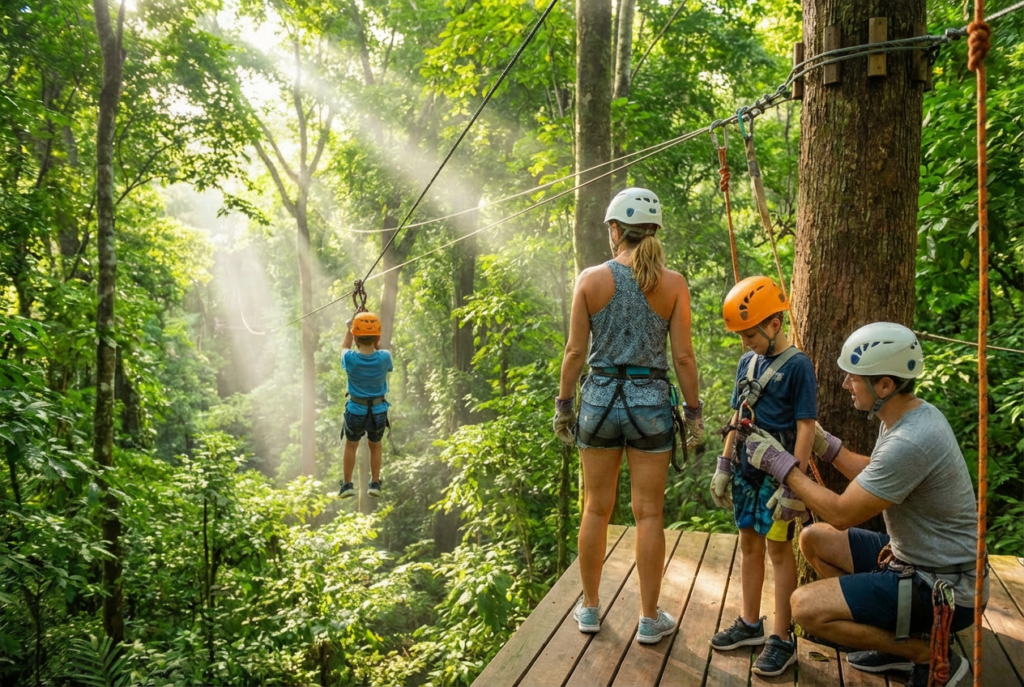
Costa Rica vs Nicaragua: Which Central American Gem to Visit?

Considering a Central American getaway? Costa Rica and Nicaragua stand as popular destinations with their stunning landscapes and vibrant cultures. While these neighboring countries share some similarities, they offer distinctly different travel experiences that cater to various preferences and budgets.

We’ve explored both destinations thoroughly to help you decide which country suits your travel style best. From pristine beaches and lush rainforests to colonial architecture and adventure activities, each nation has its own charm. What kind of experience are you looking for? Do you value well-developed tourism infrastructure or prefer a more authentic, off-the-beaten-path adventure? Let’s compare these two wonderful countries to find your perfect match.

Costa Rica vs Nicaragua: A Comprehensive Country Comparison

Costa Rica and Nicaragua share a border but offer distinctly different travel experiences. Both countries feature stunning natural beauty and rich cultural heritage, yet they diverge significantly in tourism development, cost, accessibility, and overall atmosphere. We’ve analyzed key factors to help you choose the destination that best matches your travel style and preferences.

Geographic Features and Landscapes

Costa Rica’s diverse geography spans two coastlines—the Pacific and Caribbean—offering dramatically different beach experiences within a compact area. The country’s landscape includes 28 national parks, cloud forests, volcanoes, and rainforests with exceptional biodiversity. Notable regions include the Monteverde Cloud Forest, Arenal Volcano, and the wildlife-rich Osa Peninsula.

Nicaragua, Central America’s largest country, features similar geographic diversity but on a grander scale. Lake Nicaragua—the largest freshwater lake in Central America—contains freshwater sharks and the volcanic island of Ometepe. The country’s landscape includes pristine beaches along both coasts, colonial cities, and active volcanoes like Masaya, where visitors can peer into the bubbling lava crater.

Tourism Infrastructure and Accessibility

Costa Rica’s tourism infrastructure ranks among the most developed in Central America. International flights arrive at two major airports—San José and Liberia—connecting travelers to numerous destinations worldwide. Well-maintained roads (though some remain unpaved in remote areas), extensive shuttle services, and organized tours make independent travel straightforward. The country offers accommodations ranging from luxury resorts to eco-lodges across all price points.

Nicaragua’s tourism infrastructure continues to develop but remains less extensive than Costa Rica’s. Most international travelers arrive at Managua’s international airport, with fewer direct connections from major cities. Public transportation options include buses and taxis, though services may be less frequent and predictable than in Costa Rica. Accommodations trend toward boutique hotels, hostels, and family-run guesthouses, with fewer large resort options.

Cost Comparison

Nicaragua offers significantly lower costs across all travel categories. Budget travelers can comfortably manage on $30-50 daily, including accommodations, meals, and activities. Even upscale experiences remain affordable, with luxury hotels typically costing 40-60% less than comparable properties in Costa Rica.

Costa Rica commands higher prices, with budget travelers needing approximately $50-80 daily for basic expenses. Mid-range and luxury experiences cost substantially more, with popular activities like zip-lining, guided wildlife tours, and exclusive ecolodges commanding premium prices. Restaurant meals, particularly in tourist areas, often match U.S. and European price levels.

Safety and Political Considerations

Costa Rica maintains political stability and holds a reputation as one of Central America’s safest countries. The country abolished its military in 1949, redirecting resources toward education and healthcare. Common safety concerns for travelers typically involve petty theft rather than violent crime.

Nicaragua’s political situation has experienced periods of instability, particularly since 2018. Before planning a trip, travelers should check current travel advisories and understand the political context. While tourists rarely encounter direct problems, demonstrations and political tensions can affect travel plans. The security situation varies substantially by region, with tourist areas generally maintaining better safety records.

Geographic Features and Natural Beauty

Costa Rica and Nicaragua showcase distinct natural landscapes that offer travelers vastly different experiences. Both countries feature impressive geographical diversity, from volcanic peaks to pristine beaches, but with notable variations in accessibility and development.

Volcanoes and Mountain Ranges

Nicaragua’s volcanic landscape includes 19 active volcanoes forming the western spine of the country. Travelers can hike Volcán Concepción on Ometepe Island or sledboard down the black ash slopes of Cerro Negro near León. The Maribios Volcanic Chain provides dramatic backdrops throughout the western region, with Momotombo’s perfect cone shape becoming an iconic national symbol.

Costa Rica’s volcanoes offer more developed visitor experiences with established national parks surrounding them. Arenal Volcano, though less active since 2010, features extensive hiking trails, hot springs, and viewing platforms. Poás Volcano allows visitors to peer directly into its acid lake crater, while Irazú Volcano reaches the highest elevation among Costa Rican volcanoes at 11,260 feet. The Central Valley mountain ranges create microclimates that produce Costa Rica’s famous coffee regions.

Beaches and Coastlines

Costa Rica’s dual coastlines span 800 miles along both the Pacific Ocean and Caribbean Sea, offering dramatically different beach experiences. The Pacific coast features popular surfing destinations like Tamarindo and Santa Teresa with consistent breaks and golden sands. The Caribbean side presents more secluded beaches with turquoise waters in locations like Puerto Viejo and Cahuita, where coral reefs provide excellent snorkeling opportunities. Many beaches have Blue Flag certifications, indicating high environmental standards and safety measures.

Nicaragua’s 230-mile Pacific coastline remains largely undeveloped compared to Costa Rica’s beach towns. San Juan del Sur serves as the primary beach destination with crescent-shaped bay and surrounding beaches like Playa Maderas attracting surfers. The Corn Islands in the Caribbean offer pristine white sand beaches and crystal-clear waters without the crowds found at more developed destinations. Beach infrastructure remains minimal throughout much of Nicaragua, appealing to travelers seeking unspoiled coastal experiences rather than resort amenities.

Have you considered what type of coastal experience appeals to you more—developed beaches with amenities or untouched shorelines with fewer crowds?

Climate Differences Between Costa Rica and Nicaragua

Tropical Weather Patterns

Costa Rica and Nicaragua share similar tropical climates, yet subtle differences impact travel experiences. Costa Rica’s weather is characterized by two main seasons: the dry season (December to April) and the green season (May to November). Nicaragua follows a similar pattern but typically experiences hotter temperatures year-round, especially in the western regions near the Pacific coast.

The average temperature in Nicaragua hovers around 80-90°F (27-32°C) throughout the year, while Costa Rica’s temperatures are moderated by its varied elevation, ranging from 70-90°F (21-32°C). These temperature variations create distinct environments for wildlife, agriculture, and outdoor activities in each country.

Rainfall and Regional Variations

Rainfall patterns differ significantly between these neighboring countries. Costa Rica receives more annual precipitation, with some regions collecting up to 200 inches (5,000mm) of rain yearly. This abundant rainfall supports Costa Rica’s lush rainforests and diverse ecosystems.

In contrast, Nicaragua’s rainfall is more concentrated in its eastern Caribbean region, while the western Pacific areas remain comparatively drier. The Pacific lowlands of Nicaragua receive approximately 40-60 inches (1,000-1,500mm) of rain annually, creating a more arid landscape compared to Costa Rica’s verdant terrain.

Have you thought about what climate suits your travel style better? Some travelers prefer Nicaragua’s generally drier conditions for exploring colonial cities, while others appreciate Costa Rica’s varied microclimates for diverse ecological experiences.

Best Times to Visit Each Country

The optimal time to visit these destinations depends on your preferred activities and regional interests. For Costa Rica, the dry season (December to April) offers ideal conditions for beach activities and wildlife viewing, though popular destinations like Manuel Antonio and Tamarindo often become crowded during this peak period.

Nicaragua’s dry season also runs from November to April, providing excellent conditions for hiking volcanoes and exploring colonial cities like Granada and León without rain interruptions. During these months, temperatures in Nicaragua’s Pacific region can reach 95°F (35°C), making early morning or late afternoon activities more comfortable.

For budget-conscious travelers, visiting during the green season (May to November) offers advantages in both countries: reduced accommodation rates, fewer tourists, and vibrant green landscapes. Mornings typically remain sunny even during the rainy season, with afternoon showers creating a refreshing rhythm to tropical days.

Cost of Living Comparison

One of the most significant factors when choosing between Costa Rica and Nicaragua is the cost of living. Nicaragua generally offers a more affordable experience across all categories compared to its southern neighbor.

Housing and Accommodation Costs

Accommodation prices in Nicaragua are substantially lower than in Costa Rica. In Nicaragua, budget travelers find hostel dorms starting at $8-10 per night, while similar accommodations in Costa Rica typically range from $15-20. Mid-range hotels in Nicaragua’s popular destinations like Granada or San Juan del Sur cost $40-70 per night, whereas comparable rooms in Costa Rican hotspots like Manuel Antonio or Tamarido run $80-150.

For long-term housing, the difference is equally striking. Monthly rentals for a one-bedroom apartment in Managua average $250-350, while in San José, similar units start at $500-700. Beach properties show an even wider gap—beachfront rentals in Nicaragua’s coastal towns can be found for $400-600 monthly, but Costa Rican beach properties often exceed $1,000-1,500 per month.

What’s your housing budget for your Central American adventure? Would you prefer to spend less on accommodations to extend your trip, or invest more for additional amenities?

Food and Entertainment Expenses

Dining costs follow the same pattern, with Nicaragua offering exceptional value. Local meals at Nicaraguan sodas (small restaurants) cost $3-5, while similar meals at Costa Rican sodas average $7-10. Restaurant dining shows similar differences—a nice dinner in Nicaragua runs $10-15 per person, compared to $20-30 in Costa Rica.

Grocery prices reflect this disparity too. Weekly groceries for one person cost approximately $25-35 in Nicaragua but $45-60 in Costa Rica. Fresh produce at local markets is particularly affordable in Nicaragua, with many fruits and vegetables selling for less than half the price found in Costa Rica.

Entertainment and activities also demonstrate Nicaragua’s cost advantage. Entry fees to Nicaragua’s natural attractions like Masaya Volcano National Park ($4) or Mombacho Nature Reserve ($6) contrast with Costa Rica’s Manuel Antonio National Park ($16) or Arenal Volcano National Park ($15). Adventure activities show similar trends—surfing lessons in Nicaragua average $25-30 per hour versus $50-60 in Costa Rica, while zip-lining excursions cost $30-40 in Nicaragua compared to $75-100 in popular Costa Rican destinations.

Transportation costs favor Nicaragua as well. Local buses in Nicaragua charge $0.30-1.00 for most city routes, while similar transit in Costa Rica costs $0.70-1.50. Intercity travel on public buses costs roughly 50% less in Nicaragua than in Costa Rica.

Do you prefer spending your travel budget on experiences and activities, or does saving on day-to-day expenses matter more for your travel style?

Tourism Infrastructure and Popular Destinations

Costa Rica and Nicaragua offer contrasting tourism experiences due to their differing levels of infrastructure development and popular attractions. Costa Rica’s tourism industry is highly developed with over 900 miles of coastline and 1,700+ documented waterfalls, while Nicaragua presents a more emerging destination with authentic cultural experiences and less crowded attractions.

Costa Rica’s Eco-Tourism Highlights

Costa Rica’s tourism infrastructure ranks among the most developed in Central America. International visitors can fly directly into two major airports in San José and Liberia, connecting to extensive networks of shuttle services, private transfers, and public transportation options. The country’s accommodation options range from $15-20 budget hostels to $200+ luxury eco-lodges, with numerous mid-range hotels catering to families and groups.

Popular destinations in Costa Rica include Manuel Antonio National Park, where rainforest meets pristine beaches, and Monteverde Cloud Forest with its famous hanging bridges and zip-line tours. The Arenal Volcano region attracts visitors with hot springs, hiking trails, and adventure activities. For coastal experiences, beach towns like Tamarindo and Santa Teresa on the Pacific side offer surfing and nightlife, while Puerto Viejo on the Caribbean provides a more relaxed, Afro-Caribbean culture.

Costa Rica’s eco-tourism focus has created well-managed national parks with established trail systems, informative signage, and regulated guide services. Many attractions offer online booking systems, credit card payment options, and English-speaking staff, making travel planning straightforward for international visitors.

Nicaragua’s Emerging Tourist Spots

Nicaragua’s tourism infrastructure remains in development but has grown significantly in recent years. Most international travelers arrive through Managua’s international airport, though flight options are more limited compared to Costa Rica. Ground transportation relies more heavily on public buses and private shuttles, with fewer organized tourism-specific services.

Accommodation in Nicaragua starts at $8-10 for budget options, with high-end hotels rarely exceeding $150 per night, offering excellent value. Granada, with its colorful colonial architecture and vibrant central plaza, serves as Nicaragua’s tourism hub. The city’s pedestrian-friendly streets house boutique hotels, restaurants, and tour operators that arrange excursions to nearby attractions.

San Juan del Sur draws beach lovers and surfers to its crescent-shaped bay and surrounding beaches. Ometepe Island, formed by two volcanoes rising from Lake Nicaragua, offers hiking, kayaking, and a glimpse into traditional island life. León, Nicaragua’s second colonial city, provides cultural attractions including museums and the largest cathedral in Central America.

For nature enthusiasts, the Mombacho and Masaya volcanoes near Granada allow close encounters with active craters. The Corn Islands in the Caribbean Sea present Nicaragua’s version of paradise with white sand beaches and clear waters for snorkeling and diving.

What type of travel experience appeals more to you—the established eco-tourism networks of Costa Rica or the less developed but potentially more authentic experiences of Nicaragua? Have you considered how different levels of tourism development might impact your travel style and preferences?

Safety and Political Stability

Costa Rica’s Stable Environment

Costa Rica stands out as one of Central America’s most politically stable countries. Since abolishing its military in 1949, Costa Rica has maintained a strong democratic tradition with peaceful transfers of power. This stability translates directly to tourism safety, with the country consistently ranking among the safest destinations in Latin America.

Travelers in Costa Rica face minimal risks beyond petty theft in tourist areas. The government invests significantly in tourism police forces specifically trained to assist visitors. English is widely spoken in tourist areas, making communication easier during emergencies. The well-developed emergency response system includes a national 911 service that connects to English-speaking operators.

Nicaragua’s Evolving Situation

Nicaragua presents a more complex safety picture for travelers. The country has experienced political unrest since 2018, with periodic protests and government crackdowns affecting some regions. While tourist areas typically remain insulated from these issues, the situation requires more awareness from visitors.

The U.S. State Department currently maintains a Level 3 travel advisory (“Reconsider Travel”) for Nicaragua, compared to Costa Rica’s Level 2 (“Exercise Increased Caution”). This difference reflects real concerns about unpredictable political developments that might affect travelers.

Despite these challenges, many tourists visit Nicaragua safely each year by staying informed and avoiding political demonstrations. Tourist zones like San Juan del Sur and the Corn Islands maintain good safety records and dedicated tourist police. Rural areas, particularly along the Caribbean coast, may have limited police presence and require additional caution.

Practical Safety Considerations

How do these differences affect your actual travel experience? In Costa Rica, you’ll encounter streamlined tourist infrastructure with clearly marked attractions, regulated tour operators, and established emergency protocols. The country’s focus on eco-tourism has created networks of certified guides and standardized safety practices for adventure activities.

Nicaragua offers a less regulated environment where personal judgment plays a larger role. While this provides more authentic experiences, it also means travelers must exercise greater caution when choosing operators for activities like volcano boarding or jungle trekking.

For both countries, basic precautions apply:

  • Use hotel safes for valuables
  • Avoid displaying expensive electronics
  • Take registered taxis, especially at night
  • Keep emergency contact information accessible
  • Purchase comprehensive travel insurance

Are you comfortable navigating a destination that requires more personal vigilance, or do you prefer established safety systems? Your answer might help determine which country suits your travel style better.

Expatriate and Retirement Considerations

Cost of Living Comparison

The cost of living difference between Costa Rica and Nicaragua creates distinct financial landscapes for expatriates. Nicaragua offers significantly lower expenses across all categories—a monthly budget of $1,000-$1,500 comfortably covers housing, utilities, food, and healthcare for a single person. In contrast, Costa Rica requires approximately $2,000-$2,500 monthly for a comparable lifestyle. Housing costs illustrate this gap clearly: a two-bedroom rental in a desirable Nicaraguan area averages $300-500 monthly, while similar properties in Costa Rica’s expat communities typically range from $700-1,200.

Everyday expenses follow this pattern with Nicaragua offering greater affordability. Grocery budgets run 30-40% lower in Nicaragua, and utility bills average $75-100 monthly versus $150-200 in Costa Rica. Restaurant dining maintains this trend—a nice meal out costs $10-15 per person in Nicaragua compared to $20-30 in Costa Rica. Are you planning your retirement budget with a fixed income? This cost differential could significantly impact your quality of life and financial sustainability.

Residency Requirements

Costa Rica’s residency programs present well-established pathways for expatriates. The Pensionado program requires proof of at least $1,000 monthly income from a permanent pension source, while the Rentista program demands $2,500 monthly income or a $60,000 bank deposit. Costa Rica also offers the Inversionista option for those investing at least $150,000 in Costa Rican businesses or property.

Nicaragua’s residency requirements tend to be more accessible financially. The Pensionado program requires just $600 monthly pension income, and the Rentista program needs $750 monthly from dividends, interest, or other sources. Nicaragua’s investor visa requires a minimum $30,000 investment in approved sectors. Both countries demand clean criminal background checks, but Nicaragua’s lower thresholds make it a more attainable option for many retirees with modest incomes.

Healthcare Systems

Healthcare accessibility varies substantially between these neighboring countries. Costa Rica boasts a comprehensive public healthcare system (Caja) that residents can join for a monthly fee based on income, typically ranging from $75-400. The country features JCI-accredited private hospitals like CIMA and Hospital Clínica Bíblica in San José, where procedures cost 40-70% less than in the U.S.

Nicaragua’s healthcare system, while improving, remains less developed. Public facilities suffer from equipment shortages and longer wait times. Private healthcare in Managua offers better quality at prices 50-70% below U.S. rates. Many expatriates in Nicaragua maintain international health insurance policies or travel to Costa Rica for complex medical procedures. How important is immediate access to high-quality healthcare in your retirement planning? Your personal health needs should heavily influence this aspect of your decision.

Expatriate Communities

Costa Rica hosts established expatriate communities in regions like the Central Valley, Guanacaste, and the Southern Zone. These areas feature international schools, English-speaking services, and organized expatriate groups that ease the transition for newcomers. Towns like Escazú, Santa Ana, and Tamarindo have evolved to accommodate North American and European residents with familiar amenities.

Nicaragua’s expatriate presence centers primarily in Granada, San Juan del Sur, and León. These communities remain smaller and more integrated with local culture, offering a more immersive experience but fewer expatriate-focused services. Many Nicaragua-based expatriates describe a tighter-knit international community where newcomers quickly find connections. Would you prefer a larger expatriate community with extensive support systems, or a smaller, more integrated experience that pushes you to engage more deeply with local culture?

Real Estate Investment

Real estate markets in both countries offer investment opportunities with distinct characteristics. Costa Rica’s property market has matured over decades of foreign investment, with more established legal frameworks and professional services. Property values in popular areas like Guanacaste and the Central Valley have appreciated consistently, though at moderate 3-5% annual rates. Titled beachfront properties in Costa Rica command premium prices, often starting at $300,000 for modest homes.

Nicaragua presents a more speculative real estate environment with potentially higher returns and greater risks. Property in similar beach locations might sell for 40-60% less than in Costa Rica, with oceanfront lots available starting at $50,000-100,000. Nicaragua’s property rights have strengthened, but title insurance remains critical. Each country imposes no restrictions on foreign ownership of property except in certain coastal zones, where special concessions or corporation structures are required.

Travel Requirements and Accessibility

Entry Requirements and Visas

Costa Rica and Nicaragua maintain different entry policies for international travelers. Costa Rica offers visa-free entry to citizens from 85+ countries, including the United States, Canada, and European Union nations. Visitors typically receive a 90-day tourist stamp upon arrival with proof of onward travel and sufficient funds. Nicaragua requires most travelers to purchase a tourist card upon arrival ($10) that’s valid for 90 days within the CA-4 region (Nicaragua, Honduras, Guatemala, and El Salvador).

For longer stays, Costa Rica’s visa extension process involves visiting immigration offices and paying a $100 fee. Nicaragua offers a simpler monthly extension process at immigration offices in Managua for approximately $15 per month. Remember that overstaying visas in either country results in fines and potential immigration complications.

Getting There and Transportation Options

Costa Rica offers superior international connectivity with two major international airports: Juan Santamaría International Airport (SJO) near San José and Daniel Oduber Quirós International Airport (LIR) in Liberia. These hubs welcome direct flights from 20+ international destinations. Nicaragua’s primary gateway, Augusto C. Sandino International Airport (MGA) in Managua, serves fewer international routes, typically connecting through Panama City or Miami.

Transportation infrastructure differs significantly between these countries. Costa Rica features:

  • Well-maintained highways connecting major tourist destinations
  • Reliable public bus networks covering 80% of tourist areas
  • Extensive shuttle services between popular locations ($45-70 per trip)
  • Domestic flights to remote destinations via Nature Air and Sansa

Nicaragua’s transportation network includes:

  • Developing highway system with some unpaved secondary roads
  • Affordable public buses ($1-5 for most routes)
  • Limited shuttle services primarily around Granada and San Juan del Sur
  • Fewer domestic flight options with La Costeña airline

Border Crossing Information

Travelers frequently cross between Costa Rica and Nicaragua at four official land borders: Peñas Blancas (most popular), Las Tablillas, San Carlos by boat, and Los Chiles. A typical border crossing involves:

  1. Exit procedures at departure country (passport check, exit fee)
  2. Walking approximately 1km through no-man’s land
  3. Entry procedures at arrival country (visa/tourist card purchase, customs declaration)

Costa Rica charges a $7 departure tax when leaving by land, while Nicaragua collects a $2 exit fee plus a $1 municipal tax. Border crossing times vary from 1-3 hours depending on season and time of day.

Key differences between border posts include processing efficiency (Costa Rica generally more organized), documentation scrutiny (Nicaragua often requires proof of funds and onward travel), and third-party “helpers” (more prevalent at Nicaraguan borders).

Internet and Communications

Digital connectivity varies significantly between these destinations. Costa Rica boasts more comprehensive telecommunications infrastructure with:

  • 93% nationwide 4G coverage
  • Widespread WiFi in accommodations and restaurants
  • Average internet speeds of 18-25 Mbps
  • Prepaid SIM cards readily available from providers like Kolbi, Movistar, and Claro ($5-10)

Nicaragua’s digital landscape includes:

  • 76% 4G coverage concentrated in urban areas
  • Less reliable WiFi outside major tourist zones
  • Average internet speeds of 10-15 Mbps
  • Affordable prepaid SIM cards from Claro and Movistar ($3-5)

Remote workers will find Costa Rica more accommodating with numerous coworking spaces in cities like San José, Tamarindo, and Santa Teresa. Nicaragua’s digital nomad infrastructure remains nascent but growing in Granada and San Juan del Sur.

Accessibility Considerations

For travelers with mobility challenges, Costa Rica offers better accessibility options. The country has implemented accessibility laws requiring newer hotels and public spaces to provide wheelchair access. Popular national parks like Manuel Antonio feature accessible trails, and tour operators increasingly offer adaptive experiences.

Nicaragua presents more challenges for travelers with disabilities. Historical colonial cities like Granada and León have cobblestone streets and limited wheelchair accessibility. Few accommodations meet international accessibility standards, and public transportation rarely accommodates mobility devices.

Both countries lack comprehensive accommodation for travelers with visual or hearing impairments, though Costa Rica’s more developed tourism sector provides better options for specialized assistance upon request.

Conclusion

Both Costa Rica and Nicaragua offer incredible Central American experiences with their unique characteristics. Costa Rica delivers a well-established tourism infrastructure with exceptional biodiversity and political stability though at a higher price point. Nicaragua presents an authentic off-the-beaten-path adventure with dramatic landscapes and budget-friendly options but requires more travel savvy.

Your ideal destination depends on your priorities. Choose Costa Rica if you value convenience safety and well-developed amenities. Opt for Nicaragua if you’re seeking value authentic cultural experiences and fewer tourists.

We’ve covered everything from costs and safety to natural attractions and practical considerations. The perfect choice ultimately comes down to your travel style budget and sense of adventure. Whichever you choose Central America awaits with unforgettable experiences.

Frequently Asked Questions

Which country is cheaper for travelers, Costa Rica or Nicaragua?

Nicaragua is significantly more budget-friendly than Costa Rica across all travel categories. Budget accommodations in Nicaragua start at $8-10 per night compared to $15-20 in Costa Rica. Local meals cost $3-5 in Nicaragua versus $7-10 in Costa Rica. Attraction entry fees and transportation costs are also considerably lower in Nicaragua, making it the clear choice for budget-conscious travelers.

How do the safety situations compare between Costa Rica and Nicaragua?

Costa Rica is one of Central America’s most politically stable countries with minimal risks beyond petty theft. Nicaragua has experienced political unrest since 2018, creating a more complex safety situation. Travelers should check current travel advisories before visiting Nicaragua, while Costa Rica remains consistently safe for tourists with standard precautions.

What are the visa requirements for Costa Rica and Nicaragua?

Costa Rica offers visa-free entry for citizens from over 85 countries, typically allowing stays of 90 days. Nicaragua requires visitors to purchase a tourist card upon arrival, which costs around $10. Both countries require a passport valid for at least six months beyond your planned departure date. Always check the latest requirements before traveling.

Which country has better beaches, Costa Rica or Nicaragua?

Costa Rica offers diverse beach experiences on both Pacific and Caribbean coasts, with well-developed beach towns and infrastructure. Nicaragua’s Pacific coastline remains largely undeveloped, offering more secluded and pristine beaches with fewer crowds. The best choice depends on whether you prefer convenience and amenities or unspoiled natural settings.

How do the tourism infrastructures compare?

Costa Rica has well-developed tourism infrastructure with major international airports, organized tours, and diverse accommodation options. Nicaragua’s infrastructure is still developing, with fewer direct international connections and a focus on boutique accommodations. Costa Rica offers more convenience while Nicaragua provides a more authentic experience with fewer crowds.

What’s the best time to visit these countries?

Both countries have dry (December-April) and rainy (May-November) seasons. The dry season is generally the best time to visit, offering sunny days ideal for outdoor activities. However, the rainy season brings lush landscapes and lower prices, with rain typically falling in afternoon showers. The Caribbean coast of Costa Rica has a different pattern, being drier during May-September.

How accessible are these countries for travelers with mobility challenges?

Costa Rica offers better accessibility options with more wheelchair-friendly accommodations, attractions, and transportation services. Major tourist destinations in Costa Rica have made significant improvements in accessibility. Nicaragua lags behind in accessibility infrastructure, making travel more challenging for those with mobility issues. Research specific accommodations carefully before booking in either country.

Which country offers better internet and communication services?

Costa Rica provides more reliable internet connections and better mobile coverage throughout the country. Most accommodations, restaurants, and cafes offer free Wi-Fi. Nicaragua’s internet infrastructure is improving but remains less consistent, with connectivity challenges in rural areas. Both countries have affordable local SIM cards available for travelers.

How easy is it to cross the border between Costa Rica and Nicaragua?

Land border crossings between the two countries can be time-consuming due to immigration procedures. The most commonly used crossing is at Peñas Blancas. Expect to pay exit taxes and present proof of onward travel. Border crossings can take 1-3 hours depending on the time of day and season. Some travelers opt for shuttle services that assist with the crossing process.

Which country is better for expatriates and retirees?

Costa Rica offers a more established expatriate community, better healthcare system, and political stability, but at higher costs. Nicaragua provides a significantly lower cost of living and affordable real estate, but with less developed infrastructure and political considerations. Costa Rica’s residency programs are more streamlined, while Nicaragua offers attractive tax incentives for retirees.
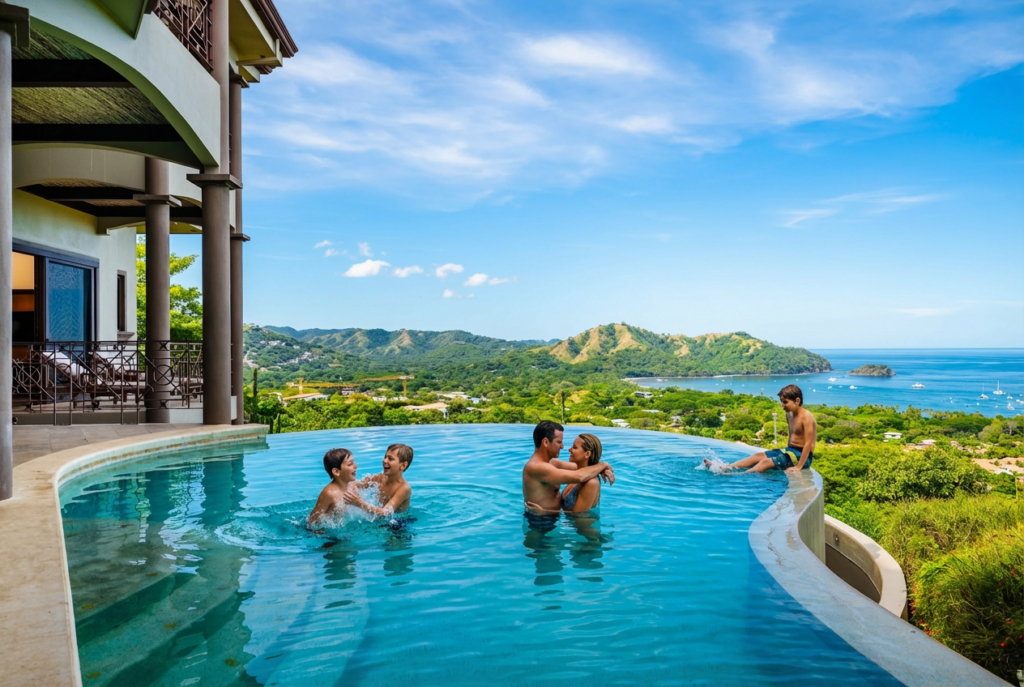
Costa Rica vs Hawaii: Which Tropical Paradise Is Right for You?

Dreaming of a tropical paradise but torn between Costa Rica and Hawaii? We understand your dilemma. Both destinations offer stunning beaches, lush landscapes, and unforgettable experiences—but they’re worlds apart in many ways.

When comparing Costa Rica vs Hawaii, we need to consider factors like budget, activities, culture, and accessibility. Costa Rica boasts incredible biodiversity and affordability, while Hawaii delivers iconic Pacific island charm with American conveniences. What kind of experience are you looking for? A rugged Central American adventure or a polished island getaway? Let’s explore these tropical havens to help you make the perfect choice for your next vacation.

Costa Rica vs Hawaii: Which Tropical Paradise Is Right for You?

Choosing between Costa Rica and Hawaii often comes down to what you value most in your vacation experience. Both destinations offer stunning beaches, lush landscapes, and unforgettable adventures—but they differ in significant ways that can make one a better fit for your travel style.

Costa Rica delivers an authentic Central American experience with its rich biodiversity, affordable accommodations, and immersive cultural encounters. The country’s commitment to conservation has preserved over 25% of its land as protected parks and reserves, creating a haven for wildlife enthusiasts and eco-tourists.

Hawaii, on the other hand, provides American comforts with a Polynesian flair. Its well-developed tourism infrastructure offers luxurious resorts, familiar conveniences, and adventure activities without language barriers or currency exchanges. The islands’ volcanic landscapes and centuries-old traditions create a distinctive tropical atmosphere that’s still within U.S. borders.

Your budget plays a crucial role in this decision. Costa Rica generally offers more affordability across accommodations, dining, and activities, with mid-range hotels averaging $70-150 per night compared to Hawaii’s $200-400. However, Hawaii eliminates international travel requirements for U.S. citizens, potentially saving on passport fees and reducing travel documentation stress.

What kind of traveler are you? Do you crave authentic cultural immersion and wild, less-developed natural settings? Or do you prefer polished amenities with exotic appeal but familiar comforts? Your answer might reveal which tropical paradise aligns with your vacation dreams.

Geography and Natural Beauty

Both Costa Rica and Hawaii boast incredible natural landscapes, though each offers distinctly different experiences. Costa Rica’s 900+ miles of coastline and 1,700+ documented waterfalls create a biodiverse paradise, while Hawaii’s volcanic origins shape its stunning island scenery.

Beaches and Coastlines

Costa Rica’s coastlines span both the Pacific Ocean and Caribbean Sea, offering diverse beach experiences across 800 miles of shoreline. The Pacific side features popular surfing destinations like Tamarindo and Manuel Antonio with golden-sand beaches, while the Caribbean coast offers more secluded stretches with darker sand and vibrant Afro-Caribbean culture. Many Costa Rican beaches remain undeveloped, retaining their natural character and wildlife, including nesting sea turtles at places like Tortuguero.

Hawaii’s beaches showcase dramatic variety across its islands, from Oahu’s famous Waikiki Beach to Kauai’s Na Pali coastline. The islands feature white, black, and even green sand beaches—each with specific geological origins. Hawaii’s beaches typically offer more developed amenities, lifeguards, and accessibility compared to Costa Rica’s sometimes remote shores. The water clarity in Hawaii often surpasses Costa Rica’s, with exceptional snorkeling opportunities at spots like Molokini Crater and Hanauma Bay.

Volcanoes and Mountains

Costa Rica houses six active volcanoes and dozens of dormant or extinct ones within its compact borders. Arenal Volcano, with its nearly perfect cone shape, stands as Costa Rica’s most iconic volcanic formation, while Poás features one of the world’s largest active craters. The Central Highlands contain cloud forests like Monteverde at elevations reaching 4,662 feet, creating diverse microclimates throughout the country. Costa Rica’s mountains include coffee-growing regions with lush, terraced landscapes.

Hawaii’s dramatic volcanic landscape stems from its position over a geologic hotspot in the Pacific. Mauna Kea on the Big Island reaches 13,796 feet above sea level (and over 33,000 feet from its ocean floor base), making it technically taller than Mount Everest from base to summit. Hawaii Volcanoes National Park offers visitors the chance to witness active lava flows at Kilauea, one of the world’s most active volcanoes. The islands’ mountainous interiors create striking valley formations like Oahu’s Ko’olau range and Maui’s Iao Valley.

Wildlife and Biodiversity

Costa Rica protects over 25% of its land as national parks or reserves, supporting extraordinary biodiversity in a country covering just 0.03% of Earth’s surface. This small nation hosts approximately 5% of the world’s known plant and animal species. Visitors commonly encounter sloths, four monkey species, toucans, and countless tropical birds. Marine environments support whales, dolphins, sea turtles, and vibrant coral reefs. Costa Rica’s varied ecosystems include rainforests, cloud forests, dry forests, mangroves, and wetlands—each supporting unique wildlife communities.

Hawaii’s isolation has led to remarkable endemic species evolution, with plants and animals found nowhere else on Earth. The islands contain 44 endangered bird species and unique native flora adapted to volcanic soils. Marine life thrives in Hawaii’s protected waters, including green sea turtles, monk seals, manta rays, and seasonal humpback whale migrations. Hawaii’s biodiversity, while impressive, features fewer large land mammals and predators than Costa Rica. The archipelago’s fragile ecosystems face ongoing conservation challenges from introduced species and development pressures.

Weather and Best Time to Visit

Weather plays a crucial role in planning a tropical vacation. Costa Rica and Hawaii both offer warm climates year-round, but their weather patterns differ significantly, affecting when you might want to visit each destination.

Hawaii’s Climate Patterns

Hawaii enjoys a remarkably consistent climate throughout the year with temperatures typically ranging between 75-85°F (24-29°C). The islands experience only two seasons: summer (May to October) and winter (November to April). Winter brings slightly cooler temperatures and more rainfall, especially on the northeastern sides of the islands.

Each Hawaiian island has distinct microclimates. The leeward (western) sides are generally drier and sunnier, while the windward (eastern) sides receive more rainfall, creating lush landscapes. Kauai’s Mount Waialeale receives about 450 inches of rain annually, making it one of the wettest spots on Earth, while Kona on the Big Island gets just 18 inches yearly.

The best time to visit Hawaii is during the shoulder seasons of April-May and September-October. These months offer excellent weather with fewer crowds and lower prices than the peak periods of winter (December-March) and summer (June-August). If you’re interested in whale watching, plan your trip between December and May when humpback whales migrate to Hawaiian waters.

Hawaii’s hurricane season runs from June through November, though direct hits are rare. Trade winds keep the humidity comfortable on most days, contributing to Hawaii’s reputation for pleasant weather year-round.

Costa Rica’s Wet and Dry Seasons

Costa Rica’s weather follows a distinct pattern of wet and dry seasons rather than temperature variations. The dry season, from mid-December through April, brings sunny days with temperatures between 70-90°F (21-32°C) depending on elevation. The wet season spans May through November, with September and October typically experiencing the heaviest rainfall.

Unlike Hawaii’s consistent climate across islands, Costa Rica’s weather varies dramatically by region. The Caribbean coast stays humid year-round with rainfall distributed evenly throughout the year. The Pacific coast and central valleys follow the more pronounced wet-dry cycle, while mountainous areas like Monteverde maintain cooler temperatures averaging 65°F (18°C).

Many travelers prefer visiting Costa Rica during the dry season for outdoor activities and beach time. However, the “green season” (early wet season from May-August) offers several advantages: lush landscapes, fewer tourists, lower prices, and afternoon rather than all-day rains. This period is ideal for wildlife watching as animals become more active and visible.

The Guanacaste region in northwestern Costa Rica remains the driest part of the country, receiving just 40-50 inches of annual rainfall compared to over 200 inches in parts of the Caribbean coast. For the best weather compromise, consider visiting during transition months like November or May when you’ll find a balance between sunny days and vibrant green scenery.

What kind of weather do you prefer for your tropical getaway? The predictable sunshine of Hawaii’s dry sides or Costa Rica’s dramatic seasonal transformations?

Travel Costs and Budget Considerations

Understanding the financial aspects of your tropical getaway helps maximize your vacation experience. Costa Rica and Hawaii offer distinct value propositions that cater to different budget levels and spending priorities.

Accommodation Comparison

Costa Rica delivers significantly more affordable lodging options compared to Hawaii’s premium-priced accommodations. In Costa Rica, budget-conscious travelers find comfortable hostels starting at $15-30 per night, while mid-range hotels range from $50-100. Even luxury eco-lodges and beachfront resorts often fall between $150-300 per night—a fraction of similar experiences in Hawaii.

Hawaii’s accommodation costs reflect its status as a premier U.S. vacation destination. Budget accommodations typically start around $150-200 per night, mid-range hotels average $250-350, and luxury resorts command $400-1,000+ nightly rates. Vacation rentals offer some relief, particularly for families or extended stays, but still exceed Costa Rican prices.

The value gap widens during high seasons. During Hawaii’s winter peak (December-March), room rates can increase by 30-50%, while Costa Rica’s dry season premium typically stays under 25%. Have you considered how these price differences might impact the length of your stay or the quality of accommodation you can afford?

Food and Transportation Expenses

Costa Rica offers substantial savings on meals and transportation compared to Hawaii’s higher costs. Local Costa Rican restaurants serve traditional meals like casado (rice, beans, protein, and plantains) for $5-10, while mid-range restaurants charge $15-25 per person. Street food and farmers markets provide even more budget-friendly options.

Hawaii’s food costs mirror mainland U.S. prices with a significant markup. Quick meals start around $15-20, while sit-down restaurants average $25-40 per person. Grocery prices run 30-50% higher than mainland rates due to shipping costs. Dining at resort restaurants often adds another premium.

Transportation costs create another notable difference. In Costa Rica, public buses connect major destinations for $5-15, and internal flights between regions cost $50-100. Rental cars range from $40-80 daily plus insurance. Hawaii’s limited public transportation means most visitors need rental cars ($70-120 daily) or rely on tours and shuttles. Island-hopping flights start at $100-200 round-trip, adding considerable expense for multi-island explorations.

The total daily budget reflects these differences clearly. Budget travelers can enjoy Costa Rica for $50-75 daily (excluding flights), while mid-range experiences cost $100-150 per person. Hawaii typically requires $200-300 daily for a similar mid-range experience, with budget options rarely dipping below $150 per day.

Activities and Adventures

Costa Rica and Hawaii offer incredible outdoor experiences that showcase their natural wonders. Both destinations boast diverse activities for adventure seekers and nature lovers alike, though they differ significantly in what they offer and how these experiences unfold.

Water Sports and Ocean Experiences

The crystal-clear waters surrounding both Costa Rica and Hawaii create perfect playgrounds for water enthusiasts. Costa Rica’s 900+ miles of coastline provides world-class surfing conditions, particularly in spots like Tamarindo and Jacó, where consistent waves attract surfers of all skill levels. The less crowded Caribbean coast offers exceptional snorkeling among vibrant coral reefs and tropical fish species.

Hawaii’s marine adventures come with more developed infrastructure and guided experiences. Famous breaks like Pipeline on Oahu’s North Shore challenge expert surfers, while beginners find gentle waves at protected beaches. Hawaii’s underwater visibility often exceeds that of Costa Rica, with established snorkeling sites like Molokini Crater and Hanauma Bay offering encounters with sea turtles, colorful fish, and sometimes spinner dolphins.

Do you prefer raw, less developed beach experiences or more organized water activities with modern amenities?

Hiking and Rainforest Exploration

Costa Rica’s hiking experiences immerse visitors in some of the world’s most biodiverse ecosystems. With over 25% of its land protected as national parks or reserves, trails wind through cloud forests in Monteverde, volcanic landscapes at Arenal, and coastal jungles in Manuel Antonio. Hikers regularly spot wildlife including howler monkeys, sloths, and colorful toucans along well-maintained paths.

Hawaii’s hiking trails showcase dramatic volcanic terrain and breathtaking coastal views. The islands feature trails like the Kalalau on Kauai’s Na Pali Coast and paths traversing Haleakalā’s crater on Maui. Hawaii’s trails often come with better signage and accessibility, though they typically feature less biodiversity than Costa Rica’s rainforests.

Both destinations offer incredible waterfall experiences. Costa Rica boasts more than 1,700 documented waterfalls, many accessible through short hikes. Hawaii counters with dramatic cascades like Akaka Falls and sacred sites such as Wailua Falls.

Cultural Attractions

Costa Rica’s cultural experiences center around its authentic Central American heritage and “pura vida” lifestyle. Visitors can explore small towns like Sarchí known for colorful handicrafts, coffee plantations that demonstrate traditional growing methods, and indigenous communities that maintain pre-Columbian traditions. Local farmers markets and cooking classes showcase Costa Rican cuisine featuring gallo pinto, plantains, and fresh tropical fruits.

Hawaii’s cultural landscape blends native Hawaiian traditions with multicultural influences. Visitors can attend authentic luaus featuring hula performances, visit historic sites like Pearl Harbor, or experience living history at the Polynesian Cultural Center. Hawaiian cultural practices such as lei-making and ukulele playing are readily accessible through organized workshops at resorts and cultural centers.

Costa Rica offers more opportunities for Spanish language immersion and interactions with locals in less touristy settings. Hawaii provides more organized cultural programs and better interpretation of historical sites, though sometimes within more commercial frameworks.

What kind of cultural experience appeals to you more – authentic local encounters or well-presented cultural demonstrations?

Accessibility and Travel Requirements

Getting to your tropical destination involves different travel logistics depending on whether you choose Costa Rica or Hawaii. Each location has distinct flight options and entry requirements that can significantly impact your vacation planning process.

Flight Options and Travel Time

Hawaii’s flight connectivity from the U.S. mainland offers numerous direct options from major cities. Flights from West Coast cities like Los Angeles or San Francisco to Honolulu typically take 5-6 hours, while East Coast travelers face longer journeys of 10-12 hours, often with a connection. During peak seasons, airlines operate over 30 daily flights to Hawaii’s major airports.

Costa Rica’s international airports in San José (SJO) and Liberia (LIR) connect with several U.S. cities, though fewer direct flights are available compared to Hawaii. Flight times range from 3-4 hours from southern U.S. cities to 7-9 hours from the Northeast, with many routes requiring connections. During high season (December-April), finding direct flights becomes easier, with cities like Miami, Houston, and Los Angeles offering daily service.

For international travelers outside the U.S., Costa Rica may actually provide easier access, with good connections from European and Latin American hubs. Hawaii’s remote location in the Pacific means longer travel times for international visitors, with most requiring a connection through the U.S. mainland.

Visa and Entry Requirements

Hawaii, as part of the United States, requires no additional documentation for U.S. citizens beyond standard identification for domestic flights. This convenience eliminates international travel complications for American travelers. Non-U.S. citizens need to meet standard U.S. entry requirements, including a valid visa or ESTA (Electronic System for Travel Authorization) for eligible countries.

Costa Rica imposes different entry standards depending on your citizenship. U.S. citizens don’t need a visa for visits under 90 days, but must have:

  • A passport valid for at least one day beyond your planned departure date
  • Proof of onward travel (return or ongoing ticket)
  • Proof of sufficient funds ($100 per month of stay)

For many European, Canadian, and Australian travelers, similar visa-free arrangements apply for Costa Rica, though required passport validity periods may vary. Some nationalities require a pre-arranged visa, making it essential to check current requirements before booking.

Costa Rica also occasionally implements specific health-related entry requirements during global health situations, which might include vaccination certificates or health declarations. Hawaii, following U.S. federal guidelines, typically has fewer variable entry requirements but adheres to any nationwide travel protocols.

When considering which destination fits your needs, Americans seeking hassle-free travel without international requirements might prefer Hawaii, while international travelers or those looking for Central American adventure may find Costa Rica’s entry process straightforward enough to justify its exceptional value and unique experiences.

Local Culture and Cuisine

The cultural tapestry and culinary landscapes of Costa Rica and Hawaii offer travelers distinctly different experiences. Both destinations showcase rich traditions that reflect their unique histories and geographical locations, creating immersive environments that go beyond typical tourist attractions.

Hawaiian Cultural Experience

Hawaii’s cultural scene blends ancient Polynesian traditions with modern American influences. Visitors can participate in authentic luaus where hula dancers tell stories through movement while enjoying a feast of kalua pig, poi, and lomi salmon. The islands honor their heritage through cultural centers like the Polynesian Cultural Center on Oahu, where performances and exhibits showcase Hawaiian history.

Hawaiian cuisine reflects the islands’ multicultural history with dishes like poke (seasoned raw fish), plate lunches featuring rice and macaroni salad, and shave ice for dessert. The farm-to-table movement thrives in Hawaii, with restaurants showcasing fresh local ingredients like macadamia nuts, pineapples, and fresh-caught seafood. Farmers markets on each island offer opportunities to sample tropical fruits and meet local producers.

Many hotels and resorts incorporate cultural activities into their programming, such as lei-making classes, ukulele lessons, and guided cultural hikes. These experiences provide convenient access to Hawaiian traditions within the comfort of established tourism infrastructure.

Costa Rican Pura Vida Lifestyle

Costa Rica’s “Pura Vida” philosophy pervades every aspect of daily life, creating a relaxed, appreciative atmosphere that’s immediately noticeable. This “pure life” mentality emphasizes gratitude, slowing down, and enjoying simple pleasures. Locals use the phrase as a greeting, farewell, and expression of contentment that visitors quickly adopt.

Traditional Costa Rican cuisine centers around “casados” – plates featuring rice, beans, plantains, salad, and a protein. Local sodas (small family-run restaurants) offer authentic meals at reasonable prices, creating opportunities for cultural exchange with residents. Coffee culture runs deep in Costa Rica, with plantation tours available throughout the central highlands that demonstrate the bean-to-cup process.

Costa Rican communities maintain strong indigenous influences, particularly visible in artisan crafts like colorful oxcarts, handwoven textiles, and carved masks. Visitors can explore local markets in towns like Sarchi and San José to find authentic souvenirs while supporting local artisans. Rural tourism initiatives have grown in popularity, allowing travelers to stay with families or visit indigenous communities to learn traditional practices.

The cultural experience in Costa Rica feels more spontaneous and less commercialized than in Hawaii. Chance encounters with locals often lead to meaningful conversations, impromptu dance lessons during community festivals, or invitations to family gatherings. Have you considered what type of cultural immersion matters most for your travel experience?

Conclusion

Whether you’re drawn to Costa Rica’s affordable adventure and biodiverse wilderness or Hawaii’s polished paradise with American comforts it’s clear both destinations offer unforgettable tropical experiences.

Your ideal choice ultimately depends on your travel priorities. Costa Rica wins for budget travelers biodiversity enthusiasts and those seeking authentic cultural immersion. Hawaii shines for those wanting familiar conveniences luxurious accommodations and easier logistics for U.S. citizens.

We hope this comparison has helped illuminate which tropical paradise best suits your vacation dreams. Both destinations promise stunning landscapes breathtaking beaches and memory-making adventures that will have you planning your return before you’ve even left.

Frequently Asked Questions

Which is more budget-friendly: Costa Rica or Hawaii?

Costa Rica is significantly more budget-friendly than Hawaii. Budget travelers can enjoy Costa Rica for $50-75 per day, while Hawaii typically requires $200-300 daily. In Costa Rica, budget accommodations start at $15-30 per night, compared to Hawaii’s $150-200. Meals and transportation are also much cheaper in Costa Rica, making it ideal for travelers seeking a tropical experience without the high price tag.

When is the best time to visit Hawaii?

The best times to visit Hawaii are during the shoulder seasons of April-May and September-October. Hawaii enjoys a consistent climate year-round with temperatures typically ranging from 75-85°F (24-29°C). There are two distinct seasons, but weather remains pleasant throughout the year. These shoulder months offer fewer crowds and potentially better rates while still providing excellent weather conditions.

When is the best time to visit Costa Rica?

The dry season from mid-December through April is most popular for visiting Costa Rica, offering sunny days ideal for outdoor activities. However, the “green season” from May to August provides unique advantages including lush landscapes, fewer tourists, and lower prices. Costa Rica has distinct wet and dry seasons, with the wet season bringing afternoon showers but still plenty of sunshine in the mornings.

Which destination has better beaches?

Both destinations offer exceptional beaches with different characteristics. Costa Rica’s 900+ miles of coastline feature diverse beaches from popular Pacific surfing spots to secluded Caribbean stretches, often maintaining their natural character. Hawaii’s beaches are known for dramatic variety, developed amenities, and exceptional snorkeling opportunities. Your preference depends on whether you favor natural, less-developed beaches or more accessible beaches with modern facilities.

Is Hawaii or Costa Rica better for wildlife viewing?

Costa Rica offers superior wildlife viewing opportunities, hosting approximately 5% of the world’s known species in its protected areas, which cover over 25% of the country. Visitors regularly encounter monkeys, sloths, toucans, and countless other species in their natural habitats. While Hawaii has unique endemic species due to its isolation, it faces more conservation challenges and doesn’t offer the same biodiversity or ease of wildlife encounters.

Do I need a passport to visit Costa Rica or Hawaii?

You need a passport to visit Costa Rica but not Hawaii. Hawaii, being a U.S. state, requires no international documentation for U.S. citizens—just a regular ID for air travel. For Costa Rica, all visitors need a valid passport, and entry requirements vary by citizenship. U.S. citizens can typically stay up to 90 days without a visa, making both destinations relatively accessible but with different documentation needs.

Which destination has better hiking experiences?

Both destinations offer outstanding but different hiking experiences. Costa Rica features trails through incredibly biodiverse rainforests, cloud forests, and volcanic terrain with abundant wildlife viewing opportunities. Hawaii showcases dramatic volcanic landscapes, coastal trails, and breathtaking overlooks with unique geological formations. Your preference depends on whether you prioritize biodiversity and wildlife (Costa Rica) or dramatic volcanic landscapes and ocean views (Hawaii).

What cultural experiences can I expect in each destination?

Hawaii blends ancient Polynesian traditions with modern American influences, offering structured cultural experiences like luaus and historical sites. Costa Rica embodies the relaxed “Pura Vida” lifestyle with more spontaneous and less commercialized cultural interactions. Costa Rican culture centers around local sodas (small restaurants), traditional casados (typical meals), and genuine community engagement, providing a more authentic Central American experience.

How accessible is each destination for U.S. travelers?

Hawaii is more accessible for U.S. travelers, with numerous direct flights from major cities and no passport requirements. Costa Rica has fewer direct flights from the U.S. but remains relatively accessible with major airlines serving both San José and Liberia airports. For U.S. citizens, Hawaii offers a hassle-free domestic travel experience, while Costa Rica requires a passport but provides straightforward entry procedures with tourist visas on arrival.

Which destination is better for water sports?

Both destinations excel in water sports but with different strengths. Costa Rica is world-renowned for surfing, particularly along its Pacific coast, and offers excellent sport fishing and whitewater rafting. Hawaii provides more developed marine adventures with established snorkeling sites, legendary surf breaks, and specialized experiences like outrigger canoeing. Both offer superb snorkeling, though Hawaii’s facilities are typically more developed with greater infrastructure.

Costa Rica Private Vacation Experiences: Ultimate Luxury Escape

Imagine waking up to breathtaking mountain and ocean views from every room of your private villa in Costa Rica. With over 900 miles of coastline and more than 1,700 documented waterfalls, this Central American paradise offers an unmatched combination of natural splendor and adventure opportunities that can transform an ordinary vacation into an extraordinary experience.

We’ve discovered that Costa Rica’s diverse landscapes provide the perfect backdrop for those seeking both excitement and relaxation. Are you dreaming of exploring lush rainforests in the morning and unwinding on pristine beaches by afternoon? Costa Rica delivers this versatile vacation experience while allowing you to return each evening to accommodations that go beyond typical luxury, creating the ideal base camp for daily adventures in paradise.

Why Costa Rica Is Perfect for Private Vacations

Costa Rica offers an unmatched setting for private vacations with its extraordinary natural diversity. The country’s 900+ miles of coastline and over 1,700 documented waterfalls create a paradise-like environment for travelers seeking both tranquility and adventure.

Private accommodations in Costa Rica showcase breathtaking mountain and ocean views from every room. These exotic mountain villas go beyond standard luxury, creating a refined base camp for daily explorations. After exciting adventures through rainforests or along beaches, guests return to comfortable sanctuaries that complement the natural beauty outside.

Costa Rica’s compact size allows visitors to experience varied ecosystems in a single trip. In the morning, you might trek through misty cloud forests, and by afternoon, relax on golden sand beaches. This accessibility makes the country ideal for private vacations where flexibility and personalized experiences matter.

The combination of natural splendor and adventure opportunities sets Costa Rica apart from other destinations. Where else can you witness exotic wildlife in their natural habitats, zip-line through ancient forests, and soak in natural hot springs—all while staying in exceptional private accommodations?

For those who value privacy without sacrificing experiences, Costa Rica delivers the perfect balance. Private villas situated in strategic locations provide both seclusion and convenient access to the country’s most captivating attractions.

Top Luxury Accommodations in Costa Rica

Costa Rica’s luxury accommodation scene offers breathtaking experiences with stunning views and exclusive amenities. From coastal paradises to mountaintop retreats, discerning travelers find exceptional private spaces that combine privacy with natural beauty.

Private Villas on the Pacific Coast

The Pacific Coast of Costa Rica hosts some of the most exceptional private villas in Central America. These coastal havens feature infinity pools overlooking the ocean, with panoramic views from every room. Many properties in Tamarindo, Guanacaste combine contemporary architecture with natural surroundings, creating perfect harmony between luxury and nature.

Typical Pacific Coast villa compounds include a main residence plus separate guest suites, accommodating groups of 8-10 guests comfortably. These properties offer complete privacy while providing access to golden sand beaches, surf spots, and coastal activities. The design elements incorporate indoor-outdoor living spaces, taking full advantage of Costa Rica’s perfect climate and breathtaking sunsets.

What makes these coastal accommodations special? Beyond the obvious ocean views, it’s the attention to detail – private terraces for each bedroom, gourmet kitchens for entertaining, and strategic positioning to capture both mountain and ocean vistas simultaneously.

Exclusive Mountain Retreats

Mountain villas in Costa Rica deliver a different but equally magnificent experience. Nestled in lush highlands, these properties provide cooler temperatures and dramatic panoramas of rolling mountains meeting the distant ocean. The elevation creates a peaceful atmosphere where guests wake to misty mornings and colorful bird species visiting nearby trees.

The mountain retreats often feature exotic architectural elements that blend with the natural environment. Multiple infinity pools create the illusion of water extending into the vast mountain landscape. These accommodations serve as perfect base camps for daily adventures, offering luxury that exceeds expectations upon your return from exploring.

Many mountain properties are designed as compounds with independent structures, allowing for both togetherness and privacy. The thoughtful layout maximizes views from every angle, ensuring that whether you’re enjoying breakfast on your terrace or relaxing in your bedroom, you’re constantly connected to Costa Rica’s natural beauty.

Have you considered how your vacation might be transformed by staying somewhere that offers both seclusion and panoramic views? These mountain retreats provide exactly that balance – private luxury amidst Costa Rica’s most spectacular scenery.

Customized Tours and Activities

Costa Rica’s diverse landscapes create endless opportunities for personalized adventures. Our customized tours connect you directly with the country’s natural wonders while providing exclusive experiences tailored to your preferences.

Private Wildlife Expeditions

Private wildlife expeditions in Costa Rica offer intimate encounters with the country’s remarkable biodiversity. These exclusive tours take you through secluded trails where sloths, toucans, and monkeys thrive in their natural habitats. With a dedicated naturalist guide, you’ll spot camouflaged creatures often missed by larger groups and receive in-depth information about each species.

Dawn and dusk expeditions yield exceptional wildlife sightings when animals are most active. Trek through misty cloud forests to witness rare quetzal birds or explore nocturnal rainforest life with specialized equipment. For photography enthusiasts, guides position you at optimal viewpoints and help adjust settings for capturing perfect wildlife shots.

Many expeditions incorporate conservation activities like butterfly garden visits or sea turtle protection efforts, creating meaningful connections with Costa Rica’s ecosystem. These private experiences maintain flexible pacing, allowing you to linger at fascinating spots rather than rushing through predetermined schedules.

Exclusive Beach and Water Experiences

Costa Rica’s 900+ miles of coastline provide the perfect backdrop for private beach and water adventures. Charter yachts cruise along the Pacific coast, stopping at hidden coves accessible only by water. These voyages include snorkeling in crystal-clear waters, where you’ll discover vibrant coral reefs and tropical fish species in your own private marine sanctuary.

Private surf lessons cater to all skill levels, with instructors selecting uncrowded breaks matched to your abilities. For tranquility seekers, guided kayak tours through mangrove estuaries reveal fascinating ecosystems where saltwater meets freshwater habitats. Sunset catamaran sails include gourmet dining experiences while dolphins often accompany the vessel.

Exclusive beach picnics set up on remote stretches of sand create unforgettable dining experiences. Professional chefs prepare fresh seafood meals while you enjoy complete privacy away from tourist hotspots. For adventurous travelers, specialized coasteering expeditions combine swimming, climbing, and jumping along rocky shorelines with safety equipment and expert guidance.

Personalized Culinary Experiences

Costa Rica’s vibrant food scene offers travelers exceptional dining opportunities that celebrate local ingredients and traditions. From farm-fresh produce to seafood caught daily, private culinary experiences transform meals into memorable moments that capture the essence of this tropical paradise.

Private Chef Services

Personal chefs elevate Costa Rica vacations by creating custom menus in the comfort of your private villa. These talented culinary professionals craft dishes using locally sourced ingredients—tropical fruits, freshly caught fish, and organic vegetables from nearby farms. They’ll work with your dietary preferences and restrictions to design perfectly tailored meal plans.

Many chefs incorporate traditional Costa Rican cooking methods while adding contemporary twists to classic dishes. Imagine waking up to a breakfast of fresh tropical fruit platters, gallo pinto (traditional rice and beans), and freshly brewed local coffee on your villa’s terrace overlooking the Pacific Ocean or mountain vistas.

Evening dining experiences become spectacular events with personalized multi-course meals served under the stars. Your chef might prepare a seafood feast featuring just-caught red snapper or mahi-mahi, accompanied by seasonal vegetables and finished with decadent desserts highlighting local chocolate and tropical fruits.

Exclusive Dining Destinations

Beyond in-villa dining, Costa Rica offers extraordinary private dining locations that showcase its natural beauty. Have you ever dreamed of dining at a secluded table on a pristine beach as the sun sets? Or perhaps enjoying lunch on a private platform overlooking a waterfall?

Exclusive dining destinations in Costa Rica include:

  • Beach setups with candlelit tables directly on the sand, complete with personal waitstaff and customized menus focusing on fresh seafood and tropical flavors
  • Rainforest experiences where tables are arranged in cleared areas surrounded by lush vegetation, often accompanied by the sounds of native wildlife
  • Mountain viewpoints offering panoramic vistas while enjoying dishes that incorporate highland-grown ingredients and traditional cooking techniques

These special dining venues often feature collaborations with acclaimed local chefs who create distinctive menus highlighting regional specialties and seasonal ingredients. Many locations also offer wine pairings specifically selected to complement the flavors of Costa Rican cuisine.

For the ultimate exclusive experience, some properties arrange helicopter transportation to remote dining locations, such as pristine beaches accessible only by air or boat, creating truly unforgettable culinary adventures against the backdrop of Costa Rica’s spectacular landscapes.

Transportation Options for Privacy and Comfort

Private Vehicle Services

Private vehicle services transform how you explore Costa Rica, offering flexibility without the hassle of driving yourself. Professional drivers familiar with local roads navigate efficiently between destinations while you enjoy the scenery. These services range from luxury SUVs for couples to spacious vans accommodating larger groups, ensuring everyone travels together comfortably.

Many premium transportation providers enhance the experience with amenities like refreshments, Wi-Fi, and custom stops at viewpoints. Your driver doubles as a local guide, sharing insights about passing landscapes and suggesting hidden gems worth visiting. Have you considered how much more you’ll see when free to observe rather than navigate?

Helicopter Transfers for Ultimate Privacy

Helicopter transfers elevate Costa Rican travel to extraordinary heights, literally bypassing roads altogether. These swift aerial journeys compress hours of driving into minutes of breathtaking sightseeing. Imagine soaring over dense rainforests and volcanic peaks while spotting waterfalls inaccessible by land.

Beyond convenience, helicopters access remote properties unreachable by conventional transportation. Exclusive mountain lodges and secluded coastal villas connect directly with major arrival points through helipad services. The aerial perspective offers unparalleled photo opportunities of Costa Rica’s diverse ecosystems. Private helicopters accommodate 4-6 passengers typically, making them perfect for families or intimate groups seeking exceptional travel experiences.

Luxury Yacht Charters

Luxury yacht charters represent the pinnacle of coastal transportation in Costa Rica, combining travel with unforgettable experiences. These floating sanctuaries range from 40-foot sailing vessels to 100-foot motor yachts with multiple staterooms. Cruise along Costa Rica’s Pacific coast, stopping at secluded beaches and prime snorkeling spots unreachable by land.

Professional crews handle navigation, meal preparation, and activity planning, freeing you to relax completely. Many charters offer water toys like paddleboards, sea kayaks, and fishing equipment. Some premium vessels feature jacuzzis, spacious sundecks, and climate-controlled interiors. What could be more private than anchoring in a secluded bay with just your group and the sounds of nature?

Private Jet Access

Private jet services streamline your journey to and within Costa Rica, maximizing vacation time and minimizing travel stress. These aircraft utilize several regional airports beyond the main international hubs, bringing you closer to your final destination. For example, Tamarindo and Quepos airports put you minutes from popular luxury destinations instead of hours by car.

The benefits extend beyond speed—private terminals offer discrete arrivals and departures without crowds or lines. In-flight amenities include personalized catering, comfortable seating, and the freedom to set your own schedule. This transportation option particularly suits travelers with limited vacation time or those visiting multiple regions of Costa Rica during one trip.

Best Times to Book Your Private Costa Rica Vacation

Seasonal Considerations

Costa Rica’s seasons shape the vacation experience in distinct ways. The dry season, from December to April, offers sunny days perfect for beach activities and wildlife viewing. You’ll enjoy clear skies and minimal rainfall, making this period ideal for exploring coastal areas like Manuel Antonio or the Nicoya Peninsula. During these months, the landscape appears golden and less lush, but ocean visibility improves dramatically for snorkeling and diving.

The green season (May to November) transforms the country with vibrant colors and renewed energy. Mornings typically start clear before afternoon showers refresh the environment. This period brings fewer crowds, lower rates at luxury properties, and spectacular natural phenomena like turtle nesting. The rainforests burst with life, waterfalls reach peak flow, and wildlife becomes more active. Many travelers prefer this time for photography, bird watching, and experiencing Costa Rica’s biodiversity at its fullest.

Booking Windows for Luxury Properties

Luxury accommodations in Costa Rica require advance planning, especially for prime properties. For high season travel (December through April), booking 9-12 months ahead secures the most coveted villas and exclusive mountain retreats. These early bookings allow you to select properties with the best views, ideal layouts for your group, and proximity to specific attractions.

Green season travelers enjoy more flexibility with a 4-6 month booking window often sufficient for securing excellent properties. However, holiday periods within the green season, such as Thanksgiving or Easter, follow high-season booking patterns. When traveling with larger groups or multiple families, early booking becomes essential regardless of season to find accommodations that can host everyone comfortably under one roof.

Special Events and Festivals

Costa Rica’s cultural calendar adds richness to private vacations when timed thoughtfully. The Envision Festival in February combines music, art, and sustainability in a beachside setting near Uvita. Easter Week (Semana Santa) brings vibrant processions and celebrations throughout the country, though many businesses close during this time.

July welcomes the Annexation of Guanacaste celebration with traditional dance, music, and food in the northwestern region. In September, Independence Day festivities occur nationwide with parades and cultural events. For nature enthusiasts, the arribada (mass turtle nesting) at Ostional Wildlife Refuge offers an incredible experience, typically peaking around August through October. How might these cultural events enhance your private Costa Rica experience?

Holiday Considerations

Holiday periods in Costa Rica demand extra advance planning. Christmas through New Year’s represents the absolute peak season, with many luxury properties requiring bookings 12-15 months in advance and implementing minimum stay requirements (typically 7-10 nights). Rates during this period often increase by 20-50% compared to regular high season pricing.

Spring Break weeks (mid-March through mid-April) similarly see high demand, especially for beachfront properties. Thanksgiving has grown increasingly popular among North American travelers, creating another mini-peak within the green season. These holiday periods offer festive atmospheres and special experiences, balanced against premium pricing and the need for earlier commitments.

Conclusion

Costa Rica stands as the ultimate private vacation destination where luxury meets untamed natural beauty. We’ve seen how exceptional accommodations both coastal and mountainous serve as perfect gateways to this paradise while providing the exclusivity discerning travelers seek.

The magic of a private Costa Rican experience lies in its customization possibilities – from wildlife encounters to culinary adventures all tailored to your preferences. With thoughtful transportation solutions your journey becomes as seamless as it is memorable.

Whether you’re seeking the perfect dry season escape or embracing the lush green season Costa Rica delivers unparalleled private experiences year-round. Your dream vacation awaits in this magnificent country where luxury personalized service and natural wonders create memories that last a lifetime.

Frequently Asked Questions

What makes Costa Rica ideal for luxury private vacations?

Costa Rica offers extraordinary natural diversity in a compact area, allowing visitors to experience varied ecosystems in a single trip. With 900+ miles of coastline and 1,700 waterfalls, you can trek through cloud forests in the morning and relax on golden beaches by afternoon. The country’s blend of adventure opportunities and tranquil settings, combined with exceptional private accommodations, creates a perfect balance of excitement and luxury in a stunning Central American paradise.

What types of luxury accommodations are available in Costa Rica?

Costa Rica offers two main types of luxury stays: Pacific Coast villas with infinity pools and panoramic ocean views, designed for indoor-outdoor living; and exclusive mountain retreats nestled in lush highlands with cooler temperatures and dramatic vistas. Both options feature thoughtful layouts that maximize views, luxurious amenities, and serve as ideal bases for daily adventures while keeping guests connected to Costa Rica’s natural beauty.

What customized activities can I experience during a private Costa Rica vacation?

You can enjoy private wildlife expeditions led by naturalist guides, exclusive beach adventures like chartered yacht snorkeling trips, surf lessons, and sunset catamaran sails with gourmet dining. Costa Rica also offers personalized culinary experiences with private chefs using locally sourced ingredients, and unique dining setups in secluded locations like beaches and rainforests. Some properties even arrange helicopter transportation to remote dining spots.

What transportation options enhance a luxury Costa Rica experience?

Four main options enhance privacy and comfort: private vehicle services with local driver-guides offering flexibility and insights; helicopter transfers providing aerial views and access to remote properties; luxury yacht charters combining travel with coastal experiences; and private jet services that streamline travel to and within Costa Rica, maximizing vacation time and minimizing stress—ideal for those with limited time or multiple destinations.

When is the best time to visit Costa Rica for a luxury vacation?

The dry season (December-April) is perfect for beach activities and wildlife viewing, while the green season (May-November) offers vibrant landscapes and fewer crowds. Luxury accommodations require advance planning, especially during peak seasons and holidays. Consider timing your visit around cultural events like the Envision Festival or Independence Day celebrations for an enriched experience, but note that holiday periods demand extra planning due to high demand and rates.

How far in advance should I book a luxury Costa Rica vacation?

For prime luxury properties, especially during high season (December-April) and holiday periods, book 6-12 months in advance. The most exclusive villas and experiences are limited and fill quickly. Green season (May-November) offers more flexibility with 3-6 months advance booking often sufficient. Working with a specialized travel advisor can help secure the best properties and create customized experiences that align with your preferences.

What unique culinary experiences are available in Costa Rica?

Costa Rica offers private chef services creating custom menus with fresh local ingredients, accommodating dietary preferences while blending traditional cooking methods with contemporary twists. Exclusive dining destinations include secluded beach setups, rainforest experiences, and farm-to-table meals against stunning backdrops. Some luxury properties arrange helicopter transportation to remote dining locations or special arrangements at renowned local restaurants for truly memorable culinary adventures.

Is Costa Rica suitable for families seeking a luxury vacation?

Absolutely! Costa Rica is ideal for luxury family vacations, offering spacious private villas with multiple bedrooms, kid-friendly amenities, and private pools. Many luxury properties provide personalized services like dedicated nannies and customized activity schedules. Families can enjoy age-appropriate adventures including gentle wildlife encounters, supervised surf lessons, and interactive cultural experiences that educate and entertain children while parents relax in comfort.

Costa Rica vs Dominican Republic: Tropical Paradise Showdown

Choosing between Costa Rica and the Dominican Republic for your next vacation isn’t easy. Both destinations offer stunning beaches, lush landscapes, and rich cultural experiences that attract millions of visitors each year. We’ve explored these tropical paradises extensively to help you make the perfect choice.

We understand the challenge of deciding where to spend your hard-earned vacation time. Should you pick Costa Rica’s eco-adventures and wildlife, or the Dominican Republic’s all-inclusive resorts and vibrant culture? What experiences matter most to you—rainforest hikes or pristine beaches? In this comparison, we’ll break down everything from costs and safety to activities and food, giving you all the information you need.

Still Deciding Between Tropical Escapes? Come stay at Villagio Musca!
If you’re torn between Costa Rica’s lush adventure and the Dominican Republic’s resort ease, consider a new kind of getaway. Villagio Musca in Costa Rica offering timeless charm and private villas with private terraces—perfect for those seeking beauty, culture, and peace. Book now to plan your private stay.

Costa Rica vs Dominican Republic: A Comprehensive Comparison

When comparing Costa Rica and the Dominican Republic, travelers face two distinct yet equally enticing tropical paradises. These Caribbean destinations offer stunning beaches and rich cultural experiences, but differ significantly in several key aspects. How do you choose which is right for your next getaway? Let’s explore the major differences between these popular vacation spots.

Geography and Landscapes

Costa Rica’s geography features diverse ecosystems packed into a compact area of 19,700 square miles. The country boasts 28 national parks, cloud forests in Monteverde, active volcanoes like Arenal, and two coastlines with distinctly different beach experiences. Its Pacific and Caribbean shores offer varied marine environments within a few hours’ drive of each other.

The Dominican Republic spans 18,700 square miles on the island of Hispaniola, sharing borders with Haiti. Its landscape includes the Caribbean’s highest peak, Pico Duarte (10,164 feet), along with rainforests, mangrove lagoons, and desert regions. The country’s 800 miles of coastline feature white-sand beaches like Punta Cana and Bávaro Beach, complemented by mountain ranges that create dramatic backdrops across the island.

Climate and Best Time to Visit

Costa Rica experiences two main seasons: dry (December-April) and rainy (May-November). The dry season brings sunshine and minimal rainfall, making it ideal for beach activities and wildlife viewing. During the rainy season, mornings typically remain clear with afternoon showers, offering lower prices and fewer crowds. Temperatures range from 65°F in highlands to 90°F in coastal areas year-round.

The Dominican Republic maintains warm temperatures throughout the year, averaging 77-85°F across the country. The peak tourist season runs from December to March, characterized by dry, sunny days. Hurricane season spans June to November, with September and October presenting the highest risk of storms. The shoulder seasons (April-May and November) offer pleasant weather conditions with reduced crowds and competitive pricing.

Tourism Infrastructure

The Dominican Republic has developed extensive tourism infrastructure with 80,000+ hotel rooms, many concentrated in all-inclusive resorts along the eastern coast. The country caters primarily to package tourists seeking convenient, resort-based vacations. Major tourist hubs include Punta Cana, Puerto Plata, and Santo Domingo, with well-established transportation networks connecting these destinations.

Costa Rica offers a more balanced mix of accommodation options across its 42,000 hotel rooms, from budget hostels to luxury eco-lodges. The country’s tourism development emphasizes sustainability and nature-based experiences. While some regions like Guanacaste feature resort clusters, much of Costa Rica’s lodging integrates with natural surroundings. Public transportation exists but renting a car provides greater flexibility for exploring diverse regions.

Activities and Experiences

Costa Rica specializes in eco-tourism and adventure activities. Visitors can enjoy:

  • Zip-lining through cloud forests in Monteverde
  • Wildlife viewing in Tortuguero National Park
  • Surfing at Tamarindo and Jacó beaches
  • Hiking around Arenal Volcano
  • White-water rafting on the Pacuare River

The country’s tourism focus centers on connecting with nature, with 25% of land protected as conservation areas.

The Dominican Republic offers a broader spectrum of experiences:

  • Relaxing at all-inclusive beach resorts in Punta Cana
  • Exploring colonial architecture in Santo Domingo’s Zona Colonial
  • Golfing at 28 professional courses including Punta Espada
  • Dancing merengue and bachata in local clubs
  • Whale watching in Samaná Bay (January-March)

The Dominican Republic blends beach relaxation with cultural experiences and various entertainment options.

Costs and Affordability

The Dominican Republic generally offers more budget-friendly options, particularly for all-inclusive experiences. Average costs include:

Expense CategoryDominican RepublicCosta Rica
Budget hotel room$30-50 per night$50-80 per night
Mid-range hotel$80-150 per night$100-200 per night
All-inclusive resort$150-300 per night$200-400 per night
Local meal$5-10$8-15
Restaurant meal$15-30$20-40
Domestic beer$2-3$3-5
Local transportation$0.50-1 per ride$1-2 per ride
Car rental (daily)$35-60$50-80

Costa Rica tends to be 20-30% more expensive overall, with higher costs for accommodation, food, and activities. However, both destinations offer value options across budget ranges depending on travel style and location within each country.

Geography and Climate Differences

The geographical features and climate patterns of Costa Rica and the Dominican Republic create distinctly different vacation experiences. These natural elements shape everything from available activities to the best times for visiting each destination.

Costa Rica vs Dominican Republic

Costa Rica’s Pacific and Caribbean Coasts

Costa Rica’s unique positioning offers access to both Pacific and Caribbean coastlines within a compact area of 19,730 square miles. The Pacific coast features dramatic cliff formations, volcanic black sand beaches like Playa Negra, and popular surfing spots such as Tamarindo and Jacó. On the eastern side, the Caribbean coast presents a completely different atmosphere with calmer waters, coral reefs, and culturally rich towns like Puerto Viejo.

Between these coasts lies Costa Rica’s mountainous interior, home to cloud forests in Monteverde, active volcanoes including Arenal and Poás, and dense rainforests within Corcovado National Park. This geographical diversity enables visitors to experience multiple ecosystems in a single trip. The country’s elevation ranges from sea level to 12,533 feet at Mount Chirripó, creating microclimates that support over 500,000 species of plants and animals.

Dominican Republic’s Tropical Paradise

The Dominican Republic occupies two-thirds of Hispaniola island, covering 18,792 square miles of diverse terrain. Its coastline stretches for 800 miles, featuring pristine white-sand beaches like Bávaro and Punta Cana on the eastern shore. The northern coast offers golden sand beaches and world-class windsurfing conditions around Cabarete.

The interior landscape includes four major mountain ranges, with Pico Duarte standing as the Caribbean’s highest peak at 10,164 feet. The southwestern region contains Lake Enriquillo, the largest lake and lowest elevation point in the Caribbean, sitting 138 feet below sea level. Unlike Costa Rica’s rainforests, the Dominican Republic features more dry forests, savannas, and cactus-dotted landscapes in regions like Barahona. The country’s geography creates a variety of vacation experiences, from beachfront relaxation to mountain adventures in the Cordillera Central.

Have you considered how these geographical differences might affect the type of vacation you’re looking for? The varied landscapes of both countries offer different opportunities for exploration and relaxation that can dramatically shape your travel experience.

Tourism and Vacation Experiences

Costa Rica and the Dominican Republic offer distinct vacation experiences that cater to different travel preferences. Each destination showcases its own blend of natural beauty and cultural richness that attracts millions of visitors annually.

Beach Destinations in Both Countries

The Dominican Republic’s beaches rank among the Caribbean’s finest, with over 250 miles of coastline featuring powdery white sand and turquoise waters. Punta Cana stands out with its 20-mile stretch of pristine beaches like Bávaro, while Samaná Peninsula offers more secluded spots such as Playa Rincón. The country’s beach infrastructure includes extensive all-inclusive resorts that provide convenient oceanfront access with amenities like beach bars, water sports rentals, and organized activities.

Costa Rica’s beaches present a more diverse and often less developed experience across both Pacific and Caribbean coasts. Manuel Antonio combines golden sand beaches with wildlife viewing opportunities where monkeys frequently visit the shore. The Nicoya Peninsula features surf-centric beaches like Tamarindo and Santa Teresa, drawing wave enthusiasts from around the world. Unlike the Dominican Republic’s manicured beach experiences, Costa Rica’s coastal areas often retain their natural character with fewer large resorts and more eco-lodges nestled between the jungle and sea.

Adventure and Eco-Tourism Opportunities

Costa Rica excels in eco-tourism with its commitment to environmental conservation covering 25% of its territory as protected land. Visitors can zip-line through Monteverde’s cloud forest canopy, spot toucans and sloths in Tortuguero National Park, or hike to La Fortuna waterfall near Arenal Volcano. The country offers over 100 adventure activities including white-water rafting on the Pacuare River, canyoning down tropical waterfalls, and wildlife watching tours where you might see four species of monkeys in a single day.

The Dominican Republic blends adventure with cultural experiences through its diverse landscape. Travelers explore the 27 waterfalls of Damajagua, climbing and jumping through natural water slides and pools. Jarabacoa provides mountain adventures with white-water rafting and paragliding opportunities in the central highlands. While less marketed for eco-tourism than Costa Rica, the Dominican Republic surprises nature enthusiasts with gems like Los Haitises National Park, where boat tours reveal mangrove forests and ancient pictographs in limestone caves. The country’s adventure offerings typically integrate with beach vacations rather than serving as the primary focus of a trip.

How do you prefer to experience a tropical destination—through relaxation on picture-perfect beaches or active exploration of natural wonders? Both countries deliver these experiences with their own distinctive approach to tourism and hospitality.

Cost of Living and Travel Expenses

Budget considerations play a crucial role when choosing between Costa Rica and the Dominican Republic. These two tropical destinations offer different price points across accommodation, food, transportation, and activities that can significantly impact your overall vacation cost.

Accommodation and Food Prices

In the Dominican Republic, accommodation options are typically more affordable than Costa Rica, especially when considering all-inclusive resorts. Standard all-inclusive packages in Punta Cana average $150-250 per night for two people, while similar arrangements in Costa Rica often start at $200-300. Budget hotels in the Dominican Republic can be found for $40-70 per night, compared to $60-100 in Costa Rica.

Food costs follow a similar pattern. A meal at an inexpensive restaurant in the Dominican Republic costs about $5-10 per person, while Costa Rica restaurants charge approximately $8-15 for comparable meals. Grocery prices in Costa Rica run about 20% higher than in the Dominican Republic, with imported items commanding premium prices in both countries.

Local specialties offer excellent value in both destinations. In the Dominican Republic, traditional dishes like mangú (mashed plantains) or la bandera (rice, beans, and meat) typically cost $4-6 from street vendors. Costa Rican casados (rice, beans, protein, and plantains) generally range from $5-8 at local sodas (small restaurants).

Transportation and Activity Costs

Getting around affects your budget significantly in both countries. In the Dominican Republic, taxi rates start at $3-5 for short trips, while Costa Rican taxis begin at $5-8. Public bus transportation is affordable in both nations, with local buses costing $0.50-2 per ride depending on distance.

Car rentals show a marked difference—the Dominican Republic averages $30-50 daily for basic vehicles while Costa Rica typically charges $50-80 daily plus mandatory insurance that can add $15-30 per day.

Activity pricing varies based on experiences. Guided tours to Dominican attractions like Saona Island range from $50-80 per person, while similar-length excursions to Costa Rican national parks average $70-100. Adventure activities like ziplines or whitewater rafting cost 15-25% more in Costa Rica than comparable experiences in the Dominican Republic.

Entry fees to natural attractions differ noticeably. Costa Rican national parks charge $10-20 per person, while Dominican natural attractions typically cost $5-10 for admission. Beach access remains largely free in both countries, though some private beaches in resort areas may require passes or minimum purchases.

Have you considered how much of your budget you want to allocate to experiences versus accommodations? Your preference between luxury amenities and authentic local experiences will help determine which destination offers better value for your specific travel style.

Cultural Experiences and Local Cuisine

Both Costa Rica and the Dominican Republic offer rich cultural experiences and delicious cuisines that reflect their unique histories and traditions. These cultural elements add depth to your tropical vacation beyond just beaches and adventures.

Dominican Republic’s Caribbean Heritage

The Dominican Republic’s culture blends Spanish colonial influences with African and indigenous Taíno traditions. Walking through Santo Domingo’s Colonial Zone, a UNESCO World Heritage site, you’ll discover the oldest European settlement in the Americas with 16th-century buildings including the first cathedral built in the New World.

Merengue and bachata music define the Dominican spirit, with live performances available in many hotels and local venues. Annual festivals like Carnival in February and the Merengue Festival in July showcase vibrant costumes, energetic dancing, and local craftsmanship.

Dominican cuisine features hearty dishes like:

  • La Bandera (rice, beans, and meat)
  • Mangú (mashed plantains)
  • Sancocho (seven-meat stew)
  • Fresh seafood ceviches

Local markets offer opportunities to sample tropical fruits like mamey, sapote, and nispero that aren’t commonly found elsewhere. Many resorts organize food tours to local restaurants where you can try authentic dishes prepared by Dominican families, creating memorable cultural connections.

Costa Rican Pura Vida Lifestyle

Costa Rica’s “Pura Vida” philosophy permeates every aspect of daily life, representing happiness, simplicity, and gratitude. This cultural mindset is evident in friendly interactions with locals at weekly farmer’s markets, artisan shops, and community festivals.

Indigenous traditions remain visible in Costa Rica, particularly in regions like Boruca and Bribri, where visitors can observe traditional crafts including colorful mask-making and handwoven textiles. The country’s coffee culture offers fascinating tours of working plantations where you’ll learn about sustainable growing practices and sample some of the world’s finest coffee.

Costa Rican cuisine features fresh, simple ingredients:

  • Gallo pinto (rice and beans)
  • Casado (a complete meal with rice, beans, plantains, salad, and protein)
  • Patacones (fried plantains)
  • Ceviche with locally caught fish

Farm-to-table dining experiences are popular throughout Costa Rica, particularly in the Central Valley region. Many eco-lodges prepare meals using ingredients grown on-site or sourced from neighboring farms, highlighting Costa Rica’s commitment to sustainability and connection to the land.

How might these cultural differences influence the type of vacation experience you’re seeking? Would you prefer the vibrant music and colonial history of the Dominican Republic or Costa Rica’s laid-back lifestyle and sustainable food practices?

Safety and Travel Considerations

Traveling to either Costa Rica or the Dominican Republic requires some preparation regarding safety and health precautions. Both destinations have popular tourist areas where visitors typically feel secure, but understanding specific regional considerations and health tips can enhance your vacation experience.

Tourist-Friendly Regions in Both Countries

Costa Rica’s safest tourist regions include Manuel Antonio, Monteverde, and Tamarindo. These areas feature well-established tourism infrastructure with regular police presence and lower crime rates compared to urban centers like San José. The Guanacaste province, home to popular beach destinations like Playa Conchal and Playa Flamingo, offers numerous resorts with security personnel and gated communities.

The Dominican Republic’s tourist-friendly zones center around Punta Cana, Puerto Plata, and La Romana. These regions have significant investment in tourist safety with dedicated tourist police (CESTUR) patrolling beaches and attractions. Bavaro and Cap Cana provide upscale resort experiences with comprehensive security measures. Samana Peninsula, though less developed, offers a safer alternative for travelers seeking authentic experiences away from larger tourist hubs.

Tourism authorities in both countries have implemented special security measures in high-traffic visitor areas. Costa Rica’s Tourism Police patrol major attractions, while the Dominican Republic has created Tourist Corridors—designated routes with increased security connecting popular destinations.

Health and Safety Tips

Vaccinations are important when traveling to both countries. The CDC recommends hepatitis A and typhoid vaccines for most travelers to Costa Rica and the Dominican Republic. Costa Rica may require additional protection against malaria if visiting lowland areas during rainy seasons, while the Dominican Republic visitors should consider protection against mosquito-borne illnesses like dengue fever and Zika.

Water safety differs between destinations. Costa Rica’s tap water is generally safe to drink in major tourist areas and San José, but bottled water is recommended in remote locations. The Dominican Republic’s tap water isn’t potable—stick to bottled water throughout your stay.

For medical emergencies, Costa Rica offers higher-quality healthcare facilities, with private hospitals in San José meeting international standards. The Dominican Republic has good medical care in tourist zones and major cities, but facilities may be limited in rural areas. Travel insurance covering emergency evacuation is essential for both destinations.

Crime prevention strategies for both countries include:

  • Avoiding isolated areas after dark
  • Using hotel safes for valuables and passports
  • Taking official taxis or pre-arranged transportation
  • Limiting cash carried and using credit cards when possible
  • Staying alert in crowded areas and public transportation

Natural hazards vary by location. Costa Rica experiences occasional earthquakes, heavy rains during wet season (May-November), and rip currents on certain beaches. The Dominican Republic falls within the hurricane belt, with storm season running from June through November. Both countries have comprehensive emergency response systems in tourist areas, but remote regions may have delayed assistance times.

Best Time to Visit Each Destination

Costa Rica’s Seasonal Variations

Costa Rica’s climate divides into two main seasons: the dry season (December to April) and the rainy season (May to November). The dry season offers abundant sunshine and minimal rainfall, making it ideal for beach activities and wildlife viewing. January through March sees the highest tourist numbers with perfect weather conditions but higher prices and crowded attractions.

The “green season” from May to November brings afternoon showers that refresh the landscapes and create lush, vibrant scenery. May, June, and November serve as excellent shoulder months with fewer tourists and lower prices while still offering plenty of sunny mornings. Wildlife enthusiasts appreciate September and October for turtle nesting on Caribbean beaches, though these months experience the heaviest rainfall on the Pacific side.

Temperature variations remain minimal throughout the year, typically ranging from 70°F to 90°F (21°C to 32°C) depending on elevation. The Caribbean coast follows a different pattern than the Pacific side, often experiencing its driest period in September and October when the rest of the country sees peak rainfall.

Dominican Republic’s Weather Patterns

The Dominican Republic maintains warm temperatures year-round, with averages between 75°F and 85°F (24°C to 29°C). The peak tourist season runs from December to April, coinciding with winter in North America and Europe, when visitors flock to enjoy dry, sunny conditions. This period delivers consistent sunshine and comfortable humidity levels, though hotel rates increase by 30-40% compared to off-season.

Hurricane season officially spans June through November, with September and October presenting the highest risk. Many travelers find May and November excellent times to visit, with reduced crowds and prices while still enjoying favorable weather. The summer months (June-August) offer good conditions despite brief afternoon showers, with temperatures reaching their peak in August.

Certain regional differences exist within the country. The northern coast around Puerto Plata typically receives more rainfall than the eastern resort areas of Punta Cana, which remains relatively dry throughout the year with an average of only 58 rainy days annually.

Festival Seasons and Special Events

Costa Rica’s calendar features numerous cultural celebrations worth planning around. Easter Holy Week (Semana Santa) in March or April sees nationwide celebrations but also crowded destinations and closed businesses. The Limón Carnival in October showcases Caribbean culture with parades and music, while December brings Christmas festivities and the colorful Festival de la Luz in San José.

The Dominican Republic’s vibrant festival scene peaks during February with Carnival celebrations throughout the country, especially in La Vega and Santo Domingo. The Puerto Plata Cultural Festival in June offers music and arts displays, while the Merengue Festival in late July/early August transforms Santo Domingo with street parties and dance competitions. Religious observations during Holy Week create a distinctive cultural experience but also result in business closures and packed beaches.

Both countries celebrate independence days with national pride—Costa Rica on September 15 and the Dominican Republic on February 27—providing unique glimpses into local traditions and patriotism.

Travel Considerations for Each Season

When planning your visit, consider how seasonal variations affect activities. Costa Rica’s whitewater rafting reaches its peak during the green season when rivers flow strongest, while surfing conditions vary by coast—the Caribbean offers the best waves from November to May, and the Pacific excels from May to November.

In the Dominican Republic, water visibility for snorkeling and diving improves during the dry season, with visibility extending beyond 100 feet in many locations. Whale watching near Samaná becomes possible from January to March when humpback whales migrate to the area.

Budget-conscious travelers can save 20-30% on accommodations by visiting either destination during shoulder seasons. Costa Rica offers better deals in May and November, while the Dominican Republic’s prices drop significantly in September and October, though with slightly higher weather risks.

How do your vacation priorities align with these seasonal patterns? Do you prefer perfect weather at premium prices, or can you accommodate occasional rain showers for better deals and fewer crowds?

Wildlife and Natural Attractions

Both Costa Rica and the Dominican Republic offer travelers extraordinary natural experiences, though their ecosystems, wildlife, and conservation approaches differ significantly. Each destination presents unique opportunities to connect with nature that can shape your vacation experience.

Costa Rica’s Biodiversity Hotspots

Costa Rica’s remarkable biodiversity makes it a global conservation leader, with 6% of the world’s biodiversity contained in just 0.03% of Earth’s surface. The country’s 28 national parks and multiple reserves protect ecosystems ranging from cloud forests to coral reefs. In Monteverde Cloud Forest, visitors can spot the resplendent quetzal and over 400 bird species while walking across hanging bridges through misty canopies. Manuel Antonio National Park combines wildlife viewing with beautiful beaches, offering frequent sightings of capuchin monkeys, sloths, and iguanas within walking distance of shore.

Corcovado National Park, often called “the most biologically intense place on Earth” by National Geographic, houses 2.5% of the planet’s biodiversity, including rare species like jaguars, tapirs, and scarlet macaws. For marine wildlife enthusiasts, Tortuguero National Park provides turtle nesting sites where four sea turtle species lay eggs between March and October. Costa Rica’s wildlife viewing success rate is exceptionally high—visitors frequently report spotting multiple species during even short excursions.

Conservation efforts permeate Costa Rican tourism, with many eco-lodges powered by renewable energy and practicing sustainable waste management. The country reversed deforestation trends, increasing forest cover from 21% in the 1980s to over 50% today. These achievements create an immersive experience where tourism and environmental protection work hand-in-hand.

Dominican Republic’s Natural Wonders

The Dominican Republic offers distinctive natural attractions centered around its coastal environments and mountain ranges. Los Haitises National Park features dramatic karst landscape formations with limestone hills, mangrove forests, and caves adorned with ancient Taíno petroglyphs. Bird watchers can observe 120+ species, including the endangered Ridgway’s Hawk.

The country’s marine environments shine at Samaná Bay, where thousands of humpback whales gather annually between January and March for breeding season. Whale watching tours boast a 90% sighting success rate during peak months. The 27 waterfalls of Damajagua offer adventurous travelers the chance to climb, jump, and slide through a series of cascades nestled in tropical forest.

For pristine beach environments, Del Este National Park protects 310 square kilometers of tropical forest alongside white sand beaches. The park houses 112 bird species and important nesting sites for hawksbill and leatherback turtles. Unlike Costa Rica’s rainforest-dominated ecosystems, the Dominican Republic features more varied landscapes including dry forests and subtropical highlands in regions like Jarabacoa and Constanza.

While conservation efforts aren’t as extensive as Costa Rica’s, the Dominican Republic has established marine sanctuaries protecting coral reefs, particularly around Bayahibe and La Romana. These protected areas preserve 27 coral species and create excellent snorkeling and diving opportunities to view colorful reef fish, sea turtles, and rays in crystal-clear waters.

Have you considered which natural environment might better match your wildlife viewing preferences? Dense rainforests with monkeys and sloths, or coastal environments with marine mammals and coral reefs?

Conclusion

Both Costa Rica and the Dominican Republic offer incredible tropical experiences but cater to different vacation styles. Costa Rica shines with its biodiversity eco-adventures and “Pura Vida” lifestyle while the Dominican Republic excels with pristine beaches and all-inclusive luxury at more budget-friendly prices.

Your perfect choice depends on your priorities. If you’re seeking wildlife encounters rainforest hikes and sustainable tourism Costa Rica is your ideal destination. If you prefer white-sand beaches resort amenities and vibrant cultural experiences the Dominican Republic wins.

We’ve explored everything from costs to cuisine wildlife to weather to help you decide. Whichever paradise you choose you’ll create unforgettable memories in settings that showcase the best of tropical beauty.

Frequently Asked Questions

Which destination is better for beaches, Costa Rica or the Dominican Republic?

The Dominican Republic generally offers more pristine white-sand beaches with turquoise waters, especially in Punta Cana. Costa Rica features more diverse beaches, including volcanic black sand options on the Pacific side and Caribbean beaches on the east. If classic Caribbean beaches are your priority, choose the Dominican Republic; for more natural, less developed beach settings with nearby wildlife, Costa Rica is better.

When is the best time to visit Costa Rica?

The best time to visit Costa Rica is during the dry season from December to April, which offers sunny days perfect for beaches and outdoor activities. However, this is also peak tourist season with higher prices. The “green season” (May-November) brings afternoon showers but lush landscapes, better wildlife viewing, and fewer crowds with lower prices. For a balance, consider visiting during transition months like November or May.

Are all-inclusive resorts better in the Dominican Republic?

Yes, the Dominican Republic excels at all-inclusive resorts, offering more options and generally better value than Costa Rica. Dominican resorts are typically larger, more numerous, and more affordable, with extensive beach access and amenities. Costa Rica has fewer all-inclusives and focuses more on eco-lodges and boutique hotels. If an all-inclusive beach vacation is your priority, the Dominican Republic is the clear choice.

Which country is more affordable for travelers?

The Dominican Republic is generally 20-30% more affordable than Costa Rica. You’ll find lower prices for accommodations (especially all-inclusives), food, and transportation in the Dominican Republic. Costa Rica’s focus on eco-tourism and sustainability comes with higher costs for activities, accommodations, and dining. Budget travelers will find their money stretches further in the Dominican Republic, while Costa Rica requires more financial planning.

Which destination offers better wildlife viewing opportunities?

Costa Rica is superior for wildlife viewing with its extraordinary biodiversity. Home to approximately 5% of the world’s species, Costa Rica offers reliable sightings of monkeys, sloths, toucans, and hundreds of bird species in accessible national parks. The Dominican Republic has interesting wildlife, particularly marine life for snorkeling and whale watching (January-March in Samaná Bay), but cannot match Costa Rica’s terrestrial wildlife viewing opportunities.

Is Costa Rica or the Dominican Republic safer for tourists?

Both countries are generally safe for tourists who stay in recommended areas and follow standard safety precautions. Costa Rica has lower overall crime rates and political stability but has petty theft in tourist areas. The Dominican Republic has excellent security within resort areas but requires more caution in cities and non-tourist zones. Both countries have dedicated tourist police forces. Research current conditions before traveling to either destination.

Which country has better food?

The Dominican Republic offers hearty, flavorful cuisine influenced by Spanish, African, and Taíno traditions, with signature dishes like La Bandera (rice, beans, and meat) and Mangú (mashed plantains). Costa Rican food is simpler and fresher, featuring dishes like Gallo Pinto (rice and beans) and fresh seafood. All-inclusive resorts in the Dominican Republic typically provide more dining variety, while Costa Rica excels in farm-to-table experiences.

Which destination is better for adventure activities?

Costa Rica is the adventure travel champion, offering world-class ziplines, whitewater rafting, surfing, volcano hikes, and canopy tours within close proximity. Its established eco-tourism infrastructure makes adventures accessible and well-regulated. The Dominican Republic has adventure options including canyoning, kitesurfing, and mountain excursions, but they’re not as numerous or central to the tourism experience as in Costa Rica. Adventure seekers should prioritize Costa Rica.

Can I use US dollars in Costa Rica and the Dominican Republic?

US dollars are widely accepted in tourist areas of both countries, but at less favorable exchange rates. In Costa Rica, many tourism businesses quote prices in USD, but the official currency is the colón. In the Dominican Republic, the peso is the official currency, and while dollars are accepted at resorts and tourist spots, local businesses prefer pesos. For the best rates, use local currency for most transactions.

How long should I stay in each destination?

For Costa Rica, 7-10 days is recommended to experience diverse ecosystems without rushing, as travel between regions can take time despite short distances. For the Dominican Republic, 5-7 days is typically sufficient for an all-inclusive beach vacation, while 7-10 days allows exploration beyond resort areas. If you want to experience multiple regions in either country, plan for at least 10 days.

Costa Rica Plunge Pool Villas: Luxury in Paradise

Nestled in the stunning landscapes of Tamarindo, Guanacaste, Costa Rica plunge pool villas offer the ultimate luxury getaway experience. We’ve found that these exotic properties perfectly blend contemporary design with natural beauty, providing breathtaking mountain and ocean views from every room. Each villa features its own private infinity pool, allowing guests to immerse themselves in paradise while enjoying complete privacy.

What could be more rejuvenating than staying in a sumptuous property that serves as your personal base camp for Costa Rican adventures? These exceptional accommodations typically feature multiple bedrooms, private terraces, and thoughtfully designed spaces that go beyond ordinary luxury. With options ranging from main villas to independent suite villas, they’re ideal for travelers seeking both comfort and an authentic connection to Costa Rica’s natural wonders.

What Makes Costa Rica Plunge Pool Villas Special

Costa Rica plunge pool villas offer a distinctive vacation experience that combines luxury with natural beauty. These exclusive accommodations feature private infinity pools that seem to merge with the surrounding landscape, creating a seamless blend between comfort and wilderness.

Each villa provides breathtaking mountain and ocean views from every room, transforming ordinary moments into extraordinary experiences. Whether you’re enjoying breakfast on your private terrace or relaxing in your plunge pool at sunset, the panoramic vistas remain consistently impressive.

The thoughtful architecture of these villas prioritizes privacy while maximizing exposure to Costa Rica’s natural wonders. Many properties consist of a main villa complemented by independent suite villas, giving guests ample space to both gather and retreat as desired.

What sets these accommodations apart is their attention to detail. From exquisite furnishings to locally-inspired décor, every element is carefully selected to enhance your connection to Costa Rica’s vibrant culture and environment. Have you ever imagined stepping from your bedroom directly into a refreshing infinity pool with views of the Pacific Ocean?

The strategic locations of these villas also serve as perfect base camps for daily adventures. After exploring rainforests, beaches, or wildlife reserves, you can return to your luxury retreat and unwind in your private plunge pool while watching the sun set over the mountains or ocean.

Unlike standard hotel rooms, these villas create a sense of home while delivering resort-quality amenities. This balance allows guests to experience authentic Costa Rican living without sacrificing comfort or convenience.

Top Luxury Plunge Pool Villas in Costa Rica

Costa Rica offers exceptional luxury plunge pool villas that combine stunning natural surroundings with high-end accommodations. These exclusive properties provide guests with privacy, breathtaking views, and the perfect blend of comfort and adventure.

Guanacaste Region Offerings

Guanacaste’s luxury villa scene features remarkable properties with private plunge pools throughout this sun-soaked region. In Tamarindo, you’ll find sumptuous properties comprising main villas and independent suite villas, each boasting its own infinity pool and private terrace. These contemporary villas offer 5 bedrooms across three separate buildings, accommodating up to 10 guests in complete luxury. The thoughtful design captures breathtaking mountain and ocean views from every room, creating an exotic getaway that harmonizes luxury with nature. These properties serve as perfect base camps for your daily Costa Rican adventures, allowing you to return to exquisite comfort after exploring nearby attractions.

Manuel Antonio’s Clifftop Escapes

Manuel Antonio’s clifftop villas deliver dramatic Pacific Ocean panoramas alongside private plunge pools perched on forested hillsides. These exclusive retreats blend seamlessly with the lush rainforest surroundings while offering front-row seats to Costa Rica’s spectacular sunsets. The villas’ strategic locations provide easy access to Manuel Antonio National Park while maintaining complete privacy. Many properties feature open-concept designs where living spaces flow naturally to outdoor areas with infinity-edge plunge pools. The combination of rainforest proximity and ocean views creates a sensory experience unlike anywhere else in Costa Rica. How would you spend your evenings – wildlife watching from your private pool or stargazing from your terrace?

Arenal Volcano Views With Private Pools

Arenal’s luxury villas showcase the majestic volcano alongside refreshing private plunge pools for unforgettable vacation experiences. These carefully positioned properties provide unobstructed views of the iconic volcano while offering luxurious amenities. The contrast between the warm thermal springs of the region and cool, private plunge pools creates diverse relaxation options. Many villas incorporate local materials and design elements that reflect Costa Rican craftsmanship while maintaining high-end comfort standards. The surrounding rainforest creates a natural soundtrack of exotic birds and wildlife, enhancing the immersive experience. These volcanic view properties often include spa-like bathrooms, gourmet kitchens, and expansive outdoor living spaces complementing the private pools.

Private Villa Amenities Beyond the Plunge Pool

Costa Rica’s luxury villas offer far more than just private plunge pools. These exclusive accommodations feature numerous amenities designed to elevate your vacation experience while connecting you to Costa Rica’s natural beauty.

Customized Concierge Services

Each luxury villa includes personalized concierge services that transform your stay from ordinary to extraordinary. Staff members arrange private chef experiences featuring local cuisine and fresh ingredients sourced from nearby markets. They coordinate adventure excursions like zip-lining through the rainforest canopy, surfing lessons at Tamarindo Beach, or guided hikes to hidden waterfalls.

Transportation services eliminate logistical concerns with private airport transfers and daily excursion logistics. Looking for wellness options? Your concierge schedules in-villa massage treatments, private yoga sessions on your terrace, or meditation practices overlooking mountain vistas. These services adapt to your preferences, creating a vacation that reflects your ideal Costa Rican experience.

Indoor-Outdoor Living Spaces

The architectural design of these Guanacaste villas celebrates Costa Rica’s perfect climate through seamless indoor-outdoor integration. Floor-to-ceiling sliding glass doors open completely, transforming living areas into extended terraces that capture mountain and ocean panoramas. Covered outdoor dining areas accommodate al fresco meals in any weather, while open-air lounges with comfortable seating invite conversation against stunning backdrops.

Gourmet kitchens extend to outdoor BBQ stations, perfect for preparing local seafood or tropical fruits. The bedroom suites feature private terraces or balconies where you’ll wake to birdsong and spectacular views. Natural building materials—local stone, sustainable woods, and native plants—blur the boundaries between constructed space and natural environment.

These thoughtfully designed spaces allow you to experience Costa Rica’s tropical splendor while enjoying luxurious comfort. Whether you’re sipping coffee at sunrise or stargazing after sunset, these indoor-outdoor living areas connect you to Costa Rica’s natural rhythms throughout your stay.

Best Times to Book Your Plunge Pool Villa

Seasonal Considerations for Costa Rica Travel

Costa Rica’s climate creates distinct booking seasons for plunge pool villas. The dry season (December through April) offers sunny days perfect for enjoying your private pool, but comes with premium pricing due to high demand. Rates for luxury villas in Tamarindo can increase by 30-40% during this peak period. The green season (May through November) brings occasional afternoon showers coupled with lush landscapes and significant savings—often 20-35% less than peak rates. Many travelers find May, June, and November ideal for balancing good weather with value pricing, as these transition months feature fewer crowds and more villa availability.

Planning Around Special Events and Holidays

Holiday periods transform Costa Rica’s booking landscape for luxury accommodations. Christmas and New Year weeks typically require 7-10 day minimum stays and book up 6-9 months in advance. Easter Holy Week (Semana Santa) sees domestic tourism surge, with coastal properties in high demand. Have you considered traveling during less obvious holiday periods? The weeks surrounding Thanksgiving offer excellent weather conditions with more flexible booking terms. For wildlife enthusiasts, turtle nesting seasons (August-November for Olive Ridley turtles in Guanacaste) create magical viewing opportunities right from your villa’s infinity edge pool.

Booking Windows and Availability Patterns

Securing your dream plunge pool villa requires strategic timing. Premium properties in prime locations like Tamarindo and Manuel Antonio typically fill 4-6 months ahead for high season dates. Last-minute bookings (within 30 days) rarely yield discounts for luxury villas, unlike hotel inventory. Instead, early booking bonuses—including complimentary nights, chef services, or transportation—reward advance planners. Most villa management companies release their calendars 12-15 months ahead, with the sweet spot for availability and pricing falling 5-7 months before arrival. For families bound by school schedules, booking 7-8 months ahead maximizes options for multi-bedroom plunge pool villas.

Midweek vs. Weekend Stays

The day of the week impacts your Costa Rica villa experience substantially. Starting your stay midweek (Tuesday-Thursday) often provides smoother check-in experiences with more staff attention. Weekend arrivals coincide with popular domestic tourism, creating busier beaches and restaurants. Many luxury villas offer flexibility on minimum stay requirements during shoulder seasons, allowing for 3-4 night bookings instead of week-long commitments. This flexibility proves particularly valuable for travelers combining a beach villa stay with other Costa Rican destinations like the cloud forests or volcanic regions.

Cost Considerations and Booking Tips

Understanding Price Factors

Plunge pool villas in Costa Rica vary in price based on several key factors. Location significantly impacts costs, with oceanfront and mountain view properties commanding higher rates than inland options. Property size also plays a major role—villas with multiple bedrooms and expansive living areas typically cost more than smaller accommodations. Seasonal timing affects pricing tremendously, with rates during high season (December through April) often 30-50% higher than green season prices.

Luxury amenities contribute to cost variations as well. Properties featuring infinity pools, designer furnishings, and dedicated staff come with premium pricing. A sumptuous main villa with two independent suite villas, each offering private infinity pools and terraces, represents the upper tier of the market.

Seasonal Pricing Strategies

Costa Rica’s distinct seasons create perfect opportunities for strategic booking. High season (December-April) offers reliable sunshine and minimal rain but comes with premium pricing and larger crowds. Properties often book 6-9 months in advance during this period.

Green season (May-November) provides excellent value with:

  • Reduced rates (20-40% lower than peak season)
  • Lush, vibrant landscapes
  • Fewer tourists at attractions
  • More availability for last-minute bookings

September and October generally offer the lowest rates nationwide, though the Caribbean coast follows different weather patterns than the Pacific side.

Value-Adding Booking Techniques

Maximizing value when booking a plunge pool villa involves more than finding the lowest rate. Mid-week arrivals (Tuesday through Thursday) often qualify for better pricing compared to weekend check-ins. Longer stays frequently trigger automatic discounts, with many properties offering 10-15% off for stays of 7+ nights.

Consider booking directly with villa management companies instead of through third-party platforms to:

  • Avoid service fees
  • Access unadvertised specials
  • Negotiate custom packages
  • Receive personalized recommendations

Early booking incentives can include complimentary welcome packages, airport transfers, or activity credits—especially valuable during peak travel periods.

Hidden Costs to Consider

When budgeting for a Costa Rican plunge pool villa, many travelers overlook additional expenses beyond the base rental rate. Staff gratuities typically follow local customs, with 10-15% being standard for housekeeping and maintenance staff. Some properties charge additional fees for electricity usage, particularly for air conditioning.

Transport costs merit consideration as many luxury villas sit in secluded locations, making rental vehicles or private transfers necessary. While basic cleaning is generally included, some properties charge extra for mid-stay cleanings or special requests.

Activity coordination fees vary widely—some villas include concierge services while others charge per arrangement. Planning for these supplementary costs helps create a more accurate vacation budget.

Sustainable Luxury: Eco-Friendly Pool Villas

Costa Rica’s commitment to environmental conservation extends beautifully into its luxury accommodations, particularly in eco-friendly pool villas. These properties thoughtfully balance opulence with ecological responsibility, offering guests a guilt-free indulgence in paradise.

Renewable Energy Systems

Many luxury pool villas in Costa Rica harness the abundant natural resources available year-round. Solar panels capture the tropical sunshine, powering everything from kitchen appliances to the filtration systems for private infinity pools. These renewable energy solutions reduce carbon footprints while maintaining the comfort and convenience guests expect from high-end accommodations.

Water Conservation Features

Smart water management defines truly sustainable luxury villas in Costa Rica. Sophisticated rainwater harvesting systems collect precipitation during the green season, storing it for use in gardens and pools. Low-flow fixtures throughout these properties minimize water usage without compromising the guest experience. Some villas in Tamarindo feature infinity pools with advanced filtration systems that reduce chemical use and water waste.

Locally Sourced Materials and Construction

The most impressive eco-friendly pool villas showcase Costa Rica’s commitment to sustainable building practices. These properties incorporate locally harvested woods from certified sources, natural stone quarried within the country, and traditional construction techniques that minimize environmental impact. The main villa and two independent suite villas in premium Guanacaste properties often feature materials that reflect Costa Rica’s rich natural resources while supporting local artisans and reducing transportation emissions.

Integration with Natural Surroundings

Sustainable pool villas in Costa Rica blend seamlessly with their environments rather than dominating them. Architects design these properties to preserve existing trees and vegetation, creating harmony between luxury accommodations and the natural world. Private terraces and infinity pools are positioned to maximize views while minimizing disruption to wildlife corridors. How might your perspective change when watching sunset from a pool that seems to disappear into the forest canopy?

Low-Impact Luxury Amenities

Even the most lavish features in Costa Rica’s eco-friendly villas incorporate sustainability principles. Energy-efficient lighting illuminates expansive living spaces, while environmentally friendly cleaning products maintain pristine conditions without harming local ecosystems. Contemporary five-bedroom properties offer sustainable luxury through thoughtful details like biodegradable toiletries, organic linens, and furniture crafted by local artisans using sustainable materials.

Benefits for Conscious Travelers

Staying in an eco-friendly pool villa delivers more than just environmental benefits. These properties often provide enhanced connections to Costa Rica’s natural wonders, with designs that bring the outdoors in through floor-to-ceiling windows and seamless transitions between indoor and outdoor spaces. Guests enjoy the satisfaction of supporting sustainable tourism while experiencing exceptional comfort across multiple bedrooms, private pools, and thoughtfully designed communal areas.

Conclusion

A Costa Rica plunge pool villa represents the pinnacle of tropical luxury living. These remarkable properties seamlessly blend sophisticated design with Costa Rica’s natural splendor creating truly unforgettable vacation experiences.

Whether you’re watching the sunset from your infinity edge pool in Tamarindo soaking in the volcanic views near Arenal or enjoying the wildlife from your Manuel Antonio clifftop retreat we believe these accommodations offer unparalleled value.

By choosing a sustainable luxury villa you’re not just treating yourself to an extraordinary getaway but also supporting responsible tourism practices that preserve Costa Rica’s precious ecosystems for generations to come.

Ready to transform your Costa Rican dreams into reality? The perfect plunge pool villa awaits your discovery.

Frequently Asked Questions

What makes plunge pool villas in Costa Rica special?

Plunge pool villas in Costa Rica offer a unique blend of luxury and nature. They feature private infinity pools with stunning mountain and ocean views, multiple bedrooms, and private terraces. The architecture maximizes privacy while connecting guests to Costa Rica’s vibrant culture through locally-inspired décor. Unlike standard hotels, these villas create a sense of home while providing resort-quality amenities and an authentic Costa Rican living experience.

Where are the best plunge pool villas located in Costa Rica?

The best plunge pool villas can be found in Tamarindo (Guanacaste region), Manuel Antonio, and near Arenal Volcano. Tamarindo villas accommodate up to 10 guests across multiple buildings. Manuel Antonio offers clifftop villas with dramatic ocean views and rainforest integration. Villas near Arenal Volcano showcase stunning volcano views alongside private plunge pools, featuring local craftsmanship within a serene natural environment.

What amenities do luxury villas in Costa Rica offer?

Luxury villas include personalized concierge services for private chef experiences, adventure excursions, and wellness options like in-villa massages and yoga. The architecture features seamless indoor-outdoor living with floor-to-ceiling sliding glass doors, outdoor dining areas, and gourmet kitchens with BBQ stations. These thoughtfully designed spaces allow guests to fully immerse in Costa Rica’s tropical splendor while enjoying premium comfort.

When is the best time to book a plunge pool villa in Costa Rica?

Costa Rica has two distinct booking seasons. The dry season (December-April) offers sunny days but comes with premium pricing. The green season (May-November) provides significant savings and fewer crowds. Plan around holidays like Christmas and Easter, which require early bookings. Consider midweek stays for smoother check-ins and less crowded surroundings. Strategic timing is essential to secure premium properties.

How much do plunge pool villas in Costa Rica cost?

Prices vary based on location, property size, and seasonal timing. High season rates are typically 30-50% higher than green season prices. You can maximize value through strategic booking techniques like mid-week arrivals and longer stays. Be aware of potential hidden costs including staff gratuities, transport expenses, and activity coordination fees. Budget accordingly for an accurate vacation plan.

What eco-friendly options exist for luxury pool villas?

Costa Rica offers sustainable luxury villas that balance opulence with ecological responsibility. These properties feature renewable energy systems like solar panels, water conservation through rainwater harvesting, and low-flow fixtures. Construction emphasizes locally sourced materials and sustainable practices. The design integrates with natural surroundings, preserving vegetation and wildlife corridors while providing low-impact luxury amenities.

How many guests can plunge pool villas accommodate?

Plunge pool villas in Costa Rica vary in size, with properties in Tamarindo accommodating up to 10 guests across multiple buildings. Most luxury villas feature multiple bedrooms and spacious common areas, making them ideal for families, groups of friends, or couples seeking extra space. The flexible layouts provide privacy while offering communal spaces for gathering.

Are private chefs available at plunge pool villas?

Yes, most luxury plunge pool villas offer private chef services either included or as an add-on option. Chefs can prepare authentic Costa Rican cuisine or cater to specific dietary preferences. This popular amenity allows guests to enjoy restaurant-quality dining in the privacy of their villa, often using locally sourced ingredients that showcase regional flavors.