
Costa Rica Private Villa Pools: Luxury Escapes in Paradise

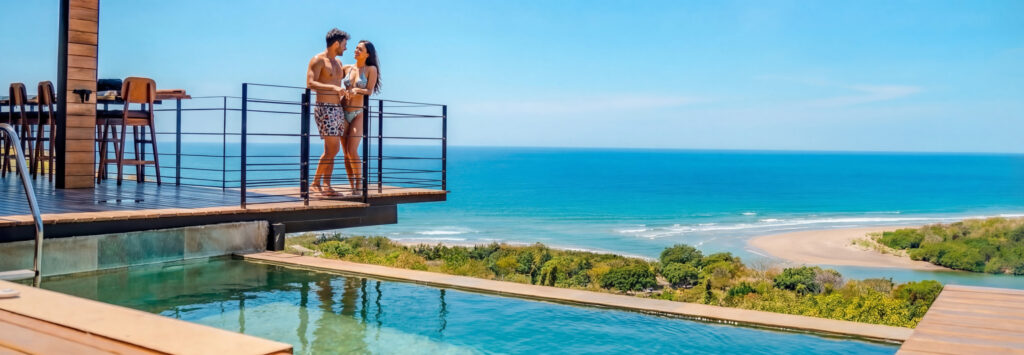
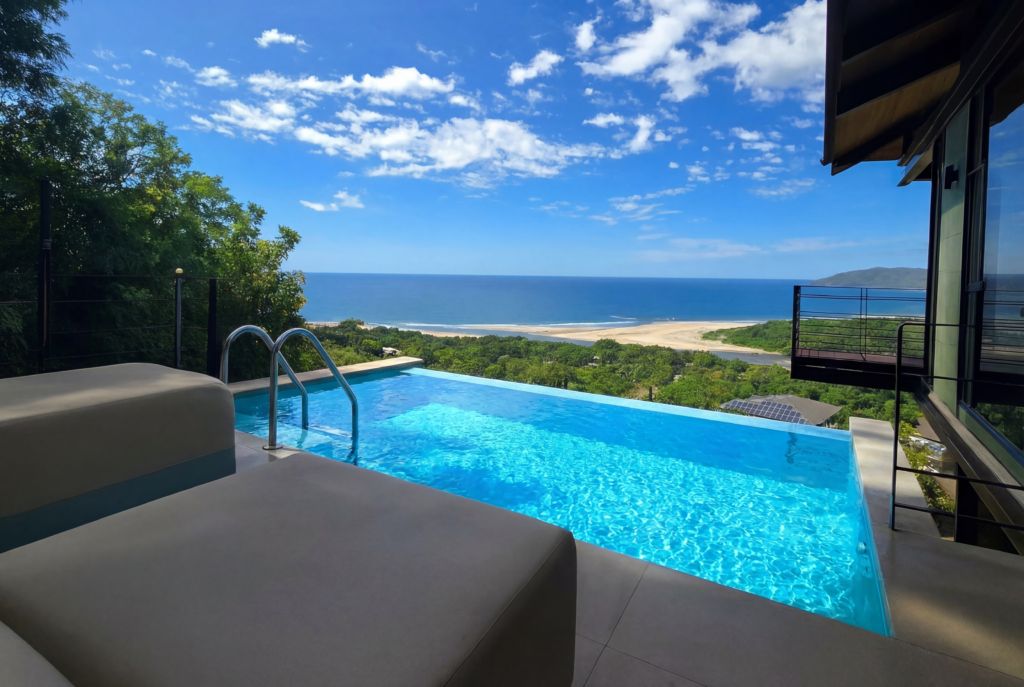
Dreaming of a Costa Rican getaway that combines luxury with nature? We’ve discovered a breathtaking property in Tamarindo, Guanacaste that embodies tropical elegance at its finest. This stunning destination features three luxury villas, each boasting its own private infinity pool where you can relax while taking in spectacular views.

The main villa offers three spacious bedrooms, while two additional suite villas provide complete privacy for your group. With five bedrooms and 5.5 bathrooms throughout the property, there’s ample space for up to ten guests to experience Costa Rica in style. Have you ever imagined waking up to the sounds of nature while enjoying all the comforts of a high-end retreat?

Luxury Living: Why Private Villas in Costa Rica Are Worth the Splurge

Private villas in Costa Rica elevate your vacation experience through exclusive amenities and personalized comfort. Unlike standard hotel rooms, these luxury accommodations offer complete privacy while maintaining high-end services that create unforgettable memories.

In Tamarindo, Guanacaste, you’ll find exceptional properties that showcase the perfect blend of luxury and natural beauty. One standout example includes a contemporary estate featuring three distinct villas, each boasting its own infinity pool. The main residence provides three bedrooms, complemented by two independent suite villas, creating a five-bedroom retreat that comfortably houses ten guests.

What makes these private villas truly special? The answer lies in the thoughtful details and premium features that transform an ordinary stay into an extraordinary experience:

  • Private pools: Each villa features its own infinity pool, eliminating the need to share swimming spaces with other tourists
  • Spacious living areas: Generous floor plans allow guests to spread out and relax without feeling cramped
  • Premium views: Strategic locations offer breathtaking vistas of Costa Rica’s lush landscapes and ocean panoramas
  • Complete privacy: Standalone structures ensure you can enjoy your vacation without noise from neighboring guests

The value of waking up to your own slice of paradise, setting your own schedule, and enjoying meals on your private terrace cannot be overstated. Have you considered how different your vacation might be when you’re not bound by hotel restaurant hours or crowded pool schedules?

Costa Rican luxury villas represent more than just accommodations—they provide a comprehensive experience where elegant design meets natural splendor. With 5.5 bathrooms spread throughout the property, even larger groups can enjoy convenience without compromise.

The marriage between high-end comfort and Costa Rica’s natural beauty creates the perfect environment for both relaxation and adventure. Your private villa becomes more than just a place to sleep—it transforms into your personal tropical sanctuary where memories are made and cherished.

Top Regions in Costa Rica for Private Villa Rentals

Costa Rica’s diverse landscapes offer exceptional settings for luxury villa rentals across several distinctive regions. Each area provides unique advantages for travelers seeking privacy, comfort, and immersion in Costa Rica’s natural beauty.

Guanacaste’s Beachfront Villa Escapes

Guanacaste’s golden coastline hosts some of Costa Rica’s most luxurious beachfront villas. The province’s dry tropical climate creates perfect conditions for year-round villa vacations with minimal rainfall, especially from November through April. Properties in Tamarindo, Flamingo, and Playa Conchal feature private infinity pools overlooking the Pacific Ocean, with direct beach access just steps away. Many villas in this region include 3-5 bedrooms, multiple terraces, and outdoor dining areas designed to maximize ocean views and sunset panoramas. The Papagayo Peninsula, in particular, offers exclusive high-end villas with resort-like amenities while maintaining complete privacy.

Manuel Antonio’s Jungle-Meets-Ocean Retreats

Manuel Antonio blends lush rainforest with stunning coastal views, creating a dramatic backdrop for luxury villa rentals. The hillside villas in this region typically feature floor-to-ceiling windows that frame panoramic ocean vistas while surrounded by tropical forest. Unlike Guanacaste’s open landscapes, Manuel Antonio properties offer intimate privacy with natural boundaries of dense vegetation. Most villas here come with private pools and outdoor living spaces where guests regularly spot monkeys, sloths, and toucans right from their terraces. The proximity to Manuel Antonio National Park (just 10-15 minutes from most villas) provides easy access to both protected beaches and hiking trails.

Upscale Villa Options in the Central Valley

The Central Valley offers a different villa experience centered around mountain views, temperate climate, and cultural proximity. Located at elevations between 3,000-5,000 feet, these properties feature year-round spring-like temperatures that rarely exceed 80°F. Many villas near Escazú and Santa Ana provide panoramic views of San José’s cityscape on one side and volcanic mountain ranges on the other. The architectural style often blends contemporary luxury with traditional Costa Rican elements, featuring expansive gardens, private pools, and outdoor entertainment areas. Central Valley villas offer convenient access to San José’s cultural attractions while maintaining a sense of retreat, with most city amenities just 20-30 minutes away.

Essential Features of Costa Rica Private Villas With Pools

Luxury private villas in Costa Rica combine sophisticated design with natural elements to create exceptional vacation experiences. These properties feature distinctive characteristics that set them apart from standard accommodations, offering both comfort and immersion in Costa Rica’s breathtaking landscape.

Infinity Pools With Panoramic Views

Infinity pools represent the centerpiece of Costa Rica’s premium villa experience, creating a visual connection between the water and surrounding vistas. These seamless pools appear to extend directly into ocean horizons or mountain landscapes, particularly in properties like those in Tamarindo, Guanacaste. Many villas include multiple infinity pools—some featuring a main pool at the central villa plus additional private pools at standalone suite villas. These architectural water features transform ordinary swimming into a multisensory experience where guests can float while gazing at mountain silhouettes or ocean waves. The strategic placement of these pools maximizes views from every angle, allowing guests to enjoy Costa Rica’s scenery while maintaining complete privacy.

Indoor-Outdoor Living Designs

Costa Rican luxury villas blur the boundaries between interior comfort and outdoor beauty through thoughtful architectural design. Open floor plans feature expansive glass doors that slide completely away, integrating living spaces with private terraces and gardens. These designs capitalize on Costa Rica’s pleasant climate, allowing natural ventilation and abundant natural light throughout. Common design elements include:

  • Covered outdoor dining areas for al fresco meals regardless of weather
  • Terraces strategically positioned to capture both sunrise and sunset views
  • Living spaces that extend seamlessly to poolside lounging areas
  • Bedrooms with direct access to private garden sections or pool decks

Local and exotic materials often feature prominently in construction, maintaining harmony with the surrounding tropical landscape while adding distinctive character to each property.

Privacy and Security Considerations

Privacy forms a fundamental aspect of Costa Rica’s luxury villa experience, with properties designed to create personal sanctuaries. Independent suite villas positioned thoughtfully on the property allow larger groups to enjoy both togetherness and solitude as desired. Many premium villas sit on elevated terrain, providing natural privacy barriers while maximizing views. Security features typically include:

  • Gated entrances with controlled access systems
  • Discreet but comprehensive property monitoring
  • Strategic landscaping that enhances privacy without obstructing views
  • Dedicated staff available while respecting guests’ personal space

The separation between the main villa and satellite suite villas creates an ideal arrangement for multi-generational families or groups of friends traveling together who value both connection and independence. How might your travel group benefit from this balanced approach to shared and private spaces?

Best Times to Book Your Costa Rica Villa With a Private Pool

High Season (December to April)

Costa Rica’s high season attracts travelers seeking sunshine and perfect beach days. From December through April, the dry season’s consistent weather makes planning outdoor activities effortless. The crystal-clear skies create ideal conditions for enjoying your private pool without interruption. This popular time frame requires booking 6-9 months in advance, especially for premium villas with infinity pools in sought-after locations like Tamarindo and Manuel Antonio.

During December and January, holiday rates typically increase by 20-30%, reflecting the peak demand period. Early reservation not only secures your preferred dates but often qualifies for early booking discounts of 5-15%. Have you considered how the uninterrupted sunshine might enhance your private pool experience during these months?

Green Season Benefits (May to November)

The green season offers compelling advantages for private villa rentals. May through November brings lush landscapes and vibrant tropical surroundings, creating a spectacular backdrop for your pool experience. Rainfall typically occurs in predictable afternoon patterns, leaving mornings sunny and perfect for pool time and adventures.

This season presents exceptional value with rates reduced by 15-30% compared to peak months. Many villa owners offer additional incentives such as complimentary nights or upgraded welcome packages during this period. With fewer tourists, you’ll enjoy more personal space at nearby beaches and attractions after your private pool sessions. The refreshed natural environment surrounding your villa during green season adds a magical element to the experience that many travelers find worth the occasional afternoon shower.

Shoulder Season Sweet Spots (May and November)

May and November represent the perfect balance between Costa Rica’s distinct seasons. These transition months offer decreased rainfall compared to the height of green season while maintaining the lush scenery that makes the country so appealing. Villa availability improves significantly, with greater selection across all price points and locations.

During these sweet spot months, temperatures remain warm and comfortable in the mid-80s°F (around 29°C), perfect for maximizing pool time. Booking 3-4 months ahead typically suffices, compared to the 6+ months needed for high season. Many luxury villa owners offer special promotions during these periods, including complimentary experiences or extended stays. The combination of favorable weather, reduced crowds, and lower rates makes these months ideal for travelers seeking the perfect private pool villa experience without compromises.

What to Expect: Price Range and Booking Tips

Understanding Villa Pricing in Costa Rica

Costa Rica’s private villas with pools range from $300 to $5,000 per night depending on location, size, and amenities. Beachfront properties in Guanacaste command premium prices, typically starting at $800 per night for luxury accommodations. Three-bedroom villas with private pools in popular areas like Tamarindo average $600-$1,200 nightly, while five-bedroom estates can exceed $2,000. Manuel Antonio’s hillside villas with ocean views generally fall between $700-$2,500 per night.

Seasonality significantly impacts pricing, with high season (December-April) rates increasing by 20-30%. Holiday periods such as Christmas, New Year’s, and Easter often require minimum stays of 7-10 nights at peak rates. Looking for value? Green season (May-November) offers identical villas at 15-30% discounts, with exceptional deals available in September and October.

Hidden Costs to Consider

When budgeting for your Costa Rican villa vacation, have you factored in all potential expenses? Beyond the base rental rate, several additional costs might apply:

  • Cleaning fees: $100-$300 depending on villa size
  • Security deposits: Typically 20-30% of the total stay
  • Staff gratuities: Customary 10-15% for housekeepers and property managers
  • Utility surcharges: Some villas charge for electricity usage above a daily allowance
  • Transportation costs: Airport transfers range from $50-$200 each way
  • Guest services: Personal chef services ($40-$75 per person), massage treatments ($80-$150), and excursion coordination fees

Many luxury villas include daily housekeeping in their rates, but it’s worth confirming which services are included. The convenience of pre-arrival grocery shopping might come with a 15-25% service fee on your purchases.

Booking Strategies for the Best Experience

Booking your Costa Rica villa 6-9 months in advance delivers the widest selection and potential early booking discounts of 5-15%. For holiday periods (December 20-January 5), reserve 12 months ahead to secure top properties. Groups traveling together should designate a primary contact person to streamline communication with property managers.

Direct bookings with villa management companies often provide more flexible payment terms than third-party platforms. Most require a 50% deposit at booking, with the balance due 30-60 days before arrival. Do you prefer added security? Booking platforms with verified reviews and secure payment systems offer peace of mind, though they may charge service fees.

Requesting virtual tours or detailed photo galleries helps confirm the property matches your expectations. Don’t hesitate to ask specific questions about pool maintenance, backup power systems during storms, and proximity to amenities—these details can make or break your vacation experience.

Negotiating and Special Requests

Extended stays of 14+ nights often qualify for discounts of 10-20%, particularly during green season. Villa owners may be open to rate discussions for last-minute bookings (within 30 days of arrival) when they’re motivated to fill empty dates. However, prime properties during high season rarely discount regardless of circumstances.

When making special requests, timing matters. Arrange services like private chefs, in-villa massages, or special celebration setups at least two weeks before arrival. For families traveling with young children, many villas can provide cribs, high chairs, and pool safety features—but only when requested in advance.

Remember that flexibility with your dates by even a few days might yield significant savings. Moving your stay to avoid a weekend or shifting from high to shoulder season could reduce your costs by 15-25% while providing an equally memorable experience.

Activities and Experiences From Your Private Villa Base

Your Costa Rican private villa serves as the perfect launch pad for countless adventures while offering a luxurious retreat to return to each day. From thrilling ocean activities to serene wildlife encounters, your villa’s strategic location opens up a world of possibilities.

Beach Access and Water Sports

Costa Rica’s pristine beaches become your playground when staying in a private villa with pool in Tamarindo or Guanacaste. Most luxury villas are situated just minutes from golden sand beaches, offering convenient access for morning swims or sunset strolls. The Pacific coast provides ideal conditions for water sports including surfing, paddleboarding, and snorkeling—all easily arranged from your villa base. Many properties include complimentary beach equipment like chairs, umbrellas, and coolers, eliminating the need to rent gear separately.

The Tamarindo area features consistent waves for surfers of all levels, with calmer waters in protected coves for swimming. Guests can arrange private surf lessons, sunset sailing tours, or fishing charters directly through their villa concierge. Unlike hotel stays, private villas allow you to set your own schedule for beach activities without dealing with crowds or rushed time frames.

Wildlife Watching From Your Pool Deck

One of Costa Rica’s most extraordinary experiences happens right at your private villa—wildlife observation from the comfort of your infinity pool. Villa properties are often designed to integrate with the natural surroundings, creating perfect viewing platforms for the country’s incredible biodiversity. Howler monkeys, toucans, and sloths frequently visit the trees surrounding many villas, particularly in areas near Manuel Antonio.

Your private pool deck transforms into a premium wildlife observation point throughout the day. Morning hours bring active bird species including hummingbirds and scarlet macaws, while afternoons might reveal iguanas sunning themselves nearby. The elevated position of many hillside villas provides panoramic views of the forest canopy where troop movements of white-faced capuchin monkeys are visible.

Unlike structured wildlife tours, villa-based wildlife watching happens on your schedule, with no rush or crowds. Guests frequently report spotting rare species while simply relaxing by their private pool—a truly authentic Costa Rican experience that combines luxury with natural wonder. For photography enthusiasts, the controlled environment of your villa offers stable platforms for capturing wildlife images without disturbing natural behaviors.

Conclusion

Costa Rica’s private villas with pools offer an unparalleled vacation experience that transcends ordinary accommodations. These luxurious retreats blend seamlessly with the country’s natural beauty while providing exclusive amenities and complete privacy.

Whether you’re watching wildlife from your infinity pool in Manuel Antonio or enjoying beachfront access in Guanacaste we’ve seen that these properties create personal sanctuaries tailored to your desires. The thoughtful design focused on indoor-outdoor living ensures you’ll experience Costa Rica’s magic at every moment.

By planning your booking strategically and understanding the seasonal pricing you’ll maximize both value and experience. We believe a private villa with a pool isn’t just accommodation but the foundation for creating those perfect Costa Rican memories that will last a lifetime.

Frequently Asked Questions

What makes private villas in Costa Rica different from hotels?

Private villas in Costa Rica offer exclusive amenities, complete privacy, and personalized comfort that hotels cannot match. With features like private infinity pools, spacious living areas, and the freedom to set your own schedule, villas provide a comprehensive experience where elegant design meets natural beauty. These properties become personal tropical sanctuaries where you can enjoy luxury services without sharing spaces with other guests.

When is the best time to book a private villa in Costa Rica?

The high season (December-April) offers sunshine and perfect beach weather but requires booking 6-9 months ahead with 20-30% higher holiday rates. The green season (May-November) provides lush landscapes, 15-30% reduced rates, and fewer tourists. For the best balance of good weather and value, consider the shoulder months of May and November, which offer favorable conditions without high-season prices.

How much does it cost to rent a private villa in Costa Rica?

Private villas range from $300 to $5,000 per night depending on location, size, and amenities. Beachfront properties in Guanacaste typically start at $800 per night, while three-bedroom villas in popular areas average $600-$1,200 nightly. Remember to budget for additional costs like cleaning fees, security deposits, and transportation, which can significantly impact your total vacation expense.

Which regions in Costa Rica are best for villa rentals?

Guanacaste offers beachfront villas with dry tropical climate and ocean views, particularly in Tamarindo, Flamingo, and Playa Conchal. Manuel Antonio provides unique jungle-meets-ocean retreats with hillside villas offering panoramic views and proximity to wildlife. The Central Valley presents an alternative experience with mountain views, temperate climate, and easy access to San José’s cultural attractions while maintaining a serene atmosphere.

What activities can I enjoy from a private villa in Costa Rica?

From your luxury villa base, you can easily access pristine beaches for swimming, surfing, and snorkeling, with many properties offering complimentary beach equipment. The Tamarindo area is excellent for surfing and sunset sailing tours. Wildlife watching is possible right from your infinity pool deck, where you might spot howler monkeys and tropical birds without leaving your property.

How far in advance should I book a private villa?

Book 6-9 months in advance for the best selection and potential early booking discounts, especially for high season (December-April) and holiday periods. Direct bookings with villa management often provide more flexible payment terms and better service. Be strategic with your timing – having flexibility in your travel dates can lead to significant savings.

What amenities can I expect in a luxury Costa Rican villa?

Expect sophisticated design that incorporates natural elements, infinity pools with breathtaking views, and indoor-outdoor living spaces with open floor plans. Luxury villas typically feature private terraces and gardens, full kitchens, multiple bedroom suites with private bathrooms, and thoughtful layouts that balance togetherness and solitude, perfect for families or groups of friends.

Are Costa Rica’s private villas suitable for families?

Absolutely! Private villas are ideal for families, especially multi-generational groups. They offer spacious accommodations where everyone can gather together while still having personal space. Many villas provide kid-friendly amenities, safe pool areas, and the convenience of home-like facilities such as kitchens and laundry. The privacy also allows children to play freely without disturbing other guests.
Surinam vs Costa Rica: Which Tropical Paradise Is Right for You?

Comparing Surinam and Costa Rica offers fascinating insights into two distinct Central American destinations. We’ll explore the key differences between these countries that often spark curiosity among travelers planning their next tropical getaway. From stunning landscapes to cultural experiences, both nations have their own special appeal.

Wondering which country might better suit your travel dreams? While Costa Rica has gained popularity for its eco-tourism and adventure activities, Surinam remains somewhat of a hidden gem with its Dutch colonial influence and remarkably preserved rainforests. We’ll break down the essential aspects of both destinations—including cost of living, tourist attractions, and local customs—to help you make an informed choice for your next adventure.

Comparing Surinam and Costa Rica: An Overview

Surinam and Costa Rica represent two distinct Central American experiences for travelers seeking tropical adventures. While both countries boast impressive biodiversity and natural beauty, they differ significantly in tourism infrastructure, cultural heritage, and overall visitor experience.

Costa Rica has established itself as a premier eco-tourism destination with well-developed tourist facilities. The country’s commitment to conservation has preserved approximately 25% of its land as protected natural areas. Visitors enjoy accessible rainforests, volcanic landscapes, and both Caribbean and Pacific coastlines within relatively short driving distances.

Surinam, formerly Dutch Guiana, offers a less commercialized experience with strong Dutch colonial influences evident in its architecture and culture. The country maintains approximately 90% of its original forest cover, providing pristine wilderness experiences for adventurous travelers. Paramaribo, the capital, features UNESCO World Heritage architecture that blends Dutch colonial style with local Caribbean elements.

Transportation networks highlight another key difference between these destinations. Costa Rica features an extensive road system connecting major attractions, with numerous domestic flights available between regions. In contrast, Surinam relies more heavily on river transportation to access interior regions, creating a more challenging but potentially more rewarding journey for outdoor enthusiasts.

Tourism statistics reveal Costa Rica welcomes approximately 3 million international visitors annually, compared to Surinam’s 290,000 visitors. This difference creates distinct travel experiences—Costa Rica offers more established tourism services while Surinam provides opportunities to explore less-traveled paths in South America.

The cost comparison also favors Surinam for budget-conscious travelers. Daily expenses in Surinam average $50-75 USD for mid-range accommodations and meals, while similar experiences in Costa Rica typically cost $75-120 USD per day during peak season.

Weather patterns remain fairly consistent in both countries, with tropical climates featuring wet and dry seasons. Costa Rica’s dry season (December-April) aligns perfectly with North American winter travel dates, while Surinam experiences less pronounced seasonal variations with slightly drier conditions from August to November.

Have you considered what type of tropical experience matches your travel style? Understanding these fundamental differences helps determine which destination might better suit your expectations and preferences.

Geographical Differences Between Surinam and Costa Rica

Surinam and Costa Rica exhibit distinct geographical characteristics despite both being located in the Americas. These differences shape their ecosystems, tourism experiences, and accessibility, creating two vastly different travel destinations with their own special appeal.

Climate and Natural Landscapes

The natural landscapes of Surinam and Costa Rica reflect their diverse geographical features and climate patterns. Surinam boasts extensive pristine rainforests covering about 90% of its territory, making it one of the most forested countries in the world. Its interior consists of dense Amazon Basin rainforest, while the northern coastal area features a swampy plain with savanna-like vegetation.

Costa Rica’s landscape is more varied, with volcanic mountain ranges running through its center, creating dramatic elevations from sea level to peaks exceeding 12,000 feet. The country features cloud forests, dry forests, rainforests, and mangrove swamps across different ecological zones. This diversity contributes to Costa Rica’s reputation as an ecological powerhouse, hosting approximately 5% of the world’s biodiversity despite occupying only 0.03% of Earth’s landmass.

Both countries experience tropical climates, but with notable variations. Surinam has a hot, humid tropical climate with minimal temperature variation throughout the year, averaging 80-90°F (27-32°C). It experiences two rainy seasons (April-August and November-February) and two dry seasons.

Costa Rica’s climate varies significantly by region due to its mountainous topography. The country divides into distinct microclimates, from humid Caribbean lowlands to drier Pacific coastal areas. Costa Rica’s dry season from December to April makes it particularly appealing for North American winter travelers seeking sunshine.

Size and Location Comparisons

Costa Rica and Surinam occupy dramatically different geographical positions within the Americas. Costa Rica sits in Central America, bordered by Nicaragua to the north and Panama to the south, with coastlines on both the Pacific Ocean and Caribbean Sea. This strategic location spans approximately 19,700 square miles (51,100 square kilometers), making it slightly smaller than West Virginia.

Surinam, positioned on the northeastern coast of South America, covers roughly 63,250 square miles (163,820 square kilometers)—about three times larger than Costa Rica. It shares borders with French Guiana to the east, Guyana to the west, and Brazil to the south, with its northern edge facing the Atlantic Ocean.

Their geographical positioning creates different accessibility dynamics. Costa Rica benefits from its central location between North and South America, with easier connections to major travel hubs. Surinam’s more remote location on South America’s northeastern shoulder makes it less accessible for international travelers, contributing to its lower tourism numbers.

The countries’ elevations differ significantly too. Costa Rica’s varied topography includes the 12,533-foot (3,820-meter) Cerro Chirripó, while Surinam’s highest point, Juliana Top, reaches only 4,035 feet (1,230 meters). This elevation diversity influences everything from climate patterns to agricultural possibilities and outdoor activities available in each destination.

Cultural Heritage and Demographics

The cultural landscapes of Surinam and Costa Rica reflect their unique historical trajectories and demographic compositions. Both countries showcase rich cultural tapestries that have been shaped by diverse influences, though they’ve evolved along distinctly different paths.

Languages and Ethnic Diversity

Surinam boasts one of the most ethnically diverse populations in the Americas, with a fascinating mix of cultures coexisting in this small South American nation. Dutch serves as the official language, a testament to colonial rule, while Sranan Tongo functions as the lingua franca among locals. The population includes significant communities of East Indians (27%), Maroons (22%), Creoles (16%), Javanese (14%), and smaller percentages of Chinese, Lebanese, and indigenous peoples.

Costa Rica’s population presents a more homogeneous demographic profile, with approximately 84% identifying as mestizo or white (locally called “ticos”). Spanish dominates as both the official and primary spoken language throughout the country. Indigenous groups make up less than 3% of the population, with Bribri, Cabécar, and Ngäbe being the largest native communities. This relative homogeneity contrasts sharply with Surinam’s cultural mosaic.

The religious landscape also differs significantly between these nations. Surinam features an impressive religious diversity with Hinduism (22%), Protestantism (24%), Roman Catholicism (22%), Islam (14%), and indigenous beliefs coexisting peacefully. Costa Rica, conversely, maintains strong Catholic roots with over 70% of the population identifying as Roman Catholic, though evangelical Protestantism has grown in recent decades.

Historical Influences

Surinam’s cultural identity has been profoundly shaped by its colonial past under Dutch rule, which lasted from 1667 until independence in 1975. The plantation economy introduced during this period brought enslaved Africans and later indentured laborers from India, Java, and China, creating the multicultural society visible today. The architecture in Paramaribo’s historic center, a UNESCO World Heritage site, displays stunning examples of Dutch colonial design adapted to the tropical climate.

Costa Rica’s development followed a different historical path after Spanish colonization in the early 16th century. The country experienced relatively limited plantation development and fewer imported laborers, contributing to its more homogeneous population. Following independence in 1821, Costa Rica established democratic traditions earlier than many regional neighbors, fostering a strong national identity centered around education, peace, and environmental conservation.

Cultural expressions in both countries reflect these historical trajectories. Surinamese cuisine features a remarkable fusion of Dutch, Indonesian, Indian, Chinese, and African influences, with dishes like pom, roti, and nasi goreng commonly served. Costa Rican traditional foods like gallo pinto (rice and beans), casado, and freshly prepared tropical fruits reflect its agricultural heritage and Spanish influences.

The preservation of cultural traditions varies between the two nations as well. Surinam’s diverse communities maintain distinct cultural practices, festivals, and religious ceremonies, creating a vibrant multicultural mosaic. Costa Rica’s cultural expressions tend toward more unified national traditions, with events like Independence Day celebrations and traditional folk dances practiced throughout the country. Have you considered which cultural experience might better suit your travel interests?

Tourism Attractions in Both Countries

Surinam and Costa Rica offer diverse tourism experiences despite their geographic proximity in the Americas. Each country boasts distinctive natural attractions and cultural sites that appeal to different types of travelers.

Natural Wonders and Wildlife

Costa Rica’s natural attractions draw millions of visitors annually to its 29 national parks and multiple conservation areas. Manuel Antonio National Park combines rainforest trails with pristine beaches, offering opportunities to spot sloths, monkeys, and over 184 bird species. Arenal Volcano stands as one of Costa Rica’s most visited sites, with surrounding hot springs and adventure activities like zip-lining through the canopy. The cloud forests of Monteverde provide a glimpse of rare ecosystems where visitors can walk across suspension bridges amid the misty forest canopy.

Surinam’s natural wonders remain relatively untouched, with the Central Suriname Nature Reserve covering 1.6 million hectares of pristine tropical forest. The reserve hosts diverse wildlife including jaguars, giant river otters, and over 400 bird species. Brownsberg Nature Park offers panoramic views of the Brokopondo Reservoir and chances to see eight different primate species. For coastal experiences, the Galibi Nature Reserve provides critical nesting grounds for endangered leatherback and green sea turtles, with guided night tours available during nesting season from February to August.

Cultural and Historical Sites

Costa Rica’s cultural attractions include the pre-Columbian stone spheres at Finca 6 Archaeological Site, designated as a UNESCO World Heritage Site in 2014. San José’s historic district features the ornate National Theater, built in 1897, alongside the Pre-Columbian Gold Museum housing over 1,600 artifacts. The colonial architecture in Cartago, Costa Rica’s former capital, includes the Byzantine-style Basílica de Nuestra Señora de los Ángeles, a significant pilgrimage site.

Surinam’s cultural landscape reflects its Dutch colonial past and multicultural society. Paramaribo’s historic inner city, a UNESCO World Heritage Site, showcases wooden colonial architecture alongside religious buildings representing diverse faiths—mosques, synagogues, and Hindu temples often stand on the same street. Fort Zeelandia, built in the 17th century, now houses the Surinam Museum with exhibits on the country’s history. The Commewijne District plantation tours offer insight into Surinam’s colonial past, with historic sites like Mariënburg sugar plantation featuring original machinery and buildings from the 1880s.

Have you considered which type of experience appeals more to your travel preferences—Costa Rica’s well-developed ecotourism or Surinam’s off-the-beaten-path cultural diversity?

Economic Landscapes

The economic differences between Surinam and Costa Rica illustrate their distinct development paths and priorities. Both nations have leveraged their natural resources differently, creating unique economic environments that impact everything from major industries to daily living costs for residents and travelers.

Industries and Exports

Surinam’s economy relies heavily on its abundant natural resources. Mining dominates the export sector, with gold accounting for approximately 78% of all exports. The country also depends on:

  • Resource extraction: Bauxite and petroleum contribute significantly to GDP
  • Agriculture: Rice, bananas, and tropical fruits form traditional export staples
  • Fisheries: Shrimp and fish exports primarily to Caribbean markets
  • Forestry: Timber products from its extensive rainforest coverage

Costa Rica has developed a more diversified economic portfolio. The country has successfully transformed from primarily agricultural exports to include:

  • Technology: High-tech manufacturing, including medical devices and microchips
  • Tourism: Contributing over 8% to GDP and employing about 13% of Costa Ricans
  • Agriculture: Coffee, bananas, and pineapples remain strong export commodities
  • Services: Call centers and business outsourcing create significant employment

This diversification has given Costa Rica greater economic stability with a GDP per capita of approximately $12,000 compared to Surinam’s $7,000. Costa Rica’s unemployment rate hovers around the 12-14% range, while Surinam typically maintains a lower rate around 7-9%.

Cost of Living Comparison

Daily expenses vary significantly between these Central American nations. Surinam offers a more affordable experience for both residents and visitors. The cost differences include:

Expense Category Surinam (USD) Costa Rica (USD)
Budget meal $5-8 $7-12
Mid-range dinner $15-25 $25-40
Monthly rent (1BR) $200-350 $400-700
Public transport $0.50-1 $0.70-1.50
Hotel room (3-star) $40-70 $80-150

In Surinam, basic groceries cost about 15-20% less than in Costa Rica. Housing is particularly more affordable, with rental prices in Paramaribo averaging 40-50% lower than comparable properties in San José.

Tourism expenses follow similar patterns. A traveler’s daily budget in Surinam averages $40-60 for modest accommodations and meals, while Costa Rica typically requires $70-120 for comparable quality. This difference stems from Costa Rica’s more developed tourism infrastructure and higher international demand.

Is affordability your primary concern for your Central American adventure? Or are you more interested in the economic diversity and development that might enhance certain aspects of your travel experience?

Travel Considerations

Traveling to either Surinam or Costa Rica requires specific preparation regarding documentation, accessibility, health, and safety. These factors often influence travelers’ destination choices significantly based on their individual needs and comfort levels.

Visa Requirements and Accessibility

Visa policies differ substantially between Surinam and Costa Rica for international visitors. Costa Rica grants visa-free entry to citizens of many countries including the United States, Canada, EU nations, and Australia for stays up to 90 days. Travelers need only a valid passport (with at least six months validity), proof of onward travel, and sufficient funds for their stay.

Surinam’s visa requirements are more stringent. Most Western tourists require a tourist card or visa before arrival, though citizens from some European countries like the Netherlands qualify for visa-free entry. E-visas are available through Surinam’s online portal, making the process more convenient than traditional application methods.

Regarding accessibility, Costa Rica ranks higher with:

  • Two international airports (San José and Liberia)
  • Direct flights from 15+ countries
  • Multiple border crossings with Nicaragua and Panama

Surinam has limited international connections through:

  • Johan Adolf Pengel International Airport in Paramaribo
  • Flights primarily from Amsterdam, Miami, and regional Caribbean hubs
  • Border crossings with French Guiana (via ferry) and Guyana (limited crossings)

For travelers with disabilities, Costa Rica offers more accessible options with adapted tours and accommodations in popular tourist areas. Surinam’s infrastructure presents more challenges, with fewer accessible facilities outside the capital.

Safety and Health Concerns

Costa Rica and Surinam present different safety profiles for travelers. Costa Rica ranks as one of Central America’s safest countries with a Global Peace Index ranking of 32 out of 163 countries in 2023. Common safety concerns include:

  • Petty theft in tourist areas
  • Occasional car break-ins
  • Rip currents at certain beaches

Surinam experiences higher crime rates in urban areas, particularly Paramaribo. The countryside and natural areas generally remain safe for tourists. Exercise caution regarding:

  • Street crime in Paramaribo
  • Unauthorized taxis
  • Remote areas with limited emergency services

Health considerations vary between destinations. Both countries require standard tropical precautions, but specific risks differ:

Health Consideration Costa Rica Surinam
Vaccinations recommended Hepatitis A, Typhoid Hepatitis A, Typhoid, Yellow Fever (required)
Malaria risk Low (primarily Limón province) Moderate (throughout the country)
Medical facilities Good in urban areas Limited outside Paramaribo
Travel insurance Recommended Essential
Tap water Generally safe in tourist areas Not recommended for visitors

Travelers with pre-existing conditions will find more comprehensive medical facilities in Costa Rica, particularly in San José. Surinam has adequate care in Paramaribo but limited options elsewhere. Both countries require comprehensive travel insurance covering emergency evacuation.

How far are you comfortable venturing from modern medical facilities? This question helps determine which destination better suits your risk tolerance and health needs.

Conservation Efforts and Sustainability

Environmental Protection Initiatives

Costa Rica leads the way in environmental conservation with its commitment to protecting 25% of its land as national parks and reserves. The country’s dedication to sustainability is evident in its pioneering Payments for Environmental Services program, which compensates landowners for maintaining forests. This innovative approach has helped Costa Rica achieve remarkable reforestation, expanding forest cover from 26% in the 1980s to over 50% today. The nation has also set ambitious climate goals, aiming for carbon neutrality by 2050.

Surinam maintains an impressive 93% of its original forest cover, representing one of the highest percentages worldwide. The country established the Central Suriname Nature Reserve in 1998, protecting 1.6 million hectares of pristine tropical forest. Surinam’s conservation approach focuses on preserving large, intact ecosystems rather than creating numerous smaller protected areas. The government has implemented the REDD+ program (Reducing Emissions from Deforestation and Forest Degradation) to monetize forest preservation efforts.

Ecotourism Development

Costa Rica has transformed ecotourism into a cornerstone of its economy, generating $3.9 billion annually. The Certification for Sustainable Tourism (CST) program rates businesses based on their environmental practices, encouraging responsible tourism throughout the country. Popular ecotourism activities include canopy tours, wildlife observation, and volunteer conservation projects. Costa Rica’s success comes from effectively balancing visitor access with habitat protection in its national parks.

Surinam’s ecotourism sector remains in earlier development stages with significant growth potential. The country focuses on community-based tourism initiatives like the Jungle Lodge in Brownsberg Nature Park, where local communities directly benefit from tourism revenue. Surinam offers authentic experiences in less-trafficked natural areas, appealing to travelers seeking off-the-beaten-path adventures. The limited infrastructure presents both challenges for accessibility and opportunities for low-impact tourism development.

Biodiversity Conservation Challenges

Both countries face increasing threats to their biodiversity from climate change impacts. Costa Rica’s conservation efforts confront challenges from agricultural expansion, particularly pineapple and banana plantations that contribute to deforestation and pesticide runoff. The country has responded with stricter regulations on agricultural practices near protected areas and watershed conservation programs in vulnerable regions.

Surinam’s biodiversity faces pressure from gold mining operations that release mercury into river systems and destroy forest habitats. Illegal logging represents another significant threat, particularly in remote areas where enforcement proves difficult. The country has established partnerships with international organizations like Conservation International to develop sustainable management plans for its forest resources.

Community Involvement in Conservation

Costa Rica excels at involving local communities in conservation through educational programs and economic incentives. The country has created biological corridors connecting protected areas, where communities participate in reforestation and sustainable agriculture projects. Local guides receive specialized training in ecology and conservation, creating meaningful employment opportunities while enhancing visitor experiences.

In Surinam, indigenous communities play a crucial role in forest management and conservation practices. Traditional knowledge of forest resources informs sustainable harvesting methods for non-timber forest products like nuts, fruits, and medicinal plants. The government has begun recognizing indigenous land rights as an effective conservation strategy, acknowledging that communities with secure land tenure better protect their environments.

Renewable Energy Progress

Costa Rica consistently generates over 98% of its electricity from renewable sources, primarily hydropower, geothermal, and wind energy. The country operated on 100% renewable electricity for 300 days in 2017, demonstrating the viability of a clean energy grid. Costa Rica has implemented a carbon tax on fossil fuels, using the revenue to fund forest conservation and renewable energy projects.

Surinam relies heavily on hydropower from the Afobaka Dam, which supplies approximately 60% of the country’s electricity needs. The government has initiated solar energy projects in remote interior communities previously dependent on diesel generators. Surinam’s renewable energy transition faces challenges from its extractive industries but presents opportunities for sustainable development in less-connected regions.

Conclusion

Both Surinam and Costa Rica offer extraordinary tropical experiences yet appeal to different types of travelers. We’ve explored how Costa Rica shines with its developed ecotourism infrastructure and conservation success while Surinam captivates with its untouched wilderness and rich cultural diversity.

Your ideal destination depends on what you value most: Costa Rica’s accessibility and adventure tourism or Surinam’s authentic cultural immersion and budget-friendly options. Costa Rica works well for first-time international travelers seeking comfort while Surinam attracts those looking for off-the-beaten-path experiences.

Whether you’re drawn to Costa Rica’s volcanic landscapes or Surinam’s vast rainforests and Dutch colonial heritage the decision ultimately comes down to your personal travel style budget and interests. Both destinations promise unforgettable experiences in some of the world’s most spectacular natural settings.

Frequently Asked Questions

Which country is more affordable for travelers, Surinam or Costa Rica?

Surinam is generally more budget-friendly than Costa Rica. Travelers can expect lower daily expenses for accommodations, food, and activities in Surinam. While Costa Rica has developed into a premium eco-tourism destination with prices to match, Surinam offers similar natural experiences at a fraction of the cost, making it an excellent choice for budget-conscious travelers seeking off-the-beaten-path adventures.

What are the main differences in tourism infrastructure between Costa Rica and Surinam?

Costa Rica boasts well-developed tourism infrastructure with extensive road networks, domestic flights, and numerous accommodations ranging from luxury resorts to eco-lodges. Surinam has more limited infrastructure, with fewer paved roads and greater reliance on river transportation. This difference means Costa Rica offers more convenience and comfort, while Surinam provides a more authentic, less commercialized experience for adventurous travelers.

When is the best time to visit Costa Rica and Surinam?

Costa Rica’s dry season runs from December to April, aligning perfectly with North American winter travel. Surinam has a tropical climate with two wet seasons (April-August and November-January) and two dry seasons (February-March and August-November). For the best experience in both countries, plan your visit during their respective dry seasons to enjoy outdoor activities without frequent rainfall interruptions.

Which country offers better wildlife viewing opportunities?

Both countries offer exceptional wildlife experiences, but in different contexts. Costa Rica’s well-established national park system provides accessible viewing of sloths, monkeys, toucans, and numerous bird species. Surinam’s vast untouched rainforests harbor similar biodiversity but in a more pristine, less-visited setting. Wildlife encounters in Surinam may require more effort but often feel more exclusive and authentic.

Do I need a visa to visit Costa Rica or Surinam?

Costa Rica offers visa-free entry for citizens of many countries, including the US, Canada, EU nations, and Australia, typically allowing stays of 90 days. Surinam has stricter visa requirements, with fewer countries eligible for visa-free entry. Most visitors to Surinam need to apply for a tourist card or visa before arrival. Always check the latest requirements based on your nationality before planning your trip.

How do the cultural experiences differ between these two countries?

Costa Rica has a primarily mestizo and white population with Spanish influence and a strong national identity centered around education and environmental conservation. Surinam offers a uniquely diverse cultural landscape with Dutch colonial heritage and significant East Indian, Javanese, Maroon, and indigenous populations. This makes Surinam a multicultural melting pot with diverse languages, cuisines, and traditions compared to Costa Rica’s more homogeneous culture.

Which country has better beaches, Costa Rica or Surinam?

Costa Rica is renowned for its beautiful beaches on both Pacific and Caribbean coasts, offering everything from surfing hotspots to tranquil swimming areas. Surinam’s coastline is less developed for tourism, with darker sand beaches and stronger currents making swimming challenging in some areas. For a beach-focused vacation, Costa Rica generally provides more options and better infrastructure for typical beach activities.

How do conservation efforts compare between the two countries?

Costa Rica leads in active conservation, protecting 25% of its land and implementing successful reforestation initiatives. The country generates over 98% of its electricity from renewable sources. Surinam maintains 93% of its original forest cover and focuses on preserving large, intact ecosystems. While Costa Rica emphasizes community-based conservation and eco-tourism, Surinam recognizes indigenous communities’ role in forest management while balancing conservation with extractive industries.

Is English widely spoken in Costa Rica and Surinam?

English proficiency varies between the two countries. In Costa Rica, English is commonly spoken in tourist areas and by those working in the tourism industry, but Spanish remains the primary language. In Surinam, Dutch is the official language, but English is widely understood in tourism settings. Surinam’s linguistic diversity also includes Sranan Tongo (creole language) and languages spoken by various ethnic groups.

Which destination is safer for tourists?

Costa Rica ranks as one of Central America’s safest countries for tourists, with low violent crime rates in tourist areas. Common concerns include petty theft and scams. Surinam experiences higher crime rates in urban areas, particularly Paramaribo. Both countries require standard travel precautions, but Costa Rica’s more developed tourism industry typically provides a more secure environment for international visitors.

Luxury Family Villas Costa Rica: Paradise for All Ages

Nestled in the stunning region of Tamarindo, Guanacaste, luxury family villas in Costa Rica offer an extraordinary escape for those seeking the perfect blend of comfort and adventure. Imagine waking up to breathtaking mountain and ocean views from every room while staying in a property designed with attention to every detail.

We’ve discovered that the most exceptional Costa Rican villas feature private infinity pools, spacious terraces, and multiple bedrooms to accommodate families of all sizes. Many premium properties include a main villa alongside independent suite villas, creating the ideal setting for both togetherness and privacy during your tropical getaway. Have you ever wondered what it would be like to make your base camp a place of exquisite taste while exploring paradise?

Why Costa Rica Is Perfect for Luxury Family Vacations

Natural Beauty and Adventure

Costa Rica’s breathtaking landscapes captivate families seeking luxury vacation experiences. The country features stunning mountain ranges that cascade down to pristine beaches, creating panoramic views from many luxury villas. Families can wake up to ocean vistas in Guanacaste or enjoy sunset views over Tamarindo’s coastline from private infinity pools.

The natural environment offers countless family adventures. Kids and adults love exploring lush rainforests, discovering exotic wildlife, and participating in exciting outdoor activities. From zip-lining through forest canopies to surfing warm Pacific waves, Costa Rica delivers memorable experiences for all ages.

Luxury Accommodations

Luxury villas in Costa Rica blend sophisticated design with family-friendly features. Many properties include multiple bedroom configurations, with 5-bedroom options common in premium locations. These spacious layouts give each family member their own retreat while providing generous common areas for quality time together.

High-end amenities elevate the family vacation experience. Private infinity pools offer refreshing swims with stunning backdrops. Spacious terraces become perfect gathering spots for family meals or sunset viewing. Contemporary architecture incorporates local elements while maintaining comfort standards expected in luxury accommodations.

Family-Friendly Culture

Costa Ricans embrace a welcoming culture that makes families feel at home. The local phrase “Pura Vida” reflects the relaxed, happy lifestyle that resonates with visitors seeking to disconnect from everyday stress. This friendly atmosphere creates a safe environment where children can explore and parents can relax.

Family values run deep in Costa Rican society, making it easy to find child-friendly activities and services. Many luxury villas offer customized experiences for all ages, from beach picnics to guided nature walks specifically designed for young explorers. Staff at high-end properties often go above and beyond to create special moments for children and parents alike.

Accessibility and Convenience

Costa Rica’s compact size makes it ideal for family travel, with diverse experiences available within reasonable driving distances. Luxury villas in Guanacaste provide excellent starting points for day trips to volcanoes, waterfalls, and national parks without exhausting young travelers.

Modern infrastructure supports stress-free family vacations. International flights connect directly to major airports, with Liberia Airport offering convenient access to Tamarindo and other luxury villa locations. Villa managers frequently arrange transportation services, ensuring seamless experiences from arrival to departure.

Top Destinations for Luxury Family Villas in Costa Rica

Costa Rica offers several premier locations for luxury family accommodations, each with distinct characteristics and experiences. These destinations combine natural beauty with upscale amenities to create unforgettable family vacations.

Manuel Antonio: Oceanfront Elegance

Manuel Antonio pairs luxury living with incredible biodiversity. The area’s villas feature floor-to-ceiling windows framing views of the Pacific Ocean and lush national park. Families appreciate the proximity to white-sand beaches and wildlife viewing opportunities, with monkeys and sloths often visible from villa terraces. Many properties include private chefs who prepare fresh seafood caught daily from local waters. The convenient location allows easy access to both adventure activities and relaxation options, making it perfect for families with varying interests.

Guanacaste: Sun-Soaked Coastal Retreats

Guanacaste’s luxury family villas showcase stunning mountain and ocean panoramas from every room. This region houses exceptional properties in Tamarindo that feature contemporary designs harmonizing with the natural surroundings. A typical luxury compound includes a main villa with three bedrooms plus two independent suite villas, each with private infinity pools and terraces. These spacious accommodations (often 5 bedrooms, 5.5 bathrooms, sleeping 10 guests) provide both togetherness and privacy for extended families. The consistent sunshine and dry climate make Guanacaste ideal for year-round family getaways.

Arenal: Volcano Views and Rainforest Luxury

Arenal offers a dramatic backdrop of an iconic volcano surrounded by verdant rainforest. Luxury villas in this area feature thermal pools fed by natural hot springs, creating private spa experiences for the whole family. Floor-to-ceiling windows frame the volcano’s perfect cone, while modern architectural designs blend with the surrounding nature. Families enjoy direct access to rainforest hikes, wildlife spotting, and adventure activities like hanging bridges and zip lines. The cooler mountain climate provides a refreshing alternative to coastal heat, particularly appealing during summer months when children are out of school.

Essential Amenities in Costa Rica’s Luxury Family Villas

Costa Rica’s luxury family villas offer an impressive array of amenities that transform a good vacation into an extraordinary experience. These carefully selected features cater to both adults and children, creating the perfect balance of relaxation and entertainment for the entire family.

Private Pools and Outdoor Living Spaces

Private pools stand as the centerpiece of luxury villa experiences in Costa Rica. Each property typically features an infinity pool with unobstructed views of mountains or ocean landscapes. These pools provide a refreshing retreat after a day of exploration, where families can swim together while enjoying panoramic vistas. In Tamarindo, Guanacaste, for example, luxury properties often include three separate villas each with their own infinity pool.

Outdoor living spaces extend beyond pools to include expansive terraces designed for al fresco dining and relaxation. Many villas feature covered outdoor lounges with comfortable seating arrangements, perfect for morning coffee or evening gatherings. Outdoor kitchens and barbecue areas allow families to prepare meals while maintaining connection with nature and each other. These thoughtfully designed spaces take advantage of Costa Rica’s pleasant climate, bringing the indoor comfort outdoors.

Kid-Friendly Features and Entertainment Options

Costa Rica’s family villas incorporate numerous kid-friendly amenities that keep younger guests engaged and entertained. Game rooms equipped with ping pong tables, foosball, and board games provide entertainment options for rainy afternoons or evenings. Many properties include media rooms with large screens and entertainment systems for family movie nights.

Safety features remain a priority in these family-focused properties. Pool areas often include shallow sections for younger swimmers, and many villas provide baby monitors, high chairs, and childproofing elements upon request. Spacious bedroom configurations accommodate families of various sizes, with options like bunk beds or connecting rooms that appeal to children while giving parents peace of mind.

Entertainment extends to outdoor spaces with lawn games, tree houses, and kid-sized furniture in designated children’s areas. Some luxury villas offer specialized amenities like zip lines within the property, private mini-golf courses, or child-sized pools adjacent to the main swimming area. What activities do your children enjoy most during family vacations?

The best family villas in Costa Rica strike the perfect balance between sophisticated luxury for adults and engaging features for children, creating spaces where families create lasting memories together while enjoying Costa Rica’s natural beauty.

What to Look for When Booking a Luxury Villa in Costa Rica

Location and Accessibility

The perfect location makes all the difference in your Costa Rica vacation experience. Beachfront villas offer immediate access to golden sands and turquoise waters, ideal for families who love swimming, surfing, and sunset strolls. Mountain retreats provide cooler temperatures and panoramic vistas of lush valleys and distant coastlines. Consider how far you’d like to be from attractions and amenities—some luxury properties offer seclusion without isolation, situated just minutes from restaurants, shops, and adventure opportunities.

Transportation logistics matter too, especially with children in tow. How long is the drive from the airport? Are the roads well-maintained? Many premium villas in Guanacaste and Manuel Antonio are within 30-60 minutes of international or regional airports, minimizing travel fatigue. Some properties even include airport transfers as part of their service package. Remember that travel times can vary significantly during rainy season (May to November), so plan accordingly.

Size and Layout

Costa Rica’s luxury villas come in various configurations to accommodate different family sizes and needs. Multi-generational families might prefer properties with 4-6 bedrooms, including separate guest houses or casitas for grandparents or teens wanting privacy. How many bathrooms will you need? Many premium villas offer en-suite bathrooms for each bedroom plus additional powder rooms in common areas.

Consider the layout carefully—do you want all bedrooms in one building, or would a compound-style property with multiple structures work better for your family? Open floor plans foster togetherness during meals and relaxation time, while thoughtfully separated sleeping quarters ensure restful nights. Are there spaces where kids can play while adults socialize? The best family villas balance communal areas with private retreats.

Pool and Outdoor Spaces

What outdoor features will enhance your family’s experience? Infinity pools overlooking the ocean or rainforest create unforgettable backdrops for family swim time. Some villas feature shallow areas for younger children or separate hot tubs for evening relaxation. Shaded outdoor living areas provide comfortable spots for alfresco dining and lounging during Costa Rica’s warm days.

Outdoor kitchens and barbecue areas extend your living space and create opportunities for casual meals with stunning views. Landscaped gardens not only beautify the property but often attract colorful birds and butterflies, bringing Costa Rica’s biodiversity right to your doorstep. For active families, private sports courts, putting greens, or direct beach access add value. How will you spend your outdoor time? Look for properties with features that match your family’s interests.

Staff and Services

What level of service would make your vacation truly luxurious? Many high-end Costa Rican villas include daily housekeeping, gardeners, and security personnel. The most exclusive properties offer full-time staff including private chefs, concierges, and drivers. Having meals prepared by a professional chef using local ingredients saves time and introduces your family to authentic Costa Rican flavors.

A dedicated concierge can arrange everything from adventure tours to in-villa spa treatments, freeing you to focus on family time. Some properties include staff quarters, allowing your personal attendants to be available whenever needed while maintaining privacy for both parties. Ask detailed questions about which services are included in the base rate and which incur additional fees to avoid surprises.

Special Family-Friendly Features

Children’s needs deserve special attention when selecting your luxury villa. Do the bedrooms accommodate various age groups with appropriate sleeping arrangements? The safest properties feature pool fences or alarms, gated stairways, and secure perimeters, offering peace of mind for parents of young children.

Entertainment options like game rooms, media centers with family-friendly movies, and reliable WiFi keep everyone happy during downtime. Some villas provide baby equipment (cribs, high chairs, monitors) saving you from packing these bulky items. Does the property have gentle entry points to the beach or pool? Are there shaded play areas? These thoughtful details can significantly enhance your family’s comfort and enjoyment.

Seasonal Considerations

When are you planning to visit Costa Rica? The dry season (December through April) offers consistent sunshine but commands premium rates and requires booking 6-12 months in advance, especially for holiday periods. The green season brings afternoon showers but rewards with lush landscapes, fewer crowds, and potential discounts of 20-30% on luxury accommodations.

Different regions experience varying weather patterns. Guanacaste remains drier year-round, while the Central Pacific and Caribbean coasts receive more rainfall. How will weather affect your planned activities? Properties with covered outdoor areas, game rooms, and cozy indoor spaces offer flexibility during occasional rainy afternoons. Air conditioning becomes particularly valuable during the warmest months (March and April), especially for bedrooms.

Cost Considerations and Booking Tips

Budgeting for Your Luxury Villa Experience

Luxury family villas in Costa Rica range from $500 to $5,000 per night, depending on location, size, and amenities. Mountain villas with ocean views typically cost 15-30% more than comparable inland properties. High season (December through April) commands premium rates, often 40% higher than green season prices. Many properties offer weekly rate discounts of 10-15% for stays of seven nights or more. When planning your budget, consider additional costs like staff gratuities, excursion fees, and transportation expenses. Have you thought about which amenities matter most to your family? Prioritizing these can help you allocate your budget effectively while still enjoying a premium experience.

Seasonal Pricing Variations

Costa Rica’s dry season (December to April) brings perfect weather and higher villa rates. Prices peak during holiday weeks—Christmas, New Year’s, and Easter—when rates can double compared to standard high-season pricing. The green season (May to November) offers exceptional value with rates reduced by 30-40%, despite brief daily showers that quickly give way to sunshine. September and October bring heavier rainfall but the most dramatic discounts. Shoulder months (May, June, and November) provide an ideal balance of good weather and lower prices, with many villas offering special promotions during these transition periods.

Booking Timeline and Deposits

For high-season stays, especially during holiday periods, booking 9-12 months in advance is optimal. Luxury villas with the best views and features are often reserved a year ahead for Christmas and New Year weeks. Most property managers require a 50% deposit to confirm reservations, with the balance due 30-60 days before arrival. Cancellation policies typically become more restrictive as your arrival date approaches, with full refunds available 90+ days out, partial refunds 60-90 days before, and no refunds within 60 days of arrival. Some properties offer more flexible terms during green season or for last-minute bookings.

Value-Adding Strategies

Extend your stay to access weekly rates, which can save 10-15% compared to nightly pricing. Mid-week arrivals often secure better rates than weekend check-ins, particularly during shoulder seasons. Many luxury villas include complimentary services that add significant value—airport transfers, welcome dinners, or daily breakfast prepared by in-house chefs. Ask about bundled services such as pre-stocked groceries, car rentals, or activity packages which may be available at preferred rates. Multi-villa bookings for larger family groups can unlock additional discounts of 5-10% at properties with multiple units.

Hidden Costs to Consider

Standard electricity allowances are included in most villa rates, but excessive air conditioning use may trigger surcharges of $50-100 daily. Cleaning fees are typically built into the nightly rate for luxury properties, though some charge separately for mid-stay refreshes. Security deposits range from $1,000-5,000 depending on the property value and are refundable after departure inspection. Grocery pre-stocking carries service fees of 15-25% above retail prices. Chef services might include food costs plus a daily rate or per-meal charge. Does your family have specific dietary requirements? Communicating these ahead of time can help avoid unexpected charges.

Working with Specialists vs. Direct Booking

Villa specialists offer destination expertise and can match your family’s needs with appropriate properties, saving hours of research. Their relationships with property owners sometimes secure extras not available through direct booking. While direct bookings may seem less expensive initially, specialists often negotiate preferred rates or added value that exceeds their service cost. During high-demand periods, specialists maintain waitlists for cancellations that direct bookers can’t access. Their support extends throughout your stay with on-the-ground assistance if issues arise—particularly valuable for first-time visitors to Costa Rica.

When to Visit: Best Seasons for Family Villa Vacations

Dry Season (December to April)

Costa Rica’s dry season offers picture-perfect weather for luxury family villa vacations. From December through April, visitors enjoy sunny days with minimal rainfall, especially in popular coastal regions like Guanacaste and Manuel Antonio. Temperatures hover between 75°F and 90°F, creating ideal conditions for beach outings, pool time, and outdoor adventures. This peak tourist season guarantees reliable weather for families planning activities like zip-lining, surfing, or wildlife tours.

The holiday period from mid-December through January sees the highest occupancy rates, with many luxury villas booked 6-12 months in advance. Easter week (Semana Santa) similarly attracts crowds of both international and local tourists. Families traveling during these peak times benefit from Costa Rica’s vibrant atmosphere but need to secure their villa reservations well ahead of time.

Green Season (May to November)

The green season presents an excellent alternative for families seeking luxury villa experiences with added benefits. May through November brings afternoon rain showers that nourish Costa Rica’s lush landscapes, creating stunning emerald forests and vibrant flora. Morning hours typically remain sunny and clear, allowing families to plan outdoor activities earlier in the day.

Luxury villa rates drop 20-40% during this period, offering exceptional value for budget-conscious families. Many properties provide special incentives during these months, such as complimentary nights for extended stays or included chef services. With fewer tourists, families enjoy more private beach experiences and easier access to popular attractions like national parks and wildlife reserves.

Transitional Months

September and October experience the heaviest rainfall on the Pacific coast, making them less ideal for beach-focused vacations in areas like Tamarindo or Manuel Antonio. However, the Caribbean side, including luxury villas near Puerto Viejo, enjoys its driest period during these months, offering an alternative destination.

May and November serve as transitional months with decreasing or increasing rainfall, respectively. These “shoulder seasons” combine moderate weather with reduced crowds and lower rates, making them hidden gems for family vacations. Villa availability improves significantly, giving families more options in preferred locations and property types.

Planning Around School Schedules

Summer breaks (June-August) align perfectly with Costa Rica’s green season, allowing families to capitalize on lower villa rates while maintaining a high-quality vacation experience. Spring break periods typically fall during the dry season, offering reliable weather but requiring earlier booking. Winter holidays coincide with the beginning of the dry season and peak pricing, demanding advance planning for securing luxury family accommodations.

Have you considered which season might work best for your family’s preferences and priorities? Would you rather pay premium rates for guaranteed sunshine, or does a greener landscape with occasional afternoon showers at a lower price point appeal to your family?

Activities Near Luxury Family Villas in Costa Rica

Costa Rica’s luxury family villas offer more than just stunning accommodations—they provide convenient access to thrilling adventures and enriching experiences. From mountainous terrain to pristine beaches, these activities create unforgettable family memories while showcasing the country’s natural beauty.

Adventure Activities for the Whole Family

Adventure activities surround Costa Rica’s luxury villas, catering to all ages and interests. Children and parents can zip-line through lush canopies, spotting monkeys and tropical birds along the way. Many tours accommodate younger children with tandem rides, making this exciting experience accessible for everyone. Horseback riding excursions take families through scenic landscapes—from mountain trails with ocean views to beach rides at sunset. Guided nature hikes introduce families to Costa Rica’s diverse ecosystems, with professional guides pointing out hidden wildlife and explaining the region’s unique flora and fauna. For water-loving families, white water rafting offers various difficulty levels, including gentle Class I-II rapids perfect for families with younger children.

Beach and Ocean Excursions

Ocean excursions provide refreshing alternatives to land-based activities near luxury family villas. Surf lessons cater to beginners and experienced wave riders alike, with patient instructors making the experience fun for first-timers. Many beach areas feature gentle waves ideal for children learning to surf. Catamaran cruises combine relaxation with adventure, as these spacious vessels provide comfortable seating and often include snorkeling stops at vibrant coral reefs. Whale watching tours operate seasonally, offering families glimpses of magnificent humpback whales and playful dolphins. Sport fishing charters give older children and parents the chance to catch marlin, sailfish, and dorado, with captains who know the best fishing spots near Costa Rica’s luxury villa destinations.

Cultural Experiences and Local Attractions

Cultural experiences near luxury villas connect families with Costa Rica’s rich heritage and local communities. Cooking classes teach traditional Costa Rican recipes using fresh, local ingredients—a fun hands-on activity where families create dishes together. Children particularly enjoy learning to make tortillas by hand. Local markets showcase handcrafted souvenirs, fresh produce, and authentic food, providing glimpses into everyday Costa Rican life. Guided tours to indigenous communities offer respectful cultural exchanges where families learn about traditional crafts and sustainable practices. Coffee plantation tours demonstrate the bean-to-cup process on working farms, with special child-friendly explanations and tastings of hot chocolate for younger visitors.

Wildlife Encounters and Nature Experiences

Wildlife encounters create magical moments for families staying in luxury villas throughout Costa Rica. Sloth sanctuaries and wildlife rescue centers allow close observation of these gentle creatures and other rehabilitating animals. Most centers offer educational talks tailored to different age groups. Butterfly gardens house colorful species in enclosed habitats where they often land on visitors, delighting children. Night tours reveal a different side of Costa Rica’s biodiversity, with expert guides helping spot nocturnal animals like frogs, owls, and kinkajous. Turtle nesting tours (seasonal) give families the rare opportunity to witness sea turtles laying eggs or baby turtles making their journey to the ocean—a profound nature experience that children never forget.

Day Trips from Your Luxury Villa

Day trips extend the adventure beyond your villa’s immediate surroundings, showcasing Costa Rica’s geographic diversity. National park excursions offer well-maintained trails through rainforests, cloud forests, and volcanic landscapes. Many parks feature hanging bridges and observation platforms for spectacular views. Waterfall visits combine moderate hiking with refreshing swimming opportunities, perfect for hot tropical days. The most family-friendly waterfall locations include safe swimming pools at the base. Volcano tours explore these magnificent natural formations with varying levels of activity—from dormant cones with crater lakes to active volcanoes with steam vents and mud pots. Hot springs visits provide relaxing experiences after active days, with many thermal complexes offering multiple pools of different temperatures and water slides for children.

Conclusion

Costa Rica’s luxury family villas offer an unparalleled vacation experience where adventure meets opulence. From Manuel Antonio’s wildlife-rich coastlines to Guanacaste’s sun-drenched beaches and Arenal’s majestic volcano views each destination delivers its own magical blend of natural wonder and high-end comfort.

The perfect villa combines thoughtful layouts for both togetherness and privacy with amenities that delight every family member. Whether you’re watching the sunset from your infinity pool or returning from a day of zip-lining through the rainforest these exclusive properties create the ideal backdrop for treasured family memories.

We’ve seen how booking with the right timing and knowledge can unlock exceptional value. Costa Rica awaits with its warm “Pura Vida” welcome promising families not just a luxury stay but a transformative journey through one of the world’s most beautiful destinations.

Frequently Asked Questions

What makes Costa Rica ideal for luxury family vacations?

Costa Rica offers a perfect blend of breathtaking landscapes, family-friendly adventures, and sophisticated accommodations. The country’s stunning beaches, mountains, and rainforests provide a backdrop for activities suitable for all ages. The welcoming “Pura Vida” culture creates a safe environment, while the country’s compact size allows families to experience diverse ecosystems without extensive travel. Modern infrastructure and convenient transportation options further enhance the luxury family vacation experience.

Which areas in Costa Rica have the best luxury family villas?

The top destinations for luxury family villas in Costa Rica are Tamarindo (Guanacaste), Manuel Antonio, and Arenal. Tamarindo offers sun-soaked coastal retreats with contemporary designs perfect for extended families. Manuel Antonio features oceanfront elegance with Pacific views and wildlife proximity. Arenal provides luxury accommodations with volcano views and thermal pools, offering direct access to rainforest adventures while providing a refreshing alternative to coastal destinations.

What amenities should I look for in a luxury family villa?

Look for private infinity pools, spacious outdoor living areas with terraces and outdoor kitchens, and kid-friendly features like game rooms and media centers. The best villas balance sophisticated luxury for adults with engaging amenities for children. Essential amenities include multiple bedrooms for privacy, modern kitchens, high-speed internet, and safety features. Many luxury villas also offer staff services like private chefs, housekeeping, and concierge assistance.

How much does a luxury family villa in Costa Rica cost?

Luxury family villas in Costa Rica typically range from $500 to $5,000 per night, depending on location, size, amenities, and season. Beachfront properties and larger villas command premium prices. Rates are highest during the dry season (December-April) and holiday weeks. The green season (May-November) offers significant discounts, often 30-40% lower. Weekly rates can provide better value, and mid-week arrivals might secure better pricing than weekend check-ins.

When is the best time to book a luxury villa in Costa Rica?

For peak season (December-April) and holiday periods, book 9-12 months in advance to secure the best properties. Green season (May-November) bookings can be made 3-6 months ahead with more flexibility and lower rates. Most villas require a 50% deposit at booking with the balance due 30-90 days before arrival. Last-minute deals are occasionally available during the green season but are rare during peak periods.

What activities are available near luxury family villas?

Families can enjoy a wide range of activities including zip-lining, horseback riding, and guided nature hikes suitable for all ages. Beach and ocean excursions like surf lessons, catamaran cruises, and whale watching are popular. Cultural experiences such as cooking classes and visits to local markets connect families with Costa Rican heritage. Wildlife encounters at sanctuaries and butterfly gardens, plus day trips to national parks, waterfalls, and volcanoes round out the available experiences.

Should I book a luxury villa through a specialist or directly?

Villa specialists offer valuable expertise, access to exclusive properties, and personalized recommendations based on your family’s needs. They can also secure special amenities, coordinate transportation, and arrange activities. Direct booking might save on booking fees but requires more research and coordination on your part. For first-time visitors to Costa Rica or those seeking a comprehensive luxury experience, specialists typically provide added value that justifies their service fees.

What should I consider regarding the location of a luxury family villa?

Consider proximity to activities your family enjoys—beachfront for ocean lovers, mountain retreats for cooler temperatures and views. Evaluate accessibility, as some luxury villas require 4WD vehicles or have challenging roads. For families with young children, properties closer to medical facilities might be preferable. Privacy levels vary by location, with some villas offering complete seclusion while others are part of gated communities with shared amenities and added security.

Costa Rica Villa Pools: Luxury Paradise Awaits

Nestled in the stunning landscape of Tamarindo, Guanacaste, Costa Rica’s luxury villas with private pools represent the perfect fusion of natural beauty and sophisticated comfort. These exceptional properties offer travelers a chance to immerse themselves in paradise while enjoying the privacy and convenience of their own infinity pools.

We’ve discovered that the most sought-after villa accommodations in this tropical haven feature not just one but multiple pools, with some properties boasting independent suite villas—each with their own infinity pool and private terrace. A typical luxury property in this region might include a main villa with several bedrooms plus additional standalone suites, creating an ideal setting for groups of up to 10 guests. Have you ever imagined starting your morning with a refreshing swim while gazing out at Costa Rica’s breathtaking scenery?

Why Costa Rica is the Perfect Villa Pool Destination

Costa Rica’s unique climate creates ideal pool conditions year-round. With temperatures averaging 70-90°F in coastal regions like Tamarindo, Guanacaste, you’ll enjoy perfect swimming weather regardless of when you visit. The tropical setting enhances every pool experience with lush greenery and vibrant flowers surrounding the water’s edge.

Luxury villas in Costa Rica often feature stunning infinity pools that blend seamlessly with the landscape. Many properties, like those in Tamarindo, include multiple pools – a main infinity pool plus private pools for each suite villa. This thoughtful design provides both communal and private swimming options for guests.

The architectural harmony between Costa Rican pools and natural surroundings creates magical experiences. Imagine taking your morning swim while watching exotic birds flutter through nearby trees or enjoying sunset cocktails by the pool as howler monkeys call in the distance. These panoramic views transform ordinary pool time into extraordinary memories.

Costa Rican luxury pools accommodate various group sizes comfortably. Whether you’re traveling with family or friends, properties with 5 bedrooms can host up to 10 guests with everyone having ample pool space. This makes them perfect for multi-family vacations or small retreats where privacy matters but togetherness is valued.

Have you considered how a pool enhances your tropical vacation experience? Beyond just cooling off, Costa Rican villa pools serve as central gathering spaces and private retreats. They’re designed to maximize the surrounding beauty while providing comfort during the warmest hours of the day.

The combination of contemporary design and natural beauty sets Costa Rican villa pools apart. Crystal-clear waters reflect the blue sky while modern features like infinity edges create visual connections to the ocean beyond. This blend of luxury and nature represents the essence of Costa Rican hospitality – sophisticated comfort immersed in tropical splendor.

Types of Costa Rica Villas with Pools

Costa Rica offers diverse villa options with pools to match every traveler’s preference. From oceanfront properties to mountain retreats, each villa type provides distinct experiences that capture the essence of this tropical paradise.

Beachfront Villas with Infinity Pools

Beachfront villas in Costa Rica feature stunning infinity pools that create visual continuity with the Pacific Ocean. These pools appear to merge with the horizon, offering unobstructed views while you swim or relax poolside. Many coastal properties in Tamarindo, Guanacaste incorporate natural elements like volcanic rock and tropical wood into their pool designs, enhancing the connection between luxury and nature. The proximity to beaches allows guests to alternate between saltwater and freshwater swimming experiences throughout their stay.

Mountain Villas with Private Pools

Mountain villas deliver breathtaking panoramic views from elevated positions. These properties, often perched on rocks or hillsides, achieve perfect symbiosis with the surrounding forests and natural parks. Each living space, from lounges to terraces, captures ocean vistas while providing complete privacy. The exotic mountain villas in Costa Rica typically feature private pools on secluded terraces, creating intimate settings for morning swims amidst misty mountain air. With 5-bedroom options available, these villas accommodate families or groups of up to 10 guests comfortably.

Luxury Resort-Style Villa Pools

Luxury resort-style villas combine the privacy of vacation rentals with high-end amenities typically found in premium hotels. These properties often feature multiple water features, including a main infinity pool at the central villa plus separate pools at independent suite villas. In Tamarindo, contemporary luxury properties consist of three connected villas, each with its own infinity pool—the main villa housing three bedrooms and two private suite villas adding two more bedrooms. This configuration offers both communal gathering spaces and private retreats, making it ideal for multi-generational family vacations or friend groups who want to balance togetherness with personal space.

Best Regions in Costa Rica for Villa Pool Rentals

Costa Rica offers several spectacular regions where luxury villa rentals with private pools showcase the country’s diverse landscapes. Each area provides unique experiences for travelers seeking the perfect combination of comfort, privacy, and natural beauty.

Guanacaste Coast Properties

Guanacaste’s pristine coastline hosts some of Costa Rica’s most impressive villa pool properties. This northwestern region boasts consistent sunshine with 25-30°C temperatures year-round, creating ideal swimming conditions regardless of when you visit. Tamarindo stands out as a premier destination with contemporary luxury villas featuring multiple infinity pools that seamlessly blend with the golden horizon. Many properties here include a main villa with multiple bedrooms plus independent suite villas, each with private infinity pools and terraces accommodating groups of up to 10 guests. The golden-sand beaches and spectacular sunsets create a backdrop that enhances the pool experience, letting you transition effortlessly between ocean swimming and private pool relaxation.

Manuel Antonio’s Scenic Villa Pools

Manuel Antonio combines lush rainforest settings with ocean views, creating dramatic backdrops for villa pools. This central Pacific region features properties where infinity pools appear to extend directly into the forest canopy or ocean horizon. The area’s unique microclimate maintains comfortable temperatures between 24-28°C throughout the year, perfect for maximizing pool time. Villa pools in this region often incorporate natural stone elements and tropical landscaping that attract wildlife, giving swimmers occasional glimpses of toucans, monkeys, and sloths from the water. The proximity to Manuel Antonio National Park adds value to these properties, allowing guests to experience biodiversity both within their villa grounds and during nearby excursions.

Arenal Volcano Area Thermal Pools

The Arenal region offers a distinctive villa pool experience centered around volcanic thermal waters. Unlike coastal properties, these mountain villas feature heated pools naturally warmed by geothermal activity, maintaining temperatures between 27-40°C depending on the property. The dramatic backdrop of the cone-shaped Arenal Volcano creates a captivating setting for evening swims. Many luxury properties in this area integrate both conventional swimming pools and specialized thermal pools with mineral-rich waters believed to have therapeutic properties. The cooler mountain climate (20-25°C average) makes these warm pools particularly appealing for year-round enjoyment. Villa rentals here often position pools to capture unobstructed volcano views, creating a magical swimming experience that combines luxury with the power of natural volcanic elements.

What to Expect at Your Costa Rica Villa Pool

Costa Rica villa pools elevate the luxury vacation experience with their thoughtful design and integration with the tropical surroundings. These stunning water features serve as both functional amenities and architectural showpieces that enhance your stay in this Central American paradise.

Typical Amenities and Features

Costa Rica villa pools come with exceptional amenities that transform ordinary swimming into an extraordinary experience. Most infinity pools feature underwater lighting systems that illuminate evening swims with a soft, ambient glow. Edge-less designs create the visual illusion of water extending into the ocean or forest beyond, particularly striking at properties in Tamarindo and Guanacaste.

Many villas include built-in loungers partially submerged in shallow areas, perfect for reading while staying cool. Swim-up bars with submerged seating are common in larger properties, allowing guests to enjoy tropical cocktails without leaving the refreshing water. Expansive sun decks surround these pools, equipped with premium loungers, umbrellas, and outdoor dining sets to maximize the outdoor living experience.

Outdoor shower stations let you rinse before and after swimming, while pool temperature control systems maintain comfortable water conditions regardless of outside temperatures. Some luxury villas even incorporate natural elements like volcanic stone accents or living walls with native plants that surround the pool area, creating a seamless transition between the built environment and Costa Rica’s lush landscapes.

Maintenance and Services

Costa Rica villa pools include comprehensive maintenance services that keep your water features in pristine condition throughout your stay. Daily cleaning services remove leaves, insects, and debris while maintaining proper water chemistry and clarity. Dedicated pool attendants visit most properties each morning to test water quality, adjust chemical levels, and prepare the pool area before you start your day.

Many luxury villas offer pool heating options during the green season (May-November) when evenings can be cooler, extending your swimming hours into the night. Pool technicians remain on call to address any unexpected issues that might arise during your vacation, ensuring minimal disruption to your relaxation time.

The housekeeping teams at Costa Rican villas regularly refresh pool towels, straighten loungers, and tidy pool decks throughout the day. Some properties provide poolside service with staff who can deliver drinks, snacks, or meals directly to your lounger or in-pool dining table. These attentive services allow you to focus entirely on enjoying your vacation rather than worrying about pool maintenance details.

Have you considered how these thoughtful pool services might enhance your Costa Rica getaway? With every maintenance aspect handled by professionals, you’re free to simply enjoy the stunning infinity views and refreshing waters that make these villa pools so special.

Cost Guide: Renting a Costa Rica Villa with Pool

Budget Planning for Different Villa Categories

Costa Rica villa rentals with pools range from $200 to $5,000 per night, depending on location, size, and luxury level. Basic villas with standard pools typically cost $200-450 per night and comfortably accommodate 4-6 guests. These properties offer clean, functional pools with basic maintenance included in the rental price.

Mid-range villas ($450-1,500 per night) feature larger infinity or lap pools with enhanced poolside amenities like built-in loungers and outdoor kitchens. These properties sleep 6-10 guests comfortably and often include partial housekeeping services.

Luxury villas ($1,500-5,000+ per night) showcase multiple designer pools, including infinity edges overlooking spectacular views, private plunge pools for master suites, and extensive poolside entertainment areas. These premium properties accommodate 10-20+ guests and include full daily housekeeping, dedicated pool maintenance, and often personal chef services.

Seasonal Price Variations

Costa Rica villa rental prices fluctuate significantly throughout the year. High season (December through April) commands premium rates, with pool villas costing 30-50% more than during green season. Christmas and New Year’s weeks represent peak pricing, with many luxury properties requiring minimum 7-night stays and rates increasing by 50-100%.

The green season (May through November) offers substantial savings, with many villa owners reducing rates by 25-40%. September and October typically provide the best value, though some properties close for maintenance during these rainier months.

Shoulder seasons (May-June and November) present an excellent balance of good weather and reduced rates, with many villas offering 15-30% discounts compared to high season pricing.

Additional Costs to Consider

When budgeting for a Costa Rica villa with a pool, factor in several supplementary expenses beyond the base rental rate. Pool heating costs average $25-75 daily, though many villas in tropical coastal areas don’t require heating. Enhanced pool maintenance packages for additional cleanings run $20-50 per service.

Staffing represents another significant consideration. Pool attendants cost $20-35 per hour, while bartenders for poolside service range from $25-50 hourly plus ingredients. Many luxury villas include basic pool maintenance but charge extra for premium services.

Transportation costs vary by location—remote mountain villas with spectacular pool views often require 4WD vehicles ($75-150 daily) plus higher transfer costs. How far are you willing to travel from the airport for that perfect pool experience?

Value Optimization Tips

Maximize your Costa Rica villa pool experience while respecting your budget with these practical strategies. Book directly with property managers rather than through major booking platforms to save 10-15% on fees. Many villas offer significant discounts of 15-30% for longer stays (7+ nights), effectively reducing your nightly rate.

Consider traveling with a larger group to split costs—a $2,000 nightly luxury villa with multiple pools becomes just $250 per person when shared among eight couples. Properties slightly farther from prime beach locations (5-10 minute drive) typically cost 20-40% less while still offering spectacular private pools.

Ask about complimentary pool amenities when booking. Many villas include pool toys, floats, and even poolside yoga sessions without additional charges. Have you thought about which pool features matter most for your travel group?

Social media promotions offer another savings avenue—many luxury villa companies post last-minute availability at 15-25% discounts on their Instagram and Facebook pages, particularly during shoulder seasons.

When to Book Your Costa Rica Villa Pool Experience

High Season Booking (December-April)

Costa Rica’s high season runs from December through April, coinciding with the dry season when sunshine dominates and rainfall is minimal. This period offers perfect pool weather with consistent temperatures averaging 80-90°F. Booking a villa with a pool during these months guarantees optimal swimming conditions with crystal-clear skies and warm evenings for nighttime dips.

High season requires advance planning, typically 8-12 months ahead for premium properties. The Christmas/New Year period and Easter week see peak demand, with many luxury villas fully booked a year in advance. Early reservations during these times provide access to properties with the most impressive pools and best ocean views.

Green Season Advantages (May-November)

Costa Rica’s green season presents compelling reasons to book a villa with a pool between May and November. Afternoon rain showers create a magical atmosphere as you swim while watching tropical downpours from the comfort of your heated pool. The refreshed landscape features vibrant colors and increased wildlife activity visible from your poolside lounge.

The financial benefits are substantial during this period. Luxury villas often offer 30-50% discounts compared to high season rates, making premium properties with multiple pools more accessible. For example, a $5,000/night oceanfront estate might be available for $2,500-$3,000. With fewer tourists overall, you’ll enjoy greater privacy and more personalized service from villa staff.

Booking Timeline Tips

The ideal booking window varies by season and property type. For high season (December-April), secure your reservation 9-12 months in advance, especially for luxury villas with infinity pools. Green season travelers (May-November) have more flexibility, with 3-6 months’ notice typically sufficient except for premium oceanfront properties.

Holiday periods require earlier action regardless of season. Christmas/New Year bookings open 12-15 months ahead, with the most desirable properties reserved quickly. Last-minute bookings occasionally yield surprising availability even during busy periods, particularly for larger groups willing to be flexible about location.

Special Considerations for Families

Families planning pool-focused villa vacations should align their booking with school breaks. Spring break (March/April) offers ideal weather conditions but requires booking 10-12 months ahead. Summer vacations (June-August) coincide with the early green season, providing an excellent value opportunity with good weather and smaller crowds.

Pool safety features become essential for family bookings. Request properties with pool alarms, removable safety fences, or graduated entry designs when traveling with young children. Many family-friendly villas offer dedicated children’s splash areas alongside main pools, creating perfect multi-generational spaces.

Group Bookings and Special Events

Wedding parties and large family reunions centered around villa pools need extended planning timelines. Book 12-18 months ahead to secure adjacent properties or multi-villa estates that accommodate 20+ guests with shared pool facilities. Event fees may apply for formal gatherings around the pool area, typically ranging from $1,000-$3,000 depending on property policies.

Corporate retreats benefit from green season booking, combining significant savings with excellent availability of premium properties. The refreshed landscape and occasional rain showers create a productive atmosphere, with teams gathering around covered pool areas for brainstorming sessions between swims.

Conclusion

A Costa Rica villa pool elevates your tropical vacation from ordinary to extraordinary. These aquatic retreats blend seamlessly with the country’s natural splendor while offering unparalleled luxury and privacy for groups of all sizes.

Whether you’re watching the sunset from an infinity edge overlooking the Pacific in Guanacaste or enjoying a thermal pool near Arenal Volcano these experiences create lasting memories. With thoughtful amenities and attentive service they represent the perfect balance of adventure and relaxation.

Ready to immerse yourself in paradise? By planning ahead and considering our seasonal recommendations you’ll find the perfect villa pool that fits your vision and budget. Your dream Costa Rican getaway awaits with crystal-clear waters and tropical splendor just steps from your door.

Frequently Asked Questions

What makes Tamarindo luxury villas special?

Tamarindo luxury villas blend natural beauty with sophisticated comfort. They typically feature multiple pools, including private infinity pools for individual suites with stunning views. These properties can accommodate up to 10 guests, providing privacy while allowing guests to enjoy Costa Rica’s scenery. The combination of exclusive amenities and tropical surroundings creates an unparalleled vacation experience.

What are the best regions in Costa Rica for villa pool rentals?

The top regions include Guanacaste with its pristine coastline and year-round warm temperatures, Manuel Antonio with pools set against lush rainforests and ocean views, and Arenal offering unique thermal pools heated by geothermal activity near the volcano. Each region provides distinct experiences, from beachfront relaxation to mountain tranquility, ensuring options for every preference.

What types of villa pools are available in Costa Rica?

Costa Rica offers beachfront villas with infinity pools that blend with the Pacific Ocean, mountain villas featuring private pools on secluded terraces with panoramic views, and luxury resort-style properties with multiple pools for both communal and private use. These diverse options cater to different traveler preferences, whether seeking oceanfront relaxation or mountain seclusion.

What amenities can I expect at a Costa Rica villa pool?

Expect thoughtfully designed pools with underwater lighting, edge-less designs, built-in loungers, swim-up bars, and expansive sun decks. Most luxury villas provide daily maintenance services, including cleaning, water quality management, and attentive poolside service. The pools are typically integrated with tropical surroundings to enhance the outdoor living experience.

How much does it cost to rent a villa with a pool in Costa Rica?

Prices range from $200-$5,000 per night depending on location, size, and amenities. High season (December-April) rates can be significantly higher, while green season offers substantial savings (up to 40%). Additional costs may include pool heating and staff services. For best value, consider booking directly with property managers and traveling with larger groups.

When is the best time to book a villa with a pool in Costa Rica?

The high season (December-April) offers ideal swimming conditions but requires booking 6-12 months in advance. The green season (May-November) provides significant discounts (30-40%) with fewer tourists. For holiday periods, book at least a year ahead. Families should verify child safety features, while group events like weddings should be planned 12-18 months in advance.

Is year-round swimming possible in Costa Rica villa pools?

Yes, Costa Rica’s warm climate makes year-round swimming possible. Guanacaste particularly offers ideal conditions throughout the year with temperatures consistently warm enough for comfortable swimming. While the green season brings occasional afternoon showers, mornings typically remain sunny and perfect for pool time.

What makes infinity pools in Costa Rica villas unique?

Costa Rica’s infinity pools uniquely harmonize with the natural landscape, creating the illusion of water extending into the ocean or jungle. These architectural features maximize the stunning views of coastlines, mountains, and forests. The seamless integration with nature allows guests to feel immersed in the environment while enjoying luxury amenities.

Are private pools available in Costa Rica villas?

Yes, many luxury villas offer both communal and private swimming options. Independent suite villas often feature their own infinity pools and private terraces. This arrangement provides both social gathering spaces and intimate retreats, accommodating various preferences within the same property for ultimate flexibility and privacy.

How can I get the best deal on a Costa Rica villa with a pool?

Book directly with property managers to avoid third-party fees. Travel during green season (May-November) for 30-40% discounts. Consider mid-week stays which are often cheaper than weekends. Join villa newsletter lists for early access to promotions. Larger groups can significantly reduce per-person costs by renting multi-bedroom properties with shared amenities.

Luxury Costa Rica Vacation Homes: Paradise Awaits

Nestled between breathtaking mountain landscapes and stunning ocean views, Costa Rica’s high-end vacation homes offer an extraordinary escape from everyday life. These luxurious properties combine exceptional comfort with the raw beauty of Costa Rican nature, creating the perfect base for your tropical adventures. From infinity pools to private terraces, these accommodations go beyond typical luxury experiences.

We’ve discovered that the most impressive vacation homes in Costa Rica feature multiple independent villas on a single property, allowing for both togetherness and privacy. Many showcase contemporary designs with meticulous attention to detail, such as the exceptional properties in Tamarindo, Guanacaste that feature standalone suites with their own infinity pools. Are you ready to experience the perfect harmony of luxury living and natural paradise during your next getaway?

Discovering Costa Rica’s Luxury Real Estate Market

Costa Rica’s luxury real estate market offers exceptional investment opportunities with properties that combine stunning natural settings and world-class amenities. The market has evolved significantly over the past decade, attracting high-net-worth individuals from North America and Europe looking for second homes or investment properties in this tropical paradise.

Ocean-view estates in Guanacaste and mountainside retreats in Monteverde represent just a fraction of what’s available to discerning buyers. These properties typically feature expansive living spaces, infinity pools overlooking the Pacific or Caribbean, and architectural designs that harmonize with the natural environment.

Foreign investors enjoy relatively straightforward property ownership laws in Costa Rica, making it accessible compared to other tropical destinations. The country’s stable political climate and growing tourism industry have created a steady appreciation in luxury property values, particularly in coastal areas like Tamarindo and Manuel Antonio.

What makes Costa Rica’s luxury market distinct? The combination of eco-friendly design principles with high-end finishes creates homes that feel both opulent and connected to nature. Many properties incorporate sustainable features like solar power systems, rainwater collection, and locally sourced materials.

The price range for luxury properties varies by region, with beachfront villas in popular areas commanding $1-5 million, while exclusive estates with significant acreage can exceed $10 million. Despite these premium prices, many investors find Costa Rica offers better value than comparable properties in Hawaii or the Caribbean.

Have you considered what type of luxury property might align with your investment goals? Whether you’re looking for rental income potential or a private retreat, Costa Rica’s diverse regions each offer distinct advantages worth exploring.

Top Locations for High End Vacation Homes in Costa Rica

Costa Rica’s luxury real estate market flourishes in several distinct regions, each offering spectacular natural beauty combined with upscale amenities. From pristine beaches to lush mountain settings, these locations deliver exceptional investment opportunities and lifestyle experiences.

Guanacaste’s Exclusive Coastal Properties

Guanacaste stands as Costa Rica’s premier destination for luxury coastal properties, featuring stunning contemporary villas with breathtaking ocean views. This northwestern province attracts discerning buyers with its golden-sand beaches, consistent climate, and developed infrastructure. Tamarindo, in particular, showcases extraordinary properties like multi-villa compounds where each residence features its own infinity pool and private terrace. These homes typically include 3-5 bedrooms, expansive living areas, and architectural designs that blur indoor-outdoor boundaries. With its established luxury market, Guanacaste offers properties that combine world-class amenities with authentic Costa Rican charm.

Peninsula Papagayo Elite Residences

Peninsula Papagayo represents the pinnacle of luxury in Costa Rica, with estate homes commanding some of the country’s highest price points. This 1,400-acre private peninsula features exclusive residences with panoramic views of both Culebra Bay and the Pacific Ocean. The architectural style here emphasizes harmony with nature – residences incorporate sustainable materials, green roofs, and floor-to-ceiling windows that frame spectacular vistas. Most properties feature 4-6 bedrooms, multiple infinity pools, and private beach access. What sets Peninsula Papagayo apart is its world-class amenities, including championship golf courses, private beach clubs, and marina facilities accessible to homeowners.

Manuel Antonio’s Ocean View Estates

Manuel Antonio combines luxury living with immersive natural surroundings, offering hillside estates overlooking the Pacific and adjacent to the country’s most visited national park. These properties stand out for their integration into the biodiverse rainforest setting, with luxury homes designed to maximize jungle-to-ocean views while maintaining privacy. A typical Manuel Antonio estate includes 3-4 bedrooms, infinity-edge pools that appear to spill into the ocean horizon, and outdoor living spaces designed for wildlife viewing. Many properties here sit within gated communities with 24-hour security, concierge services, and elevated designs that capture cooling ocean breezes. Property values in Manuel Antonio have shown consistent appreciation, particularly for homes with unobstructed ocean views and proximity to the national park.

What Makes Costa Rican Luxury Properties Stand Out

Costa Rican luxury properties blend opulent living with breathtaking natural surroundings. These exceptional properties offer immersive experiences with panoramic mountain and ocean views from every room, creating living spaces that transcend ordinary vacation accommodations.

Architectural Excellence and Sustainable Design

Costa Rican luxury homes showcase superior architectural design that balances elegance with environmental harmony. Designers use exotic and local materials throughout these properties, adding a distinctive dimension to the living experience while complementing the lush Costa Rican landscape. Many high-end villas feature contemporary structures with floor-to-ceiling windows that frame mountain and ocean vistas, creating a seamless indoor-outdoor living concept.

The most exclusive properties incorporate sustainable building practices without sacrificing luxury. This eco-conscious approach includes integrating natural ventilation systems, utilizing locally-sourced stone and wood, and positioning structures to maximize views while minimizing environmental impact. In regions like Tamarindo and Guanacaste, luxury homes often feature open-concept designs that capture cooling ocean breezes, reducing energy consumption while enhancing comfort.

Premium Amenities and Services

Luxury properties in Costa Rica offer extraordinary amenities that elevate the vacation experience. Many estates feature multiple infinity pools—sometimes one for each villa within a compound—allowing guests to enjoy private relaxation with spectacular views. These sumptuous properties frequently include configurations with a main villa and independent suite villas, providing both togetherness and privacy for larger groups.

Beyond physical features, these properties deliver premium services such as:

  • Private chef experiences featuring fresh local cuisine
  • On-call concierge assistance for arranging excursions
  • Dedicated property management for maintenance and security
  • Custom wellness services including in-villa spa treatments
  • Transportation arrangements with luxury vehicles

The attention to detail extends to every aspect of these properties, from custom furniture pieces to perfectly positioned terraces that capture both sunrise and sunset views. In properties like those found in Tamarindo, the five-bedroom layouts with 5.5 bathrooms accommodate up to ten guests in complete comfort, making them ideal for family retreats or exclusive gatherings.

Have you considered how these distinctive features might transform your Costa Rican vacation experience? The combination of architectural brilliance, natural beauty, and luxurious amenities creates vacation homes that offer more than just accommodation—they provide immersive experiences in one of the world’s most beautiful destinations.

Investment Potential of High End Vacation Homes in Costa Rica

Costa Rica’s luxury real estate market offers compelling investment prospects with consistent returns and long-term growth potential. High-end vacation properties in this tropical paradise combine lifestyle benefits with financial advantages that attract savvy investors worldwide.

Rental Income Opportunities

The luxury rental market in Costa Rica generates substantial income for property owners. Premium vacation homes command $1,000-$5,000 per night during high season (December-April), with occupancy rates often exceeding 70% in popular areas like Guanacaste and Manuel Antonio. Properties featuring distinctive amenities such as infinity pools, private beach access, and panoramic ocean views attract affluent travelers willing to pay premium rates for exceptional experiences.

Many investors work with specialized property management companies that handle everything from marketing to maintenance, creating a truly passive income stream. The growing trend of luxury travelers seeking private accommodations rather than resorts has accelerated since 2020, further strengthening rental demand in the high-end segment.

The diverse high season calendar provides income stability throughout the year. North American winter travelers arrive December through March, while European visitors typically book from April through August. This complementary pattern creates extended rental opportunities compared to other tropical destinations with more limited peak seasons.

Have you considered how a strategically located property could maximize your rental potential? Properties near national parks, pristine beaches, or with dramatic views consistently outperform market averages.

Property Value Appreciation

Luxury properties in Costa Rica have demonstrated remarkable appreciation trends over the past decade. Prime coastal areas like Peninsula Papagayo and Santa Teresa have seen average annual appreciation rates of 8-12%, outpacing many traditional investment vehicles. This growth stems from limited inventory of truly premium properties combined with steadily increasing demand from international buyers.

Infrastructure improvements continue to enhance property values in specific regions. The expansion of Liberia International Airport increased accessibility to Guanacaste, resulting in property value jumps of 15-20% in surrounding luxury communities. Similar effects follow road improvements, new marinas, and high-end shopping developments.

The comparative value proposition remains strong when measured against other tropical luxury markets. Similar oceanfront estates priced at $3-4 million in Costa Rica might cost $8-10 million in Hawaii or $6-7 million in comparable Caribbean destinations. This value gap creates additional appreciation potential as global luxury buyers discover Costa Rica’s relative affordability.

Environmental protections enhance long-term value stability in Costa Rica. Strict coastal development regulations and protected zones preserve the natural beauty that attracts buyers, effectively limiting supply while safeguarding the very features that make these properties desirable. What environmental factors might influence your investment decisions when selecting a luxury property location?

Foreign investment continues flowing into Costa Rica’s premium real estate sector, with North American buyers leading purchases but increasing interest from European and South American investors diversifying the market. This broadening buyer pool strengthens resale opportunities and supports consistent appreciation even during global economic fluctuations.

Legal Considerations for Foreign Buyers

Purchasing luxury real estate in Costa Rica involves specific legal requirements that differ from those in the U.S. or Canada. Foreign investors enjoy the same property rights as Costa Rican citizens, making the country particularly attractive for international buyers. However, understanding the legal framework before investing helps prevent costly mistakes and protects your investment.

Property Ownership Structures

Costa Rica offers several ownership structures for foreign investors. The most common method is through a Costa Rican corporation or Sociedad Anónima (S.A.). This approach provides liability protection and simplifies the transfer process. Direct personal ownership is also available, giving you complete control of the property without corporate formalities. For beachfront properties within the Maritime Zone, special concession rights apply instead of full ownership, typically lasting 20 years with renewal options.

Title Search and Due Diligence

Thorough due diligence is essential before finalizing any property purchase in Costa Rica. A comprehensive title search reveals any existing liens, encumbrances, or boundary disputes that might affect your ownership rights. Professional surveyors verify property boundaries through a survey called “plano catastrado,” confirming that what you’re buying matches official records. Environmental regulations can impact development rights, particularly for properties near protected areas or within the Maritime Zone (200 meters from high tide).

Closing Process and Documentation

The real estate closing process in Costa Rica typically takes 30-45 days from offer acceptance to title transfer. Required documentation includes your passport, tourist visa or residency status, and tax identification number. The property transfer tax equals 1.5% of the registered property value, while legal fees generally range from 1-2%. Notary publics handle all property transfers, preparing the deed (escritura) that’s registered with the National Registry to finalize the transaction.

Residency Options for Property Owners

Have you considered which residency option might work best with your investment plans? Property ownership can qualify you for residency under the Inversionista (Investor) program if your investment exceeds $150,000. This residency category provides legal status for two years, with renewal options based on maintaining your investment. Rentista residency represents another path for those with guaranteed monthly income of at least $2,500 for two years. While residency isn’t required to own property, it eliminates the need for periodic border runs to renew tourist visas.

Taxation Considerations

Costa Rica’s property tax system applies a modest annual rate of 0.25% on the registered property value, substantially lower than many North American jurisdictions. Luxury homes valued above approximately $230,000 face an additional solidarity tax ranging from 0.25% to 0.55% depending on property value. Rental income from your vacation home is subject to Costa Rican income tax, though expenses related to property maintenance and management can offset this tax liability. Capital gains from property sales generally aren’t taxed unless real estate transactions constitute your primary business activity.

The Cost of Luxury: Price Ranges and What to Expect

Luxury vacation homes in Costa Rica range from $1 million to over $15 million, with pricing influenced by location, size, and amenities. Oceanfront properties in Guanacaste typically start at $2 million for a four-bedroom villa, while prestigious Peninsula Papagayo estates can exceed $10 million. Mountain retreats in areas like Monteverde offer slightly lower entry points, starting around $1 million for comparable square footage.

Entry-Level Luxury: $1-3 Million

Entry-level luxury properties in Costa Rica deliver impressive value compared to similar international destinations. For $1-3 million, buyers can acquire a 3,500-5,000 square foot home with high-end finishes and premium features. These properties typically include:

  • Four to five bedrooms with en-suite bathrooms
  • Infinity edge pools overlooking ocean or mountain vistas
  • Open-concept living areas with imported finishes
  • Chef’s kitchens with top-tier appliances
  • Smart home technology integration
  • Modest staff quarters

Properties in this range often sit on half-acre to one-acre lots, providing privacy without excessive maintenance requirements. What’s your vision for your ideal luxury retreat—oceanfront relaxation or mountaintop tranquility?

Mid-Range Luxury: $3-7 Million

The $3-7 million segment represents Costa Rica’s sweet spot for discerning buyers seeking elevated luxury without the premium of ultra-exclusive enclaves. These properties feature:

  • 5,000-8,000 square feet of thoughtfully designed living space
  • Multiple structures including guest houses and entertainment pavilions
  • Expanded outdoor living areas with summer kitchens
  • Custom water features beyond standard infinity pools
  • Private fitness facilities and wellness spaces
  • Full staff accommodations
  • Enhanced security systems

Most mid-range luxury homes occupy one to three-acre estates with professionally designed landscaping that blends with the natural environment. Many include direct beach access or dramatic clifftop settings with panoramic views.

Ultra-Luxury: $7 Million and Above

Properties exceeding $7 million represent Costa Rica’s pinnacle offerings, comparable to elite global destinations but at relatively favorable valuations. These exceptional estates deliver:

  • 10,000+ square feet across multiple structures
  • Architectural distinction from renowned designers
  • Five to ten bedroom suites with lavish appointments
  • Multiple pools, including lap pools and private plunge pools
  • Full spa facilities with treatment rooms
  • Home theaters and entertainment complexes
  • Wine cellars with climate control
  • Helipads for convenient access

Ultra-luxury properties typically occupy five to twenty acres, creating private compounds with extraordinary privacy. These estates often include exceptional features like private trails to secluded beaches, personal putting greens, or custom tree houses integrated into the canopy.

Operating Costs and Ongoing Expenses

Owning a luxury vacation home in Costa Rica involves predictable operating costs that vary by property size and amenities. Annual expenses typically include:

Expense Category Annual Cost Range
Property taxes 0.25% of registered value
Full-time staff (4-8 people) $50,000-$120,000
Landscaping maintenance $15,000-$40,000
Pool and water feature upkeep $5,000-$12,000
Security services $12,000-$36,000
Utilities (including backup power) $12,000-$30,000
Property management (if applicable) 10-15% of rental income

Most luxury homeowners budget 2-3% of their property’s value for annual maintenance and periodic upgrades. Have you considered how these ongoing expenses align with your investment strategy?

Return on Investment Potential

Luxury vacation homes in Costa Rica offer compelling return potential through rental income and appreciation. Premium properties in prime locations can generate:

  • High season nightly rates: $1,500-$5,000
  • Average annual occupancy: 60-75% (with professional management)
  • Gross annual rental yields: 6-12% before expenses

The luxury segment has shown average annual appreciation of 5-8% over the past decade in established areas like Peninsula Papagayo and Tamarindo. Emerging luxury markets such as the southern Nicoya Peninsula have seen even stronger growth as infrastructure improvements enhance accessibility.

When comparing total acquisition costs versus potential returns, Costa Rica’s luxury market continues to provide excellent value relative to similar tropical destinations across the Caribbean and Mediterranean.

Conclusion

Costa Rica’s high-end vacation homes represent more than just luxury real estate they embody a lifestyle that balances opulence with natural beauty. We’ve seen how these properties offer exceptional investment value compared to similar tropical destinations while providing substantial rental income potential.

The combination of architectural excellence sustainable design and breathtaking locations makes these homes truly unique in the global luxury market. From beachfront villas in Tamarindo to elite residences in Peninsula Papagayo there’s something for every discerning investor.

With favorable ownership laws reasonable tax structures and strong appreciation trends Costa Rica continues to attract high-net-worth individuals seeking both lifestyle enhancement and financial returns. Your luxury property here isn’t just a vacation home it’s a gateway to the pura vida lifestyle that can’t be replicated anywhere else.

Frequently Asked Questions

What makes Costa Rica’s luxury vacation homes unique?

Costa Rica’s luxury properties uniquely blend opulent living with breathtaking natural surroundings. They feature superior architectural designs that balance elegance with environmental harmony, often incorporating sustainable building practices like natural ventilation systems. The homes typically offer extraordinary amenities including infinity pools, private chef experiences, and custom wellness services, all set against stunning mountain or ocean backdrops.

How much do luxury properties in Costa Rica cost?

Luxury properties in Costa Rica range from $1 million to over $15 million, depending on location, size, and amenities. Entry-level luxury homes ($1-3 million) typically offer premium features in good locations. Mid-range luxury properties ($3-7 million) provide enhanced exclusivity and superior views, while ultra-luxury estates (over $7 million) offer unparalleled privacy, exceptional architecture, and world-class amenities.

What are the top locations for luxury vacation homes in Costa Rica?

The top luxury locations include Guanacaste, known for exclusive coastal properties and contemporary villas with ocean views; Peninsula Papagayo, featuring elite residences with panoramic views and world-class amenities; and Manuel Antonio, showcasing ocean view estates that integrate luxury living with rainforest surroundings. Each region offers unique investment opportunities for buyers seeking both luxury and natural beauty.

Can foreigners own property in Costa Rica?

Yes, foreigners enjoy the same property rights as Costa Rican citizens. Foreign investors can choose various ownership structures, including using a Costa Rican corporation for liability protection or direct personal ownership. The straightforward property ownership laws and stable political climate contribute to Costa Rica’s appeal as an investment destination for high-net-worth individuals from North America and Europe.

What return on investment can I expect from a luxury property?

Luxury properties in Costa Rica can generate lucrative rental income, commanding $1,000-$5,000 per night during high season with occupancy rates often exceeding 70%. Prime coastal properties show strong appreciation trends, particularly in areas like Tamarindo and Manuel Antonio. Despite premium prices, investors typically find better value compared to similar properties in Hawaii or the Caribbean.

What ongoing costs should luxury property owners expect?

Ongoing costs include property taxes (approximately 0.25% of registered value), HOA fees in gated communities, staff salaries for property management, maintenance costs (especially for pools and landscaping), utilities, and insurance. Luxury homeowners should budget for regular upkeep to maintain property value and rental appeal, particularly considering the tropical climate’s effects on buildings.

Do I need to become a resident if I purchase property in Costa Rica?

No, residency is not required to own property in Costa Rica. However, purchasing property can qualify investors for residency under the Inversionista program if desired. Many foreign owners maintain tourist status, which allows stays of up to 90 days at a time, while others pursue residency for convenience if they plan to spend significant time in the country.

What environmental considerations affect luxury properties in Costa Rica?

Costa Rica’s luxury market emphasizes eco-friendly design principles that meet high-end finishes. Properties often incorporate sustainable features like solar power, rainwater collection, and natural cooling systems. Environmental regulations, particularly in coastal zones and protected areas, may affect development and construction. These environmental protections actually enhance long-term property values by preserving the natural beauty that attracts buyers.

Costa Rica vs Jamaica: Which Tropical Paradise Is Right for You?

Deciding between Costa Rica and Jamaica for your next tropical getaway? We’ve compared these Caribbean gems to help you choose the perfect paradise. Both destinations offer stunning beaches, lush landscapes, and vibrant cultures, but they each have their own distinct flavor that attracts different types of travelers.

Costa Rica shines with its eco-tourism focus, featuring volcanoes, rainforests, and abundant wildlife. Jamaica captivates visitors with its reggae rhythms, laid-back atmosphere, and all-inclusive resorts. What kind of experience are you looking for? Do you dream of zip-lining through cloud forests or dancing to island beats with a rum punch in hand?

In this guide, we’ll break down everything from activities and accommodations to food and safety concerns, giving you all the information needed to plan your ideal vacation. Let’s explore what makes each destination special and which might be the better fit for your travel style.

Understanding Costa Rica and Jamaica: A Comparison

Costa Rica and Jamaica each offer distinct tropical experiences despite sharing Caribbean influences. Costa Rica, located in Central America, boasts incredible biodiversity with 5% of the world’s species concentrated in its rainforests, cloud forests, and marine ecosystems. Jamaica, an island nation in the Caribbean, features beautiful beaches, a rich cultural heritage, and a musical legacy that’s influenced global pop culture through artists like Bob Marley.

When comparing these destinations, several key differences emerge. Costa Rica emphasizes sustainability and eco-tourism, with 25% of its territory protected as national parks or reserves. Its landscapes include active volcanoes, pristine beaches on both Pacific and Caribbean coasts, and mountainous regions perfect for adventure activities.

Jamaica’s appeal centers on its laid-back atmosphere, vibrant culture, and all-inclusive resort options. The island’s tourism focuses on beach experiences, water sports, and cultural immersion through music, food, and local traditions. With over 50 public beaches and numerous private resort beaches, Jamaica offers more beachfront relaxation opportunities than Costa Rica.

Climate patterns differ between these destinations as well. Costa Rica has distinct dry (December-April) and rainy (May-November) seasons, with regional microclimates creating temperature variations based on elevation. Jamaica maintains a more consistent tropical climate year-round, with slightly higher average temperatures (82-90°F) and a brief rainy season from May to October.

How do you envision your ideal tropical getaway? Are you drawn to biodiversity and volcano hikes, or do pristine beaches and reggae rhythms sound more appealing? Understanding these fundamental differences helps narrow down which destination might better match your travel preferences.

Geographic Features and Natural Attractions

Costa Rica and Jamaica both showcase stunning natural beauty, but their geographic features differ significantly. Costa Rica boasts over 900 miles of coastline and more than 1,700 documented waterfalls, creating a paradise for nature enthusiasts. Jamaica’s landscape offers its own distinct attractions that draw travelers seeking tropical experiences.

Beaches and Coastlines

Costa Rica’s dual coastlines along the Pacific Ocean and Caribbean Sea feature diverse beach experiences. The Pacific side presents dark sand beaches with excellent surfing conditions at locations like Tamarindo and Jacó. Caribbean beaches offer white sand and calmer waters at Manuel Antonio and Punta Uva. With over 300 distinct beaches, Costa Rica’s shoreline ranges from crowded tourist spots to secluded coves accessible only by boat.

Jamaica’s coastline stretches approximately 635 miles, featuring world-renowned beaches like Seven Mile Beach in Negril and Doctor’s Cave Beach in Montego Bay. The island’s beaches typically offer white sand and crystal-clear turquoise waters. Jamaica’s beach scene centers around relaxation and water activities, with many resorts built directly on prime beachfront property. The island’s beaches tend to be more developed for tourism with accessible amenities and services compared to Costa Rica’s more rugged options.

Mountains and Inland Landscapes

Costa Rica’s interior showcases dramatic volcanic landscapes with 67 volcanoes, including five active ones like Arenal and Poás. The country’s elevation ranges from sea level to 12,533 feet at Mount Chirripó, creating multiple climate zones within short distances. Costa Rica protects 25% of its territory as national parks or reserves, preserving cloud forests, rainforests, and dry forests that harbor 5% of the world’s biodiversity in just 0.03% of Earth’s landmass.

Jamaica’s Blue Mountains rise to 7,402 feet, creating a cooler inland climate perfect for growing the famous Blue Mountain coffee. The island’s interior features limestone karst formations, creating cave systems and unique landscapes like Cockpit Country. Jamaica’s rivers and waterfalls, such as Dunn’s River Falls and YS Falls, offer popular attractions for visitors. While smaller in area than Costa Rica, Jamaica’s varied topography includes rainforests, wetlands, and mountain ranges, all packed into a more compact 4,244 square mile area.

Have you considered which landscape speaks more to your travel style? Do you prefer Costa Rica’s volcano hikes and biodiversity, or Jamaica’s accessible beaches and tropical mountain views?

Climate and Best Time to Visit

Costa Rica’s Climate Patterns

Costa Rica features remarkably diverse climate zones despite its small size. The country experiences two distinct seasons: the dry season (December to April) and the rainy season (May to November). During the dry season, temperatures range from 70°F to 90°F (21°C to 32°C) with minimal rainfall, making it the high tourism season. The Pacific coast typically remains hotter and drier than the Caribbean side. Elevation plays a significant role in temperature variation – San José’s central valley (3,800 feet) averages 70°F (21°C) year-round, while coastal areas stay considerably warmer. The rainy season brings afternoon showers that usually clear by evening, with September and October seeing the heaviest rainfall.

Jamaica’s Tropical Weather

Jamaica enjoys consistent tropical weather throughout the year with temperatures averaging between 80°F and 90°F (27°C to 32°C). The island experiences a wet season from May to November and a dry season from December to April. Coastal areas stay warm and humid, while higher elevations like the Blue Mountains offer cooler temperatures, often 10-15°F lower than at sea level. Jamaica’s hurricane season officially runs from June to November, with the highest risk occurring between August and October. The north coast (Montego Bay, Ocho Rios) typically receives less rainfall than the eastern region, which includes Port Antonio.

Best Times to Visit Costa Rica

The peak tourist season in Costa Rica runs from December through April, coinciding with the dry season. This period offers consistent sunshine and minimal rain, ideal for wildlife viewing, hiking, and beach activities. January and February provide the most reliable weather nationwide. For budget travelers, the “green season” (May-June or November) presents an excellent compromise – occasional afternoon showers with significantly reduced crowds and lower prices. Specific wildlife enthusiasts might target their visits accordingly: turtle nesting occurs from July to October on the Caribbean coast, while whale watching peaks in September and October along the Pacific.

Optimal Months for Jamaica

Jamaica welcomes visitors year-round, but the prime time falls between December and mid-April when rainfall remains minimal and temperatures hover comfortably around 80°F (27°C). Mid-December through March marks the peak tourist season with highest prices and largest crowds. Value-conscious travelers often prefer November or late April through May when weather conditions remain favorable but rates drop considerably. September through October represents Jamaica’s rainiest period, though showers typically pass quickly and hotel rates reach their lowest point. Cultural enthusiasts might plan their trips around festivals like Reggae Sumfest in July or Jamaica Carnival in April.

Weather Considerations for Activities

How does climate impact your vacation activities in these destinations? In Costa Rica, dry season months (December-April) work best for zipline adventures, hiking volcanoes, and wildlife spotting. Surfers seeking the biggest waves should visit during the rainy season, with the Pacific coast’s best surfing from May to November. For Jamaica, water sports enthusiasts enjoy ideal conditions year-round, though diving visibility peaks during dry season months. Hiking the Blue Mountains becomes more challenging during rainy season when trails get slippery. Beach days remain possible throughout the year in both countries, though afternoon storms might interrupt plans during rainy seasons.

Cultural Heritage and Local Experiences

Both Costa Rica and Jamaica offer rich cultural experiences that go beyond their natural beauty. These destinations provide authentic local interactions, traditional cuisine, and vibrant artistic expressions that reflect their distinct histories and identities.

Food and Cuisine

Costa Rican cuisine centers around simple, fresh ingredients with bold flavors. The national dish, gallo pinto, combines rice and black beans with spices and is often served with eggs for breakfast. Other staples include casado (a plate with rice, beans, plantains, salad, and protein), ceviche made with fresh local seafood, and sweet-savory plantain dishes. Costa Rican coffee ranks among the world’s finest, with eight coffee-growing regions producing distinctive flavor profiles.

Jamaican cuisine, by contrast, features more intense flavors and spices. Jerk chicken and pork, seasoned with a fiery blend of scotch bonnet peppers and allspice, represent Jamaica’s most famous culinary export. Ackee and saltfish (the national dish), curry goat, and escovitch fish highlight the island’s diverse culinary influences. Street food plays a central role in Jamaican food culture, with patties (savory pastries) and festival (sweet fried dumplings) available from roadside vendors throughout the island. Blue Mountain Coffee from Jamaica’s highlands commands premium prices globally for its smooth, mellow flavor.

Music and Arts

Costa Rica’s artistic traditions blend indigenous craftsmanship with Spanish colonial influences. Traditional arts include colorfully painted oxcarts (carretas), handcrafted masks used in festivals, and intricate pottery reflecting pre-Columbian designs. Music in Costa Rica features folk styles like calypso on the Caribbean coast and traditional dance forms like the punto guanacasteco. Cultural celebrations like the Fiestas Palmares and Carnival showcase these traditions through parades, dancing, and artisan markets.

Jamaica’s global cultural impact far exceeds its size, primarily through reggae music. Bob Marley’s legacy continues to draw visitors to Kingston’s culture-rich neighborhoods and the Bob Marley Museum. Beyond reggae, Jamaica has contributed dancehall, ska, and rocksteady to global music. The island’s vibrant art scene includes distinctive painting styles, wood carvings, and the religious-cultural practices of Rastafarianism. Annual events like Reggae Sumfest and the Jamaica Carnival offer immersive experiences of Jamaican musical heritage. Local craft markets in Montego Bay and Ocho Rios display handmade jewelry, woven baskets, and carved wooden sculptures reflecting Jamaica’s artistic traditions.

How might these cultural experiences shape your tropical vacation? Would you prefer Costa Rica’s eco-centered culture or Jamaica’s rhythm-driven heritage?

Tourist Activities and Adventures

Costa Rica and Jamaica offer distinctly different adventure experiences for travelers. Both destinations feature impressive natural attractions but cater to different types of explorers and vacation styles.

Eco-Tourism Opportunities

Costa Rica stands as a global leader in eco-tourism with 25% of its land designated as protected national parks or reserves. Visitors can explore cloud forests in Monteverde, hike around active volcanoes like Arenal, or witness sea turtle nesting at Tortuguero National Park. The country’s biodiversity includes over 500,000 species—representing 5% of all species on Earth—creating exceptional wildlife viewing opportunities for spotting monkeys, sloths, toucans, and vibrant frogs.

Jamaica’s eco-tourism focuses more on specific natural attractions rather than extensive wilderness areas. Dunn’s River Falls offers a famous climbing experience through cascading waters, while the Blue Mountains provide hiking trails with panoramic views. Bird-watching enthusiasts can spot Jamaica’s 28 endemic species, including the doctor bird (national bird). Though less extensive than Costa Rica’s offerings, Jamaica’s eco-adventures connect deeply with the island’s cultural identity.

Water Sports and Beach Activities

Jamaica excels in water-based recreation with its crystal-clear Caribbean waters. Seven Mile Beach in Negril and Doctor’s Cave Beach in Montego Bay provide perfect settings for swimming, snorkeling, and paddleboarding. The island’s established all-inclusive resorts typically include complimentary equipment rentals for kayaking, sailing, and windsurfing. Scuba diving enthusiasts enjoy exploring Jamaica’s coral reefs and underwater caves throughout the year.

Costa Rica delivers two distinct coastal experiences across its 900+ miles of shoreline. The Pacific coast attracts surfers to renowned breaks at Tamarindo, Jacó, and Santa Teresa, while the Caribbean side offers calmer waters ideal for snorkeling and swimming. Visitors can also try sportfishing for marlin and sailfish, or join seasonal whale-watching excursions. Unlike Jamaica’s concentrated beach resort areas, Costa Rica’s beaches often retain a more natural, less developed atmosphere, with many located near wildlife refuges.

Have you considered which type of water activities align better with your vacation goals? The choice between Jamaica’s resort-centered beach experiences and Costa Rica’s more varied coastal adventures often determines which destination best matches your travel style.

Safety and Travel Considerations

Crime and Security

Costa Rica maintains a relatively stable security environment compared to many other Central American countries. The country’s crime rates are lower, with most incidents involving non-violent theft and pickpocketing in tourist areas. San José experiences higher crime rates than coastal and rural regions, but violent crime targeting tourists remains uncommon.

Jamaica faces more significant security challenges, with higher violent crime rates in certain areas. Kingston and some parts of Montego Bay have neighborhoods that travelers should avoid. The Jamaican government has established Tourist Police and designated safe zones around major resorts to protect visitors. Despite this, many tourists enjoy Jamaica without incident by staying within resort areas or traveling with reputable tour guides.

When comparing these destinations:

  • Costa Rica allows for more independent exploration with lower safety concerns
  • Jamaica often requires more awareness and planning regarding where to go
  • Both countries benefit from common-sense precautions like avoiding isolated areas at night
  • Resort stays in Jamaica typically provide additional security measures

Health Considerations

Both countries present tropical health considerations, though with notable differences. Costa Rica boasts excellent healthcare infrastructure with high-quality private hospitals in major cities and tourist areas. The country has effectively controlled most tropical diseases, though visitors should be aware of dengue fever risks during rainy seasons.

Jamaica’s healthcare system varies more in quality, with excellent private facilities near resort areas but less reliable options in remote regions. Travelers to both destinations should consider:

  • Travel insurance with medical evacuation coverage
  • Updated routine vaccinations
  • Mosquito protection, especially during rainy seasons
  • Access to bottled water in certain areas

Costa Rica’s tap water is generally safe in developed areas, unlike Jamaica where bottled water is recommended throughout the country. Neither country currently requires special vaccinations for entry from most countries.

Transportation Safety

Getting around safely differs significantly between these destinations. Costa Rica’s road conditions vary dramatically, with excellent highways near San José but challenging rural roads that may require 4WD vehicles during rainy seasons. Public transportation is reliable in Costa Rica, with extensive bus networks connecting major destinations.

Jamaica’s roads present more consistent challenges, with:

  • Narrow, winding mountain roads
  • Left-side driving (following British influence)
  • Variable road maintenance
  • Aggressive local driving styles

For this reason, many Jamaica visitors opt for private transfers or organized tours rather than self-driving. Costa Rica offers more flexibility for independent travelers comfortable with driving in various conditions. Taxis are regulated in both countries, though visitors should ensure they’re using official services.

Natural Hazards

The tropical environments of both countries come with natural considerations. Costa Rica sits in a seismically active region with occasional earthquakes and volcanic activity. The country has five active volcanoes that are monitored, with tourist access restricted during periods of heightened activity. During rainy season (May-November), flash flooding and landslides can affect rural roads.

Jamaica faces annual hurricane risks, particularly from June through November. The island has well-established hurricane response protocols, but travelers should monitor weather forecasts during these months. Jamaica’s mountainous interior can also experience flash flooding during heavy rains.

Both destinations require sun protection year-round, with UV levels much higher than in northern countries. Strong rip currents affect beaches in both countries, making it essential to heed local swimming advisories and flags.

Accommodations and Resorts

Costa Rica’s Eco-Lodges and Boutique Hotels

Costa Rica’s accommodation options reflect its commitment to sustainability and natural immersion. Eco-lodges throughout the country provide intimate experiences with minimized environmental impact. These properties range from basic treehouses to luxury lodges with amenities like infinity pools overlooking rainforest canopies. Many eco-lodges operate with solar power, rainwater collection systems, and farm-to-table dining programs.

Boutique hotels in Costa Rica typically feature fewer than 25 rooms, offering personalized service in stunning locations. Popular areas for these accommodations include Manuel Antonio, with its ocean views, and Monteverde’s cloud forest region. Prices for eco-lodges start around $80 per night for basic options and can exceed $500 for luxury properties during high season.

Costa Rica also offers all-inclusive resorts, primarily along the Pacific coast in Guanacaste province. These resorts provide comprehensive amenities while often incorporating local architecture and sustainable practices. However, they represent a smaller percentage of Costa Rica’s overall accommodation market compared to Jamaica.

Jamaica’s All-Inclusive Resort Culture

Jamaica pioneered the all-inclusive resort concept and continues to excel in this accommodation style. The island’s northern coast, particularly Montego Bay, Negril, and Ocho Rios, hosts dozens of world-class all-inclusive properties. These resorts typically offer multiple restaurants, entertainment options, and unlimited beverages for a single price.

Jamaican all-inclusives cater to various travelers – from adults-only luxury properties to family-friendly resorts with extensive water parks and kids’ clubs. Many resorts feature private beaches with protected swimming areas and water sports centers. Jamaica’s all-inclusive market includes major international chains alongside locally-owned properties that incorporate authentic Jamaican elements.

Beyond all-inclusives, Jamaica offers boutique hotels, particularly in areas like Port Antonio and Treasure Beach. These smaller properties provide more direct cultural connections and often showcase traditional Jamaican architecture. Vacation rentals have also expanded significantly, offering options from beachfront villas to mountain retreats.

Price Comparisons and Value Considerations

How much should you budget for accommodations in these destinations? Costa Rica typically demands higher average prices for comparable quality accommodations. A mid-range hotel in Costa Rica might cost $150-250 per night, while similar quality in Jamaica might range from $120-200. This price difference reflects Costa Rica’s higher overall cost of living and positioning as a premium eco-tourism destination.

Jamaica offers exceptional value in its all-inclusive sector due to competition and economies of scale. A week-long all-inclusive package during high season might start around $1,200 per person in Jamaica, while Costa Rica’s limited all-inclusive options often start at $1,500 or more per person.

Vacation rentals present different value propositions in each country. Costa Rica’s rental market features everything from basic apartments to luxury villas, with many properties emphasizing indoor-outdoor living. Jamaican rentals often include staff services, with many villas providing cooks and housekeepers as part of the rental fee.

Location and Accessibility Factors

Costa Rica’s accommodations span diverse ecosystems, from beach properties to mountain retreats and rainforest lodges. This distribution means travelers often stay at multiple properties during a single trip to experience different environments. Many premium accommodations sit in remote locations, requiring additional transportation arrangements and sometimes travel on unpaved roads.

Jamaica’s tourist accommodations cluster primarily along the northern and western coasts, with excellent road connections between major tourist areas. This concentration creates more developed tourism corridors with convenient access to attractions and services. Most Jamaican resorts are within 90 minutes of an international airport, while some Costa Rican eco-lodges require 3-4 hours of travel from the nearest airport.

Have you considered what type of accommodation experience matters most for your tropical getaway? Are you drawn to Costa Rica’s nature-immersive lodgings or Jamaica’s comprehensive resort offerings? Your accommodation choice significantly shapes your vacation experience and can reflect your priorities for relaxation, adventure, or cultural connection.

Cost Comparison for Travelers

Accommodation Expenses

Accommodation costs vary significantly between Costa Rica and Jamaica. Costa Rica’s lodging options range from $20 for basic hostels to $500+ for luxury eco-lodges and resorts. Mid-range hotels typically cost $80-150 per night. Jamaica’s all-inclusive resorts dominate the market, with prices ranging from $150-600 per night depending on the level of luxury. Budget accommodations in Jamaica are limited but available starting around $40-70 per night. The all-inclusive model in Jamaica often provides better value when factoring in meals and activities, while Costa Rica’s accommodation prices rarely include these extras.

Food and Dining Costs

What’s your food budget for vacation? In Costa Rica, simple local meals (casados) cost $5-10 at sodas (small family restaurants). Tourist restaurants charge $15-25 per meal, while upscale dining venues range from $30-50 per person. Grocery prices are comparable to U.S. rates, making self-catering an economical option. Jamaica’s food costs differ significantly depending on where you eat. Local jerk stands and small restaurants offer meals for $4-8, while tourist-oriented restaurants charge $15-30 per meal. All-inclusive resorts bundle food costs, potentially saving travelers $50-100 daily on dining expenses compared to paying separately.

Transportation Expenses

Transportation costs impact your overall budget considerably in both destinations. Costa Rica’s rental cars cost $35-75 daily plus mandatory insurance ($20-40 daily), making this expense significant. Public buses are affordable ($2-10 for most routes) but limited to major destinations. Taxis and private transfers range from $50-150 depending on distance. In Jamaica, most tourists opt for resort shuttles or private transfers ($30-100 depending on distance) rather than rental cars ($50-90 daily). Taxis operate on set fares between tourist zones, typically costing $10-30 for nearby destinations. Route taxis used by locals cost as little as $2-5 but require more familiarity with the island.

Activity and Excursion Pricing

Activity costs create another notable difference between these destinations. Costa Rica’s guided tours and excursions typically range from $50-120 per person, with premium experiences like sportfishing costing $300-800. National park entrance fees are modest at $10-20 per person. Jamaica’s excursion prices tend to be higher at popular tourist sites, with guided tours ranging from $70-150 per person. Water sports and adventure activities cost $50-200 depending on the experience. Many Jamaican resorts include water sports in their all-inclusive packages, potentially saving active travelers hundreds of dollars compared to Costa Rica’s à la carte pricing model.

Overall Budget Considerations

Have you thought about your total vacation budget? For a 7-day trip, Costa Rica typically costs $1,500-2,500 per person for mid-range accommodations, meals, transportation, and activities. Budget travelers can manage with $800-1,200, while luxury experiences exceed $3,500 per person. Jamaica’s all-inclusive packages, averaging $1,800-3,000 per person for a week, often represent better value despite higher upfront costs. Independent travel in Jamaica costs approximately $1,200-2,200 per person for mid-range experiences. Costa Rica generally requires a 15-20% higher budget for comparable quality experiences, but offers more flexibility in how you allocate your spending.

Conclusion

Whether you choose Costa Rica’s eco-adventures or Jamaica’s beach-centered relaxation depends on what you’re seeking in your tropical getaway. Costa Rica wins for biodiversity nature immersion and sustainable tourism with its volcanoes and rainforests. Jamaica excels with its vibrant culture reggae rhythms and comprehensive all-inclusive resorts.

Both destinations offer stunning coastlines but with different vibes – Costa Rica’s more natural and varied beaches contrast with Jamaica’s well-developed tourist-friendly shores. Your ideal choice hinges on your vacation priorities: adventure and wildlife viewing or beach relaxation and cultural experiences.

We’ve explored everything from accommodations and dining to safety considerations and seasonal patterns to help you make the perfect choice for your tropical paradise experience.

Frequently Asked Questions

Which destination has better beaches, Costa Rica or Jamaica?

Jamaica is known for its world-renowned beaches like Seven Mile Beach and Doctor’s Cave Beach, which are typically more developed for tourism. Costa Rica offers more diverse beach experiences with over 900 miles of coastline – dark sand beaches ideal for surfing on the Pacific side and white sand beaches with calmer waters on the Caribbean side. Jamaica’s beaches tend to be more resort-oriented while Costa Rica’s retain a more natural atmosphere.

When is the best time to visit Costa Rica and Jamaica?

The best time to visit both destinations is during their dry season from December to April. Costa Rica experiences distinct dry and rainy seasons, making the dry months ideal for hiking, wildlife spotting, and outdoor activities. Jamaica maintains a more consistent tropical climate year-round, with its prime tourist season also falling between December and mid-April. Jamaica offers favorable conditions for water sports throughout the year.

Is Costa Rica or Jamaica safer for tourists?

Costa Rica has a relatively stable security environment with lower crime rates, making it generally safer for tourists. Jamaica faces higher violent crime rates in certain areas, necessitating more awareness and planning for travelers. In both countries, staying in tourist areas, avoiding isolated locations at night, and using common-sense precautions will help ensure a safe trip. Each destination requires different safety considerations.

Which destination is better for adventure activities?

Costa Rica excels in adventure and eco-tourism with activities like cloud forest exploration, volcano hikes, white-water rafting, and wildlife viewing in its extensive protected areas (25% of the country). Jamaica offers adventure too, but on a smaller scale, with attractions like Dunn’s River Falls and Blue Mountain hikes. Costa Rica is ideal for nature enthusiasts seeking diverse ecosystems, while Jamaica connects its natural beauty with cultural identity.

What type of accommodation options are available in each country?

Costa Rica features eco-lodges and boutique hotels that offer immersive nature experiences, with prices ranging from $80/night for basic eco-lodges to $500+ for luxury options. Jamaica is renowned for its all-inclusive resort culture, particularly along the northern coast, with properties ranging from luxury to family-friendly. Jamaica generally offers better value in the all-inclusive sector while Costa Rica provides more nature-integrated lodging experiences.

How do food experiences differ between Costa Rica and Jamaica?

Costa Rican cuisine features simple, fresh ingredients with signature dishes like gallo pinto (rice and beans) and casado (mixed plate). Jamaican cuisine is known for bold, spicy flavors highlighted by jerk chicken, ackee and saltfish, and various seafood dishes. Local meals in Costa Rica cost $5-10 while Jamaica’s local spots charge $4-8. Both countries offer authentic culinary experiences that reflect their cultural heritage.

Which is more expensive, a vacation in Costa Rica or Jamaica?

A 7-day trip to Costa Rica typically costs $1,500-2,500 per person with à la carte expenses, while Jamaica’s all-inclusive packages average $1,800-3,000. Jamaica often provides better overall value despite higher upfront costs because packages include meals, drinks, and activities. Costa Rica requires separate budgeting for accommodation, food, transportation ($35-75 daily for car rentals), and activities ($50-120 per excursion).

What unique cultural experiences can I expect in each destination?

Jamaica offers immersion in reggae music culture, vibrant art scenes, and Rastafarian traditions heavily influenced by figures like Bob Marley. Costa Rica blends indigenous craftsmanship with Spanish influences, showcasing colorful oxcarts and a pura vida lifestyle centered on sustainability and connection to nature. Jamaica delivers a rhythm-driven cultural heritage while Costa Rica presents an eco-centered culture focusing on environmental harmony.

How do the natural attractions compare between Costa Rica and Jamaica?

Costa Rica boasts incredible biodiversity with 5% of the world’s species, 67 volcanoes (five active), varied climate zones, and extensive rainforests with 25% of land under protection. Jamaica features the Blue Mountains, limestone formations, and popular waterfalls like Dunn’s River Falls. Costa Rica offers more diverse ecosystems and wildlife encounters, while Jamaica’s natural attractions are often connected to cultural significance and beach experiences.

Are all-inclusive resorts available in both countries?

Jamaica specializes in all-inclusive resorts, with numerous options along its northern coast offering comprehensive packages that include accommodations, meals, drinks, and activities. Costa Rica has limited all-inclusive options, focusing instead on boutique hotels and eco-lodges that highlight nature immersion and sustainability. If an all-inclusive experience is your priority, Jamaica provides significantly more options and better-developed resort infrastructure.

Personal Concierge Costa Rica Villa: Ultimate Luxury Getaway

Discovering luxury in Costa Rica isn’t just about finding a stunning property—it’s about experiencing true relaxation without lifting a finger. We’ve seen how personal concierge services transform a beautiful vacation into an extraordinary journey, especially when paired with Costa Rica’s breathtaking villa accommodations.

Picture yourself in a sumptuous property with a main villa and two independent suite villas, each featuring its own infinity pool and private terrace. Costa Rican luxury shines through the careful design and attention to detail that these premium properties offer. With a personal concierge handling everything from airport transfers to private chef arrangements, you’ll have nothing to do but soak in the tropical paradise around you.

What could your perfect Costa Rican villa experience look like with someone taking care of all the details behind the scenes?

The Ultimate Luxury Experience: Personal Concierge Costa Rica Villas

Personal concierge service transforms a standard vacation into an extraordinary retreat at our Costa Rica luxury villas. These properties feature a main villa with three bedrooms and two independent suite villas, creating a private paradise that accommodates up to ten guests. Each villa boasts its own infinity pool and private terrace, allowing guests to relax in complete seclusion.

From each room, guests enjoy panoramic mountain and ocean views that showcase Costa Rica’s natural beauty. The contemporary design seamlessly blends luxury with the surrounding tropical environment, creating spaces that feel both opulent and connected to nature. Every detail has been thoughtfully designed to exceed expectations and provide comfort beyond the ordinary.

What makes these villas truly exceptional? A dedicated personal concierge handles all aspects of your stay:

  • Personalized arrival experience with airport transfers and welcome refreshments
  • Daily housekeeping that maintains immaculate living spaces
  • Custom activity planning based on your interests and energy levels
  • Restaurant reservations at the finest dining establishments
  • Private chef services for in-villa gourmet meals
  • Transportation arrangements throughout your stay
  • Grocery shopping before and during your visit

The concierge anticipates needs before they arise, creating a vacation experience where logistics disappear and relaxation takes center stage. How would you spend your days if every detail was perfectly arranged? Perhaps morning yoga on your private terrace, followed by a chef-prepared breakfast and an afternoon adventure to hidden waterfalls?

Located in Tamarindo, Guanacaste, these villas offer the perfect base for exploring Costa Rica’s diverse attractions. After days filled with surfing, hiking, or wildlife viewing, return to your private sanctuary where luxury and comfort await. The combination of 5 bedrooms, 5.5 bathrooms, and three separate infinity pools creates a spacious retreat where everyone can find their own slice of paradise.

What Are Personal Concierge Services in Costa Rica Villas?

Personal concierge services in Costa Rica villas transform ordinary vacations into extraordinary experiences. These services go beyond basic amenities to provide comprehensive support that anticipates and fulfills guests’ needs throughout their stay at luxurious properties, such as our sumptuous main villa with two independent suite villas, each featuring infinity pools and private terraces.

Customized Vacation Planning

Customized vacation planning begins the moment you book your Costa Rica villa. Your dedicated concierge crafts a personalized itinerary aligned with your preferences and interests. From arranging airport transfers with welcome refreshments to scheduling activities like surfing lessons or rainforest hikes, every detail receives careful attention. The concierge connects you with trusted local providers for authentic experiences that tourists typically miss. They’ll book tables at the finest restaurants, arrange for private chefs to prepare meals in your villa, and even stock your refrigerator with your favorite foods before arrival. This level of personalization eliminates the stress of researching and organizing, allowing you to focus entirely on enjoying your tropical getaway.

24/7 Dedicated Support

A 24/7 dedicated support system forms the backbone of premium villa concierge services in Costa Rica. Your concierge remains available around the clock to handle unexpected situations or fulfill spontaneous requests. Did you forget to pack sunscreen? Need a last-minute massage after a day of adventures? Want to surprise your partner with a sunset cruise? Your concierge handles these requests promptly and efficiently. This constant availability proves particularly valuable in a foreign country where language barriers might otherwise complicate arrangements. The concierge also monitors weather conditions, road closures, and local events to adjust your plans as needed, ensuring your vacation proceeds smoothly regardless of external factors. How valuable would it feel to have a knowledgeable local friend available whenever you need assistance during your Costa Rican adventure?

Top Features of Luxury Costa Rica Villas with Concierge Services

Luxury Costa Rica villas with personal concierge services offer an unparalleled vacation experience through thoughtfully designed amenities and premium offerings. These properties feature spacious accommodations with separate villas, private infinity pools, and stunning panoramic views of mountains and ocean.

Private Chef Experiences

Private chef experiences transform dining into culinary adventures at luxury Costa Rica villas. Professional chefs create personalized menus using fresh local ingredients, accommodating dietary preferences and restrictions with ease. Guests enjoy multi-course meals on their private terraces overlooking breathtaking scenery without leaving the comfort of their villa. From traditional Costa Rican breakfasts to gourmet international cuisine for dinner, these custom dining experiences showcase the region’s rich culinary heritage. The concierge coordinates all details including menu planning, grocery shopping, and scheduling, allowing guests to simply relax and savor each exceptional meal.

Transportation and Excursion Arrangements

Transportation and excursion arrangements become effortless with dedicated concierge services at Costa Rica villas. Concierges coordinate seamless airport transfers, private drivers for day trips, and vehicle rentals delivered directly to the property. They secure spots on popular tours to national parks, arrange private fishing charters, and book zipline adventures through the rainforest canopy. With insider knowledge of the area, concierges recommend off-the-beaten-path experiences like hidden waterfalls or secluded beaches away from tourist crowds. How would you like to discover Costa Rica’s natural wonders without worrying about logistics or navigation? Your personal concierge handles all transportation details, ensuring you maximize vacation time exploring rather than planning.

In-Villa Spa and Wellness Services

In-villa spa and wellness services elevate relaxation to new heights in luxury Costa Rica properties. Guests indulge in massage therapies, facials, and body treatments without leaving their private sanctuary. Professional therapists bring their expertise directly to the villa, setting up in serene outdoor spaces with ocean breezes or dedicated treatment rooms. Morning yoga sessions on private terraces start days with mindfulness, while personal trainers offer customized fitness routines for those maintaining exercise regimens. The concierge coordinates perfect timing for these services, perhaps scheduling a massage after a day of adventure or arranging sunset meditation sessions. Wellness experiences integrate local elements like volcanic clay treatments or tropical fruit-infused scrubs, connecting guests to Costa Rica’s natural healing traditions while enjoying ultimate comfort and privacy.

Best Locations for Concierge Villas in Costa Rica

Costa Rica offers breathtaking locations for luxury villas with personal concierge services. These exceptional properties combine stunning natural surroundings with world-class amenities to create unforgettable vacation experiences.

Guanacaste Coast Properties

Guanacaste’s golden coastline provides an ideal setting for concierge villas with its pristine beaches and year-round sunny climate. The region features exclusive properties with infinity pools overlooking the Pacific Ocean, many within minutes of popular surf spots like Tamarindo and Flamingo Beach. Villas in this area typically include spacious accommodations with mountain and ocean views from every room, offering guests a perfect balance of privacy and accessibility. The dry tropical forest surroundings create dramatic sunset backdrops, while the nearby beach towns provide restaurants, shopping, and nightlife options. Have you considered how a morning coffee on a private terrace with panoramic ocean views might transform your vacation experience?

Manuel Antonio Luxury Estates

Manuel Antonio combines lush rainforest with spectacular beaches, making it a premier destination for high-end villa rentals. Luxury estates in this region are often perched on hillsides with commanding views of the national park and coastline. These properties feature contemporary designs that blend seamlessly with the natural environment, offering private jungle settings where guests commonly spot monkeys, sloths, and exotic birds from their terraces. The proximity to Manuel Antonio National Park provides convenient access to guided tours, while the villa’s concierge can arrange private boat excursions to hidden beaches and snorkeling spots. The area’s microclimate creates a lush, vibrant atmosphere throughout these properties, with carefully designed gardens enhancing the tropical experience.

Papagayo Peninsula Exclusives

The Papagayo Peninsula represents Costa Rica’s most exclusive villa destination, with properties that redefine luxury in a pristine natural setting. This carefully developed region in Guanacaste features gated communities with extraordinary villas offering complete privacy and security. Many properties include multiple independent buildings connected by garden walkways, creating compound-like estates with dedicated spaces for relaxation, entertainment, and dining. The peninsula’s unique geography provides both sunrise and sunset views, with properties strategically positioned to maximize these vistas. Guests enjoy access to pristine beaches with limited public access, championship golf courses, and marina facilities. The personal concierge at these properties coordinates with the broader peninsula amenities, arranging everything from private yacht charters to helicopter tours of nearby volcanoes. What adventures might you discover with a knowledgeable local expert guiding your experience?

What to Expect: A Day with Your Personal Villa Concierge

Your personal villa concierge transforms each day in Costa Rica into a seamless experience tailored to your preferences. From sunrise to sunset, they handle every detail while you focus on relaxation and adventure.

A typical morning begins with your concierge arranging fresh local coffee and a customized breakfast on your private terrace. They’ll discreetly confirm your daily itinerary while you enjoy panoramic ocean views from your infinity pool.

Mid-day might include coordinated activities like guided nature tours, surf lessons, or catamaran excursions—all pre-arranged by your concierge with premium operators. They’ll handle transportation logistics, equipment needs, and timing adjustments to match your energy level.

Returning to your villa, you’ll find everything refreshed and prepared for evening relaxation. Your concierge can organize sunset cocktails on the beach, arrange for a private chef to prepare dinner using fresh local ingredients, or secure reservations at exclusive restaurants.

Throughout the day, your concierge remains available via text or call for spontaneous requests—whether you’re craving specific snacks, need additional beach towels, or want recommendations for an impromptu adventure. This constant but unobtrusive support creates a vacation where every moment feels effortless and personalized.

What truly sets the experience apart is how your concierge anticipates needs before you express them—stocking favorite beverages, remembering dietary preferences, and suggesting perfect activities based on your interests and the day’s weather conditions.

How would you spend your ideal day in a Costa Rica villa with personal concierge service? Perhaps a private yoga session followed by a waterfall hike? Or maybe a day of complete relaxation with in-villa spa treatments?

Cost Considerations for Concierge Villa Rentals

Understanding the financial aspects of luxury villa rentals with concierge services helps you plan your Costa Rica vacation effectively. While these accommodations represent premium experiences, they offer excellent value when you consider all they include.

Pricing Factors for Luxury Villas

Luxury villa pricing varies based on several key elements. Location significantly impacts costs – oceanfront properties in Papagayo Peninsula typically command higher rates than mountain retreats. Seasonal demand creates price fluctuations, with December through April (dry season) representing peak pricing periods, while May through November offers more competitive rates.

Villa size and amenities directly influence pricing as well. Properties with five bedrooms, multiple infinity pools, and extensive outdoor living spaces naturally cost more than smaller options. Many luxury villas include staff services in their base rates – daily housekeeping, property management, and basic concierge assistance typically come standard.

Special features like private cinema rooms, fully-equipped gyms, or designer furnishings can elevate both your experience and the rental price. Have you considered which amenities matter most for your ideal Costa Rica getaway?

Value of Personal Concierge Services

Personal concierge services add tremendous value beyond the base villa rental. These services transform your vacation by eliminating planning stress and maximizing your time. Rather than spending hours researching activities or struggling with language barriers, your concierge handles all arrangements efficiently.

Concierge services typically include:

  • Custom itinerary development
  • Activity and tour bookings with preferred pricing
  • Restaurant reservations at exclusive venues
  • Transportation coordination
  • Special occasion planning
  • Grocery pre-stocking and shopping
  • 24/7 assistance throughout your stay

While these services represent an additional investment, they deliver exceptional returns in time saved and experiences gained. Most guests find that personal concierge assistance allows them to discover hidden gems and authentic experiences they wouldn’t have found independently.

Comparing Costs with Traditional Accommodations

When comparing costs between luxury villas with concierge services and traditional accommodations, it’s important to look beyond the nightly rate. A standard hotel comparison might initially appear less expensive, but lacks privacy, space, and personalized service.

For group travel, luxury villas often provide better value than booking multiple hotel rooms. A five-bedroom villa comfortably accommodates extended families or friend groups who would otherwise need 3-5 hotel rooms.

Traditional accommodations require additional expenses for:

  • Dining out for every meal
  • Resort fees and service charges
  • Premium charges for activities and excursions
  • Transportation between attractions
  • Limited privacy in common areas

Villa rentals with concierge services include private facilities like pools and outdoor spaces at no additional cost. The personalized assistance saves both time and money by securing preferred rates with trusted vendors and eliminating tourist markups.

Maximizing Value from Your Villa Experience

To get the most value from your concierge villa experience, communicate your priorities and budget early in the planning process. Your concierge can tailor recommendations to match your financial comfort level while still delivering exceptional experiences.

Consider traveling during shoulder seasons (May-June or November) when villa rates decrease but weather remains favorable. Many properties offer extended stay discounts for bookings of 7+ nights, providing substantial savings for longer vacations.

Be specific about your interests and preferences so your concierge can focus their efforts accordingly. Whether you’re passionate about wildlife photography, authentic cuisine, or adventure sports, clear communication helps your concierge create a customized experience that maximizes your investment.

Request assistance with meal planning to balance private chef experiences with self-catering options, which can provide significant savings. Your concierge can arrange grocery delivery with local products that allow you to enjoy casual meals at your villa between special dining experiences.

Smart planning with your concierge creates a luxury experience that delivers exceptional value and unforgettable memories.

How to Choose the Right Concierge Villa for Your Needs

Assess Your Group Size and Accommodation Requirements

Finding the perfect concierge villa in Costa Rica starts with an honest evaluation of your party’s size and specific needs. Different villas offer varying layouts and capacities – from intimate two-bedroom retreats to expansive five-bedroom estates. Consider how many private rooms you’ll need and whether shared spaces like living rooms and kitchens match your group’s dynamics. Families traveling with children might prioritize properties with connecting rooms or separate guest houses for privacy, while friend groups may prefer equal-sized bedrooms with en-suite bathrooms. Take note of the bed configurations too – do you need king beds, queens, or twins? Some luxury villas, like those in Tamarindo, feature flexible arrangements with multiple buildings, allowing larger groups to enjoy both togetherness and personal space.

Determine Your Location Priorities

Costa Rica’s diverse regions each offer distinct experiences that can dramatically shape your vacation. Are you dreaming of waking up to ocean views along Guanacaste’s golden coastline? Or perhaps you’d prefer a villa nestled in the lush Manuel Antonio rainforest with easy access to wildlife viewing? Consider what activities you plan to enjoy most – surfing enthusiasts might prefer staying near Tamarindo’s famous breaks, while nature lovers might choose properties closer to national parks. Think about your tolerance for travel time once you’re in Costa Rica. A stunning remote villa might offer exceptional privacy but require additional driving time to reach restaurants and attractions. The Papagayo Peninsula provides exclusivity with proximity to amenities, while other locations might offer more authentic local experiences.

Evaluate the Level of Service You Desire

Concierge services in Costa Rica villas range from basic assistance to comprehensive support. Reflect on how hands-on you want your vacation experience to be. Some travelers prefer handling most arrangements themselves with occasional guidance, while others value having every detail managed. Consider which services matter most to you – is it having meals prepared in-villa? Transportation coordination? Activity planning? Look for villas whose service offerings align with your priorities. Ask specific questions about what’s included and what comes at additional cost. Some properties offer 24/7 dedicated concierge support, while others provide limited hours or shared staff. How important is having consistent service from the same person throughout your stay? The right match between your expectations and the villa’s service level creates the foundation for a truly relaxing vacation.

Consider Special Amenities and Features

What specific amenities would transform your Costa Rica experience from great to extraordinary? Private infinity pools overlooking the Pacific Ocean provide unforgettable sunset views, while outdoor living spaces with built-in grills support casual entertaining. Do you need multiple pools for larger groups? Are chef’s kitchens important for cooking enthusiasts? Consider technology needs too – reliable WiFi, entertainment systems, or smart home features. For wellness-focused travelers, look for villas with dedicated yoga decks, in-home gym equipment, or easy spa service access. Families might prioritize game rooms, beach toys, or child safety features. Make a list of your “must-haves” versus “nice-to-haves” to narrow your options. The right villa combines practical necessities with special touches that elevate your experience.

Read Reviews and Ask Questions

Past guest experiences offer valuable insights about what to expect from a concierge villa. Look beyond the overall ratings to read detailed reviews mentioning service quality, property condition, and how well the villa matched expectations. Pay attention to comments about the concierge’s responsiveness, knowledge, and problem-solving abilities. Were guests happy with the recommendations they received? How were unexpected situations handled? Don’t hesitate to ask the property management direct questions before booking. How long has the concierge team worked with the property? What’s their local expertise? Can they share examples of special requests they’ve fulfilled? Professional villa managers are happy to address your concerns and provide references. This research helps ensure the villa’s reality matches its stunning photos and impressive amenity lists.

Conclusion

A personal concierge villa in Costa Rica transforms an ordinary vacation into an extraordinary journey tailored specifically to your desires. We’ve seen how these exclusive properties offer not just stunning accommodations but a complete luxury experience managed by dedicated professionals who anticipate your every need.

The marriage of breathtaking villas with personalized service creates the perfect foundation for making lifelong memories in paradise. Whether you’re seeking adventure in Guanacaste exploring hidden waterfalls or relaxation on the Papagayo Peninsula watching sunsets from your infinity pool your concierge makes it seamless.

Ready to experience Costa Rica at its finest? The perfect villa with a personal touch awaits to help you discover why so many travelers call this their ultimate luxury destination.

Frequently Asked Questions

What is a personal concierge service in Costa Rica?

A personal concierge service in Costa Rica is a dedicated professional who manages all aspects of your vacation. They handle everything from airport transfers and welcome refreshments to daily housekeeping, activity planning, restaurant reservations, private chef services, and transportation arrangements. This service anticipates your needs before they arise, creating a seamless experience where you can focus entirely on relaxation and enjoyment.

How do luxury villas in Costa Rica differ from standard accommodations?

Luxury villas in Costa Rica offer spacious private accommodations with premium amenities like infinity pools, private terraces, and stunning views. Unlike standard hotels, these villas provide exclusive experiences with daily housekeeping, personalized service, and complete privacy. Many feature contemporary designs that blend luxury with nature, accommodating larger groups while offering separate living spaces. The dedicated concierge service transforms the experience from ordinary to extraordinary.

What locations in Costa Rica are best for luxury villa rentals?

The top locations for luxury villa rentals in Costa Rica are the Guanacaste Coast, known for ocean views and beautiful beaches; Manuel Antonio, offering rainforest estates near national parks; and the exclusive Papagayo Peninsula, featuring gated communities with access to pristine beaches and marina facilities. Each location provides unique natural settings while maintaining proximity to activities and attractions.

What services does a private chef offer at a luxury villa?

A private chef at a luxury Costa Rican villa creates personalized multi-course meals using fresh local ingredients. They can accommodate dietary preferences and restrictions while introducing guests to traditional Costa Rican cuisine or preparing international favorites. The concierge coordinates all details, from menu planning to service, allowing guests to enjoy restaurant-quality dining experiences in the comfort and privacy of their villa.

How does a concierge handle transportation in Costa Rica?

A concierge manages all transportation logistics, including airport transfers, private drivers for daily excursions, and vehicle rentals if desired. They coordinate seamless transportation to attractions, restaurants, and beaches, ensuring you never worry about navigation, parking, or scheduling. This service is particularly valuable in Costa Rica where road conditions and directions can be challenging for visitors.

What types of activities can a concierge arrange in Costa Rica?

A concierge can arrange virtually any activity, including guided rainforest hikes, zip-lining adventures, surf lessons, wildlife tours, waterfall excursions, and boat charters. They secure preferential reservations at popular attractions, arrange private guides, and even organize exclusive experiences like helicopter tours or yacht charters. Their local knowledge helps guests discover hidden gems and authentic experiences that match their interests.

What wellness services are available through villa concierges?

Villa concierges can arrange in-villa spa and wellness services, including massage therapies, facial treatments, and private yoga sessions. These services bring professional practitioners directly to your villa, allowing you to enjoy treatments with ocean views or in garden settings. Many concierges can also coordinate wellness packages that incorporate Costa Rica’s natural healing traditions and local organic products.

How much does a concierge villa rental typically cost?

Luxury villa rentals with concierge services typically range from $800 to $5,000+ per night, depending on location, size, amenities, and season. While this may seem premium, these accommodations often provide better value for groups when compared to booking multiple hotel rooms. The included concierge services, housekeeping, and personalized attention add significant value beyond the accommodation itself.

How can I maximize value when booking a luxury villa?

To maximize value, communicate your priorities clearly to your concierge, consider traveling during shoulder seasons (May-June or September-November), book well in advance for best selection, and take full advantage of included services. For groups, splitting costs among multiple guests often makes luxury villas comparable to upscale hotels while providing much more space, privacy, and personalized service.

How do I choose the right concierge villa for my needs?

Choose the right concierge villa by assessing your group size and accommodation requirements, determining your location priorities based on desired activities, evaluating the level of service you want, and considering special amenities that would enhance your experience. Read reviews focusing on the concierge service quality, and don’t hesitate to ask specific questions about the property and services before booking.