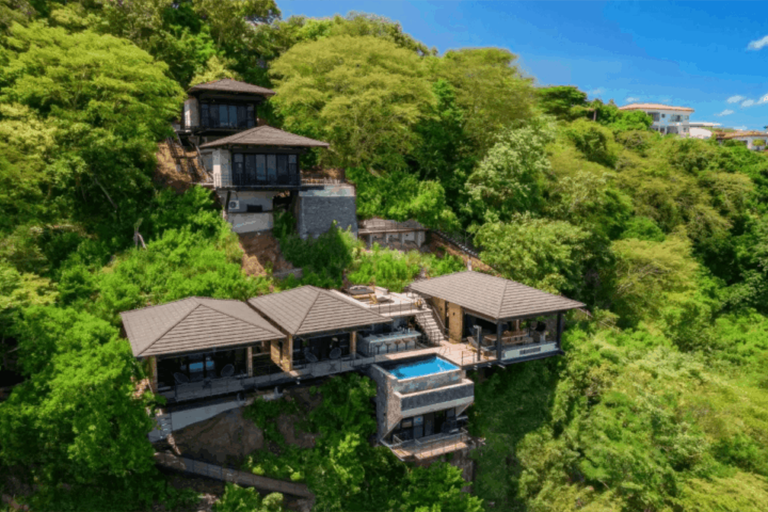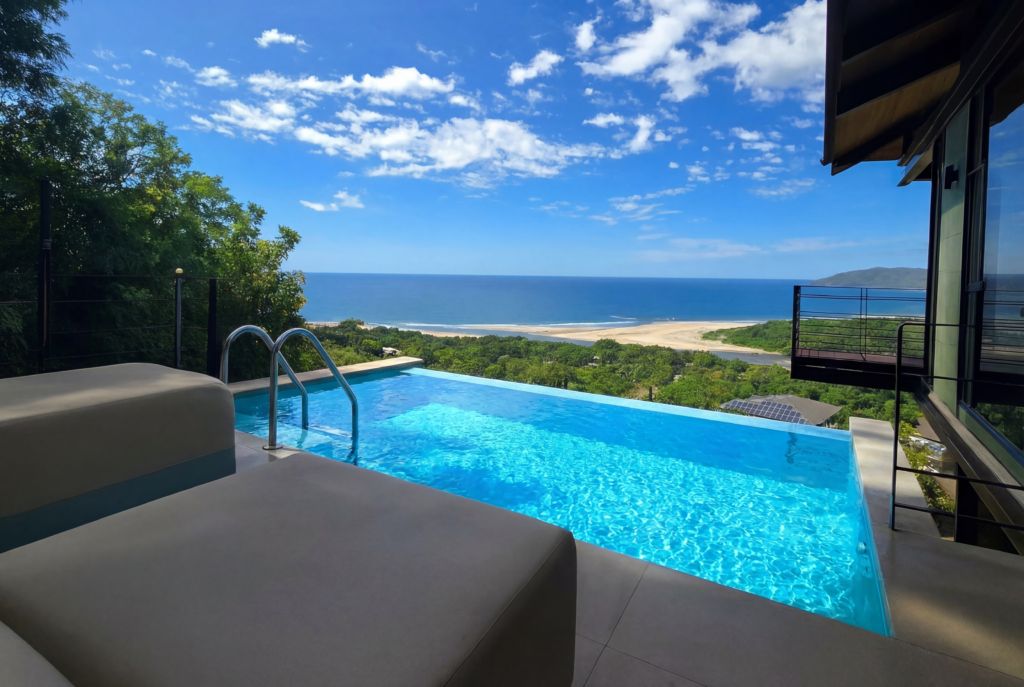
If you are leaning toward Costa Rica, the biggest quality-of-trip upgrade is choosing a home base that keeps your days calm, even when the destination is popular. A private villa stay gives you the nature access Costa Rica is known for, while letting you control the pace, privacy, and comfort that can get lost in more crowded hotel zones. It is a strong fit for travelers who want beaches and wildlife nearby, but still want their evenings to feel quiet, intentional, and restorative.\
Deciding between Panama and Costa Rica for your next Central American adventure? We’ve explored both these tropical paradises and understand the challenge of choosing between them. This article is your guide to the Costa Rica vs Panama debate, offering a direct Costa Rica vs comparison to help you decide which destination best fits your travel goals. Each country offers stunning beaches, lush rainforests, and vibrant cultures—but with distinct differences worth considering.
We’ll compare Panama and Costa Rica across essential categories including cost of living, safety, natural attractions, and lifestyle options. From Panama’s modern skyline and the engineering marvel of its canal to Costa Rica’s commitment to conservation and pura vida philosophy, both destinations have their own unique appeal. By the end, you’ll have a clearer idea of whether Costa Rica or Panama is the right choice for your next trip.
Most people think Panama vs Costa Rica is a simple “city vs nature” decision, but it is usually a question of rhythm. Costa Rica tends to reward travelers who want a seamless eco-focused trip with well-worn routes, easy tours, and nature that feels close at every stop. Panama tends to reward travelers who like mixing a few “big” highlights (Panama City, the canal) with quieter coastal or mountain time, often with fewer crowds and more flexibility on price. If you decide whether you want a trip that is mostly outdoors or a trip that blends urban energy with nature, the choice gets clearer fast.

Comparing Panama and Costa Rica: An Overview
Panama and Costa Rica, both Central American countries, are renowned for their beautiful beaches, rich biodiversity, and well-developed tourism infrastructure. With coastlines on both the Caribbean Sea and Pacific Ocean, they’re both popular destinations for travelers seeking tropical climates, diverse wildlife, and outdoor adventures. Despite these shared characteristics, each country offers distinct experiences that appeal to different types of visitors.
Costa Rica has established itself as an ecotourism pioneer with approximately 25% of its land protected in national parks and reserves. The country’s commitment to conservation has preserved its lush rainforests and diverse ecosystems, making it a paradise for nature enthusiasts and wildlife photographers. Costa Ricans embrace the “pura vida” philosophy, a relaxed approach to life that permeates the culture.
Panama, in contrast, presents a blend of metropolitan energy and natural beauty. Panama City features a striking skyline of modern skyscrapers alongside colonial architecture, particularly in the historic Casco Viejo district. The Panama Canal stands as an engineering marvel that continues to shape the country’s economy and international significance. Outside the capital, Panama offers similar natural attractions to Costa Rica but often with fewer crowds and lower prices.
Climate patterns vary slightly between the two countries. Costa Rica experiences a distinct rainy season from May to November, while Panama’s rainfall is more evenly distributed throughout the year in most regions. Both countries enjoy warm temperatures year-round, with averages ranging from 70°F to 90°F (21°C to 32°C) depending on elevation and proximity to the coast.
How does your ideal vacation look? Are you drawn to pristine, beautiful beaches and abundant wildlife, or do you prefer a mix of urban exploration and natural wonders? The choice between Panama and Costa Rica often comes down to your travel priorities, budget considerations, and preferred activities. In the following sections, we’ll dive deeper into specific factors that might influence your decision.
Geographic and Climate Differences
Panama and Costa Rica share Central American geography but differ significantly in landscapes and weather patterns. While both countries boast impressive biodiversity, their topography and seasonal changes create distinct travel experiences for visitors exploring these tropical destinations. The Pacific side of both Panama and Costa Rica is known for its surf culture, dry season, and popular beach destinations, while the Caribbean coast offers unique weather patterns, lush scenery, and different wildlife and activities, making each region stand out for travelers seeking varied experiences.
Landscape Features
Costa Rica’s landscape showcases dramatic volcanoes with 67 volcanic formations including six active ones. The country’s terrain rises from coastal plains to a central mountain range reaching elevations of 12,500 feet at Cerro Chirripó. Lush rainforests cover approximately 51% of the country, creating a verdant backdrop for wildlife viewing and outdoor adventures, and serving as a vital natural habitat for countless species.
Panama’s geography features a narrower landmass with a spine of mountains running through its center. The country’s famous canal cuts through the continental divide, connecting two oceans across a 50-mile stretch. Panama’s Darien Gap presents one of Central America’s most remote wilderness areas – an impenetrable jungle region bordering Colombia. The archipelagos of Bocas del Toro and San Blas offer stunning island landscapes not found in Costa Rica’s territory. Notable destinations include Starfish Beach in Bocas del Toro, known for its abundance of starfish and clear waters, and Santa Catalina on the Pacific side, a popular spot for surfing and wellness retreats.
Both countries feature Pacific and Caribbean coastlines, though Panama’s beaches tend to be less developed, particularly along the Caribbean side. Costa Rica’s Manuel Antonio and Tamarindo beaches attract significant tourism, while Panama’s Pearl Islands and Coiba National Park provide more secluded coastal experiences.
Seasonal Weather Patterns
Costa Rica experiences two distinct seasons: the dry season (December to April) and the rainy season (May to November). The dry season sees average temperatures between 70°F and 90°F with minimal rainfall, making it peak tourist season. During the rainy season, mornings typically remain sunny while afternoons bring heavy but brief downpours, with average rainfall reaching 100 inches annually in many regions. The country’s weather and lush natural surroundings contribute to a slower pace of life, encouraging visitors and residents alike to relax and enjoy the tranquil environment.
Panama’s climate follows a similar pattern but with regional variations. The country’s rainfall distribution tends to be more even throughout the year, particularly in the Caribbean coastal areas. Panama City averages 70 inches of rain annually compared to San José’s 78 inches. Panama’s temperatures remain more consistent year-round, typically ranging from 75°F to 85°F in coastal areas.
Microclimates exist in both countries due to varying elevations. Costa Rica’s Central Valley maintains spring-like temperatures averaging 70°F, while Panama’s highlands in Boquete and El Valle offer cooler respites from coastal heat. The Caribbean sides of both countries receive significantly more rainfall than their Pacific counterparts, creating differences in vegetation and wildlife habitats.
How do these geographic and climate differences affect your travel planning? The timing of your visit might determine which destination offers better weather for your preferred activities.
Cost of Living Comparison
Panama and Costa Rica offer different financial landscapes for both visitors and expatriates. While both countries provide a lower cost of living than many North American and European locations, several key differences exist in everyday expenses, housing markets, and overall affordability.
Cost comparisons matter most when they match how you actually travel. Panama often feels less expensive day-to-day, especially if you value urban convenience, quick transportation options, and easy access to imported goods. Costa Rica can feel pricier in popular beach towns and high-demand eco areas, but it often returns value through consistent tours, well-developed nature experiences, and “plug-and-play” travel logistics. If you want fewer decisions once you arrive, Costa Rica can justify the higher spend; if you want to stretch your budget while still getting beaches and rainforest, Panama tends to feel lighter on the wallet.
Housing and Real Estate
Housing costs vary significantly between Panama and Costa Rica, with Panama generally offering more affordable options. In Panama City, a one-bedroom apartment in the city center averages $700-900 monthly, compared to $800-1,100 in San José, Costa Rica. Outside major urban areas, the contrast becomes even more apparent:
| Location | Panama (Monthly Rent) | Costa Rica (Monthly Rent) |
|---|---|---|
| City Center (1 BR) | $700-900 | $800-1,100 |
| Suburban Areas (1 BR) | $450-650 | $600-800 |
| Beach Properties (2 BR) | $800-1,200 | $1,000-1,500 |
| Rural Areas (2 BR) | $350-550 | $500-750 |
Panama’s pensionado program gives retirees substantial property tax exemptions and discounts, along with additional tax breaks for foreigners and expatriates, making long-term living more affordable. Costa Rica’s real estate market has experienced steeper appreciation rates, particularly in popular expat areas like Tamarindo and Manuel Antonio, driving prices higher than comparable Panamanian locations.
For homebuyers, Panama’s property rights for foreigners remain more straightforward, with fewer restrictions on coastal property ownership and tax breaks that incentivize overseas investment, compared to Costa Rica’s maritime zone limitations. Have you considered how these ownership differences might affect your long-term investment plans?

Daily Expenses and Groceries
Day-to-day living costs show notable differences between the two countries. Panama maintains lower prices on many imported goods due to its status as a major shipping hub and favorable import policies. Additionally, the use of the US dollar as the official currency in Panama simplifies transactions and budgeting for travelers, while the US dollar is also widely accepted in Costa Rica, making trip planning easier. A typical grocery basket comparison reveals:
| Item | Panama (USD) | Costa Rica (USD) |
|---|---|---|
| Gallon of milk | $4.20 | $5.50 |
| Dozen eggs | $2.10 | $2.80 |
| Loaf of bread | $1.80 | $2.30 |
| Local beer (0.5L) | $1.00 | $1.75 |
| Restaurant meal (inexpensive) | $7-10 | $9-15 |
| Monthly utilities (basic) | $80-120 | $100-150 |
Transportation costs run about 15-20% lower in Panama, with gasoline averaging $3.50 per gallon compared to Costa Rica’s $4.20. Public transportation options in Panama City, including the metro system, provide affordable mobility at approximately $0.35 per ride, while San José’s bus system charges slightly more at $0.50-0.75 per journey.
Healthcare expenses demonstrate another key difference. Panama’s medical services typically cost 20-30% less than Costa Rica’s, though both countries offer quality care at fractions of U.S. prices. Both Panama and Costa Rica have a range of private healthcare options, with private hospitals and clinics offering high-quality and affordable care that many expatriates and locals prefer over public healthcare. Many expatriates in Panama report spending $200-400 monthly on private health insurance, while comparable coverage in Costa Rica often ranges from $250-500.
Local markets in both countries offer fresh produce at similar prices, but Panama’s free trade agreements result in wider varieties of imported goods at lower costs. What specific daily expenses matter most in your budget planning?
Tourism Experience
Costa Rica and Panama both offer exceptional tourism experiences with their own distinct characteristics. Each country presents unique landscapes, activities, and cultural encounters for travelers of all types. Wildlife watching is a popular draw in both countries, with opportunities to observe sloths, monkeys, and exotic birds during hikes and jungle tours. When it comes to natural attractions like volcanoes and waterfalls, Costa Rica takes the lead, making it a top choice for nature enthusiasts. Let’s explore the most captivating destinations in both countries.
Popular Destinations in Panama
Panama’s tourism landscape combines metropolitan attractions with pristine natural settings. Panama City stands as Central America’s most cosmopolitan city, offering international amenities, a striking skyline reminiscent of Miami, and a fast-paced lifestyle. The historic Casco Viejo district showcases colonial architecture and vibrant nightlife, while the engineering marvel of the Panama Canal attracts visitors worldwide.
Beyond the capital, Bocas del Toro archipelago offers Caribbean island vibes with turquoise waters and laid-back beaches. Popular activities here include scuba diving, surfing, and swimming. Panama’s beaches are known for being less developed, more remote, and ideal for quiet, low-key experiences, emphasizing their natural and untouched qualities compared to the more infrastructured beaches in Costa Rica.
The mountainous Boquete region appeals to coffee enthusiasts and adventure seekers with its temperate climate and outdoor activities like hiking and zip-lining.
For those seeking seclusion, the San Blas Islands provide an authentic indigenous experience managed by the Guna people, featuring over 365 islands with minimal development and pristine beaches. Wildlife enthusiasts gravitate to the cloud forests of El Valle de Antón, set in an extinct volcanic crater with exceptional biodiversity.
Must-Visit Places in Costa Rica
Costa Rica’s tourism centerpiece revolves around its extraordinary natural diversity and conservation success. The country protects approximately 25% of its land within national parks and reserves, creating abundant opportunities for wildlife viewing and establishing Costa Rica as a global leader in eco tourism. Manuel Antonio National Park exemplifies this commitment, combining rainforest trails with stunning beaches where visitors regularly spot monkeys, sloths, and tropical birds.
Arenal Volcano region delivers dramatic landscapes paired with hot springs and adventure activities like whitewater rafting and canyoning. The Monteverde Cloud Forest Reserve offers canopy tours and hanging bridges amid misty mountain forests home to the resplendent quetzal and over 400 bird species.
Notable destinations also include Puerto Viejo on the Caribbean coast, known for its laid-back vibe, quieter waters, and excellent snorkeling, as well as Rio Celeste, an iconic waterfall famous for its sky-blue waters and breathtaking scenery—though swimming is not permitted there.
Along the Pacific coast, surf towns like Tamarindo and Santa Teresa attract wave-riders of all skill levels, while Tortuguero National Park on the Caribbean side provides sea turtle nesting sites and canal tours through lush wetlands. The Osa Peninsula houses Corcovado National Park, described by National Geographic as “the most biologically intense place on Earth” with opportunities to see scarlet macaws, tapirs, and four monkey species.
For accommodations, Costa Rica offers a range of options, with eco lodges being especially popular among sustainable travelers seeking environmentally friendly stays that support conservation efforts.
Have you considered what type of natural experience you’re looking for in your Central American adventure? The choice between Panama’s blend of urban sophistication and untouched wilderness versus Costa Rica’s extensive protected areas and ecotourism infrastructure comes down to your travel priorities.
Expat Life and Retirement
Panama and Costa Rica have become top destinations for expats and retirees seeking tropical lifestyles with modern amenities. Both countries boast a vibrant and diverse expat community, with popular locations such as Panama City, Boquete, San José, and the Central Valley offering a welcoming atmosphere and active social groups for foreigners. Each country offers distinct advantages for those looking to relocate, from cost-effective living to comprehensive healthcare systems. When considering residency options, both Panama and Costa Rica provide retirement visa programs that can lead to permanent residency, allowing retirees and expats to establish long-term legal status and enjoy additional benefits. Let’s explore how these neighboring countries compare for long-term residents.
Residency Programs and Requirements
Panama’s residency programs stand out for their accessibility and benefits. The famous Pensionado program requires only $1,000 monthly income from a guaranteed pension source, making it attractive for retirees. This program offers extensive discounts on services including:
- 20% off medical services
- 50% off entertainment activities
- 25% off airline tickets
- 15% off hospital bills
Panama’s Friendly Nations Visa provides another pathway to residency for citizens from over 50 countries with a $5,000 bank deposit and property purchase or business investment.
Costa Rica’s residency options include the Pensionado program requiring $1,000 monthly pension income and the Rentista program needing $2,500 monthly income for two years or a $60,000 deposit. The country’s Inversionista option demands a $150,000 investment in Costa Rican business or property.
Processing times differ significantly between the countries. Panama typically processes residency applications in 3-6 months, while Costa Rica’s timeline often extends to 12-18 months. Panama’s straightforward documentation requirements contrast with Costa Rica’s more extensive paperwork needs, including apostilled documents and multiple visits to government offices.
Healthcare Systems
Panama’s healthcare infrastructure combines quality care with affordability. The country operates a two-tier system with public facilities (Caja de Seguro Social) and private hospitals equipped with modern technology. Private insurance costs range from $60-200 monthly depending on age and health status.
Costa Rica’s universal healthcare system (Caja Costarricense de Seguro Social or CCSS) provides comprehensive coverage to residents. Expats with legal residency can join this system by paying 7-11% of their reported income. The country ranks impressively in healthcare metrics:
- Higher life expectancy than the US (80.3 years vs. 78.5)
- Lower infant mortality rates
- World Health Organization recognition for efficiency
Both countries feature internationally accredited hospitals, particularly in urban centers. Panama City’s Punta Pacífica Hospital, affiliated with Johns Hopkins Medicine International, offers specialized treatments often unavailable elsewhere in Central America. Meanwhile, Costa Rica’s CIMA and Clínica Bíblica hospitals draw medical tourists from North America with high standards and English-speaking staff.
Prescription medications cost 40-60% less in both countries compared to US prices. Panama offers slightly more streamlined access, with many medications available without prescriptions. Costa Rica maintains stricter regulations but compensates with comprehensive coverage through its public system.
For expats with chronic conditions, both destinations provide excellent care, though Panama’s private clinics may offer faster specialist access while Costa Rica’s public system provides more extensive coverage for ongoing treatments.
Economic Outlook and Investment Opportunities
Panama’s Economic Landscape
Panama’s economy centers on its service sector, which accounts for about 70% of its GDP. The Panama Canal remains the crown jewel of the economy, generating over $3 billion in annual revenue. This vital waterway connects 144 maritime routes and serves over 1,700 ports worldwide. Panama’s dollarized economy offers stability for foreign investors, eliminating currency exchange risks common in other Latin American countries.
Panama’s strategic location has transformed it into a major logistics hub featuring the Colón Free Trade Zone, the second-largest free trade zone in the world. Recent infrastructure investments include the $5.25 billion Panama Canal expansion completed in 2016, which doubled the canal’s capacity and allows passage of larger Post-Panamax vessels.
The banking sector thrives with over 70 international banks operating in Panama City. Investment-friendly policies include minimal corporate taxation, strong privacy laws, and simplified business registration processes. Panama’s Multinational Headquarters (SEM) visa program has attracted more than 150 international companies seeking to establish regional offices with tax incentives and immigration benefits.
Costa Rica’s Economic Profile
Costa Rica’s economy has evolved from traditional agricultural exports to a diverse mix including high-tech manufacturing, tourism, and services. Unlike Panama, Costa Rica operates with its own currency (colón) and maintains a floating exchange rate system. The country has positioned itself as an eco-friendly destination, with sustainable tourism contributing approximately 8% to its GDP, and is often considered a better eco friendly destination than Panama due to its strong conservation efforts and commitment to sustainability.
Costa Rica stands out as Central America’s leading technology exporter, with companies like Intel and Amazon establishing significant operations there. The country’s educated workforce (96.3% literacy rate) and stable political climate have attracted over 300 multinational companies to its free trade zones. Medical device manufacturing has grown particularly strong, with exports in this sector exceeding $3.3 billion annually.
Renewable energy represents another economic strength, with Costa Rica generating over 98% of its electricity from renewable sources in recent years. This clean energy focus has created investment opportunities in solar, wind, and hydroelectric projects, particularly in rural regions like Guanacaste.
Real Estate Investment Comparison
Panama offers diverse real estate investment options ranging from luxury beachfront condos in Panama City (averaging $2,500-3,500 per square meter) to mountain retirement properties in Boquete (starting around $150,000 for a single-family home). The property appreciation rate in prime areas of Panama City has averaged 5-7% annually over the past decade.
Panama’s Special Tourism Zones provide tax incentives for hospitality developments, including 20-year property tax exemptions and duty-free imports of construction materials. The government has streamlined foreign property ownership laws, allowing non-residents to own titled property with the same rights as Panamanian citizens.
Costa Rica’s real estate market features different investment profiles. Beach properties in areas like Tamarindo or Manuel Antonio command premium prices ($2,000-3,000 per square meter), while inland properties in the Central Valley offer more affordable options. Costa Rica imposes a 3% transfer tax on property sales and annual property taxes ranging from 0.25% to 0.55% of the registered value.
Foreign investors in Costa Rica can expect potential rental yields between 5-8% for well-located properties in tourist areas. However, Costa Rica’s slower titling process and restrictions on coastal concession properties require careful due diligence before investing.
Business Startup Environment
Panama’s business-friendly environment includes a streamlined company formation process typically completed in 3-5 business days. The country ranks 86th on the World Bank’s Ease of Doing Business index, with minimal capital requirements for establishing a corporation. Corporate tax rates remain competitive at 25%, and territorial taxation means foreign-source income is generally exempt.
The Panamá Pacífico Special Economic Area offers additional incentives for technology, logistics, and service companies, including tax exemptions, simplified customs procedures, and labor flexibility. The government’s ProPanamá investment promotion agency provides support services to potential investors, including market information and connection to local partners.
Costa Rica presents a different business landscape, with company formation typically taking 2-3 weeks and requiring more documentation. The country ranks 74th on the Ease of Doing Business index, slightly ahead of Panama. Corporate income tax rates range from 10-30% based on gross income levels, with small businesses enjoying lower rates.
Costa Rica’s CINDE investment promotion agency has successfully attracted high-value industries including medical devices, advanced manufacturing, and digital services. The country’s stable democracy and well-educated workforce often compensate for its somewhat more complex regulatory environment.
Future Economic Trends
Panama’s economic growth projections hover between 4-5% annually for the coming years, outpacing many regional competitors. The government’s $13 billion infrastructure plan includes a fourth bridge over the Panama Canal, Line 3 of the Metro system, and expansion of Tocumen International Airport, creating immediate construction opportunities and long-term economic benefits.
Emerging sectors in Panama include fintech, with Panama’s banking regulatory environment evolving to accommodate digital financial services. The country’s growing data center capacity has positioned it as a regional hub for cloud services and digital infrastructure.
Costa Rica’s economic future hinges on its continued success in sustainable development, with projected growth of 3-4% annually. The government’s decarbonization plan creates investment opportunities in electric mobility, energy-efficient buildings, and waste management systems. Costa Rica’s move toward OECD membership has prompted regulatory improvements designed to attract higher-quality foreign investment.
Both countries face similar challenges, including infrastructure gaps, skill shortages in specialized sectors, and regional competition for investment dollars. How do you see your investment goals aligning with the economic trajectories of these two dynamic countries?
Transportation and Infrastructure
Road Conditions and Public Transit
Panama’s road network features excellent highways connecting major cities, particularly around Panama City and along the Pan-American Highway. The Corredor Sur and Corredor Norte expressways provide efficient travel within the capital region. Outside urban centers, road quality varies significantly, with some rural routes remaining unpaved or poorly maintained.
Costa Rica’s road infrastructure presents more challenges. While main highways between tourist destinations are generally well-maintained, secondary roads often suffer from potholes, lack proper signage, and become difficult to navigate during the rainy season. Many beach towns and mountain communities are accessed via gravel or dirt roads that require 4WD vehicles, especially from May to November.
Public transportation in Panama centers around an extensive bus network. Panama City boasts Central America’s only metro system, with Line 1 and Line 2 serving key areas of the capital. Taxis are abundant and affordable, typically charging $3-5 for trips within city zones.
Costa Rica’s public transit relies primarily on buses. The system reaches virtually every town but operates on loose schedules. San José has no metro, though its bus terminal network efficiently connects to all regions. Ride-sharing services operate in both countries, with wider availability in urban areas.
Air Travel and Airports
Panama’s Tocumen International Airport (PTY) serves as a major hub for Copa Airlines and connects to 75+ international destinations. It’s often called the “Hub of the Americas” due to its strategic position. Regional airports in David, Bocas del Toro, and the San Blas Islands provide domestic connections.
Costa Rica operates two international airports: Juan Santamaría International Airport (SJO) near San José and Daniel Oduber Quirós International Airport (LIR) in Liberia, serving the northern Pacific coast. Smaller airstrips like Tambor and Quepos offer domestic flights to popular tourist destinations, though these typically use small aircraft with limited schedules and baggage allowances.
Both Panama and Costa Rica offer direct flights from major cities, making travel to each country convenient for international visitors. Flight options are more extensive from Panama, with direct connections to Europe, South America, and multiple U.S. cities. Costa Rica offers fewer direct international routes but has seen expansion in recent years, particularly to North American destinations.
Internet and Telecommunications
Panama provides impressive internet infrastructure with average speeds of 94 Mbps in urban areas. Fiber optic connections are increasingly available in Panama City and other major population centers. Mobile coverage reaches approximately 96% of the country through providers like Cable & Wireless, Digicel, and Claro.
Costa Rica’s telecommunications were historically monopolized by ICE (the state provider) but have opened to competition. Internet speeds average 65 Mbps in urban zones, while rural connectivity remains limited in some regions. Mobile coverage extends to about 95% of the country, though mountainous areas experience spotty service.
Both countries offer reasonably priced mobile plans. In Panama, a monthly plan with 8GB of data costs around $15-20, while similar packages in Costa Rica run $20-25. Public WiFi is widely available in tourist areas in both nations, though Panama offers more free access points in public spaces.
Water and Electricity Infrastructure
Panama’s electricity grid is relatively reliable, with occasional outages during severe storms. Urban areas experience 99% uptime, while rural regions may face more frequent disruptions. Tap water is generally safe to drink in Panama City and developed areas, though bottled water is recommended in remote locations.
Costa Rica generates over 98% of its electricity from renewable sources (hydroelectric, wind, geothermal), giving it one of the cleanest energy grids globally. However, power outages occur more frequently, especially during the rainy season. Water quality varies by region – tap water is safe in most tourist areas and cities, but questionable in some coastal communities.
Both countries use 110-120V electrical systems compatible with U.S. devices. Panama tends to have lower utility costs, with electricity averaging $0.16/kWh compared to Costa Rica’s $0.20/kWh – a significant consideration for long-term visitors.
Wildlife and Natural Preservation
Biodiversity Comparison
Panama and Costa Rica both host extraordinary biodiversity within their borders. Costa Rica occupies just 0.03% of the Earth’s surface yet contains nearly 6% of the world’s biodiversity. The country houses over 500,000 species, including 232 mammals, 838 bird species, and approximately 9,000 plant varieties. Panama, despite its smaller size, competes admirably with about 10,000 plant species, 220 mammals, and 978 bird species—actually exceeding Costa Rica in avian diversity. The difference stems partly from Panama’s role as a biological bridge between North and South America, creating a natural funnel for migrating species.
In marine ecosystems, both countries shine with impressive coral reefs. Costa Rica’s Cahuita National Park and Panama’s Bocas del Toro archipelago offer spectacular underwater viewing opportunities. The waters around Panama’s Coiba Island contain 760 fish species, while Costa Rica’s Cocos Island features schools of hammerhead sharks, rays, and dolphins. These protected marine areas serve as critical conservation zones and popular destinations for divers and marine biologists.
National Parks and Protected Areas
Costa Rica’s conservation system includes 29 national parks covering 25% of its territory. This extensive network features iconic locations like Manuel Antonio, where white-faced capuchin monkeys walk alongside visitors, and Monteverde Cloud Forest, home to the resplendent quetzal. Costa Rica pioneered ecotourism in Central America during the 1980s and 1990s, building its international brand around environmental protection.
Panama protects about 30% of its land through 15 national parks and numerous forest reserves. Soberanía National Park, just 25 minutes from Panama City, offers accessible wildlife viewing with 525 bird species recorded along the famous Pipeline Road. Darién National Park, a UNESCO World Heritage site, contains one of Central America’s largest remaining tracts of pristine rainforest. Panama’s conservation system has received less international attention than Costa Rica’s but protects larger contiguous areas of wilderness.
Endangered Species Protection
Both countries face conservation challenges but have implemented protection measures for threatened species. Costa Rica has successfully increased its jaguar population through corridor projects connecting fragmented habitats. The country’s sloth sanctuaries protect these beloved mammals, while sea turtle conservation programs at Tortuguero National Park have helped stabilize nesting populations of green and leatherback turtles.
Panama focuses on protecting the harpy eagle, its national bird, with breeding programs and habitat preservation in remote forests. The critically endangered Panamanian golden frog, nearly extinct in the wild due to chytrid fungus, survives through captive breeding programs. Panama’s efforts to protect the American crocodile have resulted in population recoveries in the Bay of Panama and along the Pacific coast. How might these conservation successes influence your travel plans if you’re passionate about wildlife?
Ecotourism Opportunities
Costa Rica built its tourism reputation on ecotourism, offering countless opportunities to experience nature responsibly. Guided night walks in Monteverde reveal sleeping birds, active sloths, and glowing fungi. Whale watching excursions operate year-round due to different migration patterns on each coast, with 89% of all cetacean species passing through Costa Rican waters. Turtle nesting tours allow visitors to witness olive ridley turtles during arribadas—mass nesting events where thousands come ashore simultaneously.
Panama’s ecotourism focuses on authenticity and less crowded experiences. Bird watching in the highlands of Chiriquí attracts enthusiasts seeking rare species like the resplendent quetzal and three-wattled bellbird. In the Gulf of Chiriquí, humpback whales from both hemispheres create the world’s longest whale-watching season from July through October. Indigenous-led tours in the Emberá villages provide cultural and natural experiences while supporting traditional communities. Panama’s ecotourism infrastructure continues developing but offers more off-the-beaten-path adventures than its northern neighbor.
Conservation Challenges
Costa Rica faces ongoing challenges despite its conservation reputation. Pineapple and banana plantations have expanded into previously forested areas, bringing pesticide use that affects water quality and wildlife health. Urban development along coastal areas threatens nesting beaches for marine turtles. The country’s tourism success has created pressure on popular parks, with Manuel Antonio sometimes receiving too many daily visitors for sustainable management.
Panama confronts similar issues plus additional challenges from mining operations. The Cobre Panama copper mine operates near the Mesoamerican Biological Corridor, raising concerns about wildlife movements and water contamination. Deforestation in the Darién region continues as agricultural frontiers expand. Both countries struggle with balancing economic development and environmental protection, though Costa Rica’s stronger environmental regulations often provide more effective safeguards for threatened ecosystems.
Conclusion
Both Panama and Costa Rica offer incredible experiences for travelers explorers and potential expats. While Costa Rica wins hearts with its biodiversity commitment to conservation and pura vida lifestyle Panama impresses with affordability modern infrastructure and investment opportunities.
We’ve seen that Panama generally offers lower living costs stronger infrastructure and more accessible residency programs. Meanwhile Costa Rica delivers unmatched natural experiences with its extensive national park system and pioneering ecotourism approach.
Your perfect destination depends entirely on your priorities. Choose Panama for urban amenities investment potential and overall value. Opt for Costa Rica if nature immersion wildlife encounters and sustainable living top your list.
Whichever you select you’ll discover a Central American paradise that may just convince you to extend your stay indefinitely.
Frequently Asked Questions
Is Panama or Costa Rica cheaper for travelers?
Panama is generally more affordable than Costa Rica. You’ll find lower costs for accommodations, food, and transportation in Panama, with rental prices in Panama City typically lower than in San José. Panama also offers better value for daily expenses like groceries and public transportation, making it the budget-friendly choice for both tourists and expats.
Which country has better beaches, Panama or Costa Rica?
Both countries boast stunning beaches, but they offer different experiences. Costa Rica’s beaches are often more developed for tourism with better infrastructure and surf spots like Tamarindo. Panama’s beaches, especially in Bocas del Toro and the Pearl Islands, tend to be less crowded with a more laid-back atmosphere. Your preference depends on whether you seek bustling beach towns or secluded coastal retreats.
Is Costa Rica safer than Panama?
Both countries are relatively safe for tourists compared to other Central American nations. Costa Rica has a slight edge in overall safety statistics and has no standing army. Panama, while safe in tourist areas, has higher crime rates in certain urban neighborhoods. Both require standard travel precautions, especially in larger cities like Panama City and San José.
Which country has better wildlife viewing opportunities?
Costa Rica holds the advantage for wildlife viewing, with approximately 6% of the world’s biodiversity contained within its borders. Its well-established national park system and ecotourism infrastructure make wildlife encounters more accessible. Panama offers excellent bird watching (over 970 species) and unique wildlife, but Costa Rica’s conservation focus and developed nature tourism give it the edge for animal enthusiasts.
Do I need to speak Spanish to visit Panama or Costa Rica?
You can get by without Spanish in tourist areas of both countries, but knowing basic phrases enhances the experience. Costa Rica has more English speakers in the tourism industry due to its longer history with international visitors. Panama has strong English usage in business centers like Panama City but less in rural areas. Learning essentials like greetings and ordering food is recommended for either destination.
Which has better healthcare: Panama or Costa Rica?
Both countries offer quality healthcare at affordable prices compared to the US. Costa Rica’s universal healthcare system (CAJA) is internationally renowned for its quality and accessibility. Panama offers a two-tier system with excellent private hospitals in urban areas that accept international insurance. For medical tourism and serious procedures, both countries attract foreigners seeking quality care at lower costs.
Is it easier to retire in Panama or Costa Rica?
Panama offers the more straightforward path to retirement residency through its Pensionado program, requiring just $1,000 monthly income and providing substantial discounts on services. Costa Rica’s pensionado program has similar benefits but requires higher income proof ($2,500+ monthly) and involves longer processing times. Panama’s dollarized economy also eliminates currency exchange concerns for retirees from the US.
Which country has better infrastructure for digital nomads?
Panama edges out Costa Rica for digital nomads with faster internet speeds (averaging 120 Mbps vs. 50 Mbps), more reliable mobile coverage, and Central America’s only metro system in Panama City. While both countries offer coworking spaces and digital-friendly cafés, Panama’s superior telecommunications infrastructure and transportation make it more convenient for remote workers requiring consistent connectivity.
What’s the best time of year to visit each country?
The dry season (December to April) is ideal for both countries, offering sunny days perfect for beaches and outdoor activities. Costa Rica experiences a more pronounced rainy season (May to November), with afternoon downpours but often clear mornings. Panama has more evenly distributed rainfall year-round, making it slightly more accessible during “green season.” For wildlife viewing, the transition periods (April/May and November) can be excellent in both nations.
Which country offers better investment opportunities?
Panama presents more favorable investment conditions with its dollarized economy, territorial tax system, and streamlined business procedures. Real estate investors benefit from property tax exemptions and a well-established foreign ownership framework. Costa Rica offers strong opportunities in sustainable tourism and eco-developments but comes with more regulatory hurdles and a slower titling process. Panama’s projected higher economic growth rate also suggests stronger long-term investment potential.