Honduras vs Costa Rica: Which Central American Gem to Visit?

Wondering about Honduras vs Costa Rica for your next Central American adventure? We’ve compared these neighboring countries to help you make the perfect choice for your travel plans. Both destinations offer stunning natural beauty, but they differ significantly in tourism infrastructure, safety considerations, and overall visitor experience.

Costa Rica has long been a favorite for eco-tourists seeking well-developed parks and adventure activities, while Honduras attracts travelers with its affordable prices and less crowded attractions. From pristine beaches to lush rainforests, each country presents its own distinct flavor of tropical paradise. In this guide, we’ll break down everything from cost differences to cultural highlights that set these destinations apart.

Looking for Tranquility Beyond the Tropics? Discover Tuscany’s Hidden Charm
Whether you’re deciding between Honduras’s quiet beaches or Costa Rica’s eco-adventures, Villagio Musca offers a different kind of escape—timeless Italian countryside, vineyard views, and handcrafted villas built for serenity. If you’re craving beauty, peace, and slow mornings under Tuscan skies, this is your sign to plan something unforgettable. Book now or contact us to begin your stay.

Honduras vs Costa Rica: An Overview of Two Central American Nations

Honduras and Costa Rica share the Central American isthmus but offer distinctly different experiences for travelers. These neighboring countries showcase diverse landscapes, cultures, and tourism opportunities despite their geographical proximity.

Costa Rica spans 19,700 square miles and borders Nicaragua to the north and Panama to the south. The country has earned worldwide recognition for its progressive environmental policies, with nearly 30% of its territory protected as national parks or reserves. Its stable democracy and absence of a standing army since 1949 have contributed to its reputation as the “Switzerland of Central America.”

Honduras, covering 43,433 square miles, is significantly larger than Costa Rica and shares borders with Guatemala, El Salvador, and Nicaragua. The country features a diverse topography ranging from the Caribbean coastline to mountainous interior regions. Despite rich cultural heritage and natural beauty, Honduras has faced more economic and security challenges than its southern neighbor.

Both nations boast Spanish colonial influence in their architecture, cuisine, and cultural traditions. Costa Rica’s population of approximately 5.1 million enjoys one of the highest standards of living in Latin America, while Honduras’ 9.9 million residents have experienced more economic disparities.

Tourism development shows sharp contrasts between these countries. Costa Rica welcomes over 3 million visitors annually through its well-established tourism infrastructure. Honduras receives fewer tourists—around 850,000 per year—but offers emerging opportunities for travelers seeking less commercialized experiences.

Climate patterns vary between the two, with Costa Rica featuring distinct dry (December-April) and rainy (May-November) seasons. Honduras experiences similar seasonal variations but with regional differences between its Caribbean and Pacific coasts. Both countries offer year-round tropical warmth with temperatures typically ranging from 70-90°F depending on elevation and season.

Have you considered which of these Central American destinations might better match your travel preferences? Understanding these fundamental differences provides a foundation for comparing their specific tourism offerings.

Geographic and Environmental Comparison

Honduras and Costa Rica showcase distinct geographic profiles despite sharing the Central American isthmus. These differences significantly impact visitor experiences, from the terrain you’ll explore to the weather you’ll encounter during your trip.

Landscape and Natural Features

Costa Rica’s landscape presents a compact yet diverse natural playground across its 19,700 square miles. The country features 28 national parks, including iconic locations like Manuel Antonio and Tortuguero. Visitors enjoy easy access to both Pacific and Caribbean coastlines, often within just a few hours’ drive. Costa Rica’s volcanic mountain range creates dramatic scenery with cone-shaped peaks like Arenal, while cloud forests in Monteverde host remarkable biodiversity in a misty, elevated setting.

Honduras offers more expansive territory at 43,433 square miles with varied topography. The Bay Islands, including Roatán, Utila, and Guanaja, provide world-class diving along the Mesoamerican Barrier Reef—the second largest coral reef system globally. Inland, the Rio Plátano Biosphere Reserve spans over 2 million acres of pristine rainforest. Honduras features rugged mountain ranges like Sierra de Agalta and the Montaña de Comayagua, creating dramatic valleys and highlands throughout the country.

Climate Differences

Temperature patterns vary distinctly between these neighboring nations. Costa Rica experiences relatively stable temperatures year-round, with coastal areas averaging 80-90°F (27-32°C) and highlands offering cooler relief at 65-75°F (18-24°C). The country follows two primary seasons: the dry season (December to April) attracting peak tourism, and the green season (May to November) bringing afternoon showers but lush landscapes and fewer crowds.

Honduras presents more regional climate variation across its larger territory. The coastal lowlands mirror typical tropical conditions with temperatures between 82-90°F (28-32°C), while the central highlands enjoy moderate temperatures averaging 70-80°F (21-27°C). Honduras experiences a similar wet/dry seasonal pattern to Costa Rica, though the rainy season can be more pronounced in certain regions, particularly along the Caribbean coast where annual rainfall exceeds 100 inches in some areas.

Have you considered how these geographic differences might affect your travel experience? The more compact nature of Costa Rica allows for quicker transitions between ecosystems, while Honduras offers more remote wilderness adventures across its larger landscape.

Economic Development and Tourism

The economic landscapes of Costa Rica and Honduras reveal stark contrasts that directly impact tourism experiences. These differences shape infrastructure quality, safety conditions, and overall visitor satisfaction in each destination.

Costa Rica’s Economic Success

Costa Rica stands as Central America’s economic success story, with a GDP per capita of $12,076 – nearly three times higher than Honduras. This prosperity stems from the country’s political stability, elimination of military spending in 1949, and diversified economy focused on technology, medical devices, and sustainable tourism. Costa Rica’s investment in education (6.8% of GDP) has created a skilled workforce that supports sophisticated tourism services.

The tourism sector contributes approximately 8.2% to Costa Rica’s GDP, employing over 211,000 people directly and indirectly. International hotel chains like Marriott and Hilton operate alongside eco-lodges and boutique accommodations, providing diverse options for visitors. Costa Rica received 3.1 million international tourists in 2019, generating $3.9 billion in revenue.

Tourism infrastructure includes four international airports, well-maintained highways connecting major destinations, and efficient public transportation. Have you considered how this accessibility affects your travel experience? Most tourist areas feature reliable internet, modern banking services, and healthcare facilities that meet international standards.

Honduras’s Economic Challenges

Honduras faces significant economic hurdles, with a GDP per capita of $2,406 and approximately 59% of the population living below the poverty line. Political instability, natural disasters, and security concerns have hampered consistent economic growth. Agriculture remains the dominant sector, particularly coffee and banana exports, while manufacturing focuses primarily on textiles for the US market.

Tourism accounts for roughly 5.5% of Honduras’s GDP, with the Bay Islands and Copán ruins serving as primary attractions. The sector employs about 143,000 people but struggles with infrastructure limitations. Honduras attracted 850,000 international visitors in 2019, generating approximately $770 million in revenue—significantly less than Costa Rica despite having more territory.

Tourism infrastructure remains concentrated in specific zones. The Bay Islands feature international-standard facilities, while mainland destinations often have more basic amenities. Road conditions vary widely, with some routes becoming impassable during the rainy season. Public transportation exists but lacks the reliability found in Costa Rica. Internet connectivity and banking services are readily available in major cities and tourist areas but may be limited in remote locations.

Despite these challenges, Honduras offers tremendous value for travelers. The average daily cost for tourists ($45-60) compares favorably to Costa Rica ($70-120), allowing budget-conscious travelers to experience spectacular natural and cultural attractions without the crowds found at more popular destinations.

Cultural Heritage and Identity

Honduras and Costa Rica showcase rich cultural tapestries shaped by their unique histories and diverse populations. These Central American neighbors have developed distinct cultural identities that influence everything from their food and festivals to their arts and attitudes.

Indigenous Influences

The indigenous heritage of Honduras and Costa Rica continues to shape their national identities in different ways. Honduras maintains stronger connections to its pre-Columbian roots, with the Maya civilization leaving an indelible mark on the country’s cultural landscape. The ruins of Copán represent one of the most significant Maya archaeological sites in Central America, featuring intricate stone carvings and hieroglyphic stairways that attract researchers and tourists alike. Approximately 7% of Honduras’s population identifies as indigenous, primarily Lenca, Miskito, and Garifuna communities, who preserve their traditional languages, crafts, and customs.

Costa Rica’s indigenous influence appears more subtle in daily life, as only about 2.4% of the population identifies as indigenous. The Bribri, Cabécar, and Boruca peoples maintain their cultural practices mainly in designated territories. Costa Rican indigenous art forms like colorful masks and textiles have gained recognition as cultural symbols, though they’re less integrated into mainstream culture compared to Honduras. How might these differences in indigenous representation affect your cultural experience as a traveler to these countries?

Colonial History Impact

Spanish colonial rule left dramatically different legacies in Honduras and Costa Rica. Honduras experienced intensive colonization focused on resource extraction, particularly silver mining, which created a stratified society with pronounced wealth disparities that continue today. Colonial architecture remains prominent in cities like Comayagua and Gracias, where visitors can explore over 20 historic churches, central plazas, and government buildings dating back to the 16th century.

Costa Rica’s colonial experience differed significantly due to its relative lack of exploitable resources and indigenous labor. This resulted in a more egalitarian society as Spanish settlers worked their own land rather than relying on large indigenous workforces. San José features fewer colonial structures than other Central American capitals because it gained prominence only after independence in 1821. The colonial influence appears most visible in Costa Rica’s legal system, Catholic traditions, and the Spanish language rather than in physical architecture. The country’s distinctive “pura vida” philosophy—emphasizing simple pleasures and gratitude—evolved partly as a response to its less oppressive colonial history.

Both countries celebrate their independence from Spain on September 15, though their post-colonial trajectories diverged significantly, creating the cultural and economic contrasts visible today. Traditional music in Honduras, like punta and paranda from the Garifuna communities, reflects African and indigenous influences, while Costa Rican folk music shows stronger European elements with instruments like the marimba taking center stage.

Political Stability and Safety

Political stability directly impacts travel safety and overall tourist experience in Central American destinations. Costa Rica and Honduras represent two distinct realities in this regard, with significant differences in government stability, crime rates, and traveler security concerns.

Costa Rica’s Democratic Tradition

Costa Rica stands as a beacon of political stability in Central America. The country abolished its military in 1949, redirecting those funds toward education and healthcare instead. This peaceful democratic tradition spans over 70 years without interruption, creating:

  • Government continuity: Regular peaceful transitions of power through fair elections
  • Consistent policies: Long-term environmental protection laws that safeguard natural resources
  • Lower crime rates: A homicide rate of approximately 11.2 per 100,000 people, one of the lowest in the region
  • Tourist safety: Designated tourist police units in popular destinations like Manuel Antonio and Arenal

Most travelers experience Costa Rica as a welcoming country with reasonable safety measures similar to many tourist destinations worldwide. The U.S. State Department currently designates Costa Rica as Level 1: Exercise Normal Precautions, the safest travel advisory level.

Honduras’s Political Struggles

Honduras has faced considerable political challenges that affect its safety profile. The country experienced a controversial political crisis in 2009 and continues to grapple with institutional instability. These political issues have contributed to:

  • Security concerns: A homicide rate of approximately 38.6 per 100,000 people as of 2020
  • Economic impact: Political uncertainty affecting development in major tourist regions
  • Regional variations: Sharp contrasts between secure tourist zones and high-crime areas
  • Travel advisories: The U.S. State Department currently designates Honduras as Level 3: Reconsider Travel

Tourist destinations like Roatán and Copán Ruins maintain better security situations than urban centers like Tegucigalpa and San Pedro Sula. Many travelers visit Honduras without incident by staying in tourist zones, using reputable transportation, and following safety guidelines.

The contrast between these countries raises an important question for travelers: How much does political stability factor into your travel decisions? While Costa Rica offers peace of mind with its established democratic institutions, Honduras provides rewarding experiences for travelers who research thoroughly and plan accordingly.

Living Standards and Quality of Life

The contrast in living standards between Honduras and Costa Rica reveals fundamental differences in how residents experience daily life. These variances extend beyond economic indicators to encompass healthcare access, educational opportunities, and the practical costs of maintaining a household in each country.

Healthcare and Education

Costa Rica’s healthcare system ranks among the best in Latin America, with universal coverage reaching 95% of the population. The country invests 7.3% of its GDP in healthcare, resulting in a life expectancy of 80.1 years—comparable to many developed nations. Public hospitals like Hospital México in San José offer advanced treatments, while private facilities like CIMA provide premium care options. Costa Rica’s medical tourism industry attracts over 40,000 visitors annually, particularly for dental procedures and elective surgeries.

Honduras faces significant healthcare challenges, with only 60% of citizens having reliable access to medical services. The country allocates just 4.4% of GDP to healthcare, contributing to a lower life expectancy of 75.1 years. Rural regions often lack basic medical infrastructure, with the ratio of doctors at 0.4 per 1,000 residents compared to Costa Rica’s 1.2. Many Hondurans rely on community clinics or travel to urban centers for specialized care.

Education systems show similar disparities. Costa Rican schools boast a 97.9% literacy rate and 12 years of free, mandatory education. The country’s flagship University of Costa Rica ranks in Latin America’s top 25 higher education institutions. Honduras reports a 87.2% literacy rate with significant urban-rural divides in educational quality. School attendance drops after primary levels, with only 46% of students completing secondary education compared to Costa Rica’s 78%.

Cost of Living Differences

Daily expenses vary dramatically between these neighboring countries. In Costa Rica, a modest one-bedroom apartment in San José costs $450-600 monthly, while equivalent housing in Tegucigalpa, Honduras averages $250-350. Grocery budgets reflect similar patterns—a typical Costa Rican family spends $350-450 monthly on food, approximately 40% more than the $200-300 required in Honduras.

Utility costs show smaller gaps but remain cheaper in Honduras, with monthly bills for electricity, water, and internet averaging $80-120 compared to $120-180 in Costa Rica. Transportation expenses follow this trend, with public transit fares in Honduras costing roughly half of Costa Rican equivalents.

Where does this cost difference most impact your daily life? For digital nomads and retirees, Costa Rica’s higher prices come with improved infrastructure—reliable internet, consistent electricity, and better road maintenance. Families might appreciate Honduras’s affordable childcare and food costs but find greater peace of mind in Costa Rica’s superior healthcare system when emergencies arise.

The tax burden creates another financial consideration. Costa Rica implements a progressive income tax reaching 25% for high earners, along with a 13% sales tax on most purchases. Honduras employs a flatter 15% income tax structure with a 15% sales tax, though compliance and collection rates remain significantly lower than in Costa Rica.

Travel Experience: Honduras vs Costa Rica

The travel experience in Honduras differs significantly from that in Costa Rica, with each country offering distinct attractions and amenities. These differences shape how visitors interact with the destinations and what memories they take home.

Popular Destinations

Costa Rica’s most visited spots reflect its eco-tourism focus and well-developed infrastructure. Manuel Antonio National Park draws thousands with its accessible wildlife viewing and pristine beaches. The Arenal Volcano region attracts adventure seekers with zip-lining, hot springs, and hiking trails. Monteverde Cloud Forest Reserve offers canopy tours and biodiversity experiences in a misty mountain setting.

Honduras presents less crowded but equally captivating destinations. The Bay Islands—Roatán, Utila, and Guanaja—feature world-class diving along the Mesoamerican Reef at prices 30-40% lower than comparable destinations. Copán Ruins provide an intimate archaeological experience without the massive crowds of other Maya sites. La Tigra National Park, just outside Tegucigalpa, offers cloud forest hiking trails where visitors might hike for hours without encountering other tourists.

The contrast extends to beach experiences, too. Costa Rica’s popular beaches like Tamarindo and Jacó offer developed amenities and surf schools. Honduras’s north coast and Bay Islands provide more secluded experiences where you’ll find stretches of Caribbean coastline with minimal development and fewer visitors.

Infrastructure for Tourists

Costa Rica’s tourism infrastructure stands as a model in Central America, with clear advantages for travelers seeking comfort and convenience. The country features an extensive network of paved roads connecting major destinations, with approximately 80% of tourist routes well-maintained. International airports in San José and Liberia offer direct flights from 15+ countries, and domestic flights connect to smaller destinations.

Accommodation options in Costa Rica span from luxury eco-lodges to boutique hotels, with most properties maintaining international standards for comfort and service. The country boasts 5,300+ registered tourism businesses, creating a competitive environment that improves quality. Public transportation, including reliable intercity buses and shuttles, makes independent travel straightforward.

Honduras presents a different infrastructure landscape. While major highways connect cities, secondary roads to attractions often require 4WD vehicles, especially during the rainy season. The international airports in San Pedro Sula, Tegucigalpa, and Roatán offer fewer direct international connections, typically requiring connections through Miami or Panama City.

The accommodation sector in Honduras features greater variety in quality standards. Budget travelers find exceptional value in family-run hotels and hostels costing $15-40 per night. Luxury options exist primarily in Roatán and major cities. Public transportation relies heavily on colorful “chicken buses” that offer authentic experiences but require patience and flexibility from travelers.

Tourist services show marked differences too. Costa Rica’s tourism industry employs 211,000+ people, many with formal training and English proficiency. Honduras has approximately 45,000 tourism workers with more variable language skills and training levels, though visitors often praise the warmth and personalized attention from Honduran hosts.

Internet connectivity highlights the infrastructure gap: Costa Rica offers reliable WiFi in 95% of tourist areas, while Honduras provides consistent coverage in major destinations but more limited access in remote locations—though this gap narrows each year with improved telecommunications investments.

Conclusion

Whether you’re drawn to Costa Rica’s eco-tourism prominence and political stability or Honduras’ affordability and uncrowded treasures both destinations offer unique Central American experiences.

Costa Rica delivers peace of mind with superior infrastructure well-developed tourism networks and environmental consciousness while Honduras rewards adventurous travelers with authentic cultural immersion world-class diving and significant cost savings.

Your ideal choice depends on your priorities. If safety and comfort top your list Costa Rica won’t disappoint. If you’re seeking budget-friendly adventures off the beaten path Honduras might be your perfect match.

Both countries showcase extraordinary natural beauty and distinct cultural identities that will create lasting memories for any traveler willing to explore these Central American gems.

Frequently Asked Questions

Is Costa Rica or Honduras safer for tourists?

Costa Rica generally offers better safety for tourists due to its political stability and lower crime rates. It has maintained a peaceful democratic tradition for over 70 years since abolishing its military in 1949. Honduras faces more security challenges, with higher crime rates in certain areas, though popular tourist destinations typically have increased security. Always research current conditions and take standard safety precautions when visiting either country.

Which country is more budget-friendly, Honduras or Costa Rica?

Honduras is significantly more budget-friendly, with average daily costs for tourists ranging from $45-60 compared to Costa Rica’s $100-120. Accommodations, food, and activities are generally less expensive in Honduras. Costa Rica’s higher prices reflect its better-developed infrastructure and tourism services. Budget travelers will find their money stretches much further in Honduras while still enjoying beautiful natural attractions.

What are the must-visit attractions in Costa Rica?

Costa Rica’s top attractions include Manuel Antonio National Park, with its wildlife and beaches; Arenal Volcano and its surrounding hot springs; Monteverde Cloud Forest Reserve for zipline adventures; Tortuguero National Park for turtle nesting; and the beaches of Guanacaste. The country’s 28 national parks showcase its commitment to conservation and offer excellent wildlife viewing opportunities in accessible, well-maintained environments.

What unique experiences does Honduras offer that Costa Rica doesn’t?

Honduras offers world-class diving around the Bay Islands (particularly Roatán) with the second-largest barrier reef system; the impressive Maya ruins of Copán; less crowded beaches and rainforests; and a stronger connection to indigenous culture. The Rio Plátano Biosphere Reserve provides pristine wilderness experiences. Honduras also tends to offer more authentic cultural interactions at lower prices with fewer tourists competing for experiences.

When is the best time to visit these countries?

The best time to visit both countries is during the dry season (December to April). Costa Rica experiences relatively stable temperatures year-round with a well-defined dry season. Honduras has more regional climate variations, with the Bay Islands enjoying milder temperatures than the mainland. The rainy season (May to November) brings afternoon showers but lower prices and lush landscapes, with September and October being the wettest months to avoid.

How do the beaches compare between Costa Rica and Honduras?

Costa Rica offers more accessible and developed beaches on both Pacific and Caribbean coasts, with better tourism infrastructure and services. Honduras’s beaches, particularly in the Bay Islands, are less crowded with excellent snorkeling and diving opportunities. Costa Rica’s beaches often have better amenities and easier access to activities, while Honduras provides more secluded, pristine beach experiences with fewer tourists.

Is English widely spoken in Costa Rica and Honduras?

English is more widely spoken in Costa Rica, especially in tourist areas, due to its established tourism industry and higher education levels. In Honduras, English fluency is common in the Bay Islands but less prevalent on the mainland. Learning basic Spanish phrases is recommended for both countries, though you’ll likely encounter more English speakers throughout your journey in Costa Rica than in Honduras.

How do transportation systems compare between the countries?

Costa Rica has a more developed transportation infrastructure with better-maintained roads, reliable public bus systems, and numerous domestic flights. Honduras has more variable road conditions, with some attractions requiring 4WD vehicles to access. Costa Rica’s compact size makes travel between destinations quicker, while Honduras’s larger territory can mean longer transit times. Both countries offer rental cars, but driving is generally easier in Costa Rica.

Which country offers better wildlife viewing opportunities?

Both countries boast incredible biodiversity, but Costa Rica has a more developed eco-tourism infrastructure with established wildlife viewing sites and professional guides. Costa Rica’s smaller size and numerous national parks make wildlife encounters more accessible and predictable. Honduras offers excellent wildlife viewing with fewer crowds, particularly in marine environments around the Bay Islands and in remote areas like Rio Plátano Biosphere Reserve.

Can I combine both countries in one trip?

Yes, combining both countries is possible but requires careful planning. Direct flights connect San José (Costa Rica) with Tegucigalpa and San Pedro Sula (Honduras), and bus services cross the border. A two-week itinerary could include Costa Rica’s Pacific coast and rainforests plus Honduras’s Bay Islands or Copán ruins. The contrast between the two countries provides a more comprehensive Central American experience, though border crossings require additional time and preparation.


Guatemala vs Costa Rica: Which Destination Is Right For You?

Deciding between Guatemala and Costa Rica for your next vacation? We understand this can be a tough choice! Both Central American countries offer stunning landscapes, rich cultures, and unforgettable experiences—yet they each bring something different to the table.

When comparing Guatemala to other destinations, this article will highlight the unique travel experiences, cultural heritage, and attractions that set it apart from Costa Rica.

Still Choosing Between Eco-Adventures and Cultural Depth? Find Balance in Tuscany
Torn between Guatemala’s rich traditions and Costa Rica’s biodiversity? At Villagio Musca, you’ll experience the perfect blend of serenity, heritage, and natural beauty in the Tuscan countryside. Whether you’re craving relaxation or authentic discovery, our handcrafted villas offer a peaceful alternative to Central America’s bustling trails. Book now or contact us to plan your Italian escape.

Guatemala captivates with its ancient Mayan ruins, colonial architecture, and vibrant indigenous culture, while Costa Rica entices travelers with its incredible biodiversity, pristine beaches, and eco-friendly reputation. From budget considerations to available activities, safety concerns to transportation options, there’s a lot to weigh when choosing between these two destinations.

Which destination better matches your travel style and expectations? What experiences are you hoping to find on your Central American adventure? Let’s dive into a detailed comparison to help you make the perfect choice for your upcoming trip.

Guatemala vs Costa Rica: An Overview

Guatemala and Costa Rica represent two distinct Central America’s travel experiences, each with its own character and appeal. Located just a few countries apart, these destinations offer different landscapes, cultures, and vacation styles.

Guatemala captivates visitors with its profound Mayan heritage, colorful indigenous cultures, and dramatic volcanic landscapes. The country shines through its colonial architecture in Antigua, the mystical Lake Atitlán surrounded by volcanoes, and the impressive ruins of Tikal hidden within the rainforest. Travelers seeking cultural immersion, archaeological wonders, and authentic local experiences often gravitate toward Guatemala.

Costa Rica, on the other hand, has built its reputation as an eco-tourism paradise. The country boasts remarkable biodiversity across its numerous national parks, cloud forests, and pristine beaches on both Pacific and Caribbean coasts. Its well-developed tourism infrastructure makes exploring relatively straightforward, while activities like zip-lining, wildlife watching, and surfing attract adventure enthusiasts from around the globe.

Budget considerations vary significantly between these destinations. Guatemala typically offers more affordable accommodation, food, and transportation options, making it attractive for budget-conscious travelers. Costa Rica commands higher prices but delivers consistent quality in tourism services and amenities.

Safety perceptions differ as well. Costa Rica maintains a stronger reputation for traveler safety with lower crime rates and political stability. Guatemala presents more safety challenges that require additional awareness, though thousands visit without incident each year by taking appropriate precautions.

The travel experience in these countries reflects their different development paths. Costa Rica embraces its “pura vida” (pure life) philosophy with a focus on sustainability, conservation, and outdoor activities. Guatemala offers a deeper cultural journey through its living indigenous traditions, ancient ruins, and colonial influences.

Costa Rica Guatemala each offer unique differences in culture and ecology—Costa Rica is renowned for its biodiversity and eco-friendly tourism, while Guatemala stands out for its rich Mayan heritage and vibrant traditions.

Which destination matches your travel style better? Are you drawn to Costa Rica’s natural wonders and eco-adventures, or does Guatemala’s cultural richness and historical depth speak to you more?

Geographic Similarities and Differences

Guatemala and Costa Rica share Central American geography but differ significantly in their landscapes and climate patterns. Both countries have coastlines on both the Pacific Ocean and the Caribbean Sea, offering diverse beach experiences and unique coastal environments. These geographic variations shape the travel experiences each country offers, influencing everything from outdoor activities to the best times to visit.

Costa Rica’s coastline stretches along both the Pacific Ocean and the Caribbean Sea, providing a wide variety of beaches, seaside scenery, and opportunities for coastal activities.

Landscapes and Natural Features

Both countries boast impressive volcanic landscapes, but their natural environments contrast sharply. Guatemala features 37 volcanoes including three active ones—Fuego, Pacaya, and Santiaguito—that regularly provide spectacular eruption displays. The country’s geography includes dramatic highland regions with elevations reaching over 13,000 feet at the Sierra Madre’s peaks, creating breathtaking mountain vistas.

Costa Rica’s landscape showcases greater ecological diversity across a smaller area. The country contains 29 national parks protecting nearly 25% of its territory. Its natural features include the cloud forests of Monteverde, the beautiful beaches along both Caribbean and Pacific coastlines, and the spectacular Arenal Volcano. These beautiful beaches are renowned for their scenic appeal, natural attractions, and recreational opportunities, making them a key highlight of Costa Rica’s natural landscape. Costa Rica’s geography supports its famed biodiversity, allowing travelers to experience multiple ecosystems in a single day’s journey.

Water features also distinguish these destinations. Guatemala’s Lake Atitlán, formed in a massive volcanic caldera and surrounded by traditional Mayan villages, offers cultural experiences alongside natural beauty. Costa Rica counters with extensive river systems perfect for rafting adventures, plus coastal mangrove ecosystems teeming with wildlife.

Climate Variations

Temperature and rainfall patterns vary significantly between these countries despite their relative proximity. Guatemala experiences two distinct seasons: the dry season (November to April) with comfortable temperatures averaging 70-85°F, and the rainy season (May to October) bringing afternoon showers but rarely disrupting travel plans. The country’s climate varies by elevation, with cooler temperatures in highland areas like Antigua and warmer conditions near coastal regions.

Costa Rica presents more complex climate variations due to its unique geography. The country divides into several microclimate zones, from the hot and humid Caribbean coast to the dry tropical forests of Guanacaste. Costa Rica’s green season (May to November) brings rain that sustains its lush ecosystems, while the dry season (December to April) attracts peak tourism. Average temperatures range from 70-90°F in coastal areas and 60-75°F in central highlands.

These climate differences affect travel planning significantly. When parts of Guatemala remain comfortable for exploration, Costa Rica’s Caribbean side might experience heavy rainfall. Similarly, Costa Rica’s northwestern region stays relatively dry when other areas receive significant precipitation. Have you considered which climate pattern might better suit your travel preferences?

Cultural Comparison

The cultural landscapes of Guatemala and Costa Rica offer distinct experiences for travelers seeking authentic Central American connections. Spanish colonial influence has played a significant role in shaping the cultural and historical development of both countries, leaving a lasting impact on their traditions, language, and heritage sites. Each country presents a unique blend of traditions, languages, and customs that reflect their individual historical developments and societal values.

Indigenous Heritage

Guatemala’s cultural identity is deeply rooted in its Maya heritage, with indigenous peoples making up approximately 40% of the population. The country maintains strong connections to pre-Columbian traditions through colorful textiles, traditional markets, and religious practices that blend Catholic and Maya beliefs. Places like Chichicastenango Market showcase this vibrant indigenous culture where locals wear traditional clothing daily and speak Mayan languages alongside Spanish. The sacred rituals at sites like the steps of Santo Tomás Church provide travelers with glimpses into centuries-old traditions.

Costa Rica, by contrast, has a smaller indigenous presence, with native groups comprising less than 2% of the population. The country’s indigenous heritage includes groups like the Bribri, Cabécar, and Boruca who maintain their traditions primarily in remote regions. While less visible in everyday life, travelers can experience indigenous culture through visits to reservations like the Bribri Territory in Talamanca or during special events like the annual Boruca Diablitos festival. Costa Rica’s cultural identity has been more heavily influenced by European colonization, creating a mestizo society with different cultural expressions.

Language and Customs

Spanish serves as the official language in both countries, but linguistic experiences differ significantly. Guatemala features 21 distinct Mayan languages, with K’iche’, Kaqchikel, and Q’eqchi’ being widely spoken in highland regions. Many Guatemalans are bilingual, speaking both Spanish and an indigenous language. Common phrases like “Matiox” (thank you in Kaqchikel) are often heard alongside Spanish expressions.

Costa Rica’s linguistic landscape is more homogeneous, with Spanish dominating everyday conversations. The country’s Spanish has distinctive characteristics, including the frequent use of “pura vida” as a greeting, farewell, or expression of gratitude. This phrase embodies the relaxed, optimistic attitude that defines Costa Rican culture and social interactions.

Daily customs also reveal meaningful differences. Guatemalans typically maintain more formal social interactions with strong respect for elders and traditional gender roles, particularly in rural areas. Religious practices, especially Catholic processions during Holy Week in Antigua, showcase Guatemala’s spiritual devotion and artistic expression through elaborate carpets made of colored sawdust.

Costa Ricans (Ticos) generally embrace a more casual approach to social interactions, reflecting their “pura vida” philosophy. Family gatherings often center around traditional foods like gallo pinto (rice and beans) and emphasize extended family connections. Costa Rican customs tend to blend traditional Latin American values with progressive social attitudes, particularly regarding environmental conservation and sustainability practices in daily life.

Social etiquette varies between the countries as well. In Guatemala, greetings typically include a handshake or kiss on the cheek, and addressing people with proper titles shows respect. Costa Ricans share similar greeting customs but generally maintain a more relaxed approach to formalities and time management, embodying their tranquilo (calm) outlook on life.

History and Architecture

Guatemala and Costa Rica each offer a fascinating journey through Central America’s layered history, with architecture that tells the story of their diverse cultural roots. In Guatemala, the enchanting city of Antigua Guatemala stands as a UNESCO World Heritage site, renowned for its beautifully preserved Spanish colonial architecture. Strolling through Antigua’s cobblestone streets, you’ll encounter iconic landmarks like the Iglesia de La Merced, with its ornate yellow façade, and the grand Palacio de la Capitanía General, both testaments to the city’s colonial past. The city’s ruins and restored buildings provide a window into the era when Antigua was the capital of Central America.

Costa Rica’s capital, San José, presents a different architectural narrative, blending colonial influences with modern design. Notable sites include the elegant Teatro Nacional de Costa Rica, a masterpiece of 19th-century architecture, and the Catedral Metropolitana, which anchors the city’s central plaza. Costa Rica excels in preserving its historical sites, and visitors can delve into the country’s indigenous heritage at the Pre-Columbian Gold Museum, which houses artifacts that predate Spanish arrival.

Both Guatemala and Costa Rica invite travelers to explore ancient Mayan ruins, with Guatemala’s Tikal National Park standing out as a must-see. This UNESCO World Heritage site features towering temples and plazas that once formed the heart of the Mayan civilization. While Costa Rica’s ancient ruins are less extensive, the country’s museums and archaeological sites offer insight into the region’s pre-Columbian cultures. Whether you’re wandering through the colonial streets of Antigua or admiring the blend of old and new in San José, both countries provide a rich tapestry of history and architecture that reflects the spirit of Central America.

Tourism Highlights

Both Guatemala and Costa Rica offer exceptional experiences for travelers, but with distinct attractions that reflect their unique character. Costa Rica’s natural wonders, rich biodiversity, and vibrant cultural heritage make it a top destination for eco-tourism and wildlife enthusiasts. Understanding what each destination specializes in helps visitors make informed choices based on their interests and expectations.

Top Destinations in Guatemala

Guatemala’s tourism landscape centers on its rich Mayan heritage and colonial influences. Antigua Guatemala stands out with its cobblestone streets and preserved Spanish colonial buildings framed by volcanic backdrops. This UNESCO World Heritage site captivates visitors with its colorful facades and architectural details that have survived numerous earthquakes.

Lake Atitlán presents another must-see destination, where volcanic cones surround crystal-clear waters. The lake is ringed by traditional Mayan villages like San Juan La Laguna and Santiago Atitlán, each maintaining distinct cultural traditions, textiles, and art forms.

Tikal National Park houses Guatemala’s crown jewel of archaeological sites. These ancient Mayan ruins feature towering temples emerging from the rainforest canopy, with Temple IV reaching 230 feet tall. Exploring these structures offers glimpses into a sophisticated civilization that thrived over 1,000 years ago.

For markets and cultural immersion, Chichicastenango hosts one of Central America’s largest indigenous markets. Held twice weekly, the market transforms the town with hundreds of vendors selling traditional textiles, woodcarvings, and ceremonial items. Have you considered timing your visit to coincide with one of Guatemala’s vibrant festivals?

Must-Visit Places in Costa Rica

Costa Rica’s tourism draws primarily from its exceptional natural environments and biodiversity. Manuel Antonio National Park combines wildlife viewing with beach relaxation, packing remarkable diversity into its compact 1,700 acres. Visitors regularly spot sloths, monkeys, and toucans while hiking trails that lead to pristine white-sand beaches.

Monteverde Cloud Forest Reserve offers an otherworldly experience as misty forests create perfect conditions for over 2,500 plant species, 400 bird varieties, and countless insects. The reserve’s hanging bridges and canopy tours provide different perspectives of this delicate ecosystem.

Costa Rica’s rainforests are a must-see natural attraction, offering lush, verdant environments where visitors can enjoy canopy tours and zip-lining for an immersive experience in the region’s natural splendor.

Arenal Volcano presents one of Costa Rica’s most iconic natural landmarks. Though currently dormant, this perfectly conical volcano rises dramatically from the surrounding landscape. The area features hot springs, hiking trails, and the stunning La Fortuna waterfall dropping 230 feet into a natural swimming pool.

The Osa Peninsula represents Costa Rica’s commitment to conservation, with Corcovado National Park protecting the “most biologically intense place on earth” according to National Geographic. This remote paradise contains 2.5% of the world’s biodiversity despite covering less than 0.001% of the planet’s surface.

Costa Rica’s 900+ miles of coastline create endless beach options across two oceans. The Pacific coast features surfing hotspots like Tamarindo and Jacó, while Caribbean beaches near Puerto Viejo offer more laid-back vibes with distinctive Afro-Caribbean culture. For those seeking premium accommodation, Costa Rica boasts a range of luxury resorts that cater to high-end travelers looking for upscale comfort and world-class hospitality. What type of coastal experience are you dreaming about for your next adventure?

Nature and Wildlife

Central America’s natural beauty is on full display in both Guatemala and Costa Rica, each offering a unique array of ecosystems and wildlife experiences. Costa Rica boasts an impressive 28% of its land protected as national parks and reserves, making it a global leader in eco-tourism. The Monteverde Cloud Forest Reserve is a highlight, where misty canopies shelter an astonishing diversity of flora and fauna. Here, you can spot everything from vibrant quetzals to elusive jaguars, all within a lush cloud forest environment.

Guatemala, meanwhile, is home to 14 distinct ecosystems, ranging from highland pine forests to tropical lowlands. The breathtaking Lake Atitlán, encircled by volcanic peaks and dotted with traditional Mayan villages, offers a serene setting for nature lovers. Adventurers can hike up the Pacaya Volcano for panoramic views and a glimpse of active volcanic landscapes, while the country’s rainforests provide habitat for exotic birds and wildlife.

Both Guatemala and Costa Rica are havens for wildlife enthusiasts. Costa Rica’s rainforests are alive with howler monkeys, sloths, toucans, and countless other species, making every hike an opportunity for discovery. In Guatemala, the blend of volcanic terrain and lush forests creates unique opportunities to encounter native species and explore dramatic geological formations. Whether you’re drawn to the pristine national parks of Costa Rica or the diverse landscapes of Guatemala, both destinations promise unforgettable encounters with Central America’s natural wonders.

Festivals and Events

The vibrant cultures of Guatemala and Costa Rica come alive through their festivals and events, offering travelers a chance to experience local traditions firsthand. In Guatemala, Semana Santa (Holy Week) is a truly spectacular event, especially in Antigua Guatemala. The city transforms with elaborate processions, intricate alfombras (carpets) made from colored sawdust and flowers, and the aroma of traditional foods like jocón and pepián filling the air. Other notable celebrations include the Fiestas de la Virgen de la Asunción, honoring the country’s patron saint with music, dance, and religious ceremonies.

Costa Rica’s calendar is equally lively, with events that reflect the country’s joyful spirit. The Envision Festival, held on the Pacific coast, is a unique blend of music, art, and wellness, attracting visitors from around the world. In the capital city of San José, the Fiestas de San José bring the streets to life with parades, traditional dances, and local cuisine. These celebrations offer a window into Costa Rican culture, where community and festivity go hand in hand.

Whether you’re marveling at the religious devotion of Guatemala’s Semana Santa or dancing to the rhythms of Costa Rica’s Fiestas de San José, both countries invite you to join in their most cherished traditions. Attending these festivals is a memorable way to connect with the heart and soul of Central America.

Food and Drink

The culinary landscapes of Guatemala and Costa Rica are as diverse as their cultures, offering travelers a delicious introduction to Central American flavors. In Guatemala, traditional dishes like pepián (a rich meat stew), jocón (chicken in a green sauce), and kak’ik (spicy turkey soup) showcase the country’s blend of indigenous and Spanish influences. Street markets and local eateries serve up these hearty meals alongside fresh tortillas and vibrant salsas.

Costa Rican cuisine is celebrated for its simplicity and freshness, with gallo pinto—a savory mix of rice and beans—serving as the national staple. Other favorites include casados (a plate of rice, beans, meat, and salad) and empanadas filled with cheese or meat. Costa Rican food emphasizes local produce, and meals are often accompanied by fresh fruit juices or a cup of world-renowned Costa Rican coffee.

Both Guatemala and Costa Rica offer a variety of traditional beverages, from refreshing coconut water to sweet horchata. Food markets are a highlight in both countries: the bustling Chichicastenango Market in Guatemala and the Mercado Central in San José are perfect places to sample local cuisine and experience daily life. Whether you’re savoring a bowl of pepián in a Guatemalan village or enjoying gallo pinto in a Costa Rican soda, the flavors of Central America are sure to leave a lasting impression.

Cost of Living Analysis

Understanding the cost differences between Guatemala and Costa Rica helps travelers plan their budget effectively. Guatemala is often considered a budget friendly destination compared to Costa Rica, making it an attractive choice for those seeking to maximize value without overspending. These two Central American destinations offer distinctly different value propositions when it comes to everyday expenses, accommodations, and activities.

Accommodation and Housing

Guatemala delivers significantly more affordable housing options compared to Costa Rica across all accommodation categories. Budget travelers in Guatemala find hostel dorm beds for $5-10 per night, while similar options in Costa Rica typically start at $15-20. Private rooms in mid-range hotels cost approximately $30-50 in Guatemala, whereas Costa Rican equivalents range from $70-120.

Long-term housing shows even greater disparity. Monthly apartment rentals in Guatemala City or Antigua average $300-600 for a one-bedroom unit, but in San José or popular Costa Rican beach towns, comparable rentals start at $800-1,200. These price differences extend to vacation rentals as well, with Guatemala offering entire homes for $40-80 per night and Costa Rica’s options starting at $100-150.

The quality-to-price ratio varies between countries. Costa Rica’s higher prices generally reflect better infrastructure, more consistent amenities, and often superior construction standards. Guatemala’s accommodations might lack some modern conveniences but compensate with character, authenticity, and substantial savings.

Food and Daily Expenses

Daily food costs in Guatemala run about 40-50% lower than in Costa Rica across most categories. Local meals at small restaurants (comedores) in Guatemala cost $3-5, while similar meals in Costa Rican sodas (local eateries) average $7-12. Guatemalan food is known for its rich cultural significance, diverse influences, and traditional dishes that reflect the country’s unique culinary heritage. International restaurants in tourist areas show similar disparities, with meals costing $10-15 in Guatemala versus $20-30 in Costa Rica. Both countries also offer a variety of international food options, from authentic local restaurants to American fast food chains, though the range and price can vary by location.

Grocery shopping reveals comparable differences. Basic items like fruits, vegetables, and local products cost significantly less in Guatemala, where market shopping yields impressive value. A week’s worth of groceries costs approximately $25-35 for one person in Guatemala compared to $50-70 in Costa Rica.

Transportation costs also favor Guatemala, with local buses charging $0.25-1.50 per ride compared to Costa Rica’s $0.75-3.00. Taxis and ride-sharing services follow this pattern, with Guatemalan fares typically half the price of Costa Rican equivalents.

Other daily expenses reflect this general trend:

  • Coffee in cafés: $1.50-2.50 in Guatemala vs. $3-5 in Costa Rica
  • Beer in restaurants: $2-3 in Guatemala vs. $4-6 in Costa Rica
  • Museum entrance fees: $5-10 in Guatemala vs. $15-25 in Costa Rica
  • SIM cards with data: $5-10 in Guatemala vs. $15-25 in Costa Rica

Why do these cost differences exist? Costa Rica’s long-standing tourism development, higher overall standard of living, and stronger focus on environmental sustainability contribute to higher prices. Guatemala’s developing tourism infrastructure and lower overall economic development result in more budget-friendly options, though sometimes with fewer amenities.

Have you considered how these cost differences might affect your travel experience? Budget-conscious travelers often find Guatemala allows for longer stays or more splurges on special experiences, while those prioritizing convenience and established tourism infrastructure might find Costa Rica’s higher costs worthwhile.

Shopping and Markets

Shopping in Guatemala and Costa Rica is an adventure in itself, with options ranging from bustling traditional markets to sleek modern malls. In Guatemala, the Chichicastenango Market is a sensory feast, famous for its vibrant textiles, handcrafted pottery, and colorful masks. Here, you can browse stalls brimming with local produce, intricate weavings, and unique souvenirs that reflect the country’s rich indigenous heritage.

Costa Rica’s shopping scene is equally diverse. In San José, the Mercado Central offers a lively mix of traditional foods, handmade crafts, and everyday goods. It’s the perfect place to pick up Costa Rican coffee, local spices, or artisan jewelry. Beyond the capital, markets like the Tamarindo Artisan Market showcase the creativity of local artists and provide a relaxed atmosphere for browsing.

For those seeking a more contemporary shopping experience, both Guatemala City and San José feature modern malls such as Oakland Mall and Galerías Miraflores, where international brands sit alongside local boutiques. Whether you’re hunting for handcrafted treasures in a Guatemalan market or exploring the shops of Costa Rica’s capital city, both countries offer a shopping experience that blends tradition with modern flair, ensuring you’ll find the perfect memento of your Central American adventure.

Safety Considerations for Travelers

Guatemala Safety Overview

Guatemala presents a mixed safety landscape for travelers. The country faces challenges with petty crime in tourist areas, particularly in Guatemala City and certain parts of Antigua. Tourists should be cautious about belongings in crowded markets, buses, and popular attractions. Armed robberies occasionally occur on hiking trails near Lake Atitlán and on less traveled roads. Political demonstrations can happen in urban centers, potentially disrupting travel plans.

Despite these concerns, many areas remain relatively safe for visitors who take proper precautions. The tourist police (POLITUR) provide dedicated support in major destinations. Most travelers experience trouble-free visits by staying in well-established tourist zones and avoiding nighttime travel between cities. Smartphone apps like “Guardian” connect travelers directly with local police in emergencies.

Costa Rica Safety Profile

Costa Rica maintains a stronger safety reputation among Central American countries. The nation’s stable political climate and absence of standing army since 1949 contribute to a generally secure environment. Tourist areas like Manuel Antonio, Monteverde, and Arenal have robust security infrastructures with visible police presence and well-lit streets.

Petty theft remains the most common issue facing visitors, particularly at beaches where unattended belongings might attract opportunistic thieves. Rental car break-ins occur at popular viewpoints and hiking trailheads. The country’s comprehensive tourist police force (Policía Turística) operates in all major destinations, providing assistance in multiple languages.

Most travelers report feeling comfortable throughout their Costa Rican journey. The government actively works to maintain its tourism-friendly image through safety initiatives and regular patrol of popular attractions.

Practical Safety Tips for Both Countries

Travel safety in both Guatemala and Costa Rica improves dramatically with these practices:

  • Register with your country’s embassy or consulate upon arrival
  • Purchase comprehensive travel insurance covering medical evacuation
  • Keep digital and physical copies of important documents
  • Use transportation services recommended by established hotels
  • Avoid displaying expensive cameras or jewelry in public areas
  • Stay on marked trails when hiking in national parks
  • Carry limited cash and use hotel safes for valuables
  • Learn basic Spanish phrases for emergency situations

Weather-related safety also deserves attention. Both countries experience rainy seasons that can cause flash floods and landslides. Guatemala faces occasional seismic activity from its volcanoes, while Costa Rica’s coastal areas may have strong rip currents at certain beaches.

How comfortable do you feel with different safety environments while traveling? Would you rather prioritize adventure or peace of mind during your Central American journey?

Transportation and Infrastructure

Road Conditions and Public Transit

Guatemala’s road network presents significant challenges for travelers. The country has approximately 4,500 miles of paved roads, with the Pan-American Highway serving as the primary artery. Secondary roads often suffer from poor maintenance, especially during the rainy season when landslides can block mountain routes. Getting around Guatemala City involves navigating through dense traffic, while remote archaeological sites like El Mirador may require 4WD vehicles or guided tours.

Costa Rica, by comparison, offers a more developed road system spanning about 5,000 miles. Major tourist routes connecting San José to destinations like Manuel Antonio or Arenal are well-maintained. However, rural roads frequently lack proper signage and may become difficult to navigate during heavy rains. Rental car agencies are abundant in Costa Rica, with 4WD vehicles recommended for exploring off-the-beaten-path locations.

Public transportation varies dramatically between the countries. Guatemala’s colorful “chicken buses” (repurposed American school buses) provide an authentic but often cramped experience, typically costing $1-3 per journey. Tourist shuttles between major destinations offer more comfort at $15-30 per trip. Costa Rica’s public bus system features more modern vehicles with set schedules and modest fares ($3-10 depending on distance). Private shuttle services connect major tourist destinations, ranging from $30-50 per person.

Airports and International Accessibility

Guatemala has two international airports: La Aurora International Airport (GUA) in Guatemala City and Mundo Maya International Airport (FRS) in Flores. La Aurora handles the majority of international traffic with direct connections to major U.S. cities like Miami, Houston, and Los Angeles. Domestic flights operate to five regional airports, including Flores, which serves as the gateway to Tikal.

Costa Rica boasts better international connectivity with two major international airports: Juan Santamaría International Airport (SJO) near San José and Daniel Oduber Quirós International Airport (LIR) in Liberia. San José serves as the capital city and a key entry point for international travelers. Both airports are serviced by direct flights from major cities in North America and Europe, making travel logistics convenient for visitors. These airports receive flights from over 20 international airlines with direct connections to 30+ destinations across North America and Europe. Costa Rica also maintains 12 domestic airports, creating a comprehensive network for internal travel. Flying between domestic locations costs approximately $70-120 one-way, saving significant time compared to ground transportation.

Internet and Telecommunications

Internet infrastructure shows notable differences between the two countries. Guatemala’s internet penetration reaches about 65% of the population, with reliable service primarily in urban areas. Wi-Fi availability in hotels ranges from basic connections in budget accommodations to high-speed options in tourist zones. Mobile data packages cost around $10-15 for 5GB through providers like Tigo and Claro.

Costa Rica delivers more consistent connectivity with approximately 82% internet penetration nationwide. Even remote eco-lodges typically offer Wi-Fi, though speeds may vary in extremely rural locations. Mobile coverage extends throughout most tourist areas, with data packages from providers like Kolbi and Movistar priced at $15-20 for 5GB.

Have you considered how your travel style matches with these transportation options? For travelers who value convenience and efficiency, Costa Rica’s better-maintained infrastructure provides smoother transitions between destinations. Those seeking authentic cultural experiences might appreciate Guatemala’s more adventurous transportation landscape despite the occasional logistical challenges.

Conclusion

Both Guatemala and Costa Rica offer incredible Central American experiences with distinct advantages. Guatemala captivates with its deep Maya heritage, vibrant markets, and volcanic landscapes at budget-friendly prices. Costa Rica delivers unmatched biodiversity, reliable infrastructure, and renowned eco-tourism, albeit at a higher price point.

Your perfect choice depends on what you value most. Prioritize authentic cultural immersion and affordability? Guatemala awaits. Prefer extensive wildlife viewing, well-developed tourism infrastructure, and enhanced safety? Costa Rica shines.

We’ve presented the essential differences but the final decision rests with your travel preferences. Whether you’re drawn to Guatemala’s ancient ruins or Costa Rica’s lush rainforests, both destinations promise unforgettable experiences that will leave you planning your next Central American adventure. For those seeking eco-tourism and adventure, Costa Rica travel offers a comprehensive range of options to explore its biodiversity, beaches, and unique natural attractions.

Frequently Asked Questions

Is Guatemala or Costa Rica better for budget travelers?

Guatemala is significantly more budget-friendly than Costa Rica. Hostel dorms in Guatemala cost $5-10 per night compared to $15-20 in Costa Rica. Local meals in Guatemala average $3-5 versus $7-12 in Costa Rica. Transportation and daily expenses like coffee and museum fees are also cheaper in Guatemala, making it ideal for travelers with limited budgets.

Which country has better beaches, Guatemala or Costa Rica?

Costa Rica wins for beach destinations. While Guatemala has some Pacific coast beaches, Costa Rica offers superior beach experiences with pristine shorelines on both Pacific and Caribbean coasts. Manuel Antonio National Park and the Osa Peninsula are particularly renowned for combining stunning beaches with wildlife viewing opportunities.

Is it safe to travel in Guatemala?

Guatemala has mixed safety considerations. Petty crime occurs in tourist areas and armed robberies happen occasionally. However, many areas remain safe for visitors who take proper precautions. Tourist police support travelers in popular destinations. Always register with your embassy, purchase travel insurance, and remain vigilant with valuables when visiting Guatemala.

What are the must-see attractions in Guatemala?

Guatemala’s top attractions include Antigua’s preserved colonial architecture, Lake Atitlán’s stunning volcanic scenery and traditional Mayan villages, Tikal National Park’s impressive ancient ruins, and Chichicastenango’s vibrant indigenous market. These destinations showcase Guatemala’s rich cultural heritage and natural beauty, offering visitors authentic experiences that highlight Mayan traditions.

Which country is better for adventure activities, Guatemala or Costa Rica?

Costa Rica excels in adventure tourism with extensive eco-friendly activities like zip-lining, white-water rafting, surfing, and wildlife watching. Its 29 national parks and varied ecosystems support diverse adventure options. Guatemala offers unique adventures like volcano hiking (Pacaya and Fuego) and exploring ancient ruins, but Costa Rica provides more consistent infrastructure for adventure seekers.

Does Costa Rica have better infrastructure than Guatemala?

Yes, Costa Rica has superior infrastructure. Its road network is better maintained, public transportation is more reliable, and internet connectivity is more consistent. Costa Rica also offers better international accessibility with multiple airports and international airlines. Guatemala’s infrastructure is more challenging, particularly on secondary roads, though this contributes to its more authentic travel experience.

Which country has richer cultural experiences?

Guatemala offers deeper cultural immersion with its strong Maya heritage—indigenous peoples comprise about 40% of the population. Visitors experience vibrant traditions through textiles, markets, and religious practices. With 21 Mayan languages alongside Spanish, Guatemala provides authentic cultural encounters. Costa Rica has a smaller indigenous presence (less than 2%) and a culture more influenced by European colonization.

When is the best time to visit Costa Rica?

The best time to visit Costa Rica depends on the region, as the country has multiple microclimates. Generally, the dry season (December to April) is most popular, especially for beach destinations. The “green season” (May to November) brings afternoon rains but fewer tourists and lush landscapes. For wildlife viewing, timing visits to coincide with specific migration or nesting seasons is ideal.

Is English widely spoken in Guatemala and Costa Rica?

English is more widely spoken in Costa Rica, especially in tourist areas and among younger generations. In Guatemala, English proficiency is generally limited to tourist industry workers in major destinations. Learning basic Spanish phrases is highly recommended for Guatemala and beneficial for Costa Rica, particularly when venturing beyond tourist zones.

Which country is better for families with children?

Costa Rica is generally more family-friendly with better tourism infrastructure, established safety protocols, and numerous child-appropriate activities like wildlife viewing, canopy tours, and beach outings. Guatemala can also accommodate families but requires more planning and awareness of safety considerations. Costa Rica’s superior healthcare system also gives families additional peace of mind.

Costa Rica Secluded Rainforest Villas: Ultimate Nature Escape

Imagine waking up to the soothing sounds of tropical birds and the gentle rustle of rainforest leaves. Costa Rica, with its lush landscapes and breathtaking coastline, offers a serene escape like no other. Nestled within this natural paradise are secluded rainforest villas, where luxury meets tranquility. These retreats promise more than just a stay—they offer an experience deeply connected to the beauty surrounding them.

Have you ever dreamed of a place where every room frames stunning views of mountains or the ocean? These villas provide that and more, blending modern comfort with the untouched charm of Costa Rica’s wilderness. With privacy, peacefulness, and nature at your doorstep, they create the perfect setting to relax and recharge.

What draws us to such places? Perhaps it’s the chance to disconnect from the rush of daily life and reconnect with ourselves. Here, every moment feels like an invitation to embrace simplicity and wonder.

Overview Of Costa Rica Secluded Rainforest Villas

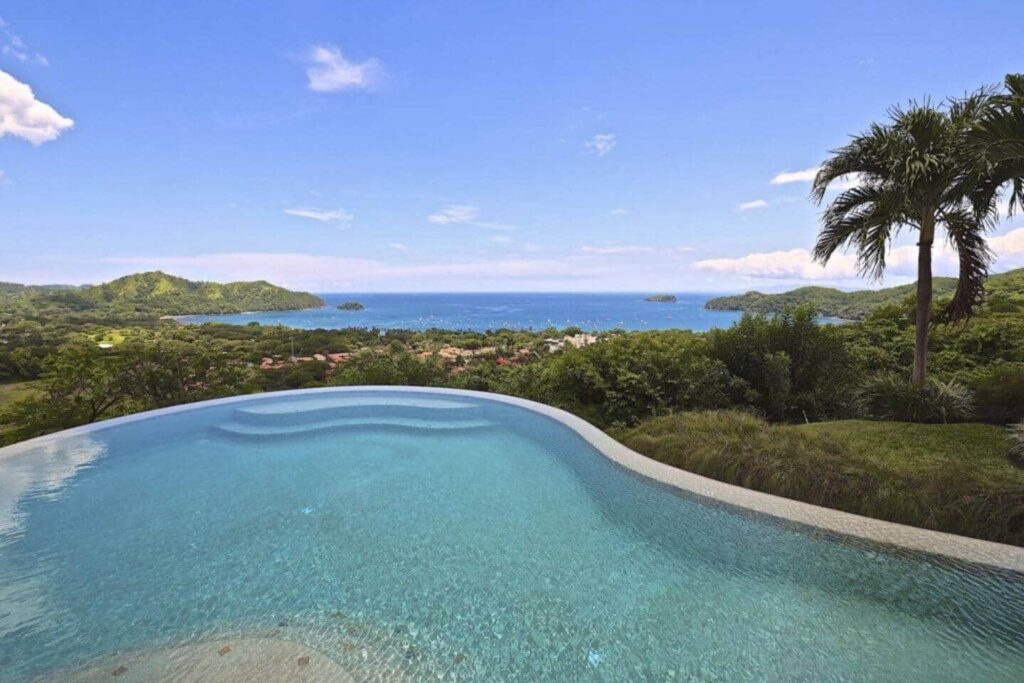
Costa Rica’s secluded rainforest villas offer an escape into nature’s beauty while embracing modern comfort. These retreats are surrounded by tropical greenery, providing privacy and tranquility. Large windows and open layouts bring the outside in, ensuring guests never miss the stunning surroundings. How often do we get to enjoy expansive ocean views while being enveloped by a lush jungle?

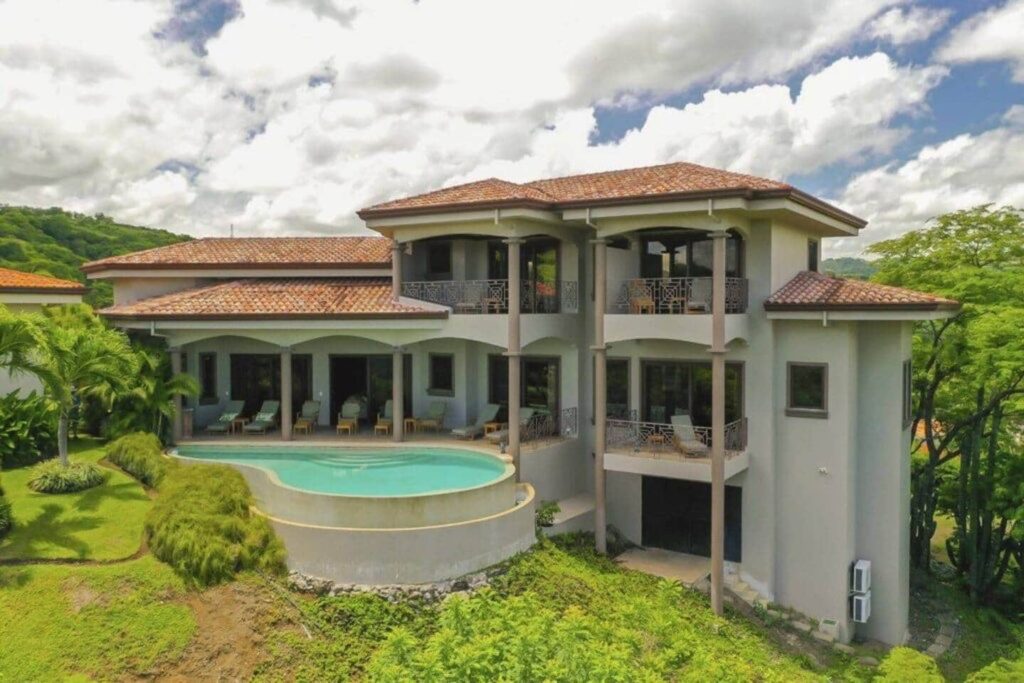
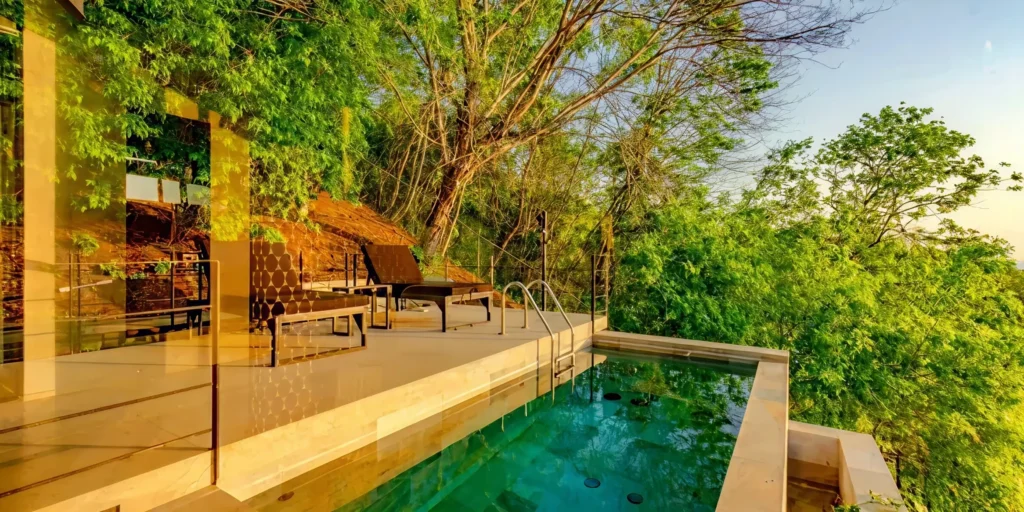
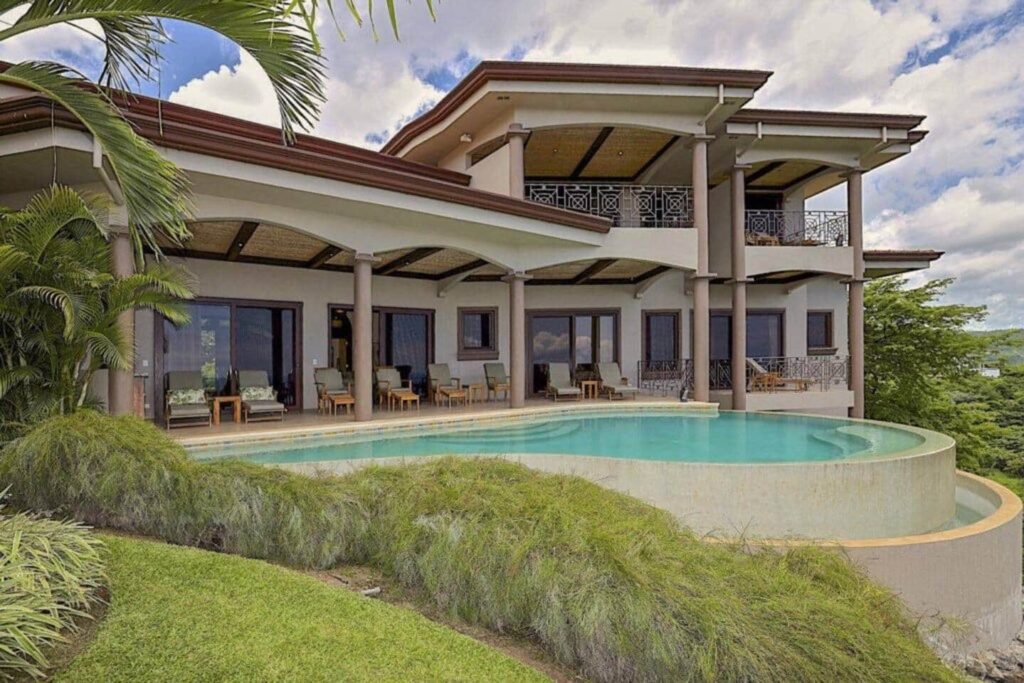
Each villa is thoughtfully designed with features like infinity pools, private terraces, and spacious interiors. Bedrooms often include en-suite bathrooms and dressing areas, creating a personalized haven within the heart of nature. These villas balance simplicity with elegance, offering an ideal setting to unwind.

We’ve noticed that these properties cater to travelers who value both relaxation and adventure. With locations close to waterfalls, beaches, and wildlife hotspots, they offer endless opportunities for exploration. Imagine starting the day with the song of exotic birds and ending it with a serene sunset over the treetops.

Luxury here doesn’t feel excessive; instead, it complements the natural surroundings. Architectural details highlight the environment, from the use of local materials to vibrant landscaping. Guests are immersed in an elevated experience that celebrates Costa Rica’s untamed beauty. What better way could there be to connect with such captivating landscapes while enjoying every modern amenity?

Top Features Of Secluded Rainforest Villas

These villas are crafted to harmonize luxury with a serene connection to nature. Offering exclusivity and comfort, they create a haven for relaxation and exploration.

Stunning Locations

Secluded rainforest villas are often placed to maximize breathtaking scenery. From lush green canopies to panoramic ocean vistas, every villa immerses guests in Costa Rica’s diverse landscapes. With over 900 miles of coastline and 1700 waterfalls, there’s no shortage of natural beauty. Can you imagine waking up to the calming sound of cascading water or the sight of rolling waves meeting the horizon?

Exclusive Privacy

Privacy is a cornerstone of these retreats. Surrounded by tropical foliage, each villa offers an environment of solitude where nature provides the perfect barrier. Private terraces and infinity pools enhance this secluded atmosphere, allowing uninterrupted moments of peace. How often do we find such a blend of personal space and open views?

Immersive Nature Experiences

These villas provide direct access to Costa Rica’s pristine environment. Picture visiting nearby waterfalls, listening to birdsongs from your terrace, or trekking through untouched rainforests. Spacious designs, large windows, and open layouts invite the outdoors in without compromising comfort. Isn’t it time we reconnected with the essence of the natural world without leaving behind modern amenities?

Best Secluded Rainforest Villas In Costa Rica

Costa Rica’s secluded rainforest villas blend modern luxury with unspoiled natural beauty. These hidden retreats offer privacy, comfort, and immersion in tropical surroundings. Which experience are you looking for—luxury, sustainability, or family-focused relaxation?

Luxury Villas

Our luxury villa selections redefine comfort in the rainforest. Each property offers spacious interiors, private pools, and panoramic views. Bedrooms often come with private terraces and large glass windows to showcase the vibrant greenery. Thoughtful designs prioritize both elegance and a seamless connection to nature. Imagine lounging by a pool overlooking lush rainforests or enjoying an open-concept living space that invites the outdoors in.

Eco-Friendly Options

Sustainability sets eco-friendly villas apart. Built with renewable materials and energy-efficient systems, these properties minimize environmental impact. Waterfall-fed pools and solar-powered energy sources create a blend of natural elements and modern living. Outdoor rain showers, bamboo finishes, and native landscaping allow guests to connect deeply with Costa Rica’s pristine environments. How important is sustainability in your travel choices?

Family-Friendly Choices

Families find comfort and adventure in rainforest villas designed with shared experiences in mind. Multiple bedrooms, open common areas, and full kitchens make these spaces ideal for groups. Many properties include kid-friendly pools and easy access to hiking trails, beaches, or wildlife tours. Parents can relax while children explore, fostering moments of connection in a safe, natural setting. What’s more important: bonding with your family or experiencing new adventures together?

Activities To Enjoy During Your Stay

Experience every aspect of Costa Rica’s beauty through a mix of adventure and relaxation. These activities offer something for everyone, from nature enthusiasts to those in search of tranquility.

Wildlife Spotting

Get a front-row seat to Costa Rica’s thriving biodiversity. Monkeys, tropical birds, and colorful butterflies frequently make appearances near the villas. Venture further to spot sloths, toucans, or rare amphibians in nearby forests. Whether you’re a casual observer or an avid wildlife photographer, there’s always something fascinating to discover.

Guided Rainforest Hikes

Explore Costa Rica’s stunning rainforests with experienced guides. Dive into trails that wind through vibrant ecosystems, revealing exotic flora and fauna. Learn about native plants, their ecological roles, and their cultural significance. These hikes are perfect for adventurers ready to immerse themselves in nature.

Relaxation and Wellness

Reinvigorate your senses with soothing wellness opportunities. Many properties offer private infinity pools for serene swims and spacious terraces for quiet reflection. Unwind with yoga or meditation, surrounded by lush greenery and the calming sounds of the rainforest. For deeper relaxation, consider indulging in a personalized spa treatment or massage.

Tips For Choosing The Perfect Villa

Finding the ideal rainforest villa in Costa Rica comes down to understanding your preferences and needs. A thoughtful approach can help you select a villa that aligns with your vision of a perfect getaway.

Budget And Amenities

Defining your budget serves as a practical starting point. Villas in Costa Rica vary widely in price, so exploring options that align with your spending plan is critical. Are you looking for premium additions like infinity pools or private chefs? Some villas feature high-end amenities, while others focus on simplicity and natural immersion. Compare options side by side to identify what enhances your stay and fits within your financial parameters.

Proximity To Attractions

Location plays an important role in curating your experience. Villas near attractions, like known waterfalls or pristine beaches, allow you to maximize your time exploring. Do you prioritize being close to hiking trails, wildlife reserves, or serene coastal spots? By mapping out nearby activities, you can determine how much commuting effort you’re willing to trade for peace and privacy.

Sustainability Commitment

For eco-conscious travelers, selecting a villa that values conservation adds depth to the experience. Many properties in Costa Rica are designed using local, renewable materials or incorporate energy-efficient systems. Does the villa you’re considering actively support sustainable practices? Staying in an eco-friendly villa allows you to enjoy luxury while respecting the environment that makes Costa Rica so extraordinary.

Conclusion

Costa Rica’s secluded rainforest villas offer an unparalleled blend of luxury, privacy, and a deep connection to nature. Whether we’re seeking adventure, relaxation, or a sustainable getaway, these retreats provide the perfect backdrop for unforgettable experiences. From breathtaking views to thoughtful amenities, every detail invites us to embrace the serenity of this tropical paradise. Let’s immerse ourselves in the beauty of Costa Rica and create memories that will last a lifetime.

Frequently Asked Questions

Why should I choose a secluded rainforest villa in Costa Rica for my stay?

Secluded rainforest villas in Costa Rica offer an ideal mix of luxury, privacy, and connection to nature. They provide breathtaking views, modern amenities like infinity pools, and easy access to nearby attractions, ensuring a tranquil yet adventurous escape.

What activities can I enjoy while staying in a Costa Rican rainforest villa?

Guests can explore waterfalls, hike through vibrant rainforests, spot wildlife like monkeys and tropical birds, or relax with wellness options like spa treatments and private pools. It’s perfect for both adventure seekers and those seeking relaxation.

Are there eco-friendly villa options available in Costa Rica?

Yes, Costa Rica features eco-friendly villas that prioritize sustainability. These villas often use renewable materials, energy-efficient systems, and environmentally conscious designs, allowing you to enjoy your stay with minimal environmental impact.

What amenities can I expect in a rainforest villa?

Rainforest villas often include spacious interiors, private infinity pools, terraces with panoramic views, modern kitchens, and open designs that merge indoor living with nature. Some even have customized options for families or couples.

How do I choose the perfect villa for my Costa Rican vacation?

Start by setting a budget and identifying your preferences, such as luxury, sustainability, or family-friendly features. Also, consider the villa’s proximity to attractions like beaches or waterfalls to maximize your experience.

Are these villas suitable for families with children?

Yes, many rainforest villas are family-friendly. They offer multiple bedrooms, shared spaces, and safe environments for children to explore, giving parents the chance to relax while staying close to nature.

What makes Costa Rican rainforest villas unique compared to other accommodations?

These villas combine modern luxury with the untouched beauty of tropical landscapes. Privacy is a key focus, with natural barriers of foliage, while panoramic views and immersive outdoor experiences make them truly special.

Can I experience wildlife while staying in a villa?

Absolutely! Many villas are surrounded by rich biodiversity, offering opportunities to spot wildlife like monkeys, toucans, and other exotic species from the comfort of your villa or on nearby guided hikes.

Are Costa Rican rainforest villas expensive?

The price of rainforest villas can vary widely depending on factors like location, size, and amenities. Budget-friendly, luxury, and eco-friendly options are available to cater to different travelers’ needs.

What’s the best time to visit Costa Rica and stay in a rainforest villa?

The dry season, from December to April, is the most popular time to visit for clear weather and outdoor adventures. However, the green season (May to November) offers lush scenery and lower accommodation rates.

Costa Rica vs El Salvador: Which Destination Wins?

Wondering which Central American destination to choose for your next adventure? Costa Rica and El Salvador offer distinct experiences that cater to different types of travelers. We’ve compared these two fascinating countries to help you make an informed decision based on what matters most to you.

Both nations boast stunning landscapes and rich cultural heritage, but they differ significantly in tourism infrastructure, safety considerations, and natural attractions. Costa Rica stands out for its established eco-tourism and biodiversity, while El Salvador surprises visitors with its volcanic terrain, surfing spots, and authentic cultural immersion opportunities. What aspects of travel do you prioritize when exploring a new country?

Torn Between Costa Rica and El Salvador? Choose Villagio Musca
Discover something unforgettable at Villagio Musca in Costa Rica. With villas in both Tamarindo and Playa Del Coco, you’ll enjoy peaceful surroundings, lush landscapes, and effortless access to adventure. These coastal hideaways blend quiet luxury with authentic local charm. Book your stay or contact us to start planning your escape.

Costa Rica vs El Salvador: A Complete Country Comparison

When comparing Costa Rica and El Salvador, it’s important to look beyond surface-level attractions. These Central American neighbors offer distinct experiences despite their geographical proximity. What aspects matter most for your travel or relocation plans? Let’s examine the key differences across multiple categories to help you make an informed decision.

Geography and Climate

Costa Rica spans 19,730 square miles with diverse ecosystems including rainforests, cloud forests, beaches, and mountains. The country sits between Nicaragua and Panama, with coastlines on both the Caribbean Sea and Pacific Ocean. Its tropical climate features a dry season (December-April) and a rainy season (May-November), with temperatures averaging 70-81°F year-round depending on elevation.

El Salvador, the smallest Central American country at 8,124 square miles, borders Guatemala and Honduras with a Pacific coastline only. The landscape includes volcanic mountain ranges, fertile valleys, and beaches. El Salvador experiences similar seasonal patterns to Costa Rica but tends to be hotter overall, with average temperatures ranging from 77-85°F in most regions.

Safety and Security

Costa Rica ranks as one of Central America’s safest countries, with relatively low violent crime rates. The Global Peace Index places Costa Rica higher than many countries in the region. Common tourist concerns include petty theft and scams rather than violent crime. Most visitors explore freely with basic precautions.

El Salvador has faced significant safety challenges historically. While the security situation has improved in recent years, the country still experiences higher crime rates than Costa Rica. Urban areas require extra vigilance, though popular tourist destinations like El Tunco and Ruta de las Flores have enhanced security measures.

Cost of Living

Living expenses in Costa Rica tend to be higher than in El Salvador. A typical monthly budget for expatriates in Costa Rica ranges from $1,500-$3,000, depending on lifestyle and location. Housing in desirable areas costs $500-$1,500 monthly for rentals. Restaurant meals average $5-15 per person.

El Salvador offers a more affordable cost structure. Expats can live comfortably on $1,000-$2,000 monthly. Rental housing typically costs $300-$800 per month, with local meals available for $3-8 per person. The adoption of Bitcoin as legal tender has created unique financial opportunities and challenges in El Salvador.

Tourism Infrastructure

Costa Rica boasts a well-developed tourism infrastructure with abundant accommodation options ranging from luxury resorts to eco-lodges. Major tourist areas feature reliable transportation networks, English-speaking services, and organized tours. The country receives over 3 million visitors annually.

El Salvador’s tourism sector is growing but remains less developed. While major destinations have adequate services, options become limited in less-visited areas. English proficiency varies widely among service providers. This creates both challenges and authentic cultural experiences for travelers seeking off-the-beaten-path adventures.

Natural Attractions

Costa Rica’s biodiversity makes it a premier ecotourism destination. The country protects approximately 25% of its land as national parks or reserves. Visitors enjoy activities like wildlife viewing, hiking through rainforests, soaking in hot springs, and exploring beaches on both coasts. Popular destinations include Manuel Antonio, Arenal, and Monteverde.

El Salvador offers distinctive natural attractions centered around its volcanic landscape. The country features crater lakes, black sand beaches, and thermal springs. The coastline provides some of Central America’s best surfing opportunities, particularly at El Tunco and El Zonte. Cerro Verde and El Imposible National Parks showcase the country’s natural beauty.

Geographic Features and Natural Beauty

Costa Rica and El Salvador present distinct geographic profiles that shape their tourism experiences. Each country’s landscapes, ecosystems, and climate contribute to their unique appeal for travelers seeking natural beauty in Central America.

Landscapes and Biodiversity

Costa Rica’s landscape encompasses remarkable ecological diversity across 51,100 square kilometers. The country contains 28 national parks, over 50 wildlife refuges, and 32 protected zones, collectively covering 25% of its territory. This conservation commitment yields exceptional biodiversity—Costa Rica houses 5% of all known species worldwide despite occupying just 0.03% of Earth’s landmass. Visitors encounter cloud forests, rainforests, dry forests, mangroves, and coral reefs in relatively short distances.

El Salvador, Central America’s smallest country at 21,041 square kilometers, features a different natural portfolio dominated by volcanic formations. Its landscape includes 25 volcanoes, with five considered active. The “Land of Volcanoes” offers striking scenery at locations like El Boquerón National Park, where travelers can hike to the crater rim of San Salvador Volcano. The country’s coastline stretches 307 kilometers along the Pacific Ocean, creating perfect conditions for world-class surf breaks at beaches like El Tunco and El Zonte.

Climate Differences

Costa Rica’s climate varies significantly by region due to its diverse topography. The country divides into two primary seasons: the dry season (December to April) and the rainy season (May to November). Temperature patterns differ based on elevation—coastal areas maintain warm temperatures year-round (75-90°F/24-32°C), while highland regions like Monteverde stay cooler (60-70°F/15-21°C). This climate diversity allows for year-round tourism with visitors choosing regions based on their weather preferences.

El Salvador experiences a tropical climate with less regional variation than Costa Rica. The country has two distinct seasons: the dry season (November to April) and the rainy season (May to October). Average temperatures remain consistently warm throughout the year, typically ranging between 77-86°F (25-30°C) in most populated areas. Coastal regions often reach higher temperatures, making them popular during the cooler months of December and January. The relatively consistent climate makes travel planning more straightforward, with the dry season generally preferred for outdoor activities.

Economic Landscape

The economic profiles of Costa Rica and El Salvador reflect their distinct development paths in Central America. These neighboring countries have pursued different economic strategies, resulting in notable differences in their industries, living standards, and tourism sectors.

Tourism Industry Comparison

Costa Rica’s tourism industry serves as the backbone of its economy, generating over $4 billion annually and employing approximately 13% of the workforce. The country has successfully marketed itself as an ecotourism paradise, attracting more than 3 million visitors yearly who come for activities like wildlife watching, canopy tours, and beach relaxation. Costa Rica’s tourism infrastructure includes international hotel chains, eco-lodges, and extensive transportation networks designed to accommodate high visitor volumes.

El Salvador’s tourism sector, while smaller, has grown steadily at 15% annually over the past five years. The country receives roughly 2.6 million visitors yearly, with the surf tourism niche experiencing particularly rapid expansion. Popular surf spots like El Tunco and El Zonte have transformed from quiet fishing villages into vibrant tourism hubs. El Salvador’s recent Bitcoin adoption has also attracted a new demographic of crypto-enthusiasts and digital nomads, creating an emerging tech-tourism segment that differentiates it from other Central American destinations.

Standard of Living and Cost Analysis

Costa Rica maintains a higher standard of living compared to El Salvador, with a GDP per capita of approximately $12,300 versus El Salvador’s $4,100. This difference is reflected in Costa Rica’s more robust middle class, higher literacy rates (97.9%), and longer life expectancy (80.3 years). Costa Rica’s Human Development Index score of 0.810 places it in the “very high human development” category, while El Salvador’s 0.675 positions it in the “medium development” range.

The cost discrepancy between these countries is substantial for both tourists and residents. In Costa Rica, a mid-range restaurant meal costs $10-15, a one-bedroom apartment in a city center averages $500-700 monthly, and basic utilities run about $70-100 monthly. El Salvador offers more affordable options with comparable meals priced at $5-8, city-center apartments available for $300-450, and utilities costing around $60 monthly.

What factors are most important to you when considering the economic environment of a potential destination? The economic differences between these countries create distinct experiences for travelers with varying budgets and priorities.

Cultural Heritage and Lifestyle

Both Costa Rica and El Salvador feature rich cultural heritages that reflect their indigenous roots, colonial history, and modern influences. These distinct cultural identities shape everyday life in both nations, creating unique experiences for visitors.

Food and Culinary Traditions

Costa Rican cuisine centers around fresh, simple ingredients with minimal spice. Gallo pinto, a traditional breakfast dish combining rice and beans, forms the cornerstone of Tico cuisine. Other popular dishes include casado (a lunch plate with rice, beans, protein, and plantains), ceviche made with fresh-caught fish, and hearty stews like olla de carne.

El Salvador’s culinary landscape revolves around corn-based dishes that date back to pre-Columbian times. Pupusas—thick cornmeal flatbreads stuffed with cheese, beans, or chicharrón—are the national dish found everywhere from street vendors to restaurants. Salvadorans also enjoy yuca con chicharrón (cassava with pork), sopa de pata (trotter soup), and various tamales wrapped in banana leaves.

Coffee culture thrives in both countries, with Costa Rica producing some of the world’s most sought-after beans. El Salvador’s coffee industry, though smaller, holds a distinguished reputation for quality, particularly its bourbon and pacamara varieties.

Arts and Festivals

Costa Rican artistic expression blends indigenous, European, and African influences. The colorfully painted oxcarts (carretas) stand as national symbols, showcasing intricate designs unique to different regions. Music traditions include folk styles like punto guanacasteco and contemporary genres incorporating Caribbean rhythms.

Annual celebrations punctuate Costa Rican life, with major events including:

  • The Palmares Festival in January featuring bullfights and concerts
  • Holy Week processions displaying elaborate religious imagery
  • Independence Day celebrations on September 15th with parades and patriotic displays

El Salvador’s artistic heritage features vibrant folk art, particularly paintings depicting rural life and historical events. The country maintains strong indigenous artistic traditions in textiles, pottery, and wood carving, especially in communities like Ilobasco and La Palma.

Salvadoran festivals blend Catholic traditions with pre-Hispanic customs:

  • Fiestas Agostinas honor the Divine Savior of the World with a week-long celebration in August
  • Day of the Dead observances feature cemetery visits and special foods
  • La Calabiuza in Tonacatepeque combines Halloween with indigenous mythology

Both countries embrace music and dance as essential cultural expressions, though El Salvador’s traditions often incorporate more indigenous elements. Have you considered how a country’s festivals might enhance your travel experience beyond typical tourist activities?

Tourism and Travel Experience

Costa Rica and El Salvador offer distinct travel experiences shaped by their natural landscapes, infrastructure, and tourism development. Each country attracts different types of travelers with unique attractions and varying levels of accessibility.

Popular Destinations in Each Country

Costa Rica’s most visited destinations reflect its commitment to ecotourism and natural beauty. Manuel Antonio National Park draws over 150,000 visitors annually with its white-sand beaches and wildlife viewing opportunities. The Arenal Volcano region captivates travelers with its hot springs, hiking trails, and the iconic cone-shaped volcano. Monteverde Cloud Forest Reserve showcases high-altitude ecosystems where visitors spot rare species like the resplendent quetzal. Coastal destinations such as Tamarindo and Santa Teresa have gained popularity for their surfing conditions and beachfront amenities.

El Salvador’s top destinations highlight its volcanic landscape and emerging surf culture. El Tunco Beach has transformed into the country’s premier surf destination, attracting wave-riders with consistent breaks and affordable accommodations. Ruta de las Flores connects five colonial towns (Juayúa, Apaneca, Ataco, Nahuizalco, and Salcoatitán) famous for weekend food festivals and coffee plantations. Lake Coatepeque, a crater lake with turquoise waters, offers swimming and water sports against a backdrop of volcanic peaks. San Salvador, the capital, serves as the cultural hub with museums, historical sites, and urban attractions like the Metropolitan Cathedral.

Safety and Infrastructure for Visitors

Costa Rica’s tourism infrastructure ranks among the most developed in Central America. The country maintains two international airports (San José and Liberia) with direct flights from major global cities. Road conditions vary significantly, with paved highways connecting major destinations and rural areas often requiring 4WD vehicles. Accommodations range from luxury eco-lodges to budget hostels, with over 600 hotels certified through the Certificate for Sustainable Tourism program. The country’s political stability and relatively low crime rates provide a comfortable environment for international visitors, though petty theft occurs in tourist areas.

El Salvador’s tourism infrastructure has improved dramatically in recent years but remains less developed than Costa Rica’s. Óscar Arnulfo Romero International Airport serves as the main gateway, with fewer direct international connections. Road quality has improved on main routes, making travel between major destinations more accessible. The accommodation sector focuses primarily on mid-range and budget options, with luxury properties concentrated in San Salvador and surf towns. Safety perceptions continue to challenge El Salvador’s tourism growth despite significant security improvements. The country’s adoption of Bitcoin as legal tender has created unique payment options for travelers, with many businesses in tourist areas accepting cryptocurrency.

Both countries offer guided tours as the safest way to explore remote areas. Costa Rica’s well-established tourism industry provides more English-speaking guides and standardized services, while El Salvador offers more authentic cultural immersion with fewer crowds at major attractions. How might your travel preferences align with these different tourism experiences?

Political Stability and Social Development

Costa Rica and El Salvador present significantly different profiles in political stability and social development. Costa Rica enjoys a long-standing democratic tradition with peaceful transitions of power, while El Salvador has faced more turbulent political challenges despite recent progress. These differences extend into their social infrastructure and development indicators.

Education and Healthcare Systems

Costa Rica’s education system stands as one of Latin America’s strongest, with a 97.9% literacy rate and mandatory schooling through age 15. The country invests approximately 7.4% of its GDP in education, resulting in high-quality public schools and universities like the Universidad de Costa Rica. Healthcare in Costa Rica operates under a universal system that covers 94% of the population, offering comprehensive care through the Caja Costarricense de Seguro Social (CCSS).

El Salvador’s education system faces greater challenges, with an 89% literacy rate and significant disparities between urban and rural areas. The country spends about 3.6% of GDP on education, with higher dropout rates affecting educational outcomes. Healthcare in El Salvador operates on a mixed public-private model, with the public system serving about 80% of the population but often struggling with resource limitations. Key hospitals include Hospital Nacional Rosales in San Salvador, though rural healthcare access remains limited.

Both countries have implemented education reforms in recent years. Costa Rica has expanded its English language programs and digital literacy initiatives, while El Salvador has focused on reducing violence in schools and implementing the “One Child, One Computer” program in select institutions.

Human Development Indicators

Costa Rica ranks 62nd globally on the Human Development Index (HDI) with a score of 0.810, placing it in the “very high human development” category. Life expectancy reaches 80.3 years—among the highest in Latin America—and income inequality, while present, remains lower than regional averages with a Gini coefficient of 48.2. The poverty rate stands at approximately 21%, with strong social programs providing safety nets for vulnerable populations.

El Salvador’s HDI ranking is 124th with a score of 0.673, placing it in the “medium human development” category. Life expectancy averages 73.3 years, while income inequality remains a significant challenge with a Gini coefficient of 38.8. The country’s poverty rate hovers around 30%, with urban areas faring better than rural regions. Recent social programs like “Comunidades Solidarias” have attempted to address these disparities.

Costa Rica’s political stability stems from its democratic traditions dating back to 1949, when it abolished its military and redirected those resources to social programs. The country has experienced peaceful power transfers between different political parties for decades. In contrast, El Salvador’s political landscape bears the scars of a 12-year civil war (1980-1992) and continues to face challenges with political polarization, though democratic institutions have strengthened since the peace accords.

What factors do you value most when considering a country’s social development? Are educational opportunities, healthcare access, or political stability more important for your travel or relocation decisions?

Conclusion

Both Costa Rica and El Salvador offer compelling yet distinctly different Central American experiences. We’ve explored how Costa Rica excels with its established eco-tourism infrastructure biodiversity and political stability while El Salvador presents authentic cultural immersion affordable travel and world-class surfing opportunities.

Your ideal destination depends on what you prioritize. Adventure seekers and nature enthusiasts might prefer Costa Rica’s diverse ecosystems and conservation efforts. Budget travelers and those seeking off-the-beaten-path experiences will find El Salvador’s emerging tourism scene appealing.

Whether you’re drawn to Costa Rica’s lush rainforests or El Salvador’s volcanic landscapes both countries reward visitors with warm hospitality rich cultural heritage and unforgettable experiences that reflect their unique national identities.

Frequently Asked Questions

Is Costa Rica or El Salvador safer for tourists?

Costa Rica is generally considered safer, ranking as one of the safest countries in Central America with lower crime rates. El Salvador has historically faced higher crime rates, though the situation has improved in recent years. Tourists should exercise standard precautions in both countries, but may experience greater peace of mind in Costa Rica, particularly in well-established tourist areas.

Which country is more affordable to visit?

El Salvador is significantly more affordable than Costa Rica. You’ll find lower prices for accommodations, food, transportation, and activities in El Salvador. Costa Rica has a higher cost of living with tourist services often priced similar to U.S. rates in popular areas. Budget travelers will find their money stretches much further in El Salvador.

Where are the best beaches for surfing?

El Salvador offers world-class surfing beaches, particularly El Tunco, which has gained international recognition in the surfing community. Costa Rica also has excellent surfing spots like Tamarindo and Jacó, but El Salvador is increasingly considered a premier surf destination with consistent waves and less crowded beaches. Both countries have surf-friendly Pacific coastlines.

Which country has better ecotourism opportunities?

Costa Rica excels in ecotourism with its 28 national parks, incredible biodiversity, and well-established conservation infrastructure. The country’s commitment to environmental protection has created exceptional opportunities for wildlife viewing, hiking, and nature experiences. While El Salvador has natural beauty, Costa Rica offers a more developed and diverse ecotourism experience.

Do I need to speak Spanish to visit these countries?

You can get by without Spanish in Costa Rica’s tourist areas, where English is widely spoken in hotels, restaurants, and tour companies. In El Salvador, English is less common outside major tourist spots, so basic Spanish phrases will significantly enhance your experience. Learning some Spanish is recommended for both countries, especially for authentic cultural immersion.

What’s the best time of year to visit?

For Costa Rica, the dry season (December to April) is most popular, offering sunny days perfect for beaches and outdoor activities. For El Salvador, November to April provides the best weather. Both countries have rainy seasons (May to November), which bring lush landscapes but potential disruptions to outdoor plans. Shoulder seasons offer fewer crowds and lower prices.

How developed is the tourism infrastructure?

Costa Rica has a highly developed tourism infrastructure with international airports, good roads, various accommodation options, and professional tour services catering to over 3 million annual visitors. El Salvador’s tourism infrastructure is developing but remains less comprehensive, with fewer luxury options and sometimes challenging transportation outside main areas.

What unique cultural experiences does each country offer?

Costa Rica offers cultural experiences centered around its “pura vida” lifestyle, coffee plantations, and vibrant festivals like Palmares. El Salvador provides authentic cultural immersion through its indigenous heritage, pupusa-making classes, coffee routes, and colorful festivals combining Catholic and indigenous traditions such as Fiestas Agostinas.

Which country has better wildlife viewing opportunities?

Costa Rica offers superior wildlife viewing with its exceptional biodiversity including sloths, monkeys, toucans, and jaguars. The country’s varied ecosystems and conservation efforts make wildlife encounters common even for casual visitors. While El Salvador has interesting wildlife, especially marine life, it can’t match Costa Rica’s diversity and accessibility of wildlife experiences.

Is it easy to travel between Costa Rica and El Salvador?

Yes, traveling between the countries is relatively straightforward. Direct flights connect San José and San Salvador in about 1-1.5 hours. Bus services also operate between the countries, though the journey takes significantly longer (12+ hours). For those with limited time, flying is recommended, while budget travelers might prefer bus options despite the longer travel time.

Costa Rica Digital Nomad Accommodations: Top Stays for 2024

Costa Rica has become a digital nomad haven, offering the perfect blend of tropical paradise and modern amenities. With its stable internet connections, stunning natural landscapes, and friendly locals, it’s no wonder remote workers are flocking to this Central American gem.

We’ve explored the best digital nomad accommodations throughout Costa Rica, from beachfront coliving spaces in Tamarindo to jungle retreats near Manuel Antonio. Looking for a place that combines work-friendly facilities with that pura vida lifestyle? Whether you need reliable Wi-Fi, coworking options, or a community of like-minded professionals, we’ll help you find the ideal spot to balance work and play in this tropical paradise.

Why Costa Rica Has Become a Digital Nomad Haven

Costa Rica’s rise as a premier destination for digital nomads stems from its perfect blend of natural beauty and modern infrastructure. The country offers an environment where remote workers can thrive professionally while enjoying an enhanced quality of life.

Stable Political Climate and Safety

Costa Rica stands out in Central America for its longstanding democratic stability. The country abolished its military in 1948, redirecting those funds toward education and healthcare. This peaceful approach has created a safe environment for international visitors and remote workers. Crime rates remain relatively low in many digital nomad hotspots like Santa Teresa, Nosara, and Tamarindo, allowing nomads to focus on their work without security concerns.

Reliable Internet and Infrastructure

High-speed internet has reached most popular destinations in Costa Rica, with fiber optic connections available in many urban and coastal areas. Average download speeds of 50-100 Mbps are common in developed areas, supporting video calls and data-intensive work. Beyond connectivity, the country features modern amenities like coworking spaces, cafés with free WiFi, and reliable electricity—essential components for remote work success.

Visa-Friendly Policies

The introduction of Costa Rica’s Digital Nomad Visa in 2021 has transformed the country’s appeal for remote workers. This visa allows stays of up to one year with the possibility of extension for another year. Visa holders enjoy benefits including:

  • Tax exemptions on income earned from foreign sources
  • Import tax exemptions for necessary work equipment
  • Driver’s license recognition from their home country
  • Simplified banking procedures

These policies eliminate common hurdles that nomads face in other destinations, making Costa Rica an administratively straightforward choice.

Affordable Cost of Living

While not the cheapest Central American country, Costa Rica offers excellent value for digital nomads from North America and Europe. Monthly expenses vary by location, with typical budgets ranging from:

Expense Category Budget Option ($) Mid-Range Option ($) Luxury Option ($)
Housing 500-700 800-1,200 1,500+
Food 300-400 500-700 800+
Transportation 100-200 300-400 500+
Internet/Utilities 100-150 150-250 300+
Entertainment 100-200 300-500 700+

These costs allow many nomads to maintain or improve their lifestyle while potentially saving money compared to expenses in their home countries.

Natural Beauty and Work-Life Balance

Costa Rica’s diverse ecosystems serve as the ultimate backdrop for a balanced remote work lifestyle. The country packs remarkable biodiversity into its compact size, with beaches, rainforests, volcanoes, and cloud forests all within a few hours’ drive. This accessibility allows digital nomads to:

  • Take morning surf sessions before logging on to work
  • Hike through rainforests on lunch breaks
  • Watch spectacular sunsets after finishing workdays
  • Explore national parks and wildlife reserves on weekends

This integration of natural experiences with daily work routines embodies the “pura vida” philosophy that attracts so many remote workers to Costa Rica.

Understanding Costa Rica’s Digital Nomad Visa

Costa Rica officially launched its Digital Nomad Visa (officially called “Rentista”) in August 2021, opening doors for remote workers looking to experience the pura vida lifestyle. This visa allows digital professionals to legally stay in the country for up to a year with the option to extend for an additional year.

Eligibility Requirements

The Digital Nomad Visa in Costa Rica comes with specific eligibility criteria that applicants must meet:

  • Income verification: Proof of a stable monthly income of at least $3,000 for individuals or $4,000 for families
  • Remote work status: Documentation showing employment or self-employment with companies outside Costa Rica
  • Health insurance: Valid international health coverage for the entire stay
  • Background check: Clean criminal record with documentation from your home country
  • Application fee: Payment of approximately $100 USD processing fee

Many digital nomads find these requirements straightforward compared to other countries’ visa processes. The income threshold ensures you can support yourself while contributing to the local economy.

Application Process

Applying for Costa Rica’s Digital Nomad Visa involves several clear steps:

  1. Gather required documents – Collect proof of income, employment verification, health insurance, and passport
  2. Document authentication – Authenticate documents through apostille or consular certification
  3. Online application – Submit your application through the official government portal
  4. Pay the fee – Complete payment of the application processing fee
  5. Biometric appointment – Schedule and attend an appointment for fingerprinting and photos
  6. Approval and issuance – Receive your visa, typically within 2-3 weeks of completing all steps

The entire process can take 30-45 days from submission to approval. Have you considered which documents might require translation into Spanish? Official documents typically need certified Spanish translations.

Benefits for Digital Nomads

Costa Rica’s Digital Nomad Visa offers several advantages that make it particularly attractive:

  • Tax exemptions: Income earned from foreign sources isn’t subject to Costa Rican taxation
  • Vehicle import privilege: One-time import of a vehicle without paying import taxes
  • Driver’s license validity: Use your home country’s driver’s license for the duration of your stay
  • Bank account access: Easier procedures for opening local bank accounts
  • Family inclusion: The ability to bring dependents under the same visa status

These benefits create a supportive framework for digital professionals seeking a productive work environment while enjoying Costa Rica’s natural beauty. The tax exemptions alone represent significant savings for many remote workers.

Limitations and Considerations

While the visa offers many advantages, there are important limitations to keep in mind:

  • No local employment: The visa doesn’t permit working for Costa Rican companies
  • Renewal requirements: Visa holders must prove they spent at least 180 days in Costa Rica to qualify for renewal
  • Healthcare options: While private insurance is required, understanding how to access healthcare services remains important
  • Banking challenges: Despite easier procedures, some nomads report difficulties with certain financial services
  • Internet reliability: Connection quality varies by location, affecting work capabilities in some areas

Understanding these limitations helps digital nomads plan effectively for their Costa Rican experience. Have you thought about which regions offer the most reliable infrastructure for your work needs?

Best Regions for Digital Nomad Accommodations in Costa Rica

Costa Rica offers diverse regions for digital nomads, each with distinct advantages and lifestyle opportunities. From urban connectivity to beachfront living or rainforest retreats, the perfect accommodation awaits based on your work style and personal preferences.

San José and Central Valley Options

The Central Valley region surrounding San José provides digital nomads with modern infrastructure and excellent connectivity. In San José, you’ll find upscale apartments in Escazú and Santa Ana that feature high-speed fiber internet, 24/7 security, and amenities like pools and gyms. Many buildings offer co-working spaces within the complex, making them perfect for remote professionals.

Heredia and Alajuela offer more affordable options with a suburban feel while maintaining proximity to city conveniences. These areas boast reliable internet speeds averaging 50-100 Mbps and stable power supplies uncommon in more remote regions. The Central Valley’s year-round moderate climate (65-80°F) eliminates the need for air conditioning, reducing living costs compared to coastal areas.

Digital nomads appreciate the Central Valley for its accessibility to essential services. Medical facilities, shopping centers, and international restaurants are within a 20-minute drive from most accommodations. Monthly rental prices range from $500 for modest apartments to $1,500 for luxury condos with premium amenities.

Pacific Coast Retreats

The Pacific coastline houses Costa Rica’s most popular digital nomad communities with excellent accommodation options. Tamarindo in Guanacaste province offers everything from boutique hotels to long-term apartment rentals, with most properties featuring strong WiFi and dedicated workspaces. This surf town balances work and play with numerous cafés doubling as co-working spaces.

Santa Teresa and Nosara have transformed into digital nomad hotspots with purpose-built coliving spaces. These communities offer private rooms with shared common areas, dedicated work facilities, and built-in social connections. Weekly rates typically range from $350-800 depending on amenities, making them cost-effective for nomads staying several weeks.

Manuel Antonio and Jacó provide more developed infrastructure while maintaining beach proximity. These areas feature reliable internet connections and contemporary living spaces with ocean views. Many accommodations include weekly cleaning services and property management that understands remote workers’ needs.

How important is beach access to your daily routine? Pacific coast options vary from beachfront properties where you can surf during lunch breaks to hillside accommodations with panoramic ocean views and cooler temperatures.

Caribbean Side Stays

The Caribbean coast presents a different vibe and living experience for digital nomads seeking authentic cultural immersion. Puerto Viejo offers colorful cabinas and beachfront bungalows with distinctly Caribbean architecture. Though historically challenged by connectivity issues, many accommodations now feature upgraded internet infrastructure with backup systems for power outages.

Cahuita and Manzanillo provide quieter alternatives with jungle-meets-sea settings. These areas feature eco-lodges and wooden houses available for monthly rentals at lower prices than Pacific equivalents. Monthly accommodations typically range from $600-1,200, offering great value for those who don’t require constant high-speed connections.

The Caribbean region’s accommodation styles emphasize open-air living and natural ventilation. Many properties include outdoor workspaces on covered porches where you can work amid tropical gardens. The lush surroundings provide a serene backdrop for creative professionals seeking inspiration.

What type of work environment helps you thrive? Caribbean accommodations offer an immersive nature experience with the sound of howler monkeys and tropical birds as your work soundtrack, perfect for those who find nature conducive to productivity.

Types of Digital Nomad Accommodations in Costa Rica

Costa Rica offers diverse accommodation options tailored to digital nomads’ unique needs. From community-focused spaces to private rentals, these accommodations combine work functionality with the country’s natural beauty and relaxed lifestyle.

Co-living Spaces and Nomad Communities

Co-living spaces represent the fastest-growing accommodation category for digital nomads in Costa Rica. These purpose-built environments combine private sleeping quarters with shared workspaces and community areas, creating an ideal balance of productivity and connection. Popular locations like Selina in Santa Teresa and Nomad Life in Playa Hermosa offer high-speed internet, ergonomic workstations, and scheduled community events.

The social aspect of co-living spaces makes them particularly valuable for solo travelers. Regular community dinners, skill-sharing workshops, and group excursions help newcomers integrate quickly into the local nomad scene. Many spaces operate on flexible booking terms—weekly and monthly rates typically offer significant discounts compared to nightly stays.

Cost-wise, co-living accommodations range from $600-1,500 monthly depending on location, amenities, and whether you choose a private room or shared dormitory. Most include utilities, cleaning services, and workspace access in their rates, simplifying budgeting for long-term stays.

Long-term Apartment Rentals

For digital nomads planning extended stays in Costa Rica, long-term apartment rentals provide greater privacy and often better value. Monthly rentals in neighborhoods like Escazú in San José or Playa Langosta near Tamarindo start around $700 for basic accommodations and reach $2,000+ for luxury options with ocean views or premium amenities.

The rental market operates differently than in North America or Europe. Many landlords prefer direct negotiations rather than formal lease agreements, especially for periods under six months. Local Facebook groups and community bulletin boards often feature listings not available on international platforms, offering better pricing and more authentic housing options.

When considering long-term rentals, internet reliability varies significantly between properties. We recommend testing speeds before committing and confirming whether backup power solutions exist, as brief outages can occur in some regions during rainy season. Properties managed by owners familiar with digital nomads typically feature upgraded WiFi systems and dedicated workspaces.

Boutique Hotels with Remote Work Amenities

The rise of digital nomadism has transformed Costa Rica’s boutique hotel scene, with many properties now featuring dedicated workspaces, reliable internet, and flexible long-stay packages. These accommodations bridge the gap between vacation and work environments, offering professional amenities alongside relaxation options.

Hotels like those in Manuel Antonio and Monteverde now include ergonomic desks, multiple charging stations, and common areas designed for focused work. Many offer weekly rates 30-40% lower than their nightly prices, making them competitive options for shorter-term digital nomads or those exploring different regions before settling.

The primary advantage of work-friendly boutique hotels is their full-service approach. Having daily housekeeping, on-site dining, and staff assistance removes logistical concerns that might otherwise interrupt work productivity. Many have also developed co-working areas where guests can collaborate with fellow digital professionals while maintaining the comfort and amenities of hotel accommodation.

Have you considered which type of accommodation might best suit your working style? Your choice ultimately depends on whether you value community connections, complete privacy, or service-oriented environments as you balance work with exploring Costa Rica’s natural wonders.

What to Look for in Digital Nomad Housing

Finding the perfect accommodation as a digital nomad in Costa Rica requires consideration of several key factors. Your living space serves as both home and office, making certain features non-negotiable for a productive and enjoyable stay.

Internet Reliability and Speeds

Internet connectivity forms the backbone of any digital nomad’s workspace in Costa Rica. Fast, reliable internet access with speeds of at least 25 Mbps allows for smooth video calls and efficient file transfers. Many popular nomad destinations like San José and Tamarindo offer fiber optic connections with speeds up to 100 Mbps, while more remote locations might provide 10-15 Mbps through wireless ISPs. Before booking accommodation, ask hosts for recent speed test results or check coverage maps from major providers like Kolbi, Movistar, or Claro. Properties with backup internet solutions, such as mobile hotspot capabilities or secondary connections, provide essential redundancy for deadline-critical work.

Workspace Considerations

A comfortable, dedicated workspace transforms any accommodation into a productive environment. Look for properties featuring ergonomic chairs, proper desk space (at least 30 inches wide), and adequate lighting to prevent eye strain during long work sessions. Noise levels significantly impact concentration, so consider whether the property offers soundproofing or quiet areas away from street noise or construction. Many digital nomad-friendly accommodations now include designated work zones with power outlets, USB ports, and even backup generators for areas with occasional power fluctuations. How does your body respond to different seating arrangements throughout a full workday? Testing comfort before committing to a long-term stay can save weeks of discomfort.

Proximity to Amenities and Activities

Location balance supports both productivity and work-life integration in Costa Rica. Staying within walking distance (5-15 minutes) of essential amenities like grocery stores, pharmacies, and restaurants reduces time spent on daily logistics. Access to coworking spaces provides alternative work environments when you need a change of scenery or for important meetings with better infrastructure. Many digital nomads choose accommodations near beaches in Tamarindo or hiking trails in Monteverde to enjoy quick breaks that refresh creativity. Properties within safe, walkable neighborhoods with nearby transportation options expand your exploration radius without requiring a rental car. Locations that blend convenience with natural surroundings let you fully embrace Costa Rica’s appeal while maintaining professional responsibilities.

Cost of Living and Accommodation Budgeting

Costa Rica offers digital nomads a varied cost profile that changes dramatically based on location, accommodation type, and lifestyle choices. Understanding these variables helps you create a realistic budget for your stay in this tropical paradise. How much should you allocate for your digital nomad adventure in Costa Rica?

Monthly Budget Breakdown

Monthly expenses for digital nomads in Costa Rica range from $1,500 to $3,000+ depending on lifestyle choices and location preferences. Here’s a comprehensive breakdown of typical monthly costs:

Expense Category Budget ($) Mid-Range ($) Luxury ($)
Accommodation 500-800 800-1,500 1,500-3,000+
Food & Dining 300-500 500-800 800-1,200
Transportation 100-200 200-400 400-600
Internet/Utilities 100-150 150-200 200-300
Entertainment 100-200 200-400 400-800
Health Insurance 50-100 100-150 150-300
Miscellaneous 100-200 200-300 300-500

Accommodation represents the largest expense for most digital nomads. Beach areas like Tamarindo and Santa Teresa command premium prices, while inland locations offer more affordable options. Co-living spaces typically range from $600-1,200 monthly, providing amenities like workspace, internet, and community events within that price.

Food costs vary based on your dining habits. Cooking at home using local produce from farmers’ markets (ferias) costs $300-500 monthly, while regular restaurant dining pushes expenses toward $800+ per month. Local sodas (small family restaurants) offer delicious meals for $5-7, while international restaurants in tourist areas charge $15-30 per meal.

Location-Specific Cost Variations

The cost of living differs significantly across Costa Rica’s regions:

San José and Central Valley areas offer a mix of affordability and amenities, with one-bedroom apartments in safe neighborhoods averaging $500-800 monthly. The urban setting provides access to modern conveniences while maintaining lower prices than coastal destinations.

Pacific Coast towns like Tamarindo, Nosara, and Santa Teresa command the highest prices, with comparable accommodations starting at $800-1,200 monthly. The premium reflects proximity to beaches, surfing spots, and established digital nomad communities.

Caribbean coast locations like Puerto Viejo present more affordable options, with monthly rentals starting around $400-700, though with more basic amenities and less reliable internet infrastructure.

Rural and less touristy areas offer the lowest costs but may lack the infrastructure and community many digital nomads seek. These locations suit those prioritizing nature immersion and budget-consciousness over convenience.

Saving Tips for Budget-Conscious Nomads

Extend your Costa Rican experience with these practical money-saving strategies:

  1. Negotiate long-term stays – Many property owners offer 20-40% discounts for bookings of 1+ months, especially during green season (May-November)
  2. Cook with local ingredients – Shop at weekly farmers’ markets for fresh produce at fraction of supermarket prices
  3. Choose accommodation with kitchen facilities – Save $300-500 monthly by preparing most meals at home
  4. Travel during green season – Find accommodation discounts of 30-50% during the rainier months
  5. Use public transportation – Local buses cost $1-3 per trip compared to $10-30 for taxis
  6. Join digital nomad communities – Access insider tips on deals and potentially share expenses with others

Many experienced nomads alternate between budget and mid-range options, treating themselves occasionally while maintaining financial sustainability for long-term travel.

Understanding Hidden Costs

Several unexpected expenses often surprise first-time visitors to Costa Rica:

Tourism tax on accommodations adds 13% to listed prices for short-term stays. However, monthly rentals frequently include these taxes in the quoted price. Always confirm whether taxes are included when booking.

Electricity costs more in Costa Rica than in many countries, averaging $0.16-0.20 per kWh. Air conditioning usage can add $100-200 monthly to your budget in hotter coastal areas.

Transportation expenses accumulate quickly when relying on taxis or rental cars. The public bus system offers extensive coverage at minimal cost ($1-3 per trip), though with less convenience.

Import taxes make electronics, specialty foods, and imported goods significantly more expensive than in North America or Europe. Bringing essential equipment with you saves substantial money.

Banking fees, including ATM withdrawal charges and foreign transaction fees, add up over time. Opening a local bank account (possible with a Digital Nomad Visa) eliminates many of these costs.

Understanding these hidden costs helps prevent budget surprises and allows for more accurate financial planning during your Costa Rican digital nomad experience.

Seasonal Considerations When Booking Accommodations

Costa Rica’s weather patterns significantly impact accommodation availability and pricing throughout the year. Understanding these seasonal variations helps digital nomads secure ideal living arrangements that match both their budget and comfort preferences.

High Season vs. Low Season Rates

High season in Costa Rica runs from December to April, coinciding with the dry season. During these months, accommodation rates increase by 30-50% compared to low season prices. A one-bedroom apartment that costs $800 monthly during green season might jump to $1,200 or more during peak months. Popular digital nomad destinations like Santa Teresa and Tamarindo experience the most dramatic price fluctuations.

Low season (May to November) offers substantial savings for budget-conscious nomads. Many property owners provide discounted monthly rates during this period to maintain occupancy. How much could you save by planning your stay during these months? Many digital nomads report saving $300-500 monthly on comparable accommodations by avoiding high season.

Weather Patterns and Their Impact on Comfort

Costa Rica’s weather varies dramatically by region and season. The Pacific coast experiences a distinct dry season (December-April) with minimal rainfall and intense sunshine. During this period, properties with air conditioning, proper ventilation, and shade become essential for comfortable working conditions.

The rainy season (May-November) brings afternoon showers to most regions, with September and October seeing the heaviest rainfall. Caribbean coast areas like Puerto Viejo follow different patterns, with drier periods in September and October when the Pacific side experiences peak rainfall. When booking during green season, look for:

  • Properties with covered outdoor spaces for enjoying tropical surroundings
  • Good WiFi backup systems to handle potential weather-related outages
  • Dehumidifiers in accommodations to protect electronics
  • Natural ventilation to manage humidity without constant air conditioning

Booking Timeline Recommendations

Securing ideal accommodations requires planning ahead, especially for specific seasons. For high season stays (December-April), book 3-4 months in advance to access the full range of quality options. Premium properties in popular digital nomad hubs like Nosara and Manuel Antonio often fill up 6 months ahead for the Christmas/New Year period.

During low season, booking 1-2 months ahead typically suffices, with more flexibility for last-minute arrangements. Many property owners offer substantial discounts (15-30%) for bookings of 3+ months, making advance planning financially beneficial regardless of season.

Special Events and Holidays to Consider

Local festivals, holidays, and international events can dramatically affect accommodation availability in specific regions. Key periods to watch include:

  • Christmas and New Year weeks: Prices often double, with minimum stay requirements
  • Easter week (Semana Santa): A major holiday when locals travel extensively
  • Regional festivals like the Envision Festival in Uvita (February/March)
  • International surfing competitions in beach towns like Tamarindo and Jacó

What’s your ideal work-life balance during these bustling periods? Some digital nomads enjoy the energy of festival seasons, while others prefer to avoid the crowds and higher prices by relocating to quieter areas during peak events.

Location-Specific Seasonal Considerations

Different regions of Costa Rica experience varying seasonal effects:

Central Valley (San José, Escazú):

  • More consistent temperatures year-round (70-80°F)
  • Less dramatic seasonal price fluctuations (10-20%)
  • Minimal tourism impact on accommodation availability

Pacific Coast (Tamarindo, Santa Teresa, Manuel Antonio):

  • Dramatic dry/wet season differences
  • 30-50% price variations between seasons
  • High competition for quality accommodations during peak months

Caribbean Coast (Puerto Viejo, Cahuita):

  • Distinct rainfall patterns (drier in September/October)
  • Fewer digital nomad-specific accommodations
  • Less extreme seasonal price variations

By aligning your stay with favorable seasonal conditions in your preferred region, you’ll maximize both comfort and value during your Costa Rica digital nomad experience.

Tips for Negotiating Long-Term Stays

Understanding the Value of Extended Bookings

Property owners in Costa Rica appreciate long-term renters who reduce turnover costs and provide steady income. This creates perfect leverage for negotiating better rates. When booking accommodations for 30+ days, you’ll typically secure discounts of 20-40% off standard nightly rates. Monthly stays in Tamarindo or Santa Teresa that normally cost $3,000 at daily rates often drop to $1,800-$2,400 when booked long-term. Property managers factor in reduced cleaning requirements, guaranteed occupancy, and lower marketing expenses when offering these discounts.

Effective Communication Strategies

Clear communication establishes the foundation for successful negotiations. Begin conversations by highlighting your reliability as a tenant – mention your work-from-home status, reasonable noise levels, and cleanliness habits. Frame your extended stay as a benefit rather than just asking for discounts. Use phrases like “I’m looking for a place to settle for three months and take care of as if it were my own” rather than “What’s your best price?” Communicate through email first to outline your needs before moving to calls or video chats, which helps build rapport while maintaining a record of agreements.

Timing Your Negotiations

Timing significantly impacts your negotiating power in Costa Rica’s rental market. Low season (May-November) presents the best opportunity for substantial discounts, with some properties reducing rates by up to 50% compared to high season. Property owners feel increased pressure to fill vacancies during these rainy months. Consider reaching out 4-6 weeks before your intended arrival during low season, when owners start worrying about empty units. For high season stays, begin negotiations 3-4 months in advance when owners still have flexibility before bookings fill up.

Requesting Specific Concessions

Beyond price reductions, smart negotiators ask for value-added concessions that improve their stay without costing owners much. Request included utilities for stays longer than 60 days, as this simplifies payments for both parties. Ask for twice-monthly cleaning services instead of weekly to reduce costs while maintaining comfort. Internet upgrades represent another valuable concession – owners can often boost speeds from basic 15 Mbps to 50+ Mbps for a nominal fee that pays dividends for your remote work efficiency. Some properties might include welcome packages with groceries or airport transfers for truly extended commitments.

Creating Win-Win Proposals

The most successful negotiations result in both parties feeling satisfied. Offer incentives that benefit property owners while securing your discounts. Propose paying 2-3 months upfront in exchange for a 25-30% rate reduction, providing owners with immediate cash flow. Consider shoulder season stays (May/June or November/December) when you can bridge gap periods between high-season bookings. Flexible arrival and departure dates that accommodate the owner’s existing reservation schedule can earn you significant goodwill and corresponding discounts. Some digital nomads successfully negotiate by offering professional services like website updates or social media content in exchange for reduced rates.

Formalizing Your Agreement

Once you’ve reached a verbal agreement, document everything in writing. Request a detailed contract that specifies the discounted rate, payment schedule, included utilities, maintenance responsibilities, and cancellation policies. Pay special attention to internet reliability guarantees and backup solutions, which prove essential for remote work in Costa Rica. Clarify security deposit terms and the condition assessment process to avoid misunderstandings at checkout. Review local regulations regarding long-term stays, as some areas have different rules for rentals exceeding 30 days that might affect your agreement.

Conclusion

Costa Rica stands as an ideal destination for digital nomads seeking the perfect balance between productivity and paradise. With options ranging from urban apartments to beachfront coliving spaces and jungle retreats we’ve explored how this Central American gem offers accommodations for every preference and budget.

The Digital Nomad Visa has made staying longer both easier and more advantageous while understanding seasonal pricing fluctuations and negotiation strategies can lead to significant savings. Whether you’re drawn to the connectivity of the Central Valley or the laid-back vibe of coastal communities Costa Rica delivers on both work necessities and lifestyle opportunities.

Ready your laptop and prepare for adventure. The pura vida lifestyle awaits with reliable internet ergonomic workspaces and natural beauty right outside your door. Your productive paradise in Costa Rica is just a booking away.

Frequently Asked Questions

Why has Costa Rica become popular among digital nomads?

Costa Rica blends natural beauty with modern infrastructure, offering reliable internet, welcoming locals, and diverse accommodations. Its stable political climate and low crime rates provide security, while high-speed internet and coworking spaces support productivity. The introduction of the Digital Nomad Visa in 2021 has made it easier for remote workers to legally stay in the country for up to a year with tax exemptions.

What does the Costa Rica Digital Nomad Visa offer?

The Digital Nomad Visa allows remote workers to legally stay in Costa Rica for up to a year with possible extension. Benefits include tax exemptions on foreign income, vehicle import privileges, and easier access to local banking. Eligibility requirements include proof of income, remote work status, health insurance, and a clean criminal record. The application process typically takes 30-45 days.

Which regions in Costa Rica are best for digital nomads?

The Central Valley (San José area) offers modern infrastructure and excellent connectivity. The Pacific Coast, including Tamarindo, Santa Teresa, and Nosara, features vibrant digital nomad communities and purpose-built coliving spaces. The Caribbean coast provides a laid-back atmosphere with unique accommodations emphasizing open-air living and cultural immersion. Each region offers distinct lifestyle experiences.

What types of accommodations are available for digital nomads?

Options include co-living spaces like Selina that foster community, long-term apartment rentals offering privacy and value, and boutique hotels with remote work amenities. Co-living spaces emphasize networking, apartments provide autonomy (especially in areas like Escazú), and work-friendly hotels offer professional amenities without long-term commitments. Your choice depends on preferences for community, privacy, or service.

What should I look for in digital nomad housing in Costa Rica?

Prioritize reliable internet (at least 25 Mbps) with backup solutions, comfortable workspaces with ergonomic furniture and good lighting, and convenient locations near essential services and recreational activities. The ideal accommodation balances professional needs with access to Costa Rica’s natural wonders, supporting a productive yet enjoyable lifestyle.

How much does it cost to live as a digital nomad in Costa Rica?

Monthly expenses range from $1,500 to $3,000+ depending on lifestyle and location. Accommodation is typically the largest expense, especially in popular beach areas. Urban areas like San José are more affordable than coastal towns. Save money by negotiating long-term stays, cooking with local ingredients, and using public transportation. Be aware of hidden costs like tourism taxes and banking fees.

When is the best time to book accommodations in Costa Rica?

The high season (December-April) requires booking 3-4 months ahead, with prices 30-50% higher. The low season (May-November) offers substantial savings with only 1-2 months advance booking needed. Consider local festivals and holidays that affect availability. Timing your visit strategically can maximize comfort and value during your stay.

How can I negotiate better rates for long-term stays?

Negotiate during low season for discounts of 20-40% off standard rates. Communicate directly with property owners, emphasizing the benefits of long-term occupancy. Request specific concessions like included utilities or internet upgrades. Create win-win proposals and always formalize agreements in writing. Effective negotiation can significantly enhance your accommodations and overall experience in Costa Rica.

Costa Rica Villas with Private Chefs: Ultimate Luxury Stay

Escaping to Costa Rica’s luxury villas offers more than just stunning views and private pools—it’s about creating unforgettable culinary experiences without lifting a finger. We’ve discovered that having a private chef transforms a vacation from ordinary to extraordinary, especially in sumptuous properties featuring infinity pools and private terraces.

Imagine waking up to the aroma of freshly prepared local cuisine, tailored exactly to your preferences and dietary needs. Costa Rican luxury shines brightest when every detail has been thoughtfully designed, from the architecture of your villa to the carefully crafted menu waiting for you after a day of exploration. What could be more relaxing than enjoying gourmet meals while taking in tropical sunset views from your own private space?

The Ultimate Luxury: Costa Rica Villas With Private Chefs

Costa Rica’s most exclusive villas offer more than just stunning accommodations—they provide complete luxury experiences through private chef services. These sumptuous properties, featuring main villas with 2 independent suite villas, infinity pools, and private terraces, become even more extraordinary when paired with personalized culinary expertise.

Private chefs transform your Costa Rican getaway by bringing local flavors directly to your dining table. They craft custom menus based on your dietary preferences, creating memorable dining experiences without you leaving the comfort of your villa. How wonderful is it to wake up to the aroma of freshly brewed Costa Rican coffee and a gourmet breakfast prepared just for you?

The combination of breathtaking views and exceptional cuisine creates an unparalleled vacation experience. Your private chef handles everything from grocery shopping to meal preparation and cleanup, allowing you to focus entirely on relaxation. Have you considered how much more time you’ll have to enjoy Costa Rica’s natural beauty when you’re freed from restaurant reservations and cooking duties?

Costa Rican private chefs excel at showcasing local ingredients in both traditional and innovative dishes. From farm-fresh produce to just-caught seafood, they highlight the country’s remarkable biodiversity through their culinary creations. Each meal becomes an opportunity to explore Costa Rica’s rich cultural heritage through its distinctive flavors and cooking techniques.

This premium service adds significant value to your luxury villa experience. While staying in a property with infinity pools and private terraces provides physical comfort, having a private chef delivers emotional satisfaction through carefully prepared, personalized meals that often become vacation highlights for many travelers.

Why Choose a Villa With a Private Chef in Costa Rica

A private chef transforms your Costa Rica villa stay from excellent to extraordinary. This premium service combines personalized culinary experiences with the relaxed atmosphere of your vacation home, creating unforgettable memories centered around food and togetherness.

The Convenience Factor

Private chef services eliminate the stress of meal planning during your vacation. You’ll save precious time that would otherwise be spent researching restaurants, making reservations, arranging transportation, and waiting for tables. Your chef handles everything—from grocery shopping and meal preparation to serving and cleanup—giving you more hours to enjoy Costa Rica’s beaches, rainforests, and wildlife.

This convenience extends beyond time savings. With a private chef, you can:

  • Eat whenever you prefer, not according to restaurant schedules
  • Enjoy multiple dietary preferences catered for in a single meal
  • Dine in comfortable clothes without dress codes
  • Savor sunset views from your villa while being served dinner
  • Avoid driving after evening cocktails or wine with dinner

The value becomes even more apparent for families with young children who can eat at their normal times without the challenges of restaurant dining with kids.

Experiencing Local Cuisine Authentically

Costa Rican cuisine offers a vibrant tapestry of flavors that private chefs showcase in their most authentic form. Your chef connects you directly to local food culture, preparing traditional dishes like gallo pinto, casado, and ceviche with techniques passed down through generations.

Many villa chefs maintain relationships with local fishermen and farmers, sourcing ingredients you won’t find in typical tourist establishments:

  • Just-caught snapper and mahi-mahi from nearby fishing villages
  • Tropical fruits harvested at peak ripeness from small farms
  • Indigenous herbs and spices used in traditional cooking
  • Locally produced cheeses, chocolates, and coffee

Your chef can explain the cultural significance of each dish, ingredient, and preparation method, turning meals into educational experiences. This direct connection to Costa Rican culinary traditions offers insights that restaurant dining rarely provides.

Would you like to participate in your culinary experience? Many chefs welcome guests into the kitchen for impromptu cooking lessons, teaching you to recreate favorite dishes when you return home.

Top Regions in Costa Rica for Luxury Villa Rentals

Costa Rica offers diverse regions where luxury villa rentals with private chef services flourish. Each area presents its own unique landscape, attractions, and villa options for discerning travelers seeking premium accommodations.

Guanacaste and the Pacific Coast

Guanacaste’s golden beaches and year-round sunshine make it Costa Rica’s premier luxury villa destination. This northwestern region boasts numerous high-end properties featuring infinity pools overlooking the Pacific Ocean. Popular beach towns like Tamarindo, Flamingo, and Playa Conchal offer exceptional villa options with spacious outdoor living areas perfect for chef-prepared sunset dinners. Many Guanacaste villas include multiple bedroom suites, separate guest houses, and direct beach access—ideal for extended families or groups traveling together.

The dry climate from December through April attracts travelers seeking reliable sunshine, while proximity to Daniel Oduber International Airport in Liberia provides convenient access. Local chefs in this region excel at preparing fresh seafood caught daily by local fishermen, often incorporating tropical fruits grown nearby.

Manuel Antonio and Central Pacific

Manuel Antonio combines rainforest luxury with stunning ocean views just minutes from the country’s most visited national park. Luxury villas in this region typically perch on hillsides with panoramic Pacific vistas, creating dramatic backdrops for chef-prepared meals. The area’s lush surroundings attract wildlife like monkeys and sloths that often visit villa gardens, providing natural entertainment during outdoor dining experiences.

The Central Pacific region offers easier access from San José international airport (2-3 hour drive) compared to more remote destinations. Villas here range from intimate 2-bedroom retreats to expansive 8-bedroom estates with multiple terraces and infinity pools. Local chefs craft menus featuring the region’s abundant seafood, tropical fruits, and organic vegetables from nearby farms.

Arenal and the Northern Zone

Arenal’s volcano views and thermal hot springs create a distinctive setting for luxury villa rentals in Costa Rica’s northern interior. Unlike coastal properties, Arenal villas showcase mountain landscapes, cooler temperatures, and lush vegetation. Many feature private hot springs or heated pools ideal for evening relaxation after chef-prepared dinners.

The Northern Zone attracts adventure-seeking travelers who appreciate returning to comfortable accommodations after zip-lining, hiking, or white-water rafting excursions. Private chefs in this region often incorporate fresh mountain ingredients like coffee, chocolate, and dairy products from local farms. The area’s distance from major tourist centers creates a more authentic Costa Rican experience, with chefs typically having deep connections to traditional cooking methods and regional specialties.

Have you considered which Costa Rican region might best match your vacation style? What landscapes would you prefer as the backdrop for your private chef dining experiences?

What to Expect From Your Villa’s Private Chef

Private chefs in Costa Rica’s luxury villas offer more than just meals—they create complete culinary experiences tailored to your stay. These professionals transform every dining occasion into a memorable event while showcasing the rich flavors of Costa Rican cuisine.

Customized Menu Planning

Costa Rican villa chefs excel at crafting personalized menus that elevate your vacation experience. Before your arrival, many chefs connect with you to discuss meal preferences, creating a dining plan that matches your tastes. They’ll suggest local specialties featuring fresh seafood, tropical fruits, and traditional Costa Rican dishes while accommodating your specific requests.

These culinary experts balance introducing you to new flavors with providing comfort foods you love. Your chef might prepare a casual beach-inspired lunch for poolside dining one day and an elegant multi-course dinner with wine pairings the next. The flexibility extends to meal timing as well—eat whenever suits your schedule rather than adhering to restaurant hours.

Daily menu discussions allow you to adjust your dining plans based on activities, appetite, and cravings. Did you catch fish during your deep-sea excursion? Your chef can prepare it for dinner. Craving something light after a day of hiking? They’ll adapt accordingly, ensuring each meal complements your vacation rhythm.

Dietary Accommodations and Preferences

Costa Rica’s villa chefs are well-versed in handling various dietary requirements with creativity and care. Whether you’re gluten-free, dairy-free, vegetarian, vegan, or have food allergies, your chef will prepare delicious alternatives without compromising on flavor or presentation.

These professionals take dietary restrictions seriously, maintaining separate preparation areas to prevent cross-contamination. They’re also adept at creating modified versions of traditional Costa Rican dishes so everyone at the table can experience local cuisine regardless of dietary limitations.

Families with children appreciate how private chefs accommodate younger palates while gently introducing new flavors. Your chef might prepare a kid-friendly version of traditional gallo pinto (rice and beans) alongside more sophisticated dishes for adults.

The attention to detail extends to preferences beyond restrictions—perhaps you enjoy spicy food while others in your group prefer milder flavors, or maybe you love seafood while your travel companions prefer poultry. Your private chef excels at balancing these varied preferences, ensuring everyone enjoys exceptional meals throughout your stay.

Most Impressive Villa Properties With Culinary Services

Costa Rica’s luxury villa market features exceptional properties where culinary excellence meets architectural splendor. These premium estates combine stunning settings with professional kitchen facilities and expert chef services, creating unforgettable vacation experiences.

Beachfront Estates With World-Class Kitchens

Beachfront estates in Costa Rica offer a perfect blend of ocean views and culinary excellence. These properties feature main villas with independent suite accommodations, each including private infinity pools and expansive terraces ideal for alfresco dining. The professionally designed kitchens come equipped with high-end appliances, spacious prep areas, and panoramic views that inspire chefs to create magnificent meals. Many beachfront villas include outdoor cooking areas with wood-fired ovens, BBQ stations, and bar setups for sunset cocktail experiences. These estates typically position dining areas to maximize the golden-hour lighting and crashing wave soundtrack, enhancing every meal with sensory elements unique to coastal settings.

Mountain Retreats With Farm-to-Table Experiences

Mountain villas in Costa Rica deliver breathtaking panoramas combining ocean and forest views from elevated positions. These properties feature exotic designs with thoughtful attention to detail in every aspect, including their culinary spaces. Many mountain retreats maintain on-site organic gardens where chefs harvest ingredients hours or even minutes before meal preparation. The cool mountain climate produces distinctive ingredients like specialty coffee, berries, and vegetables that differ from coastal offerings. Private chefs at these locations often create menus that showcase the property’s elevation-specific produce alongside regional specialties. Dining experiences typically include outdoor terraces strategically positioned to capture the dramatic valley views and spectacular sunsets, transforming each meal into a multi-sensory adventure that goes beyond standard luxury dining.

Would you like suggestions about what to look for when booking a villa with chef services in Costa Rica? How important is the kitchen setup when you’re selecting a luxury vacation property?

Cost Considerations and Booking Tips

Understanding the financial aspects of hiring a private chef with your Costa Rica villa rental helps you plan effectively and maximize value. These insights will guide you through comparing costs and navigating seasonal variations to make the most of your culinary experience.

Value Comparison to Restaurants

Private chef services in Costa Rica villas offer exceptional value compared to dining out repeatedly at high-end restaurants. A dedicated villa chef typically costs $75-150 per day plus the cost of groceries, which proves economical for groups of 4-8 people. Restaurant dining for a family of four at upscale establishments quickly adds up to $200-400 per meal when including appetizers, entrees, desserts, and drinks. With a private chef, you’ll enjoy multiple meals daily prepared specifically for your group.

The value extends beyond simple cost comparisons. Private chefs eliminate transportation expenses to restaurants, which can be significant when traveling between remote villa locations and dining establishments. The convenience factor becomes apparent when you consider:

  • No waiting for restaurant reservations during peak seasons
  • Zero time spent researching suitable dining options
  • Eliminated transportation costs and logistical planning
  • Reduced food waste as portions match your group’s appetite
  • The ability to enjoy alcoholic beverages without concern for driving

Beyond financial considerations, private chef services transform ordinary meals into memorable experiences. Your chef creates custom dining events like beachfront barbecues or sunset cocktail hours that restaurants simply can’t match at any price point.

Seasonal Pricing Factors

Costa Rica’s villa pricing fluctuates significantly throughout the year, directly impacting your private chef experience. High season (December through April) typically commands premium rates for both villa rentals and chef services. During these peak months, chef services may cost 15-30% more than during green season, reflecting the increased demand for quality culinary staff.

The Christmas/New Year and Easter weeks represent the absolute premium period, when chef services require booking 4-6 months in advance. Conversely, September and October offer the most competitive rates, with some villas including chef services in their base rental price during these quieter months.

Key seasonal pricing considerations include:

  • Chef availability decreases dramatically during high season, requiring earlier booking
  • Food costs vary seasonally, with certain ingredients commanding premium prices when out of season
  • Specialty holiday menus (Christmas, New Year’s Eve, Thanksgiving) often carry supplemental charges
  • Green season (May through November) offers more flexibility for last-minute bookings and menu customization
  • Many chefs offer cooking classes or special culinary events at reduced rates during low season

When planning your Costa Rica villa vacation, securing your private chef 2-3 months ahead for low season and 4-6 months for high season ensures you’ll get top culinary talent. Consider booking an all-inclusive chef package that covers both service fees and groceries for the most predictable budgeting.

How to Find and Book the Perfect Culinary Villa Experience

Researching Reputable Villa Rental Platforms

Finding the perfect culinary villa begins with using trusted rental platforms. Popular sites like VRBO, Airbnb Luxe, and specialized Costa Rican rental agencies offer extensive filtering options to locate villas with private chef services. The best platforms include detailed descriptions of culinary amenities, kitchen facilities, and available staff. When browsing listings, look for specific mentions of chef services, including whether they’re included in the rental price or available as an add-on.

Expert tip: Check platforms that specialize in luxury villa rentals in Costa Rica, as they typically have established relationships with professional chefs and can provide more comprehensive information about the culinary experiences offered. Reviews from previous guests often contain valuable insights about their dining experiences and the chef’s capabilities.

Reading Reviews and Testimonials

Previous guest reviews provide real-world insights into the culinary experience at a villa. Look for comments specifically mentioning the chef service, food quality, and menu flexibility. Reviews highlighting memorable meals, special dietary accommodations, or personalized cooking classes indicate exceptional chef services. Pay attention to how responsive the chef was to guest preferences and any mentions of standout dishes.

When evaluating testimonials, notice:

  • Descriptions of specific dishes and presentation
  • Mentions of local ingredient sourcing
  • Comments about the chef’s personality and interaction
  • Feedback on menu customization
  • Details about special events or celebrations catered by the chef

Understanding Booking Procedures and Timelines

Booking a villa with a private chef requires advance planning to secure both your preferred property and culinary staff. Most high-end villas recommend making reservations 4-6 months ahead for peak season (December-April) and 2-3 months for low season. The booking process typically includes:

  1. Initial inquiry and property selection
  2. Discussion of chef services and culinary preferences
  3. Deposit payment (usually 30-50% of total)
  4. Pre-arrival menu planning with the chef
  5. Final payment before arrival

Many property managers coordinate directly with chefs, simplifying the process for guests. After booking, you’ll typically receive a food preference questionnaire to help the chef prepare for your stay.

Questions to Ask Before Booking

Asking the right questions helps match your culinary expectations with what the villa offers. Before confirming your reservation, consider asking:

  • Is the chef service included in the rental price or priced separately?
  • What’s the chef’s culinary background and specialties?
  • How flexible is the chef with dietary restrictions and preferences?
  • Can you see sample menus from previous guests?
  • Are grocery costs separate, and how is shopping handled?
  • How many meals per day will the chef prepare?
  • Is the chef available for special events or cooking classes?
  • What’s the typical daily schedule for meals?
  • Can you connect with the chef before arrival to discuss preferences?

The villa manager’s responsiveness to these questions often reflects the overall service quality you can expect during your stay.

Making Special Requests for Your Culinary Experience

The best villa chefs accommodate special requests to create memorable dining experiences. When booking, don’t hesitate to discuss:

  • Welcome meals for late arrivals
  • Birthday or anniversary celebrations
  • Wine pairings with dinner courses
  • Beach picnics or special outdoor dining setups
  • Cooking demonstrations or hands-on classes
  • Local market visits with the chef
  • Traditional Costa Rican themed nights
  • Kid-friendly meal options

Most experienced villa chefs excel at creating surprises and special moments. The earlier you communicate your wishes, the better prepared they’ll be to deliver exceptional experiences during your stay.

Conclusion

A Costa Rica villa with a private chef transforms an ordinary vacation into an extraordinary culinary journey. These personalized experiences let you savor authentic local flavors while enjoying the comforts and privacy of your luxury accommodation.

From beachfront estates in Guanacaste to mountain retreats near Arenal our featured properties offer the perfect blend of stunning settings and exceptional cuisine. With tailored menus and flexible dining schedules your culinary preferences become the priority.

The value extends beyond convenience – these experiences create lasting memories as chefs introduce you to Costa Rica’s rich gastronomic heritage. Ready to elevate your vacation? Book early secure your ideal villa and prepare for a truly unforgettable Costa Rican adventure where luxury and authentic cuisine meet.

Frequently Asked Questions

What makes staying in a Costa Rica villa with a private chef special?

A private chef transforms your Costa Rica villa experience by providing personalized culinary experiences tailored to your preferences. You’ll enjoy freshly prepared local cuisine in the comfort of your private space while taking in stunning views. This service eliminates meal planning stress, saving you time to explore Costa Rica’s attractions without restaurant hassles, making your luxury vacation truly exceptional.

How much does hiring a private chef in Costa Rica cost?

Private chef services typically range from $75-150 per day plus groceries. This represents excellent value compared to dining out, especially for groups. The all-inclusive nature of the service—shopping, preparation, and cleanup—makes it economically sensible for travelers seeking both luxury and value. Consider all-inclusive chef packages for more predictable budgeting during your stay.

When should I book a villa with a private chef in Costa Rica?

Book your private chef 2-3 months in advance during low season and 4-6 months ahead for high season (December-April). Villa and chef service rates fluctuate throughout the year, with peak seasons requiring earlier bookings and potentially higher costs. Securing your reservation early ensures you’ll get top culinary talent for your luxury villa experience.

Can private chefs accommodate special dietary requirements?

Yes, Costa Rican private chefs excel at accommodating various dietary requirements creatively and safely. Whether you need gluten-free, vegan, vegetarian, or allergen-free meals, chefs will develop personalized menus that meet your needs without sacrificing flavor or quality. They’re also skilled at preparing kid-friendly versions of traditional dishes while introducing new flavors to younger palates.

What types of meals do private chefs in Costa Rica prepare?

Private chefs prepare both authentic Costa Rican cuisine and international favorites. They showcase traditional dishes using locally sourced ingredients from nearby farmers and fishermen. Your chef will create custom menus based on your preferences, balancing local specialties with comfort foods. Many chefs also offer cooking lessons, allowing you to recreate favorite dishes when you return home.

Which regions in Costa Rica offer the best villa and chef experiences?

Guanacaste and the Pacific Coast feature golden beaches and ocean-view properties perfect for sunset dinners. Manuel Antonio combines rainforest luxury with stunning ocean vistas. Arenal offers distinctive settings with volcano views and thermal hot springs. Each region has local chefs who craft menus using fresh, regional ingredients, creating unique dining experiences based on the local landscape.

How does the menu planning process work with a private chef?

Private chefs connect with you before arrival to create personalized dining plans. They’ll discuss your preferences, balancing local specialties with familiar comfort foods. Once at your villa, you’ll have daily menu discussions to adjust plans based on activities and cravings. This flexibility ensures meals align perfectly with your vacation rhythm while introducing you to Costa Rica’s culinary heritage.

What should I look for when booking a villa with chef services?

Use reputable rental platforms like VRBO or Airbnb Luxe that detail culinary amenities and chef services. Read guest reviews focusing on chef quality and flexibility. Ask about chef availability, menu customization options, special dietary accommodations, and local ingredient sourcing. Consider making special requests like welcome meals or cooking classes to enhance your experience.

Villa with Private Pool Costa Rica: Luxury Eco-Retreats

Looking for the perfect escape in paradise? A villa with a private pool in Costa Rica offers the ultimate luxury vacation experience. We’ve explored these stunning properties throughout this tropical haven to help you find your ideal getaway.

Costa Rica’s natural beauty provides the perfect backdrop for your private villa experience. Imagine waking up to lush rainforest views, enjoying coffee on your terrace, and taking a refreshing dip in your exclusive pool whenever you desire. What could be more relaxing than having complete privacy while still being close to beautiful beaches, adventure activities, and local culture? These accommodations combine comfort with the freedom to create your own schedule in one of Central America’s most beloved destinations.

Why Choose a Villa with Private Pool in Costa Rica

Exclusive Privacy in Paradise

Private villas in Costa Rica offer unmatched seclusion for travelers seeking a truly intimate vacation experience. Unlike crowded resorts where pools are shared with dozens of other guests, a private pool villa gives you complete freedom to relax without interruptions. You can enjoy morning swims in peace, afternoon lounging without competing for chairs, and evening dips under the stars—all on your own schedule. Many Costa Rican villas feature infinity pools with spectacular ocean or jungle views, creating personal sanctuaries where you can disconnect from the outside world.

Perfect for Families and Groups

Costa Rican pool villas provide ideal accommodations for family vacations and group getaways. Children can splash safely under parental supervision without the noise and chaos of public pools. With multiple bedrooms and spacious living areas, these properties offer plenty of room for everyone to spread out. Some luxury villas in Guanacaste feature up to five bedrooms with 5.5 bathrooms, comfortably sleeping ten guests across a main villa and independent suite villas. How would your family enjoy having separate spaces while still sharing memorable vacation moments together?

Blend of Indoor and Outdoor Living

The tropical climate of Costa Rica makes indoor-outdoor living a natural lifestyle choice. Private pool villas embrace this concept with thoughtful architectural designs that blur the boundaries between interior spaces and nature. Floor-to-ceiling windows frame stunning views, while sliding glass doors open to connect living areas directly with pool terraces. This seamless integration lets you move effortlessly between air-conditioned comfort and refreshing outdoor environments. Contemporary villas often feature private terraces adjacent to infinity pools, creating perfect spots for al fresco dining or sunset cocktails.

Luxury Amenities at Your Fingertips

Costa Rican private pool villas elevate your vacation with premium amenities that exceed standard hotel offerings. Many properties include fully equipped gourmet kitchens, outdoor BBQ areas, high-end entertainment systems, and dedicated workspaces if you need to connect remotely. Luxury villas typically feature stylish furnishings, premium linens, and artistic touches that reflect Costa Rican culture and natural beauty. The combination of private pools, thoughtful design, and high-end amenities creates vacation environments where every detail contributes to your comfort and enjoyment.

Gateway to Costa Rican Adventures

A private pool villa serves as your personal headquarters for exploring Costa Rica’s natural wonders and activities. Located in popular destinations like Tamarindo and throughout Guanacaste province, these properties put you close to pristine beaches, national parks, and adventure tours. After days spent surfing, hiking through rainforests, or zip-lining through the canopy, your private pool provides the perfect place to refresh and relax. The ability to return to your own peaceful retreat after exciting explorations creates an ideal balance between adventure and relaxation during your Costa Rican getaway.

Top Destinations for Luxury Villas in Costa Rica

Costa Rica offers several stunning locations where luxury villas with private pools showcase the country’s diverse natural beauty. Each region provides a distinctive experience while maintaining the high standards of comfort and exclusivity that discerning travelers expect.

Guanacaste’s Oceanfront Villa Retreats

Guanacaste province stands out as a premier destination for oceanfront villas with private pools. The Tamarindo area features contemporary properties with breathtaking mountain and ocean views from every room. These exotic mountain villas combine luxury with nature, offering sumptuous accommodations with meticulous attention to detail. A typical luxury property in this region includes a main villa plus independent suite villas, each with their own infinity pool and private terrace. Many Guanacaste villas accommodate larger groups, with configurations like 5 bedrooms and 5.5 bathrooms that sleep up to 10 guests.

Manuel Antonio’s Rainforest Villa Escapes

Manuel Antonio presents the perfect balance of rainforest immersion and beach access for luxury villa seekers. The villas here are strategically positioned on hillsides, providing panoramic views of the Pacific Ocean while surrounded by lush tropical vegetation. Private pools in Manuel Antonio often feature infinity edges that seem to merge with the ocean horizon, creating a sense of boundless relaxation. The proximity to Manuel Antonio National Park makes these villas ideal for travelers who want to combine wildlife observation with luxury accommodations. Morning coffee on your private terrace might include visits from monkeys, sloths, and colorful tropical birds.

Papagayo Peninsula’s Exclusive Villa Properties

The Papagayo Peninsula represents the pinnacle of luxury villa experiences in Costa Rica. This carefully developed region offers high-end properties with architectural designs that maximize indoor-outdoor living. The peninsula’s villas frequently include multiple tiered infinity pools that capture sweeping views of Culebra Bay. Many properties feature private beach access, complementing the pool experience with ocean swimming options. Papagayo’s exclusive location provides increased privacy and security, making it a favorite among celebrities and executives seeking discreet luxury getaways. The peninsula’s microclimate also results in less rainfall than other parts of Costa Rica, allowing for more consistent pool enjoyment year-round.

What to Expect in a Premium Costa Rican Villa

Premium Costa Rican villas blend luxury with breathtaking natural surroundings for an unforgettable vacation experience. These properties offer exceptional comfort while immersing guests in Costa Rica’s stunning landscapes, from mountain vistas to ocean panoramas.

Private Pool Features and Designs

The private pools in Costa Rican luxury villas stand as centerpieces of these exclusive properties. Many feature infinity-edge designs that create visual continuity with ocean or mountain views, making it seem as if the water extends into the horizon. These pools come in various styles – from lap pools perfect for morning exercise to multi-tiered designs with integrated hot tubs and shallow sections for children.

Most pools include ambient lighting systems that transform the water into a magical setting after sunset. Some properties offer salt-water systems that are gentler on skin and eyes than traditional chlorine. Premium villas often incorporate natural elements into pool designs, using local stone for surrounds and tropical landscaping that integrates the water feature with the surrounding environment.

The pool areas typically feature cabanas, sun decks with premium loungers, and outdoor dining spaces for alfresco meals. In high-end villas like those in Tamarindo, Guanacaste, each standalone villa includes its own infinity pool, allowing for complete privacy even when traveling with a group.

Luxury Amenities and Services

Costa Rican luxury villas deliver an impressive array of amenities beyond just comfortable accommodations. Inside, you’ll find spacious living areas with high-end entertainment systems, gourmet kitchens equipped with professional-grade appliances, and bedrooms with premium linens and cooling systems designed for tropical comfort.

Many properties offer personalized concierge services to arrange activities like guided nature tours, surf lessons, or in-villa spa treatments. Daily housekeeping maintains your space in perfect condition, while some villas provide private chefs who can prepare local specialties using fresh Costa Rican ingredients.

Smart home features allow guests to control lighting, temperature, and entertainment systems with ease. Outdoor spaces often include fire pits, BBQ areas, and covered terraces for enjoying Costa Rica’s perfect climate. The finest villas, such as those in exotic mountain locations, provide breathtaking views from every room, with floor-to-ceiling windows that frame mountain landscapes and ocean horizons.

Properties typically feature 5+ bedrooms with ensuite bathrooms, making them ideal for family gatherings or friend groups seeking both togetherness and privacy. These thoughtfully designed spaces combine contemporary luxury with Costa Rican architectural elements, creating environments that feel both sophisticated and authentically connected to their tropical setting.

Best Times to Book Your Private Pool Villa

High Season vs. Low Season

Costa Rica’s high season runs from December to April, coinciding with the dry season. During these months, temperatures hover around 80-90°F, creating perfect conditions for pool enjoyment. Booking 6-8 months in advance is essential as luxury villas with private pools fill quickly. High season offers consistent sunshine and minimal rainfall, ideal for maximizing your pool time and outdoor adventures.

The low season (May to November) brings refreshing afternoon showers and lush green landscapes. Villa rates drop by 20-40% during these months, making luxury accommodations more accessible. Morning hours typically remain sunny, allowing for pool enjoyment before afternoon rain. Many travelers prefer this “green season” for its value, fewer tourists, and vibrant tropical setting.

Special Events and Holidays

Christmas and New Year weeks represent Costa Rica’s peak booking period, with many exclusive villas requiring reservations 12 months ahead. These holiday weeks command premium rates, often 15-30% higher than regular high season prices. Easter week (Semana Santa) similarly sees heightened demand across Costa Rican destinations.

Local festivals create memorable vacation experiences when paired with a private pool villa. The Palmares Festival in January features horse parades and concerts, while July’s Virgin of the Sea Celebration in Puntarenas offers colorful boat processions. March’s Envision Festival in Uvita attracts wellness enthusiasts with yoga and music in a jungle setting.

Booking Windows and Availability

Luxury villas with the most desirable features—infinity pools, ocean views, and prime locations—often book 10-12 months in advance for high season. Properties in Manuel Antonio and the Papagayo Peninsula fill particularly quickly. Mid-range villas typically require 6-8 month advance bookings during peak periods.

Last-minute opportunities occasionally arise 4-6 weeks before travel dates during shoulder seasons (May/June and November). These booking windows sometimes offer unexpected availability at 15-25% discounts when travelers cancel. Working with villa specialists gives you access to these unpublished opportunities that rarely appear on booking platforms.

Weather Considerations for Pool Enjoyment

January through March delivers Costa Rica’s sunniest and driest conditions, with 8-10 hours of daily sunshine and temperatures perfect for pool lounging. The Guanacaste region stays particularly dry during these months, making it ideal for maximizing pool time.

September and October bring the heaviest rainfall to the Pacific coast, though morning hours typically remain clear. The Caribbean coast offers a different weather pattern, staying drier when the Pacific side experiences more rain. Many villas feature covered outdoor areas allowing pool enjoyment regardless of weather conditions.

Cost Considerations for Costa Rican Luxury Villas

Price Ranges for Different Types of Villas

Luxury villa rentals in Costa Rica vary widely in price depending on several factors. Beachfront properties with private pools typically range from $800 to $3,000 per night, while rainforest villas start around $600 per night. The most exclusive estates featuring infinity pools and panoramic ocean views can exceed $5,000 nightly. Location plays a significant role in pricing – Papagayo Peninsula villas command premium rates compared to other regions. How much are you planning to allocate for your Costa Rican getaway?

Properties with multiple independent structures, like a main villa with separate suite villas, offer excellent value for larger groups or families seeking both togetherness and privacy. These compound-style accommodations often include multiple infinity pools and private terraces, maximizing the luxury experience while distributing the cost among more guests.

Seasonal Pricing Variations

Costa Rican villa rates fluctuate dramatically throughout the year. High season (December through April) prices can be 30-50% higher than low season rates, with peak holiday weeks sometimes doubling in cost. For example, a villa priced at $1,200 nightly in February might be available for $700 in September. The sweet spot for value? May and November – these transition months often feature good weather alongside reduced rates.

Weather impacts not only pricing but also your pool enjoyment experience. During dry season months, you’ll maximize sunny pool days, while green season brings refreshing afternoon showers followed by stunning sunsets over your private pool.

Additional Costs to Consider

When budgeting for your luxury villa experience, factor in these essential extras:

  • Staff gratuities: 10-15% of the total rental cost for housekeeping, chefs, and property managers
  • Transportation: Private shuttle services from airports range from $150-$300 each way depending on distance
  • Private chef services: $75-$150 per person per day plus grocery costs
  • Activity bookings: Guided excursions typically cost $80-$200 per person
  • Spa treatments: In-villa massage services average $120-$200 per hour

Many properties include daily housekeeping in the base rate, but enhanced services like laundry, meal preparation, and dedicated concierge support may incur additional fees. Are you interested in the all-inclusive experience or do you prefer a more independent stay?

Value Considerations Beyond Price

The true value of a Costa Rican luxury villa extends beyond the nightly rate. Consider these benefits when evaluating cost:

  • Complete privacy compared to resort settings
  • Dedicated space with no need to “reserve” pool chairs
  • Personalized service tailored to your preferences
  • Ability to accommodate multiple generations under one roof
  • Freedom to set your own schedule without external constraints

A thoughtfully designed property with infinity pools seamlessly integrated with natural surroundings provides an experience that transcends typical accommodations. The opportunity to enjoy breakfast overlooking your private pool with rainforest or ocean views creates memories worth the investment.

Cost-Saving Strategies

Looking to experience Costa Rican luxury without breaking the bank? Try these approaches:

  1. Book extended stays of 7+ nights to leverage weekly discounts (often 10-15%)
  2. Travel during shoulder seasons (May/June or November) for reduced rates
  3. Share larger villas with friends or family to distribute costs
  4. Book 6-8 months in advance to access early booking promotions
  5. Consider slightly inland properties rather than direct beachfront for similar quality at lower prices

Many luxury properties offer special packages combining accommodations with experiences like private yoga sessions, cooking classes, or guided nature walks – often at better rates than booking separately.

Environmental Sustainability in Costa Rican Villa Stays

Costa Rica leads the way in eco-friendly tourism with its commitment to environmental conservation. Many luxury villas with private pools incorporate sustainable practices that protect the country’s biodiversity while offering guests a guilt-free luxury experience.

Eco-Friendly Villa Features

Eco-conscious villa designs minimize environmental impact without sacrificing comfort. Solar panels power many luxury properties, reducing reliance on non-renewable energy sources. Rainwater harvesting systems collect and filter precipitation for household use, while energy-efficient appliances and LED lighting decrease electricity consumption by up to 75% compared to traditional options.

Sustainable building materials like bamboo, reclaimed wood, and local stone create stunning architectural elements while supporting regional businesses. These eco-friendly villas often feature:

  • Green roofs that provide natural insulation and reduce cooling needs
  • Smart climate control systems that optimize energy usage
  • Low-flow fixtures that conserve water without compromising pressure
  • Biodegradable toiletries and cleaning products that protect water systems
  • Organic gardens that supply fresh produce for villa kitchens

Conservation Initiatives by Villa Properties

Many luxury villas partner with local conservation programs to protect Costa Rica’s natural treasures. These partnerships fund critical wildlife corridors, reforestation efforts, and marine conservation projects throughout the country.

Guest participation opportunities include sea turtle protection programs on the Pacific coast, where visitors help monitor nesting sites during breeding season. Some villa properties maintain private nature reserves, preserving habitat for endangered species like the scarlet macaw and resplendent quetzal.

Property managers often organize educational tours with certified naturalist guides, allowing guests to learn about ecosystem preservation while enjoying Costa Rica’s biodiversity. These immersive experiences create lasting connections to conservation efforts and inspire environmental stewardship.

Responsible Tourism Practices

Sustainable villa stays support Costa Rica’s commitment to responsible tourism. The country’s Certification for Sustainable Tourism (CST) program evaluates properties based on environmental management, cultural preservation, and community benefits.

When booking a villa, look for these sustainability credentials:

  • CST certification indicating verified environmental practices
  • Participation in the Blue Flag Ecological Program for coastal properties
  • Carbon-neutral operations with verifiable offset programs
  • Locally hired staff and community investment initiatives
  • Waste reduction systems including composting and recycling

Many villa experiences integrate cultural sustainability through connections with local communities. Private chefs source ingredients from nearby farms, supporting sustainable agriculture while providing authentic culinary experiences. Artisanal products from local craftspeople often decorate these villas, creating economic opportunities while preserving cultural traditions.

How might your vacation choices support both luxury experiences and environmental conservation? In Costa Rica’s eco-conscious villas, you don’t need to choose between indulgence and sustainability.

Conclusion

Staying in a villa with a private pool in Costa Rica offers an unmatched blend of luxury privacy and natural beauty. We’ve seen how these exclusive properties across regions like Guanacaste Manuel Antonio and the Papagayo Peninsula deliver both indulgence and authenticity.

These accommodations aren’t just about luxury though. Costa Rica’s commitment to sustainability means your lavish stay can align with environmental values. From eco-friendly design features to conservation initiatives your villa experience supports responsible tourism.

Whether you’re seeking a secluded family retreat or an immersive nature experience a private pool villa provides the perfect base for exploring this remarkable country. Book your Costa Rican paradise and discover why these exceptional accommodations continue to captivate travelers seeking both luxury and meaning in their journeys.

Frequently Asked Questions

Why choose a private pool villa in Costa Rica?

Private pool villas in Costa Rica offer unparalleled luxury combined with stunning natural surroundings. You’ll enjoy exclusive privacy ideal for families and groups, wake up to breathtaking rainforest or ocean views, and experience the perfect blend of indoor-outdoor living. These accommodations provide a personalized vacation experience with high-end amenities that hotels simply can’t match.

What are the best locations for luxury villas in Costa Rica?

The top destinations include Guanacaste with its pristine beaches, Manuel Antonio offering jungle-meets-ocean landscapes, and the exclusive Papagayo Peninsula with spectacular ocean villas. Each location provides unique experiences, from surfing opportunities to wildlife viewing, while maintaining proximity to natural attractions and activities suited for luxury travelers.

What amenities can I expect in a premium Costa Rican villa?

Premium villas typically feature gourmet kitchens, high-end entertainment systems, luxurious bedrooms with en-suite bathrooms, and expansive outdoor living areas. Many include concierge services, private chefs, housekeeping, and personalized excursion planning. The architectural designs emphasize open concepts that integrate indoor comfort with outdoor beauty, maximizing Costa Rica’s perfect climate.

When is the best time to book a villa in Costa Rica?

The dry season (December through April) is most popular but commands premium prices. May through November offers better rates during the “green season,” with morning sunshine and afternoon showers. For the best combination of good weather and value, consider booking during shoulder seasons (May-June or November). Regardless of timing, advance booking of 6-12 months is recommended for prime properties.

How eco-friendly are luxury villas in Costa Rica?

Many luxury villas in Costa Rica embrace the country’s commitment to sustainability with features like solar power, rainwater harvesting, and sustainable building materials. The best properties balance luxury with environmental responsibility, integrating eco-friendly practices without compromising comfort. Costa Rica’s reputation for eco-tourism extends to its high-end accommodation sector.

Do villa properties participate in conservation efforts?

Yes, numerous villa properties actively participate in conservation initiatives through partnerships with local environmental programs. Many properties maintain private nature reserves, support wildlife protection efforts, and offer guests opportunities to participate in conservation activities. These initiatives contribute to Costa Rica’s goal of sustainable tourism development.

What sustainable practices should I look for when booking?

Look for properties with recognized sustainability certifications like Costa Rica’s Certificate for Sustainable Tourism (CST). Consider villas that highlight their eco-friendly features, conservation participation, and commitment to local communities. The best eco-conscious properties will transparently share their sustainability practices while still delivering exceptional luxury experiences.

Can I enjoy luxury while being environmentally responsible?

Absolutely! Costa Rica excels at combining luxury with sustainability. Eco-conscious villas offer guilt-free indulgence by implementing green practices behind the scenes while providing world-class amenities and services. You can enjoy private pools, gourmet dining, and exclusive experiences while knowing your stay supports environmental conservation efforts.

Luxury Sunset Sailing Costa Rica: An Unforgettable Experience

Imagine gliding across the shimmering waters of Costa Rica as the sun dips below the horizon, painting the sky with hues of gold, orange, and pink. There’s something magical about experiencing the ocean at sunset, where every wave seems to carry a sense of tranquility and wonder. For those of us who crave a blend of adventure and relaxation, this is an unforgettable way to embrace the beauty of nature.

Costa Rica’s coastline, stretching over 900 miles, offers breathtaking views and a front-row seat to the natural splendor of the Pacific. As we sail along these pristine waters, the gentle sea breeze and the sound of the waves create an atmosphere of pure serenity. Who wouldn’t want to end their day surrounded by such unparalleled beauty?

Whether you’re looking to unwind or celebrate a special moment, sunset sailing here offers an experience that’s both peaceful and awe-inspiring.

Overview Of Luxury Sunset Sailing In Costa Rica

Luxury sunset sailing in Costa Rica offers an extraordinary way to connect with the stunning coastal environment. With more than 900 miles of shoreline along the Pacific and Caribbean, each journey provides a chance to experience vibrant sunsets, calm waters, and the diverse ecosystems that set this destination apart.

Sailing excursions often include spacious catamarans or luxurious yachts, equipped with premium amenities like open decks, shaded seating, and onboard refreshments. Many tours provide gourmet dishes and beverages crafted with fresh, local ingredients. These features create a relaxed yet indulgent atmosphere for guests.

Wildlife sightings enhance the experience, with dolphins, sea turtles, and tropical fish frequently spotted. Some tours also offer snorkeling opportunities, revealing colorful coral reefs and underwater wonders. Each trip combines comfort and adventure, appealing to nature lovers and leisure travelers alike.

Skilled crews guide these sunset voyages, focusing on safety and guest satisfaction. From adjusting sails to offering insight into local traditions and marine life, their expertise enriches every sailing journey. Costa Rica’s pristine waters and warm hospitality make sunset sailing an unforgettable part of any visit.

Top Destinations For Sunset Sailing

Costa Rica offers breathtaking locations for sunset sailing, each providing a distinct blend of natural beauty and relaxation. With vibrant coastlines and tranquil waters, it’s no wonder these destinations rank among the best.

Tamarindo

Tamarindo combines golden beaches and calm waters, creating a stunning backdrop for sunset sailing. This lively coastal town, situated on the Pacific, is ideal for those seeking laid-back adventures. As the sun dips below the horizon, hues of orange and pink transform the ocean into a masterpiece. Sailors here often spot dolphins or marvel at seabirds flying overhead. For those interested, snorkeling near local reefs adds an unforgettable touch to the journey.

Papagayo Peninsula

The Papagayo Peninsula, located on the northern coastline, offers one of the most serene environments for sunset cruises. Its secluded beaches and lush surroundings make it a peaceful escape. From the deck of a luxurious catamaran, views of the peninsula’s unspoiled coves and thriving marine life create an unmatched experience. The tranquil waters of the peninsula also provide perfect conditions for spotting sea turtles or witnessing the occasional whale breach during the season.

Manuel Antonio

Manuel Antonio combines Costa Rica’s verdant rainforests with its pristine ocean views. Set on the central Pacific Coast, it’s a destination where lush greenery meets crystal-clear waters. During a sunset sail, sightlines of the surrounding national park’s unspoiled nature offer an extraordinary perspective. Guests often enjoy the chance to see playful monkeys or vibrant tropical birds along the shoreline while enjoying refreshments prepared with fresh ingredients. Ending the day with the setting sun glowing over calm waves feels almost magical.

What To Expect On A Luxury Sunset Sailing Experience

Imagine gliding over Costa Rica’s serene waters, surrounded by breathtaking views and immersed in a luxurious atmosphere. Every detail of a sunset sailing experience is designed to captivate your senses and provide memories that last a lifetime.

Stunning Scenic Views

During sunset sailing, the coastline transforms into a picturesque masterpiece. The vibrant colors of the setting sun blend seamlessly with the ocean, creating a view that feels almost otherworldly. Towering cliffs, hidden coves, and lush greenery enhance the horizon, offering a visual feast at every turn. Have you ever experienced the magic of watching dolphins playfully leap against this stunning backdrop or seen the sun’s golden hues reflected on calm waters? These moments define the essence of sailing in Costa Rica.

Gourmet Dining And Refreshments

Luxury sunset sailing often includes an indulgent selection of food and beverages. Imagine sipping a refreshing cocktail or fine wine while sampling freshly prepared dishes inspired by local flavors. Chefs carefully craft these meals using high-quality, seasonal ingredients to create unmatched culinary experiences. Whether you prefer tropical fruits, grilled seafood, or artisanal desserts, the offerings cater to every taste. Doesn’t dining on deck, accompanied by the calming sound of waves and the warm hues of the sunset, sound like the perfect way to unwind?

Onboard Amenities And Entertainment

The yachts and catamarans feature thoughtfully designed spaces for ultimate relaxation. Open decks allow you to sunbathe or enjoy panoramic views, while shaded lounges provide comfort for those seeking refuge from the sun. Infinity-style netting offers a unique spot to lay back and feel the ocean breeze. Entertainment onboard varies; live music, curated playlists, or even opportunities for snorkeling can make your time unforgettable. What’s better than experiencing marine life firsthand or dancing under the stars on a warm Costa Rican evening? Crew members take care of every need, making the journey smooth, safe, and genuinely enjoyable.

Best Time To Go Sunset Sailing In Costa Rica

Sunset sailing in Costa Rica provides a chance to embrace calm waters and breathtaking views while making lasting memories. Deciding when to go can enhance the experience, depending on specific preferences and seasonal highlights.

Seasonal Considerations

Costa Rica’s seasons greatly influence the sunset sailing experience. The dry season, from December to April, is ideal for clear skies and uninterrupted sunset views. During these months, the risk of rain is minimal, perfect for those seeking vibrant sunsets painted across a golden sky. Sailing in this season often feels serene, with calm seas and consistent weather conditions.

The green season, lasting from May to November, brings dynamic scenery with lush, emerald coastlines. While afternoons may experience occasional rain, mornings and evenings are generally clear. For those appreciating fewer crowds and a more tranquil vibe, this season offers a peaceful escape. Wildlife activity, like dolphins and sea turtles, is also abundant during these months, adding a special touch.

What type of atmosphere appeals to you more: the sunny brilliance of the dry season or the peaceful allure of the green season?

Weather And Ocean Conditions

Weather significantly impacts sailing, as ocean and wind conditions shape the journey’s comfort. During the dry season, sunny weather and gentle breezes prevail. These stable conditions create a relaxing onboard environment, ideal for enjoying gourmet refreshments and smooth sailing along the coast.

The green season introduces slightly cooler temperatures and occasional stronger winds. Experienced crews adapt routes according to shifting conditions so that safety and enjoyment remain priorities. Despite occasional misty rain, sunsets following showers often produce vivid colors that stretch across the horizon.

Do you prefer calm and predictable experiences, or are you drawn to the vibrant contrasts of dynamic weather patterns?

Tips For An Unforgettable Experience

Enhancing your sunset sailing adventure in Costa Rica requires thoughtful planning and preparation. From selecting the right tour operator to packing appropriately, these tips help create lasting memories.

Choosing The Right Tour Operator

Selecting a reliable tour operator plays a crucial role in your experience. Look for operators with certified crews, good safety records, and high customer satisfaction ratings. Do they provide amenities like gourmet refreshments, ample seating, or snorkeling gear? Reviews and testimonials can offer insights into their service quality and attention to detail.

Consider the type of vessel that aligns with your preferences. Some may prefer a spacious catamaran with an open deck for viewing the sunset, while others enjoy smaller yachts for an intimate experience. Does the operator offer customizable experiences for groups or special occasions? Assess these factors to pick an option that fits your needs.

What To Bring Onboard

Packing essentials makes your trip more comfortable and enjoyable. Lightweight clothing, comfortable footwear, and a light jacket are practical for varying temperatures. Sunscreen, sunglasses, and a hat protect against sun exposure, even during cooler hours.

For capturing memories, bring a camera or smartphone with a waterproof case. Consider items like reusable water bottles to stay hydrated, as well as travel-friendly snacks if these aren’t provided. Does the operator allow additional refreshments? Check in advance to avoid overpacking or missing essentials.

Conclusion

Luxury sunset sailing in Costa Rica offers an unparalleled blend of natural beauty, relaxation, and adventure. With its pristine waters, vibrant marine life, and breathtaking sunsets, it’s a truly magical experience. Whether you’re celebrating a special occasion or simply seeking a serene escape, the combination of gourmet dining, top-notch amenities, and warm hospitality ensures every moment is unforgettable.

By choosing the right tour and planning thoughtfully, we can make the most of this extraordinary journey. Costa Rica’s sunsets await, promising memories that will linger long after the sails are lowered.

Frequently Asked Questions

What makes sunset sailing in Costa Rica special?

Sunset sailing in Costa Rica offers breathtaking views of vibrant sunsets over the ocean, marine wildlife sightings, and a tranquil environment. With over 900 miles of stunning coastline, guests can enjoy a unique blend of luxury, relaxation, and natural beauty.

When is the best time for sunset sailing in Costa Rica?

The dry season (December to April) offers calm waters and clear skies, while the green season (May to November) provides lush landscapes and abundant wildlife. Both seasons create unique, unforgettable experiences.

What wildlife can you expect to see during sunset sailing?

During your sail, you might spot dolphins, sea turtles, and even whales. Some areas also feature vibrant coral reefs and tropical fish during snorkeling excursions.

What amenities are available on luxury sunset sailing boats?

Luxury boats often include open decks, shaded seating, gourmet refreshments made from fresh ingredients, and other features like snorkeling equipment or live music to enhance the experience.

Which are the best locations for sunset sailing in Costa Rica?

Top destinations include Tamarindo, with its golden beaches and calm waters, the serene Papagayo Peninsula with its secluded beaches, and Manuel Antonio, offering lush rainforests and stunning ocean views.

Can you celebrate special occasions on a sunset sailing trip?

Yes, sunset sailing is perfect for special occasions like anniversaries, honeymoons, or group celebrations. Many tour operators offer customizable packages for these events.

What should I bring for a sunset sailing trip?

Pack lightweight clothing, sunscreen, sunglasses, a hat, and a camera to capture the memories. Comfortable footwear and a light jacket for evening breezes are also recommended.

Is sunset sailing suitable for families?

Absolutely! Many operators provide family-friendly tours, complete with safe activities like snorkeling and wildlife watching, which make it enjoyable for all ages.

How do I select the right sunset sailing operator?

Choose a reliable operator with certified crews, excellent safety records, and positive customer reviews. Consider their amenities, types of vessels, and the ability to customize your experience.

Are meals included in sunset sailing tours?

Most luxury tours include gourmet meals or light refreshments, often inspired by local flavors and prepared with fresh, locally-sourced ingredients. Check with your operator for specific offerings.

What is the typical duration of a sunset sailing trip?

Most sunset sailing trips last between two to four hours, depending on the tour package and destination. This duration is perfect for enjoying the scenic sunset and onboard activities.

Can sunset sailing include snorkeling?

Yes, many sunset sailing tours offer snorkeling as part of the package, allowing guests to explore vibrant coral reefs and marine life before or during the trip.

Costa Rica vs Peru: Which Latin American Paradise to Visit?

Trying to decide between Costa Rica and Peru for your next adventure? We understand the challenge! These two Latin American gems offer vastly different experiences that cater to various travel preferences and expectations.

Costa Rica boasts incredible biodiversity, pristine beaches, and a well-developed tourism infrastructure with its famous “pura vida” lifestyle. Peru, on the other hand, draws travelers with its rich historical sites like Machu Picchu, diverse landscapes from desert to mountains, and its renowned culinary scene. What kind of experience are you looking for? A tropical paradise with abundant wildlife or an ancient cultural journey through remarkable civilizations?

Prefer Quiet Luxury Over the Tourist Rush? Find It in Costa Rica
While Costa Rica and Peru offer their own distinct charms, Villagio Musca in Costa Rica delivers a different kind of experience—laid-back luxury surrounded by nature. Whether you’re staying in Tamarindo or Playa Del Coco, our private villas provide serenity, style, and a connection to the authentic rhythm of coastal living. Think morning coffee with ocean breezes, days spent exploring or simply unwinding, and evenings under the stars. Book your stay or contact us to plan your peaceful Costa Rican escape.

Costa Rica vs Peru: An Overview of Two Diverse Latin American Countries

Costa Rica and Peru offer distinctly different Latin American experiences with their own geographic features, cultural highlights, and tourism draws. Located in different regions, these countries present travelers with a fascinating choice between Central American paradise and South American heritage.

Geographic Location and Size

Costa Rica sits in Central America, bordered by Nicaragua to the north and Panama to the south, with coastlines on both the Pacific Ocean and Caribbean Sea. At 19,730 square miles (51,100 square kilometers), it’s roughly the size of West Virginia. This compact nation packs incredible biodiversity into a relatively small area.

Peru occupies a much larger territory in western South America, covering 496,225 square miles (1,285,216 square kilometers) – about 25 times larger than Costa Rica. Peru shares borders with Ecuador, Colombia, Brazil, Bolivia, and Chile, with its western edge facing the Pacific Ocean. This vast country encompasses diverse regions from coastal deserts to Andean highlands and Amazon rainforest.

Climate and Natural Environments

Costa Rica boasts a tropical climate with year-round warm temperatures. The country divides into two seasons: dry (December to April) and rainy (May to November). Microclimates vary across twelve ecological zones, from humid rainforests to dry tropical forests and cloud forests. Despite covering just 0.03% of Earth’s surface, Costa Rica houses nearly 6% of the world’s biodiversity.

Peru features dramatically varied climates across three main regions:

  • The coastal desert (costa) with mild temperatures and little rainfall
  • The Andean highlands (sierra) with cool temperatures and seasonal precipitation
  • The Amazon basin (selva) with hot, humid conditions and heavy rainfall

These diverse environments support exceptional ecological variety, from desert ecosystems to high-altitude páramo and dense rainforests teeming with wildlife.

Cultural Heritage and History

Costa Rica’s history reflects a relatively peaceful path compared to many Latin American nations. The indigenous population was small when Spanish colonizers arrived in the 16th century. After gaining independence in 1821, Costa Rica developed a stable democracy, abolished its military in 1949, and focused on education and conservation. The country’s culture blends Spanish colonial influences with indigenous traditions, creating a laid-back lifestyle embodied in the phrase “pura vida.”

Peru’s history spans thousands of years of advanced civilizations, including the Inca Empire that ruled vast territories before Spanish conquest in the 16th century. This deep historical timeline has produced an extraordinarily rich cultural heritage with indigenous Quechua and Aymara traditions still thriving alongside Spanish colonial influences. Peru gained independence in 1821 but experienced periods of political instability throughout its history. Today, Peru’s diverse cultural landscape includes hundreds of festivals, traditional crafts, and renowned cuisine.

Main Tourist Attractions

Costa Rica draws visitors primarily for its natural wonders and outdoor adventures. Popular attractions include:

  • Manuel Antonio National Park with its pristine beaches and wildlife
  • Arenal Volcano and the surrounding hot springs
  • Monteverde Cloud Forest Reserve for hiking and canopy tours
  • Tortuguero National Park to witness sea turtle nesting
  • World-class surfing spots along both coasts

Peru captivates travelers with its archaeological treasures and diverse landscapes. Major attractions include:

  • Machu Picchu, the iconic Incan citadel
  • Cusco, the historic Incan capital with colonial architecture
  • Sacred Valley with ancient agricultural terraces and ruins
  • Lake Titicaca, the world’s highest navigable lake
  • Nazca Lines, massive geoglyphs etched into the desert floor
  • Lima’s historic center and renowned culinary scene

Have you considered which type of Latin American experience matches your travel style? Both countries offer exceptional yet completely different adventures waiting to be explored.

Geography and Natural Landscapes

Costa Rica and Peru showcase dramatically different geographical features that shape their travel experiences. Each destination offers distinct natural wonders, from lush rainforests to ancient mountains.

Costa Rica’s Tropical Forests and Beaches

Costa Rica’s compact geography packs extraordinary biodiversity into a space roughly the size of West Virginia. The country boasts over 900 miles of coastline split between the Pacific Ocean and Caribbean Sea, creating countless idyllic beaches with varied characteristics. Pacific beaches like Tamarindo feature golden sands and prime surfing conditions, while Caribbean shores offer tranquil turquoise waters and coral reefs.

The interior landscape is dominated by tropical forests covering approximately 52% of the country. These forests range from lowland rainforests to cloud forests like Monteverde, where mist-shrouded trees create otherworldly environments. Costa Rica’s topography includes 112 volcanic formations, with Arenal Volcano standing as one of the most iconic. The country’s natural splendor extends to its 1,700+ documented waterfalls, many accessible through short hikes from popular destinations.

Costa Rica’s small size makes it possible to visit multiple ecosystems in a single day—you can watch the sunrise on a Caribbean beach and sunset on the Pacific coast with time for a rainforest exploration in between.

Peru’s Diverse Geography: From Coast to Mountains to Rainforest

Peru’s geographic diversity spans three distinct regions across a territory 15 times larger than Costa Rica. The coastal region (Costa) runs along the Pacific Ocean, featuring surprising desert landscapes punctuated by fertile river valleys. Lima sits in this region, alongside archaeological sites like Chan Chan and the Nazca Lines.

The highlands region (Sierra) includes the majestic Andes Mountains, which form Peru’s backbone. This area houses the country’s most famous attraction—Machu Picchu—along with spectacular features like Rainbow Mountain and Lake Titicaca, South America’s largest lake. The Andes create dramatic altitude changes, with peaks soaring over 22,000 feet, resulting in diverse microclimates throughout the region.

The eastern jungle region (Selva) encompasses 60% of Peru’s territory yet contains only 14% of its population. This section of the Amazon Rainforest represents extraordinary biodiversity with areas like Manu National Park hosting record numbers of bird and butterfly species. The Amazon River begins its journey in Peru, fed by numerous tributaries flowing from the Andes.

Unlike Costa Rica’s accessibility, Peru’s geography often requires strategic planning and longer travel times between regions. Have you considered what type of landscape speaks most to your travel aspirations—compact tropical paradise or vast geographical diversity?

Climate and Best Times to Visit

Both Costa Rica and Peru offer distinct climatic experiences that significantly impact when to visit. These two countries’ geographic diversity creates multiple microclimates, affecting travel planning and what to pack for your journey.

Costa Rica’s Wet and Dry Seasons

Costa Rica’s tropical climate divides into two primary seasons: dry (December to April) and wet (May to November). The dry season brings abundant sunshine and temperatures between 70°F and 90°F, making it ideal for beach activities and wildlife viewing. Tourist hotspots like Guanacaste and Manuel Antonio experience their busiest periods during these months, especially around Christmas and Easter.

The wet season, often called the “green season,” transforms Costa Rica’s landscapes with lush vegetation. Morning sunshine typically gives way to afternoon showers that last a few hours before clearing up. This period offers several advantages:

  • Lower accommodation rates (up to 30% less than peak season)
  • Fewer crowds at popular attractions
  • Better opportunities for viewing nesting sea turtles at Tortuguero
  • Prime surfing conditions on the Pacific coast, particularly in August

September and October see the heaviest rainfall, with some lodges in remote areas closing temporarily. The Caribbean coast follows a different pattern, with drier conditions in September and October when the Pacific side experiences peak precipitation.

Peru’s Varied Climate Zones

Peru’s climate varies dramatically across its three geographic regions: coastal desert, Andean highlands, and Amazon rainforest. The Peruvian coast, including Lima, features a mild desert climate with temperatures ranging from 60°F to 80°F year-round. This coastal strip rarely receives rainfall but experiences high humidity and foggy conditions (called “garúa”) from June to October.

The Andean highlands follow a more distinct seasonal pattern:

  • Dry season (May to October): Clear blue skies, cooler temperatures, and minimal precipitation make this the optimal time for hiking the Inca Trail and visiting Machu Picchu.
  • Wet season (November to April): Frequent afternoon showers and occasional trail closures affect highland travel, though the landscape turns brilliantly green.

The Amazon basin maintains consistently hot and humid conditions throughout the year, with temperatures averaging 80°F to 90°F. The region experiences two distinct periods:

  • Higher water season (December to May): Rivers rise up to 23 feet, allowing deeper exploration by boat into flooded forests.
  • Lower water season (June to November): Jungle trails become more accessible, and fishing opportunities improve as waters recede.

For travelers looking to experience both countries’ highlights, April and November serve as transition months with generally favorable conditions throughout most regions.

Cultural Heritage and History

The rich tapestry of cultural heritage and history sets Costa Rica and Peru apart as distinctly different Latin American destinations. While Costa Rica boasts a relatively peaceful modern history focused on democracy and conservation, Peru stands as home to some of the world’s most significant ancient civilizations and impressive colonial architecture.

Costa Rica’s Peaceful History and Modern Development

Costa Rica’s historical narrative centers on its exceptional political stability in a region often marked by conflict. The country abolished its military in 1949, redirecting resources toward education and healthcare instead of armed forces. This bold decision helped establish Costa Rica as Central America’s most stable democracy with a 96% literacy rate and comprehensive social services.

Pre-Columbian Costa Rica was home to indigenous groups including the Boruca, Bribri, and Cabécar peoples, who’ve maintained aspects of their cultural traditions to this day. Their crafts, particularly colorful masks and textiles, remain important cultural touchstones.

Unlike many Latin American countries, Costa Rica experienced minimal colonial exploitation and conflict. The lack of readily accessible gold or large indigenous populations to subjugate meant Spanish colonizers largely overlooked the region, allowing for more gradual development and less traumatic historical wounds.

Modern Costa Rican culture embraces the “pura vida” philosophy—a relaxed approach to life that values simplicity, connection to nature, and community wellbeing. This cultural mindset has shaped the nation’s development, including its pioneering environmental conservation efforts beginning in the 1970s that now protect approximately 25% of its territory.

Peru’s Ancient Civilizations and Colonial Past

Peru’s historical legacy spans thousands of years, featuring powerful pre-Incan societies like the Moche, Nazca, and Chimú civilizations. Each left remarkable archaeological treasures—from the mysterious Nazca Lines (enormous geoglyphs etched into desert plateaus) to advanced agricultural systems that still influence modern farming practices.

The Inca Empire, established in the 13th century with its capital in Cusco, created one of history’s most sophisticated pre-industrial civilizations. Their architectural achievements, including Machu Picchu’s precisely fitted stonework constructed without mortar, continue to amaze visitors and archaeologists alike. The empire’s extensive road system spanned over 18,000 miles across challenging mountain terrain.

Spanish conquest in the 16th century dramatically transformed Peru, establishing Lima as the capital of the Viceroyalty of Peru—Spain’s administrative center for most of South America. This period left behind magnificent colonial architecture, particularly in cities like Arequipa with its distinctive white volcanic stone buildings and Lima’s historic center, a UNESCO World Heritage site featuring over 1,600 colonial balconies.

Peruvian culture today represents a complex blend of indigenous traditions and Spanish influences. This fusion appears prominently in Peru’s world-renowned cuisine, religious festivals, and artistic expressions. The sacred coca leaf, for example, remains important in Andean indigenous cultures for medicinal, religious, and social purposes.

What aspects of cultural history most influence your travel decisions? Are you drawn to ancient archaeological wonders or more recent conservation success stories?

Tourism and Popular Destinations

Both Costa Rica and Peru offer extraordinary travel experiences, but they attract visitors for vastly different reasons. Costa Rica’s tourism centers around natural wonders and outdoor adventures, while Peru draws travelers with its archaeological treasures and diverse cultural experiences.

Costa Rica’s Ecotourism Hotspots

Costa Rica’s ecotourism scene thrives with lush rainforests, active volcanoes, and pristine beaches. Manuel Antonio National Park combines wildlife viewing with beautiful beaches, making it one of the country’s most visited destinations. Visitors regularly spot sloths, monkeys, and colorful birds within arms’ reach of white sand beaches.

Monteverde Cloud Forest Reserve provides a misty, ethereal experience where travelers explore suspension bridges through the forest canopy. The reserve houses over 400 bird species, including the resplendent quetzal. Many visitors pair this with nearby adventure activities like zip-lining and night walks to spot nocturnal creatures.

Arenal Volcano National Park features the iconic cone-shaped volcano alongside natural hot springs. Though the volcano has been dormant since 2010, the surrounding area offers hiking trails, waterfall swimming, and therapeutic volcanic mud baths. Tour operators in La Fortuna town organize excursions ranging from gentle nature walks to adrenaline-pumping canyoning adventures.

The Osa Peninsula and Corcovado National Park represent Costa Rica’s most biodiverse region, home to 2.5% of the world’s biodiversity in just 700 square miles. This remote destination appeals to travelers seeking authentic wilderness experiences, with opportunities to spot jaguars, tapirs, and scarlet macaws.

Peru’s Archaeological Wonders and Historic Sites

Peru’s tourism landscape centers around its extraordinary archaeological heritage. Machu Picchu stands as Peru’s most famous attraction, drawing over 1.5 million visitors annually to its mystical Incan ruins perched high in the Andes. Most travelers access this UNESCO World Heritage site via train from Cusco or after completing the four-day Inca Trail trek.

Cusco, the former capital of the Inca Empire, serves as both a gateway to Machu Picchu and a destination in its own right. The city blends colonial Spanish architecture with ancient Incan foundations. Visitors explore sites like Sacsayhuamán, an impressive stone fortress with massive boulders fitted perfectly without mortar.

The Sacred Valley stretches between Cusco and Machu Picchu, dotted with archaeological sites like Ollantaytambo and Pisac. These ancient towns feature terraced hillsides, intricate stonework, and vibrant markets selling traditional textiles and crafts. Many travelers spend 2-3 days exploring this region before continuing to Machu Picchu.

Beyond the Inca sites, Peru offers additional archaeological wonders like the Nazca Lines, mysterious geoglyphs etched into the desert floor visible only from above. In northern Peru, Kuelap, sometimes called “the Machu Picchu of the north,” features an ancient fortress built by the pre-Inca Chachapoya civilization with stone walls reaching heights of 60 feet.

Lima, Peru’s capital, attracts visitors with its colonial architecture, world-class museums, and renowned food scene. The historic center contains the Plaza de Armas and Presidential Palace, while the Larco Museum houses an extensive collection of pre-Columbian art. Have you considered what kind of travel experience speaks to your interests more—natural immersion or historical exploration?

Food and Culinary Traditions

The culinary landscapes of Costa Rica and Peru reflect their distinct cultural heritages and geographic diversity. Both countries offer memorable dining experiences, but their approaches to food differ significantly in terms of ingredients, techniques, and international recognition.

Costa Rican Cuisine: Simple and Fresh

Costa Rican cuisine celebrates simplicity and natural flavors through locally sourced ingredients. The staple dish “gallo pinto” combines rice and black beans, often served with eggs for breakfast or complemented by meat for lunch and dinner. This humble yet satisfying combination forms the backbone of daily meals throughout the country.

Tropical fruits add vibrant flavors to Costa Rican tables, with options like mangoes, pineapples, and passionfruit available fresh from local markets. Street food culture thrives with choices such as “patacones” (fried plantain slices) and “chifrijos” (a hearty mix of rice, beans, and chicharrones).

Costa Rican cooking techniques typically focus on enhancing natural flavors rather than complex preparations. Many traditional dishes cook slowly over wood fires, particularly in rural areas where recipes pass down through generations. The coastal regions showcase fresh seafood preparations like “ceviche tico,” the local version made with fish, lime juice, and vegetables.

For travelers with dietary restrictions, Costa Rica offers abundant options. The widespread availability of fresh produce makes vegetarian eating straightforward, while many restaurants in tourist areas now accommodate gluten-free and vegan requirements.

Peruvian Gastronomy: A World-Renowned Fusion

Peruvian cuisine has earned international acclaim as one of the world’s great culinary traditions. This recognition stems from Peru’s remarkable fusion of indigenous, Spanish, African, Chinese, and Japanese influences developed over centuries. The diversity creates a food landscape unlike any other in Latin America.

Signature dishes like ceviche (raw fish cured in citrus juices) and lomo saltado (stir-fried beef with vegetables) exemplify the country’s multicultural approach to cooking. Peru boasts over 4,000 varieties of native potatoes, which feature prominently in dishes like causa (potato terrine) and papa a la huancaína (potatoes in spicy cheese sauce).

The geographic diversity of Peru directly influences its regional cuisines. Coastal areas feature abundant seafood dishes, while Andean cooking incorporates ancient grains like quinoa and amaranth alongside alpaca meat. The Amazon region contributes exotic fruits, nuts, and freshwater fish to the national menu.

Peru’s international culinary reputation continues to grow, with Lima becoming a global food destination housing several restaurants on the World’s 50 Best Restaurants list. Chefs like Gastón Acurio have become cultural ambassadors, introducing Peruvian flavors to international audiences.

For food-focused travelers, Peru offers immersive culinary experiences through cooking classes, market tours, and food festivals throughout the year. The country’s diverse pisco (grape brandy) production has also gained recognition, with the pisco sour cocktail becoming an iconic national drink.

How might your personal taste preferences influence your decision between these two distinctive culinary destinations? Are you drawn to straightforward, fresh flavors or complex fusion cuisine with global recognition?

Cost of Living and Travel Expenses

Budget Comparison

Costa Rica and Peru offer different value propositions for travelers watching their wallets. Costa Rica typically comes with a higher price tag, with daily expenses averaging $70-100 for budget travelers. Mid-range travelers spend approximately $150-200 daily, covering comfortable accommodations, restaurant meals, and organized tours.

Peru delivers more bang for your buck, with budget travelers getting by on $40-60 daily. Mid-range travelers can enjoy quality experiences for $100-150 per day, including nice hotels, restaurant dining, and guided excursions. This significant cost difference stems from Peru’s lower overall cost of living and competitive tourism market.

Food costs highlight this disparity clearly. A meal at an inexpensive restaurant costs about $10-15 in Costa Rica but only $3-5 in Peru. Similarly, a three-course dinner for two at a mid-range restaurant runs around $50 in Costa Rica compared to $25-30 in Peru.

Accommodation Options

Accommodation choices vary widely between these destinations, reflecting their different tourism approaches and economic conditions.

In Costa Rica, budget hostels start around $15-25 per night for dormitory beds. Mid-range hotels range from $80-150 per night, while luxury options begin at $200 and can exceed $500 for exclusive eco-lodges or beachfront resorts. Vacation rentals provide another popular option, with prices varying based on location, size, and amenities.

Peru’s lodging costs significantly less across all categories. Hostel dorms start at $8-15 per night, mid-range hotels typically cost $40-80, and luxury accommodations begin around $120-150 per night. Even in tourist hotspots like Cusco or Lima, travelers find quality accommodations at lower prices than comparable options in Costa Rica.

Transportation Costs

Getting around these countries impacts your travel budget substantially, with different infrastructure and distances to consider.

Costa Rica’s compact size makes travel relatively straightforward but not necessarily cheap. Rental cars cost approximately $50-80 daily plus insurance, representing many travelers’ preferred option despite high costs. Public buses offer an economical alternative at $5-10 for most intercity routes. Domestic flights between major destinations run $80-150 one-way and save considerable time.

Peru covers a much larger area but offers excellent value for transportation. Long-distance buses range from $15-40 depending on distance and comfort level. The country’s extensive rail network provides scenic travel options, particularly to Machu Picchu, with tickets costing $50-85 one-way. Domestic flights between major cities like Lima, Cusco, and Arequipa typically cost $60-120 and prove essential for covering Peru’s vast geography efficiently.

Both countries offer taxis and rideshare services in urban areas, with Peru generally costing 30-50% less than Costa Rica for comparable distances.

Activity and Entrance Fees

How much does it cost to experience the main attractions in each country? The difference might surprise you.

Costa Rica’s national parks and reserves charge entrance fees of $15-25 per person. Popular activities like zip-lining adventures ($50-80), guided wildlife tours ($40-60), and surfing lessons ($50-70) add up quickly. While these experiences deliver exceptional value, they represent a significant portion of daily expenses.

Peru’s archaeological sites and cultural attractions often cost less to visit. Entrance to Machu Picchu runs $45-65 depending on which areas you access. Other major sites like Ollantaytambo and Sacsayhuamán charge $10-20 for admission. Cultural experiences such as cooking classes ($25-40) and traditional craft workshops ($15-30) provide affordable ways to engage with local culture.

Have you considered how these price differences might affect your travel experience? Would you prefer spending more for Costa Rica’s natural attractions or stretching your budget further in Peru to experience its cultural and historical treasures?

Safety and Travel Considerations

Crime and Security

Travel safety varies significantly between Costa Rica and Peru. Costa Rica ranks as one of the safest countries in Central America, with a lower crime rate than many neighboring nations. The country’s strong tourism infrastructure includes tourist police units in popular destinations and well-established emergency response systems. Common safety concerns primarily involve petty theft and occasional scams targeting tourists.

Peru presents a different safety profile with higher crime rates in certain areas. Lima, Cusco, and other major cities experience more frequent incidents of theft, pickpocketing, and scams. Rural areas generally report fewer incidents, though travelers should exercise caution throughout the country. The Peruvian government has increased police presence in tourist areas, but visitors must remain vigilant, especially in crowded locations and public transportation.

Health Risks and Medical Care

Both countries pose specific health considerations for travelers. Costa Rica boasts excellent healthcare facilities, particularly in San José and tourist areas. The country has effectively controlled tropical diseases, though dengue fever and zika virus remain concerns in certain regions. Tap water is generally safe in urban areas but bottled water is recommended in remote locations.

Peru’s healthcare quality varies dramatically between urban and rural settings. Lima and major cities offer private clinics with high standards, while remote areas have limited medical resources. Travelers to high-altitude destinations like Cusco face risks of altitude sickness, affecting approximately 20% of visitors. The Amazon region presents additional health concerns including malaria and yellow fever, requiring specific vaccinations before travel.

Travel Infrastructure

Costa Rica’s transportation network caters extensively to tourists. The country features two international airports, paved highways connecting major destinations, and reliable shuttle services. Most tourist attractions are accessible within a 3-5 hour drive from San José. Public transportation options include buses serving major routes and domestic flights to remote areas.

Peru’s transportation infrastructure presents more challenges but has improved significantly. The country operates several international airports, with Lima serving as the primary hub. Long-distance travel often requires domestic flights due to Peru’s size and mountainous terrain. Road conditions vary from excellent highways near major cities to unpaved roads in remote regions. Train services in tourist corridors like Cusco to Machu Picchu offer comfortable transportation options.

Travel Insurance and Emergency Services

Travel insurance proves essential for both destinations but for different reasons. In Costa Rica, medical costs for foreigners can reach $500-1,000 per day for hospitalization. Most travel emergencies involve adventure activity accidents or minor illnesses. The country maintains a unified emergency number (911) with English-speaking operators available.

Peru’s emergency services vary in reliability depending on location. Urban areas provide adequate response times, while remote regions may have limited access to emergency assistance. Medical evacuation from remote sites like the Inca Trail or Amazon regions can cost $10,000-25,000 without insurance coverage. Travel insurance with high-altitude coverage is particularly important for travelers visiting Andean destinations.

Visa Requirements and Documentation

Entry requirements differ between these destinations. Costa Rica offers visa-free entry for citizens of many countries, including the US, Canada, EU nations, and most of Latin America. Visitors typically receive 90-day stays upon arrival with proof of onward travel and sufficient funds.

Peru maintains similarly straightforward entry policies, granting tourists from most Western countries 90-183 day stays without pre-arranged visas. Both countries require passports valid for at least six months beyond the travel date. Neither destination requires specific vaccinations for entry from most countries, though yellow fever vaccination is recommended for travelers visiting Peru’s Amazon region.

How do you feel about these safety considerations? Are you comfortable with adventure travel that might have some inherent risks, or do you prefer destinations with comprehensive safety infrastructure?

Language and Communication

Language Basics in Costa Rica and Peru

Spanish reigns as the official language in both Costa Rica and Peru, but each country’s linguistic landscape reveals distinct characteristics. In Costa Rica, the Spanish dialect features a softer pronunciation and incorporates unique local expressions like “pura vida” – a versatile phrase that functions as a greeting, farewell, or expression of gratitude. Costa Ricans (or Ticos) speak a relatively clear, neutral Spanish that’s considered easier for beginners to understand compared to many Latin American countries.

Peru’s Spanish varies significantly across regions, with notable differences between coastal, highland, and Amazonian dialects. Peruvian Spanish often includes Quechua loanwords, especially in the Andean regions where many indigenous languages remain actively spoken. Common Peruvian expressions include “¡Qué chévere!” (How cool!) and “¡Qué bacán!” (How awesome!).

Indigenous Languages

The indigenous language presence differs dramatically between these countries. Costa Rica has fewer active indigenous languages, with small populations speaking Bribri, Cabécar, and Maleku. These languages have limited everyday presence for most travelers, as fewer than 1% of Costa Ricans identify as indigenous.

Peru boasts a rich tapestry of indigenous languages with Quechua – the language of the Incas – spoken by approximately 4.4 million people throughout the Andean highlands. Aymara serves as another significant indigenous language, spoken by about 500,000 Peruvians, primarily around Lake Titicaca. The Amazon region adds dozens more indigenous languages to Peru’s linguistic diversity, creating a multilingual environment in many parts of the country.

English Proficiency and Tourist Communication

How easily can English speakers navigate these countries? Costa Rica’s strong tourism industry has fostered widespread English proficiency, particularly in tourist destinations like Manuel Antonio, Tamarindo, and Monteverde. Many Costa Ricans working in tourism, hospitality, and services speak functional English, making communication relatively straightforward for English-speaking visitors.

Peru presents more language barriers for English-only travelers, especially outside major tourist centers. While English proficiency has increased in Lima, Cusco, and other popular destinations, communication becomes challenging in smaller towns and rural areas. Tour guides at major attractions like Machu Picchu typically speak English, but day-to-day interactions often require basic Spanish skills.

Cultural Communication Styles

Communication extends beyond language to cultural styles and norms. Costa Ricans generally exhibit a friendly, laid-back communication style that mirrors their “pura vida” philosophy. Direct confrontation is typically avoided, with politeness and indirect communication preferred. Physical space tends to be closer than in North American or European cultures, with greetings often including light touches or cheek kisses.

Peruvians’ communication styles vary by region, with coastal residents (especially in Lima) known for more direct communication compared to the more reserved highland populations. Respect for elders and authority figures plays a central role in Peruvian communication, often reflected in formal language use. Understanding these nuances helps travelers navigate social situations more effectively.

Language Learning Resources for Travelers

What language preparation serves travelers best for each destination? For Costa Rica, basic Spanish phrases covering greetings, directions, and ordering food provide sufficient preparation for most travelers, given the widespread English in tourist areas.

For Peru, investing in more comprehensive Spanish learning proves valuable. Popular apps like Duolingo, Babbel, and SpanishDict offer specific Latin American Spanish options. Peru-specific phrasebooks help travelers learn regional expressions and pronunciations that differ from standard Spanish. Learning a few Quechua phrases demonstrates respect when visiting indigenous communities in the Andean highlands.

Communication Challenges

Communication barriers vary between these destinations. In Costa Rica, the primary challenges include understanding local slang and navigating rural areas where English proficiency decreases significantly. Costa Rica’s smaller indigenous population means fewer language divides compared to Peru.

Peru presents more substantial communication hurdles, including multiple regional Spanish dialects, widespread indigenous language use, and lower overall English proficiency. High-altitude destinations may experience spotty cell service and internet connectivity, complicating digital translation options. Cultural misunderstandings around bargaining expectations and time concepts can create confusion for travelers from North America and Europe.

Conclusion

Both Costa Rica and Peru offer incredibly rewarding yet distinctly different Latin American experiences. While Costa Rica beckons with its biodiversity paradise tropical beaches and eco-adventures Peru captivates through ancient civilizations diverse landscapes and world-class cuisine.

Your choice ultimately depends on what you’re seeking. Costa Rica delivers accessible natural wonders with better infrastructure and higher safety standards but at a premium price. Peru rewards travelers with unparalleled historical treasures cultural depth and budget-friendly options though requiring more travel adaptability.

We’ve explored everything from climate considerations to culinary delights language differences to logistical realities. Whether you prioritize lounging on pristine beaches or wandering ancient ruins both destinations promise unforgettable adventures that showcase the best of Latin America’s diverse offerings.

Frequently Asked Questions

Which country is better for nature lovers, Costa Rica or Peru?

Costa Rica is ideal for nature enthusiasts seeking biodiversity and ecosystems in a compact area. With tropical forests covering 52% of the land and 900+ miles of coastline, you can experience rainforests, beaches, and volcanoes in a single day. Peru offers impressive natural diversity too, but across three distinct regions (coast, Andes, Amazon) that require more travel time between them.

When is the best time to visit Costa Rica?

The dry season (December to April) is ideal for beach activities and wildlife viewing with sunny days and minimal rainfall. The wet season (May to November) offers lush green landscapes and lower accommodation rates, though expect afternoon showers. April and November are transition months with good weather and fewer crowds.

When is the best time to visit Peru?

The dry season (May to October) is optimal for hiking the Inca Trail and visiting Machu Picchu with clear skies and minimal rainfall. The wet season (November to April) brings frequent showers, especially in the highlands and Amazon. Coastal areas like Lima remain mild year-round with little rainfall.

Is Costa Rica or Peru more budget-friendly?

Peru is significantly more affordable. Budget travelers spend around $40-60 daily in Peru compared to $70-100 in Costa Rica. Accommodations in Peru start at $8-15 per night versus $15-25 in Costa Rica. Food, transportation, and activity costs are also lower in Peru, making it the better choice for budget-conscious travelers.

Which country has better food?

Peru has gained international acclaim for its cuisine, with Lima being a global culinary destination. Peruvian food features complex flavors and diverse regional dishes influenced by indigenous, Spanish, African, and Asian traditions. Costa Rican cuisine is simpler, focusing on fresh, locally-sourced ingredients with less spice and complexity but equally delicious in its own right.

Is Costa Rica safer than Peru for tourists?

Costa Rica is generally safer with lower crime rates and a well-developed tourism infrastructure. Peru has higher crime rates in urban areas and requires more caution, particularly regarding theft in major cities. Both countries are popular tourist destinations, but Costa Rica’s political stability and focus on tourism safety gives it an edge for security-conscious travelers.

Do I need to know Spanish to visit these countries?

Spanish knowledge is helpful in both countries but more essential in Peru. Costa Rica has higher English proficiency, especially in tourist areas, making it easier for English-speaking travelers. In Peru, English is less widely spoken outside major tourist destinations. Basic Spanish phrases will enhance your experience in both countries.

Can I visit Machu Picchu and the rainforest in the same trip?

Yes, Peru offers both experiences. You can explore Machu Picchu and other Inca ruins in the highlands, then travel to the Amazon rainforest in areas like Puerto Maldonado or Iquitos. These distinct experiences require proper planning as they’re in different regions with varying climates and altitudes, typically needing at least 10-14 days for a comfortable itinerary.

Which country is better for wildlife viewing?

Costa Rica offers superior wildlife viewing opportunities in a more accessible setting. Its small size and well-developed national park system make animal sightings more common and convenient. You’ll regularly encounter monkeys, sloths, toucans, and frogs. Peru has incredible biodiversity, particularly in the Amazon, but wildlife viewing often requires longer, more remote expeditions.

Do I need travel insurance for Costa Rica or Peru?

Travel insurance is strongly recommended for both destinations. For Peru, it’s particularly important due to the remoteness of some attractions and potential altitude-related health issues. Costa Rica has better healthcare facilities, but medical costs for foreigners can be high. Coverage should include emergency evacuation, especially if hiking in remote areas of either country.