
Colombia vs Costa Rica: Top Destination Showdown

Colombia and Costa Rica are two magnificent destinations in Latin America, each with its own distinct charm. We often hear from travelers who struggle to choose between these two tropical paradises for their next vacation. Which offers better beaches? Where will your dollar stretch further? What unique experiences can you find in each country?

We’ve explored both destinations extensively, comparing everything from wildlife and landscapes to food, culture, and safety. While Colombia boasts diverse regions from Caribbean coastlines to Andean highlands, Costa Rica stands out with its eco-tourism and remarkable biodiversity. The good news? There’s no wrong choice – just different adventures waiting for different travelers.

Comparing Colombia and Costa Rica: An Overview

Colombia and Costa Rica stand as two jewels of Latin America, each offering distinct experiences for travelers. Despite being in the same region, these countries differ significantly in landscapes, culture, and tourism infrastructure.

Colombia, the fourth-largest country in South America, boasts diverse geography spanning the Andes mountains, Caribbean and Pacific coastlines, Amazon rainforest, and llanos (plains). With 51 million residents, it presents a vibrant cultural tapestry across its varied regions.

Costa Rica, much smaller at just 19,700 square miles, has positioned itself as an eco-tourism pioneer. Home to approximately 5 million people, it’s renowned for dedicating 25% of its land to conservation efforts. This commitment has preserved incredible biodiversity within its compact borders.

Tourism development follows different trajectories in these nations. Colombia has emerged as a tourism destination more recently, shedding its troubled past to showcase its rich heritage and natural beauty. Costa Rica has enjoyed a stable tourism industry for decades, with well-established infrastructure catering to international visitors.

What draws you to travel? Are you seeking colonial architecture and urban culture, or do pristine rainforests and wildlife encounters top your list? Your answer might guide which country better suits your travel style and expectations.

Both destinations offer authentic Latin American experiences with their own distinct flavors—Colombia with its urban vibrancy and diverse landscapes, Costa Rica with its ecological focus and outdoor adventures. Each country promises memorable experiences, just along different paths.
Geographic Landscapes and Natural Beauty

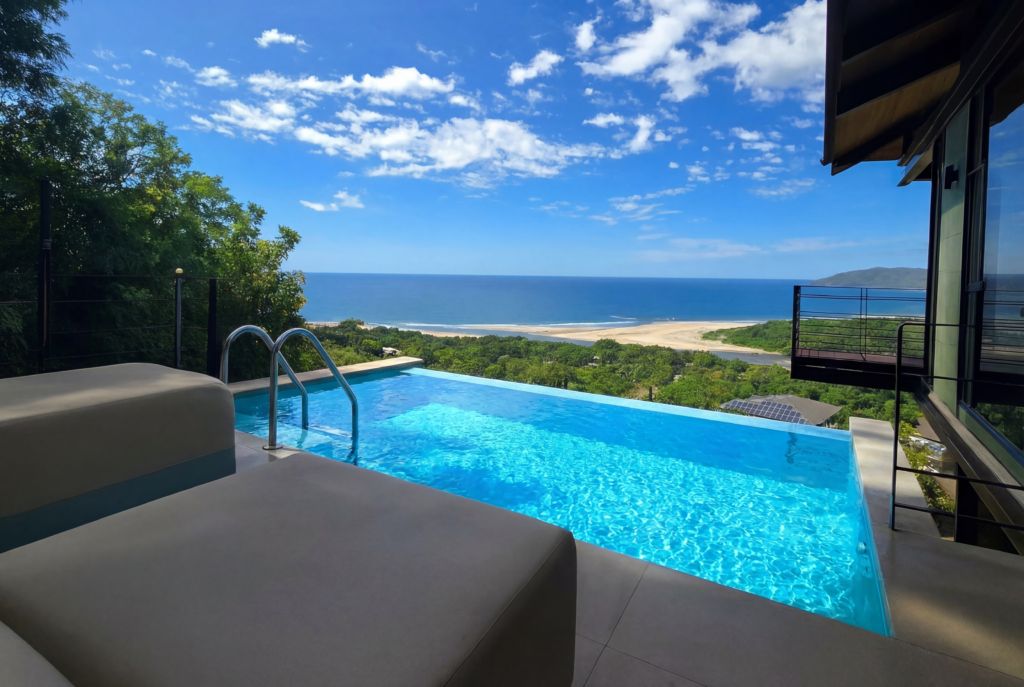
Colombia and Costa Rica showcase some of Latin America’s most stunning natural environments, though they differ dramatically in their geographic makeup. Both countries pack impressive biodiversity into their borders, creating distinct travel experiences for nature lovers.

Colombia’s Diverse Terrain

Colombia’s landscape offers remarkable variety across its 440,831 square miles. The country splits into five distinct natural regions, each with its own ecosystem and climate patterns:

  • The Andean Region: Three mountain ranges (Cordilleras) run north-south, creating microclimates ranging from snow-capped peaks at Nevado del Ruiz to fertile valleys where coffee plantations thrive.
  • Caribbean Lowlands: Home to tropical beaches, mangrove swamps, and the Sierra Nevada de Santa Marta—the world’s highest coastal mountain range rising from sea level to 18,700 feet in just 26 miles.
  • Pacific Coastal Region: One of Earth’s wettest areas with dense rainforests, rugged coastlines, and the unique Chocó biogeographic region housing thousands of endemic species.
  • The Orinoco Plains: Vast tropical grasslands (llanos) extending east, featuring seasonal flooding that transforms the landscape between wet and dry seasons.
  • The Amazon Basin: Colombia’s portion of the Amazon Rainforest covers about 35% of the country’s territory, housing indigenous communities and unmatched biodiversity.

This geographic diversity allows travelers to experience páramo ecosystems above 12,000 feet and tropical beaches in a single trip. The Cocora Valley with its towering wax palms and the multicolored river Caño Cristales demonstrate Colombia’s capacity for natural wonder.

Costa Rica’s Rainforests and Beaches

Costa Rica concentrates extraordinary biodiversity within its 19,730 square miles—roughly the size of West Virginia. Despite covering just 0.03% of Earth’s surface, the country contains nearly 6% of the world’s biodiversity across several distinct ecosystems:

  • Cloud Forests: Monteverde and Santa Elena preserve misty high-altitude forests where trees drip with orchids, bromeliads, and moss.
  • Volcanic Landscapes: The country features 67 volcanoes along the Pacific Ring of Fire, with Arenal’s perfect cone shape and Poás’s acid lake among the most visited.
  • Coastal Environments: The Pacific coast offers dramatic cliffs and surf beaches like Manuel Antonio, while the Caribbean side features turtle nesting grounds and coral reefs at Cahuita.
  • Rainforest Lowlands: Corcovado National Park on the Osa Peninsula represents one of the most biologically intense places on Earth with 13 major ecosystems.
  • Dry Forests: Guanacaste province showcases tropical dry forests that transform dramatically between green and golden seasons.

Costa Rica’s compact size means travelers can breakfast in a cloud forest, lunch in a volcano’s shadow, and watch sunset on the beach—all in one day. The country’s commitment to conservation has preserved these landscapes through a network of national parks covering about 25% of its territory.
Cultural Heritage and Local Traditions

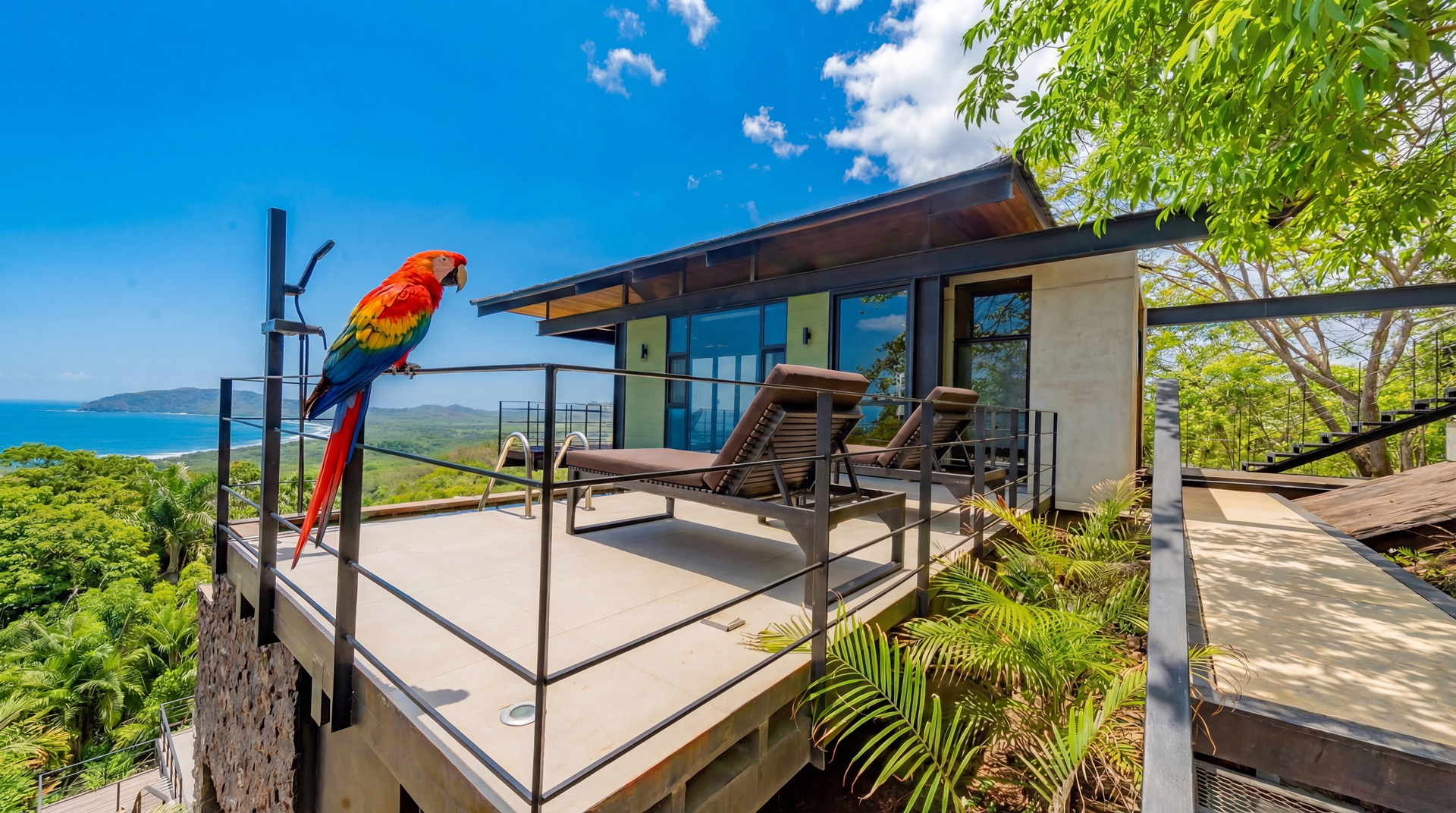
Colombia and Costa Rica showcase rich cultural traditions that reflect their unique histories and values. Both countries offer travelers authentic cultural experiences, from vibrant festivals to traditional cuisine and folk customs that have been preserved through generations.

Colombian Cultural Identity

Colombian culture blends indigenous, African, and European influences, creating a colorful tapestry of traditions across its regions. The country’s diverse heritage is evident in its music, with rhythms like cumbia, vallenato, and salsa forming the soundtrack to daily life. Festivals like the Barranquilla Carnival, the second largest in South America, and the Flower Festival in Medellín display Colombia’s passion for celebration and community.

Colombian artisanship stands out through distinctive crafts such as mochila bags woven by Wayuu indigenous people, intricate filigree jewelry from Mompox, and colorful chivas (rural buses). These handcrafted items tell stories of Colombia’s various communities and their artistic traditions.

Literature and art thrive in Colombia, with Nobel Prize winner Gabriel García Márquez putting Colombian magical realism on the world map. The works of Fernando Botero, with their characteristic voluminous figures, have become internationally recognized symbols of Colombian artistic expression.

Coffee culture forms a central part of Colombian identity, with traditional coffee farms (fincas) in the Coffee Triangle region welcoming visitors to experience the cultivation process. The UNESCO-recognized Coffee Cultural Landscape preserves this heritage while supporting local economies.

Costa Rican Pura Vida Lifestyle

Costa Rica’s cultural identity revolves around “Pura Vida” (pure life), a philosophy embracing simplicity, gratitude, and connection with nature. This phrase serves as both greeting and philosophy, reflecting Costa Ricans’ (Ticos’) relaxed approach to life and appreciation for everyday pleasures.

Traditional oxcarts (carretas) painted with intricate designs represent Costa Rica’s agricultural heritage and are recognized by UNESCO as Intangible Cultural Heritage. Originally used to transport coffee beans from highlands to ports, these colorful carts now symbolize national pride and artistic tradition.

Indigenous cultures, including the Bribri, Cabécar, and Boruca communities, maintain their customs through craft-making, storytelling, and traditional medicine. The Boruca’s annual Fiesta de los Diablitos (Festival of the Little Devils) dramatizes their resistance against Spanish colonizers through masked performances.

Costa Rican cuisine features simple yet flavorful dishes like gallo pinto (rice and beans), casado (a complete meal with rice, beans, protein, and plantains), and fresh tropical fruits. Local sodas (small family-run restaurants) offer authentic dining experiences where visitors can connect with locals over traditional meals.

Music and dance traditions in Costa Rica include the punto guanacasteco, featuring marimba music and elegant partner dancing. Folk dance groups perform at festivals throughout the year, preserving cultural expressions that date back generations.

Have you considered which cultural experience speaks more to your travel interests—Colombia’s vibrant diversity or Costa Rica’s peaceful pura vida approach?
Tourism Opportunities and Attractions

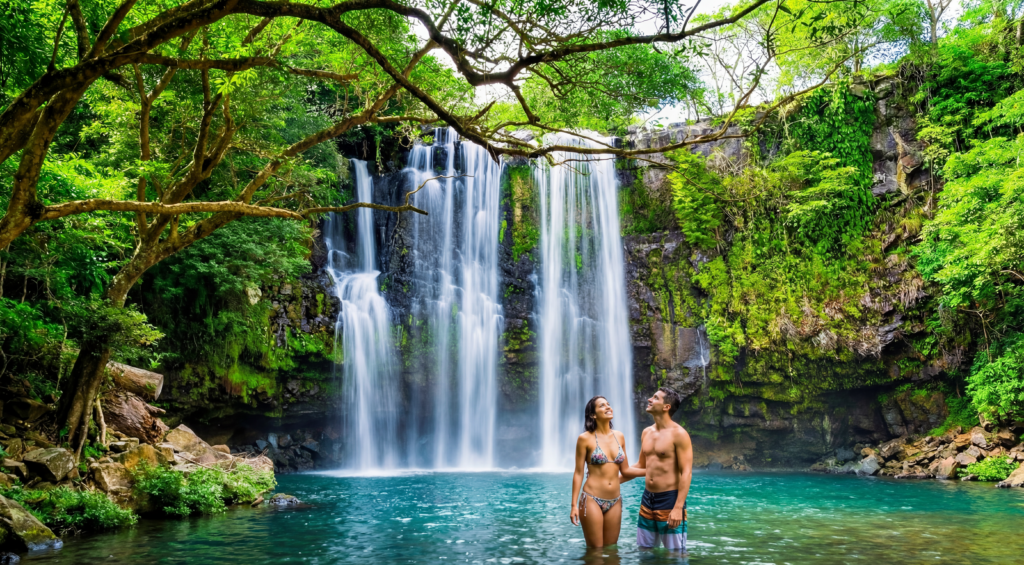
Both Colombia and Costa Rica offer exceptional tourism experiences with distinct flavors and attractions. These Latin American destinations provide travelers with unforgettable adventures, though each caters to different preferences and interests.

Colombia’s Rising Tourism Scene

Colombia’s tourism industry has flourished in recent years, transforming from an overlooked destination to a global hotspot. Visitors flock to Colombia for its diverse attractions spanning vibrant cities, pristine beaches, and mountainous coffee regions.

Cartagena’s colorful colonial architecture and walled Old Town transport travelers back in time. The city’s narrow streets, flower-draped balconies, and Caribbean influence create an atmosphere perfect for romantic getaways and cultural immersion.

Medellín, once notorious for crime, has reinvented itself as a model of urban innovation. The city’s spring-like climate year-round, efficient metro system, and stunning botanical gardens attract digital nomads and culture enthusiasts alike. Comuna 13, formerly one of the city’s most dangerous neighborhoods, now showcases impressive street art and outdoor escalators that highlight the area’s transformation.

Bogotá blends cosmopolitan energy with historic charm. La Candelaria district features colonial architecture, while the Gold Museum houses one of the world’s largest collections of pre-Hispanic gold artifacts. Sunday’s Ciclovía transforms major streets into pedestrian zones where locals and tourists exercise, socialize, and enjoy street performances.

The Coffee Triangle (Eje Cafetero) offers visitors a chance to stay on traditional coffee farms, learn about production processes, and sample some of the world’s finest coffee amidst breathtaking mountain landscapes. This region’s inscription as a UNESCO World Heritage site confirms its cultural significance.

Tayrona National Park combines lush rainforest with pristine Caribbean beaches, providing both hiking opportunities and relaxation spots. The park’s protected status preserves its ecological diversity and creates an escape from urban environments.

Costa Rica’s Established Ecotourism

Costa Rica pioneered ecotourism decades ago and continues to lead in sustainable travel practices. The country’s commitment to conservation creates an incredible variety of nature-based experiences within its compact territory.

Manuel Antonio National Park exemplifies Costa Rica’s appeal with its perfect balance of rainforest and beach environments. Visitors spot sloths, monkeys, and tropical birds while hiking well-maintained trails that lead to secluded beaches ideal for swimming and snorkeling.

Arenal Volcano offers thrilling adventure opportunities including zip-lining through the canopy, hiking on lava fields, and relaxing in natural hot springs. The perfectly conical active volcano serves as a dramatic backdrop for photos and creates a one-of-a-kind setting for outdoor activities.

Monteverde Cloud Forest Reserve provides an otherworldly experience as visitors walk through misty forests draped in epiphytes and moss. The hanging bridges deliver treetop perspectives where travelers glimpse rare birds like the resplendent quetzal and over 500 orchid species.

Tortuguero National Park, accessible only by boat or plane, delivers an Amazon-like experience with its network of canals and rivers. The park’s beaches serve as vital nesting grounds for several sea turtle species, making turtle nesting season (July-October) particularly special for wildlife enthusiasts.

Costa Rica’s beaches cater to various interests, from the surfing paradise of Tamarindo to the laid-back vibe of Puerto Viejo on the Caribbean coast. Many beach towns maintain their authentic character while providing comfortable amenities for international visitors.

Have you considered which type of vacation experience resonates more with your travel style? Would you prefer exploring Colombia’s cultural richness and emerging destinations, or immersing yourself in Costa Rica’s well-developed nature experiences?

Safety and Travel Considerations

Safety remains a key factor for travelers choosing between Colombia and Costa Rica. Both countries have evolved significantly in terms of security over the past decades, though each presents different considerations for visitors planning their Latin American adventure.

Colombia’s Improving Security Situation

Colombia’s safety landscape has transformed dramatically over the last 15 years. The country has shed much of its troubled past linked to drug cartels and FARC guerrillas through successful peace agreements and enhanced security measures. Major cities like Medellín—once notorious for violence—now welcome millions of tourists annually with vibrant neighborhoods and innovative urban planning.

Tourist areas in Cartagena, Bogotá, and the Coffee Region maintain strong security presences. The Colombian government has invested heavily in tourism police forces specifically trained to assist international visitors. Despite these improvements, travelers should still exercise common sense:

  • Research neighborhoods before booking accommodations
  • Use registered taxis or rideshare apps rather than hailing street vehicles
  • Avoid displaying valuable items in public spaces
  • Stay aware in crowded areas where pickpocketing occurs
  • Register with your embassy using programs like the U.S. Smart Traveler Enrollment Program

Rural areas require additional planning, as some remote regions still experience occasional security challenges. Checking current travel advisories before visiting less-touristed destinations gives you the most up-to-date safety information.

Costa Rica’s Reputation for Safety

Costa Rica has long enjoyed recognition as one of Latin America’s safest countries for tourists. Its stable democracy without a standing army since 1949 contributes to its peaceful reputation. The country’s focus on ecology and sustainable tourism has created an environment where visitor safety is prioritized.

Popular destinations like Manuel Antonio, Monteverde, and Tamarindo maintain excellent safety records. The tourism infrastructure caters to international travelers with:

  • Well-marked trails in national parks
  • Regulated adventure tourism operators with safety certifications
  • Tourist police presence in major destinations
  • Reliable public transportation options
  • Widespread English proficiency among tourism workers

While violent crime rates remain low, petty theft presents the most common risk for visitors. Basic precautions help avoid problems:

  • Use hotel safes for passports and extra cash
  • Keep car windows closed and doors locked when driving
  • Park in designated, supervised areas
  • Avoid swimming at beaches without lifeguards
  • Stay on marked trails when hiking

Have you considered what type of safety environment matters most for your travel style? Both countries offer secure experiences for informed travelers, though Costa Rica generally requires fewer safety adaptations for first-time visitors to Latin America.

Cost of Living and Expat Communities

The financial aspects and lifestyle quality differ significantly between Colombia and Costa Rica, influencing where expats choose to settle. Both countries have developed vibrant expatriate communities, though with different characteristics and cost structures that appeal to various types of international residents.

Housing and Daily Expenses Comparison

Colombia offers substantially lower living costs than Costa Rica across most expense categories. In Colombia, a one-bedroom apartment in city centers averages $250-350 monthly, while similar accommodations in Costa Rica typically cost $500-700. Grocery expenses show similar disparities—a basic food basket costs approximately 30-40% less in Colombian cities like Medellín or Bogotá compared to San José or beach towns like Tamarindo.

Transportation costs reflect this pattern too. A monthly public transportation pass in Colombia costs around $25, while Costa Rica’s equivalent runs closer to $50. Eating out presents perhaps the most striking difference: a meal at an inexpensive restaurant in Colombia averages $5-7, while Costa Rica’s comparable dining experiences start at $10-15.

Utilities including electricity, water, and internet connect to climate differences between the countries. Costa Rica’s electricity costs run higher, particularly in coastal areas where air conditioning becomes necessary year-round. Colombia’s varied climate zones allow residents to choose locations where heating and cooling needs remain minimal, resulting in utilities averaging $50-80 monthly versus $100-150 in Costa Rica.

Expense Category Colombia (USD) Costa Rica (USD)
1BR City Apartment $250-350 $500-700
Monthly Groceries $150-200 $250-350
Transportation Pass $25 $50
Restaurant Meal $5-7 $10-15
Monthly Utilities $50-80 $100-150

Quality of Life Factors

Healthcare accessibility differs notably between these countries. Colombia ranks 22nd globally for healthcare quality according to the World Health Organization, offering affordable private insurance options starting around $70 monthly. Costa Rica’s universal healthcare system (CCSS or “Caja”) provides comprehensive coverage to residents, though many expats supplement with private insurance costing $75-200 monthly for faster specialist access.

Education resources vary by location in both countries. Colombia’s major cities house international schools charging $5,000-10,000 annually, while Costa Rica’s equivalent institutions typically cost $8,000-15,000. Public education options exist in both nations, though language barriers present challenges for non-Spanish speaking families.

Internet connectivity and digital infrastructure have improved dramatically in both countries. Colombia’s major urban centers offer fiber-optic connections reaching 300Mbps, while Costa Rica generally provides reliable but somewhat slower services averaging 50-100Mbps in developed areas. Remote workers increasingly choose smaller Colombian cities like Manizales or Costa Rican beach towns like Nosara, creating digital nomad hubs with co-working spaces and support networks.

Expat community structures differ significantly. Colombia’s larger expatriate populations concentrate in Medellín, Bogotá, and Cartagena, creating diverse international communities with residents from North America, Europe, and throughout Latin America. Costa Rica’s expat communities typically cluster in areas like the Central Valley, Guanacaste coast, and Southern Zone, with a stronger North American presence and focus on outdoor lifestyle activities.

Have you considered which lifestyle factors matter most for your relocation plans? The decision between Colombia’s urban energy and lower costs versus Costa Rica’s natural beauty and established expat infrastructure depends on your personal priorities and budget constraints.

Economic Outlook and Business Environment

Colombia and Costa Rica offer distinct economic landscapes that shape their business environments. Both countries have taken different paths in developing their economies, with Colombia leveraging its size and resources while Costa Rica focuses on stability and specialized sectors.

Colombia’s Larger Economy

Colombia boasts Latin America’s fourth-largest economy with a GDP of approximately $323 billion. This economic powerhouse is diversified across multiple sectors including oil and gas, agriculture, manufacturing, and services. The country’s coffee production remains world-renowned, with Colombian beans exported globally and supporting over 500,000 farming families.

Recent economic reforms have opened Colombia to international trade, evidenced by free trade agreements with the United States, European Union, and Pacific Alliance partners. Bogotá has emerged as a regional business hub with growing financial, technology, and service sectors attracting multinational corporations like Amazon and WeWork.

For entrepreneurs and investors, Colombia offers several advantages:

  • Lower operational costs compared to developed markets
  • A strategic location connecting North and South America
  • A large domestic market of 51 million consumers
  • Special economic zones with tax incentives in cities like Barranquilla and Cali

However, challenges persist in Colombia’s business landscape. Infrastructure gaps in rural areas, bureaucratic procedures, and regional security concerns can complicate business operations outside major urban centers.

Costa Rica’s Stability and Foreign Investment

Costa Rica has built its economic reputation on political stability and strategic sector development. Despite its smaller $64 billion GDP, the country has cultivated a strong business environment focused on sustainability and high-value industries.

Foreign direct investment flows steadily into Costa Rica, with the country attracting over $2.5 billion annually in recent years. This success stems from:

  • A highly educated workforce with 96% literacy rate
  • Political stability with no standing army since 1949
  • Strategic focus on eco-friendly industries aligning with global trends
  • Well-established free trade zones offering competitive tax incentives

The technology sector exemplifies Costa Rica’s economic strategy. Intel’s significant operations established in 1997 helped spark a tech ecosystem that now includes medical device manufacturing, software development, and business process outsourcing. Companies like Boston Scientific, Abbott, and Amazon have substantial operations in Costa Rica’s free trade zones.

Tourism remains a crucial economic pillar, generating approximately 8.2% of Costa Rica’s GDP and creating sustainable employment opportunities across the country. The government has successfully positioned the country as an eco-tourism destination, creating business opportunities in sustainable hospitality, tour operations, and conservation projects.

Costa Rica’s business environment benefits from transparency and ease of operation. The country consistently ranks among the highest in Latin America for ease of doing business, though higher operating costs and a smaller market size than Colombia create different competitive dynamics.

How might these different economic approaches affect your business or travel plans? The answer depends on whether you’re looking for scale and diversity in Colombia or specialized sustainability in Costa Rica.

Conclusion

Both Colombia and Costa Rica offer extraordinary yet distinct Latin American experiences. Colombia captivates with its diverse regions spanning Caribbean beaches to Andean peaks while Costa Rica enchants with its ecological wonders and pura vida lifestyle.

We’ve explored their unique landscapes biodiversity cultural richness and practical considerations for travelers and expats. Colombia shines with urban vibrancy lower costs and economic diversity while Costa Rica excels in sustainability safety and natural conservation.

Your perfect destination ultimately depends on personal priorities. Are you drawn to Colombia’s cultural tapestry and varied landscapes? Or does Costa Rica’s ecological focus and outdoor adventures speak to your travel soul? Whichever you choose you’ll find an authentic Latin American experience waiting to transform your perspective.

Frequently Asked Questions

Which is safer for tourists – Colombia or Costa Rica?

Costa Rica generally ranks as one of Latin America’s safest countries with its stable democracy and strong tourism infrastructure. Colombia has made remarkable safety improvements over the past 15 years, especially in major cities like Medellín and Bogotá. Both countries are considered safe for tourists who exercise common sense, though Costa Rica edges ahead with fewer travel advisories. Always research current conditions before visiting either destination.

Is Colombia or Costa Rica more affordable for travelers?

Colombia offers significantly lower costs across most categories. You’ll find accommodations, food, and transportation about 30-40% cheaper than in Costa Rica. A mid-range hotel room in Colombia might cost $40-60 per night compared to $80-120 in Costa Rica. Restaurant meals, local transportation, and activities all follow similar price differences. Budget travelers will find their money stretches much further in Colombia.

Which country has better beaches?

Both countries offer stunning coastlines, but they differ in character. Colombia provides more variety with both Caribbean and Pacific beaches spanning over 3,200km of coastline. Highlights include Tayrona National Park and San Andrés Island. Costa Rica’s beaches are known for consistently good surfing conditions and ecological focus, with Manuel Antonio and Tamarindo being favorites. Your preference depends on whether you prioritize variety (Colombia) or consistency (Costa Rica).

Which destination is better for wildlife viewing?

Costa Rica has the edge for accessible wildlife experiences despite Colombia’s greater biodiversity. Costa Rica dedicates 25% of its land to conservation, making wildlife viewing practically guaranteed in its national parks. Visitors routinely encounter sloths, monkeys, toucans, and colorful frogs. Colombia offers incredible biodiversity but wildlife can be more challenging to spot, often requiring deeper excursions into areas like the Amazon Basin.

Which has better food – Colombia or Costa Rica?

Colombia offers more diverse culinary traditions with regional specialties like bandeja paisa, arepas, and seafood from both coasts. Its cuisine reflects indigenous, African, and European influences. Costa Rican food centers around simple, fresh ingredients with staples like gallo pinto (rice and beans) and casado (a complete meal plate). Foodies typically find Colombian cuisine more varied and flavorful, while Costa Rican food emphasizes wholesome simplicity.

Is English widely spoken in Colombia and Costa Rica?

English is more widely spoken in Costa Rica, especially in tourist areas, where approximately 27% of the population speaks some English. This is largely due to its established tourism industry and education system. In Colombia, English proficiency is growing but remains concentrated in major cities and tourist destinations, with roughly 8% speaking English. Learning basic Spanish phrases will significantly enhance your experience in both countries.

Which country is better for digital nomads?

Both countries attract digital nomads, but for different reasons. Colombia offers more affordable living costs with vibrant city options like Medellín, featuring excellent coworking spaces and fast internet. Costa Rica appeals with its nature-focused lifestyle and established expat communities in places like Santa Teresa and Tamarindo. Colombia provides better value and urban amenities, while Costa Rica offers superior work-life balance with beach and jungle settings.

What’s the best time to visit Colombia vs. Costa Rica?

Colombia can be visited year-round due to its varied climate zones. The driest months are December-March and July-August. Costa Rica has distinct dry (December-April) and green (May-November) seasons. The green season brings afternoon showers but fewer tourists and lush landscapes. For fewer crowds and good weather in both countries, consider visiting during shoulder seasons (April-May or November-December).

Which country has better hiking opportunities?

Both offer exceptional hiking, but with different terrain. Colombia features diverse trails across five natural regions, including the Andes Mountains, Amazon rainforest, and coastal areas. Popular hikes include Lost City Trek and Cocora Valley. Costa Rica specializes in volcano hikes, cloud forest trails, and coastal paths with well-maintained national park infrastructure. Costa Rica offers more accessible, marked trails while Colombia provides more adventurous, off-the-beaten-path experiences.

Can I easily travel between different regions in both countries?

Costa Rica offers more straightforward transportation with well-established tourist routes and relatively short distances. Most destinations are within a few hours’ drive. Colombia requires more planning due to its size and mountainous terrain. Domestic flights are often necessary to travel efficiently between regions like Cartagena, Medellín, and the Amazon. Costa Rica is more manageable for short trips, while Colombia rewards those with more time to explore.

Costa Rica Private Yacht Charters: Explore Paradise at Sea

Imagine gliding along Costa Rica’s pristine coastline, surrounded by turquoise waters and lush landscapes. With over 900 miles of stunning shoreline and countless hidden coves, Costa Rica offers an unparalleled setting for a private yacht adventure. Whether you’re drawn to the vibrant marine life or the tranquility of secluded beaches, there’s something magical about experiencing this tropical paradise from the water.

What kind of escape are you dreaming of? A day filled with snorkeling and paddleboarding, or a serene sunset cruise with breathtaking views? Private yacht charters give us the freedom to craft unforgettable moments, tailored to our desires. It’s the perfect way to explore Costa Rica’s natural beauty while enjoying comfort and exclusivity.

Let’s dive into what makes a private yacht charter in Costa Rica such an extraordinary experience. From the sights you’ll see to the memories you’ll create, the possibilities are endless.

Why Choose Costa Rica For Private Yacht Charters

Costa Rica offers an unforgettable setting for private yacht charters. Its vibrant ecosystems and pristine waters create the perfect destination for relaxation and adventure.

Unparalleled Natural Beauty

Costa Rica’s coastline stretches over 900 miles, offering diverse landscapes from golden sandy beaches to dramatic cliffs and hidden coves. Its lush rainforests often meet the ocean, creating picturesque views that captivate everyone who visits. Imagine anchoring near secluded beaches while verdant mountains serve as a breathtaking backdrop. Doesn’t such a serene escape sound enticing?

Abundant Marine Life

Home to vibrant marine ecosystems, Costa Rica boasts incredible opportunities to witness aquatic species. From dolphins and sea turtles to colorful fish and rays, the waters teem with life perfect for exploration. Visitors often enjoy activities like snorkeling and scuba diving, getting up close with these remarkable creatures. What could be more invigorating than immersing yourself in a thriving underwater world?

Year-Round Tropical Climate

Costa Rica’s warm and consistent climate makes it an ideal destination regardless of the season. Temperatures along the coast average between 72-89°F, ensuring pleasant conditions for yachting activities. Whether planning a tranquil cruise or water-based adventures, the tropical climate enhances every moment spent at sea. Which season will you choose to explore Costa Rica’s inviting waters?

Types Of Private Yacht Charters In Costa Rica

Costa Rica offers an array of private yacht charters, each catering to different preferences and experiences. From indulgent luxury to adventurous sailing, there’s something for everyone. Which option aligns with your dream journey?

Luxury Yachts

Luxury yachts provide an opulent way to explore Costa Rica’s coastline. These yachts typically feature spacious interiors, private cabins, and onboard amenities like jacuzzis, gourmet kitchens, and professional crews. They offer unmatched comfort for those who value relaxation and style. Imagine indulging in chef-prepared meals while enjoying panoramic ocean views or unwinding on sun decks designed for leisure.

Catamarans

Catamarans are ideal for groups or families looking for stability and ample space both inside and out. These vessels typically include large deck areas, shaded lounges, and cabins with ensuite bathrooms. Perfect for activities like snorkeling or paddleboarding, catamarans let you anchor near secluded beaches or pristine coves with ease. Their dual-hull design offers a smoother ride, making your adventure pleasant even in choppy waters.

Sailing Yachts

Sailing yachts bring a classic and serene experience, combining tradition with adventure. These are perfect for those who enjoy the tranquil art of harnessing the wind while exploring Costa Rica’s natural beauty. Smaller crews and intimate settings create a more personal connection to the ocean. Picture yourself steering the helm as dolphins play alongside or relaxing as the sails catch the evening breeze on a sunset cruise.

Each option offers distinct experiences tailored to different styles of exploration. Which type of charter matches the journey you imagine?

Top Destinations For Costa Rica Private Yacht Charters

Costa Rica offers endless opportunities for exploration by sea. Its diverse coastline is dotted with vibrant natural attractions and serene retreats. Here are three top destinations that stand out for private yacht charters.

Papagayo Peninsula

Papagayo Peninsula, on Costa Rica’s northern Pacific coast, is known for its pristine beaches and calm waters. This area is ideal for water activities like snorkeling and paddleboarding. Private yacht charters can access secluded spots, where coral reefs teem with marine life. Shore excursions might include hiking trails through dry tropical forests or visits to luxury resorts and local villages.

Manuel Antonio National Park

Manuel Antonio National Park combines lush rainforests with stunning beaches, making it a favorite destination. Chartering a yacht here allows us to admire the park’s scenic coastline and explore hidden coves only accessible by boat. Dolphins often swim alongside charters, creating unforgettable moments. After enjoying the water, we can relax on the park’s white-sand beaches or set off to observe monkeys and sloths in their natural habitat.

Golfo Dulce

Golfo Dulce, located in southern Costa Rica, offers tranquil waters surrounded by dense rainforest. It’s one of the world’s few tropical fjords. Private yachts here can explore mangroves, waterfalls, and vibrant ecosystems. This region is a haven for nature lovers, with regular sightings of humpback whales, sea turtles, and exotic birds. If you’re looking for serene beauty, Golfo Dulce provides a peaceful escape far from crowded areas.

Which of these destinations speaks to your sense of adventure?

Activities To Enjoy On A Private Yacht Charter

A private yacht charter in Costa Rica opens up a world of exciting opportunities along its stunning coastline. From underwater adventures to peaceful moments at sea, there’s something for everyone to enjoy.

Snorkeling & Scuba Diving

Costa Rica’s vibrant marine life makes snorkeling and scuba diving must-try activities. Swim alongside schools of colorful fish, explore coral reefs, and witness sea turtles in their natural habitat. Locations like the Catalina Islands or Caño Island are perfect for discovering pristine underwater ecosystems. With clear waters and diverse species, each dive or snorkel offers a visual feast.

Sportfishing Adventures

The Pacific waters of Costa Rica are teeming with opportunities for sportfishing enthusiasts. Species like marlin, sailfish, tuna, and mahi-mahi are abundant, making this region a top destination for anglers. Whether you’re an experienced fisherman or trying it for the first time, we can cast off in prime fishing spots like Papagayo Gulf or Quepos for a memorable day on the water. What catch will you reel in?

Relaxation & Sunset Cruises

Relaxation on a private yacht is effortless, with expansive views of the ocean and coastline surrounding you. Unwind on deck with a refreshing drink or soak in the serenity as the yacht glides through calm waters. As the day comes to a close, a sunset cruise creates a magical atmosphere. Watch the sky shift into vibrant hues while dolphins play in the distance. Is there a better way to end the day?

Tips For Planning Your Private Yacht Charter In Costa Rica

Exploring Costa Rica on a private yacht offers endless opportunities for relaxation and adventure. With careful planning, you can craft an unforgettable experience along this breathtaking coastline.

Choosing The Right Yacht

Selecting the perfect yacht starts with defining your goals, whether they’re relaxation, adventure, or celebration. Yachts vary in size and type, with options including luxury yachts, catamarans, and sailing vessels. Luxury yachts deliver high-end comfort with spacious interiors and premium amenities. Catamarans are ideal for families or groups, offering stability and ample outdoor space for activities like sunbathing or snorkeling. Sailing yachts offer a quieter, more traditional journey, great for those who want a deeper connection with the ocean. Think about the group size, desired activities, and onboard preferences when deciding.

Best Time To Travel

Costa Rica’s tropical climate makes it an excellent destination year-round, but timing can enhance your journey. The dry season, from December to April, offers consistently sunny skies and calm seas—perfect for cruises and beach stops. The green season, from May to November, features lush landscapes, with fewer crowds and opportunities to witness vibrant marine life. Some months, like August and September, may bring heavier rains, which can impact certain water activities. Consider what type of weather aligns with your vision of the trip.

Budget Considerations

Understanding your budget helps you plan each element of your charter. Costs will depend on the yacht type, trip duration, and included services, such as crew and meals. Additional expenses, like fuel, docking fees, and optional experiences like scuba diving or sportfishing, should be factored in. Group charters are often a cost-effective option, as expenses can be shared. Outline your priorities to allocate resources toward creating the experience you want without unnecessary surprises.

Conclusion

Costa Rica’s private yacht charters offer an unmatched blend of luxury, adventure, and natural beauty. Whether you’re seeking serene relaxation, thrilling marine exploration, or unforgettable moments with loved ones, the possibilities are endless.

With its breathtaking coastline, abundant wildlife, and diverse charter options, Costa Rica invites us to experience the ocean in a way that’s both intimate and extraordinary. There’s no better way to embrace the magic of this tropical paradise than by setting sail on your own private yacht.

Frequently Asked Questions

Why is Costa Rica a great destination for private yacht charters?

Costa Rica’s 900 miles of coastline boast stunning beaches, lush rainforests, and vibrant marine life. Its diverse landscapes, ranging from hidden coves to tropical fjords, provide breathtaking scenery. With year-round tropical weather and opportunities for snorkeling, wildlife viewing, and sunset cruises, it’s a paradise for yacht enthusiasts.

What activities can I enjoy on a private yacht in Costa Rica?

Popular activities include snorkeling, scuba diving, paddleboarding, sportfishing, and sunset cruises. Marine life, such as dolphins and sea turtles, add to the experience. You can customize your trip with adventures or relaxation.

What are the top destinations for private yacht charters in Costa Rica?

Top spots include Papagayo Peninsula (pristine beaches and calm waters), Manuel Antonio National Park (lush rainforests and beaches with wildlife), and Golfo Dulce (a serene tropical fjord surrounded by rainforest).

What types of yachts are available for charter in Costa Rica?

Options include luxury yachts with elegant amenities, catamarans for larger groups or families, and classic sailing yachts for a tranquil experience. Each caters to different preferences and activities.

When is the best time to charter a yacht in Costa Rica?

The dry season (December to April) offers sunny weather and calm seas, perfect for outdoor activities. The green season (May to November) showcases lush landscapes and fewer crowds, ideal for a more peaceful experience.

What marine life can I expect to see?

Costa Rica is home to dolphins, sea turtles, colorful tropical fish, and even whales, depending on the season. Snorkeling and scuba diving offer close encounters with this vibrant marine ecosystem.

How do I choose the right yacht for my trip?

Consider your group size, budget, and desired activities. Luxury yachts provide premium amenities, catamarans are great for stability and groups, while sailing yachts offer a more intimate ocean experience.

How much does a private yacht charter cost in Costa Rica?

Costs vary based on yacht type, trip duration, and activities. Additional expenses, such as food or excursions, can influence the price. Planning your budget and outlining priorities is key for a smooth experience.

Can I go sportfishing during a yacht charter in Costa Rica?

Yes, Costa Rica is a world-class sportfishing destination. The Pacific waters are teeming with marlin, tuna, and other species, making it a prime spot for anglers.

Are private yacht charters family-friendly?

Absolutely! Many yachts cater to families, offering kid-friendly activities like snorkeling, paddleboarding, and wildlife viewing. Catamarans, in particular, provide ample space and stability for groups with children.

Costa Rica Helicopter Tours from Villa: Ultimate Aerial Adventures

Ever wondered what it’s like to soar above Costa Rica’s lush rainforests and pristine beaches from the comfort of your vacation villa? We’ve discovered that helicopter tours offer the ultimate luxury experience for travelers wanting to witness Costa Rica’s breathtaking landscapes from a bird’s-eye view. From volcanic craters to hidden waterfalls, these aerial adventures showcase sights that remain invisible to ground-based explorers.

A helicopter tour that departs directly from your private villa eliminates travel hassles and maximizes your vacation time in paradise. We’ve found that many luxury properties now partner with helicopter services to create custom flight experiences tailored to your interests. Whether you’re celebrating a special occasion or simply craving an unforgettable adventure, these tours transform an already amazing Costa Rican getaway into something truly extraordinary.

Experience Costa Rica from Above: Helicopter Tours from Your Villa

Costa Rica’s breathtaking landscapes take on a whole new dimension when viewed from the air. Helicopter tours offer a premium way to witness the country’s natural wonders while enjoying maximum comfort and flexibility. The convenience of departing directly from your private villa transforms these aerial adventures into seamless experiences that maximize your precious vacation time.

Flying above Costa Rica reveals hidden gems inaccessible by ground transportation. Imagine soaring over verdant rainforests, spotting wildlife from above, and taking in panoramic views of volcanic peaks and pristine beaches—all in a single flight. A helicopter tour provides these exclusive perspectives without the limitations of traditional travel routes.

Many luxury villas in Costa Rica have partnered with trusted helicopter services to create custom flight packages for guests. These collaborations allow for personalized itineraries tailored to your interests, whether you’re captivated by volcanic craters, fascinated by remote waterfalls, or drawn to coastal views. Have you considered what landmarks you’d most like to see from this unique vantage point?

Helicopter tours from your villa also make special occasions extraordinary. Anniversaries, proposals, or family celebrations become unforgettable when paired with an aerial tour. The privacy and exclusivity of departing from your own accommodation adds another layer of luxury to the experience, setting it apart from standard tourist offerings.

For photographers and nature enthusiasts, the aerial perspective offers unparalleled opportunities to capture Costa Rica’s diverse ecosystems. The play of light across landscapes, patterns visible only from above, and the country’s remarkable biodiversity can all be appreciated in ways impossible from ground level.

Why Choose a Helicopter Tour in Costa Rica

Helicopter tours in Costa Rica transform ordinary travel into extraordinary adventures. Flying above this biodiverse paradise offers experiences impossible to replicate by any other means of exploration.

Unique Perspectives of Costa Rica’s Diverse Landscapes

Costa Rica’s helicopter tours reveal stunning panoramas that remain hidden from ground-level travelers. From above, you’ll witness the perfect symmetry of volcanic craters, the meandering rivers cutting through dense rainforests, and coastal scenes where jungle meets ocean in dramatic fashion. These aerial viewpoints showcase the country’s ecological zones in a single flight – from misty cloud forests to tropical dry forests and pristine coastlines. Wildlife spotting takes on a new dimension as you might observe whale migrations offshore or catch glimpses of monkeys swinging through the canopy below. Photography enthusiasts particularly appreciate these unobstructed views, capturing landscapes without the limitations of ground-based angles.

Time-Saving Alternative to Ground Transportation

Helicopters eliminate hours of challenging road travel across Costa Rica’s varied terrain. What might take a full day by car becomes a smooth 30-minute flight, giving you more time to enjoy destinations rather than just reaching them. This efficiency proves especially valuable when staying at remote luxury villas, where accessing certain attractions would otherwise require lengthy journeys on unpaved roads. For travelers with limited vacation time, helicopter transportation maximizes every moment by connecting multiple destinations in a single day – perhaps breakfast at your villa, lunch in a remote rainforest location, and sunset on an isolated beach. During rainy season (May through November), helicopters bypass flooded roads and washed-out bridges that often complicate ground travel plans, providing consistent access to attractions regardless of weather conditions.

Popular Costa Rica Helicopter Tour Destinations

Costa Rica’s diverse landscapes offer spectacular aerial viewing opportunities for helicopter tour enthusiasts. From towering volcanoes to pristine beaches, these destinations showcase the country’s natural beauty from a breathtaking perspective when accessed directly from your villa.

Arenal Volcano and Rainforest Excursions

Arenal Volcano stands as Costa Rica’s most iconic aerial destination, featuring a perfectly symmetrical cone rising dramatically from lush rainforest. Helicopter tours reveal the volcano’s massive crater and occasional smoke plumes impossible to appreciate from ground level. The surrounding rainforest canopy unfolds beneath you, exposing hidden waterfalls like La Fortuna and the vibrant blue waters of Lake Arenal. Many tours include hovering near thermal hot springs, where you’ll spot steam rising through the dense vegetation. Wildlife spotting becomes effortless from above, with opportunities to see monkeys, sloths, and tropical birds in their natural habitat without disturbing the ecosystem.

Pacific Coast and Beach Tours

Pacific Coast helicopter tours transform Costa Rica’s 800 miles of coastline into a stunning visual experience. From your villa, you’ll soar over Manuel Antonio National Park’s white-sand beaches and dense jungle meeting turquoise waters. The Nicoya Peninsula reveals secluded coves and beaches accessible only by air, including hidden gems like Playa Conchal with its unique shell-composed shoreline. During December through April, these flights offer prime whale-watching opportunities, spotting humpback whales and dolphin pods from a perfect vantage point. Sunset tours prove especially popular, capturing the golden hour over beaches like Tamarindo and Flamingo with unparalleled photography conditions.

Monteverde Cloud Forest Adventures

Monteverde Cloud Forest tours provide an otherworldly experience flying through mist-shrouded mountain landscapes. From above, you’ll witness the striking contrast between different forest elevations, with cloud formations weaving through the canopy below. These flights showcase hanging bridges from a perspective few travelers experience, with panoramic views of the continental divide where Caribbean and Pacific watersheds meet. Helicopter pilots often navigate strategic positions above forest clearings where you might glimpse rare quetzal birds and hundreds of orchid species dotting the canopy. Some tours coordinate with ground operations, allowing you to land near sky trams or zipline adventures for a comprehensive cloud forest experience combining aerial views with ground exploration.

Booking Your Private Villa Helicopter Tour

Securing your private helicopter tour from your Costa Rica luxury villa takes just a few simple steps. These aerial adventures offer maximum flexibility while providing spectacular views that ground transportation can’t match. Here’s what you need to know about selecting the right tour operator and understanding tour details.

Top Helicopter Tour Operators in Costa Rica

Costa Rica features several established helicopter companies specializing in private villa departures. Experienced operators maintain modern fleets with Bell 407s, Airbus AS350s, and Robinson R44s – all equipped with panoramic windows for optimal viewing. Look for companies with:

  • Certified pilots who have extensive knowledge of Costa Rica’s diverse terrain and weather patterns
  • Safety records including regular maintenance schedules and international safety certifications
  • Customization options for creating personalized flight paths based on your interests
  • Multilingual guides who provide informative commentary about landmarks and ecosystems
  • Villa coordination experience with streamlined processes for arranging landings at private properties

Most premium operators offer online booking options and concierge services that coordinate directly with your villa management team. Always check customer reviews focusing specifically on villa departure experiences before making your selection.

What to Expect: Duration, Pricing, and Group Sizes

Helicopter tours from private villas typically range from 30 minutes to 3 hours depending on your selected destinations. Standard pricing structures include:

Tour Type Duration Typical Price Range (USD) Max Passengers
Short Scenic 30-45 min $350-$600 per person 3-6
Half-Day Adventure 1-2 hours $750-$1,200 per person 3-6
Full-Day Expedition 3-5 hours $1,500-$3,000 per person 3-4

Group sizes remain intimate regardless of your chosen package, with most helicopters accommodating 3-6 passengers comfortably. Many operators offer private booking options that allow your family or small group exclusive use of the aircraft.

Booking at least 2-3 weeks in advance helps secure your preferred date and time slot, though last-minute arrangements can sometimes be accommodated during less busy seasons. Have you considered which landmarks you want to include in your aerial adventure? Most companies provide sample itineraries but welcome your input to customize the experience.

Weather conditions occasionally necessitate rescheduling, especially during the rainy season (May-November), so building some flexibility into your vacation schedule proves helpful. Many operators include complimentary transportation between your villa and alternative helipads if your property lacks landing capabilities.

Preparing for Your Helicopter Adventure

Getting ready for your Costa Rican helicopter tour requires some advance planning to maximize your experience. From understanding weather patterns to packing the right items, proper preparation enhances your aerial adventure and ensures magnificent views of Costa Rica’s diverse landscapes.

Weather Considerations and Best Times to Fly

Costa Rica’s weather patterns significantly impact helicopter flight conditions and visibility. The dry season (December to April) offers the clearest skies and most reliable flying conditions, making it ideal for aerial tours. During these months, you’ll enjoy unobstructed views of volcanic craters, rainforests, and coastlines without the typical cloud cover that appears in wetter months.

Morning flights (7-10 AM) typically provide the most stable air conditions and best lighting for photography. Afternoon flights might encounter more clouds, especially during the green season (May to November), when afternoon rain showers are common. Many operators schedule tours to avoid these predictable weather patterns.

If you’re booking during the green season, remember that helicopter tours remain possible but require more flexibility. Operators often monitor weather forecasts and may reschedule flights to catch clear windows between rain showers. The advantage of green season flying? You’ll witness lush, vibrant landscapes and fewer tourists at popular destinations.

For those seeking specific natural phenomena, time your flight accordingly. Whale watching tours along the Pacific coast are most productive from August to October and December to April, coinciding with humpback whale migrations.

What to Bring and Wear

Comfort and practicality guide what you should wear and pack for your helicopter adventure. Light, breathable clothing works best in Costa Rica’s tropical climate. We recommend:

  • Comfortable attire: Cotton shirts and lightweight pants or shorts allow easy movement in the helicopter cabin
  • Light jacket or windbreaker: Temperatures can be cooler at higher elevations, especially when flying over mountainous regions
  • Closed-toe shoes: Essential for safety during boarding and disembarking
  • Hair ties for long hair: Keep hair secured to prevent it from blowing in your face during the flight

For essential items to bring:

  • Sunglasses: Reduce glare and enhance visibility of landscapes below
  • Camera with strap: Capture breathtaking aerial views (some tours provide mounts for phones or GoPros)
  • Small daypack: Carry personal items while keeping your hands free
  • Sunscreen: Protection is important, even inside the helicopter
  • Water bottle: Stay hydrated throughout your adventure
  • Motion sickness medication: Helpful for those prone to airsickness, taken 30-60 minutes before departure

Most tour operators provide noise-cancelling headsets with built-in communication systems, allowing conversations with your pilot and fellow passengers without shouting over engine noise. These headsets also deliver informative commentary about landmarks you’re seeing.

Leave valuable jewelry and loose items at your villa, as these can become hazards during flight or easily lost. The limited space in helicopter cabins means bulky bags aren’t practical – pack only what you’ll need during the flight.

Have you considered your photography goals for the tour? Different camera lenses capture distinct aspects of the landscape, from wide-angle shots of vast rainforests to telephoto images of wildlife. Discuss your photography interests with your tour provider, as they might recommend specific seating arrangements for optimal shooting angles.

Luxury Villa Accommodations with Helipad Access

Costa Rica’s elite villas combine opulent living with helicopter accessibility, creating a seamless luxury experience. These accommodations offer direct helipad access, allowing guests to embark on aerial adventures without ever leaving their vacation property.

Premium Villas with Private Helicopter Services

Premium Costa Rican villas with private helicopter services redefine vacation convenience. These exclusive properties feature on-site helipads integrated into manicured grounds, providing immediate access to aerial tours. Modern communication systems connect guests directly with pilots, facilitating last-minute tour arrangements or schedule changes. Many villas offer dedicated concierge staff who coordinate all aspects of helicopter experiences, from planning custom routes to arranging picnic baskets for mountaintop landings.

Estates in regions like Guanacaste and Manuel Antonio provide spectacular takeoff experiences, with helipads positioned to showcase panoramic ocean or mountain views from the moment of departure. Property amenities complement the helicopter experience with observation decks, high-powered telescopes, and professional photography equipment. For privacy-focused travelers, these villas guarantee discrete departure and arrival processes, free from crowds or public interaction.

Combined Villa and Helicopter Tour Packages

Integrated villa and helicopter packages deliver remarkable value for luxury travelers in Costa Rica. These all-inclusive experiences bundle accommodation costs with pre-arranged flight experiences, often at preferential rates compared to booking separately. Popular packages include three-night villa stays with two guided helicopter excursions, allowing guests to experience multiple perspectives of Costa Rica’s diverse landscapes.

Custom packages cater to specific interests—photographers enjoy sunrise volcano flights, adventure seekers access remote waterfall landings, and wildlife enthusiasts participate in conservation-focused aerial surveys. Seasonal promotions often feature exclusive experiences like champagne sunset flights or private beach landings, available only to villa guests. These packages typically include professional photography or videography services, preserving memories of both the luxury accommodation and aerial adventures.

For families, specialized packages offer age-appropriate experiences, with shorter, gentler flights for younger children and more extensive explorations for adults. Many packages include ground transportation between multiple villas in different regions, creating comprehensive luxury itineraries throughout Costa Rica without sacrificing comfort or convenience.

Conclusion

Helicopter tours from your luxury Costa Rica villa offer the ultimate combination of convenience and extraordinary perspective. We’ve seen how these aerial adventures transform a standard vacation into an unforgettable experience showcasing the country’s diverse ecosystems in a single flight.

With direct villa departures eliminating travel hassles and specialized packages catering to your specific interests, these tours represent the pinnacle of luxury travel. They’re not just transportation – they’re transformative experiences that reveal Costa Rica’s hidden gems unreachable by conventional means.

Whether you’re celebrating a special occasion or simply seeking to maximize your precious vacation time, a helicopter adventure delivers unmatched views and efficiency. By taking to the skies, you’ll gain a profound appreciation of Costa Rica’s remarkable natural beauty that will stay with you long after your journey ends.

Frequently Asked Questions

What makes helicopter tours in Costa Rica special?

Helicopter tours in Costa Rica offer unparalleled views of the country’s diverse landscapes, including volcanic craters, rainforests, and pristine beaches that are inaccessible by ground transportation. These aerial adventures reveal hidden gems and provide spectacular panoramic vistas of multiple ecosystems in a single flight, transforming how travelers experience Costa Rica’s natural beauty.

Can I book a helicopter tour directly from my luxury villa?

Yes, many luxury villas in Costa Rica have partnerships with helicopter services and some even feature private helipads on the property. Villa concierge teams can arrange customized helicopter experiences that depart directly from your accommodation, eliminating travel time to departure points and maximizing your vacation time.

How long do helicopter tours typically last?

Helicopter tours in Costa Rica range from 30 minutes to 5 hours depending on your chosen itinerary. Shorter flights typically focus on specific landmarks like Arenal Volcano, while longer excursions can cover multiple destinations such as the Pacific Coast and Monteverde Cloud Forest in a single day, optimizing your sightseeing experience.

What is the best time of year for helicopter tours in Costa Rica?

The dry season (December to April) offers the best flying conditions with clear visibility and stable weather. Morning flights are particularly recommended for optimal air stability and photography lighting. However, helicopter tours operate year-round, with operators monitoring weather conditions to ensure safety and maximize viewing opportunities.

How much do helicopter tours cost?

Prices vary based on flight duration, destinations, and group size. Short 30-minute scenic flights typically start around $350-500 per person, while half-day custom experiences can range from $1,200-2,500 per person. Most luxury villas offer package deals that may include preferential rates when booking tours through their concierge services.

What should I wear and bring for a helicopter tour?

Wear comfortable clothing and closed-toe shoes. Essential items include sunglasses, sunscreen, a camera with extra memory cards, and possibly motion sickness medication if you’re prone to airsickness. Tour operators provide noise-cancelling headsets for communication during the flight. For photography enthusiasts, discuss camera equipment with your provider beforehand.

Are helicopter tours in Costa Rica safe?

Reputable helicopter tour operators in Costa Rica maintain strict safety standards, employ certified pilots with extensive experience, and regularly service their aircraft. When booking, look for companies with excellent safety records, proper certifications, and positive reviews. The best luxury villas partner exclusively with operators who meet these high safety standards.

Can children join helicopter tours?

Yes, most operators welcome children, though age restrictions and requirements vary by company. Some may have minimum age requirements or require young children to sit on a parent’s lap. Family-friendly operators offer specialized experiences with child-appropriate commentary and safety measures. Discuss any concerns with both your villa concierge and the tour operator when booking.

What destinations can I see via helicopter in Costa Rica?

Popular helicopter tour destinations include Arenal Volcano with its impressive crater and surrounding rainforest, the Pacific Coast with views of Manuel Antonio National Park and whale watching opportunities, and Monteverde Cloud Forest with its misty mountain landscapes. Custom itineraries can combine multiple destinations based on your interests.

Do I need to book helicopter tours in advance?

Yes, advance booking is highly recommended, especially during peak tourist seasons (December-April). Most luxury villas suggest securing your helicopter experience at least 2-4 weeks before arrival. Last-minute bookings may be possible but limit your options for preferred times, routes, and customization opportunities.